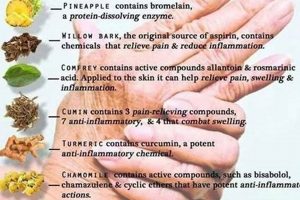
The phrase refers to the use of botanical substances to alleviate symptoms associated with temporomandibular joint disorders. Such disorders encompass a range of conditions causing pain and dysfunction in the jaw joint and muscles controlling jaw movement. A common example would be utilizing chamomile tea or applying peppermint oil topically in an attempt to reduce inflammation and muscle tension linked to the temporomandibular joint.
Implementing plant-based solutions offers individuals a potentially less invasive and often more accessible approach to managing discomfort originating from the jaw. Historically, many cultures have relied on the medicinal properties of herbs to address various ailments, including musculoskeletal pain. This approach resonates with those seeking complementary therapies alongside or instead of conventional medical treatments for jaw-related issues.
The subsequent sections will examine specific botanicals frequently considered for their potential benefits in managing temporomandibular joint discomfort, explore methods of application, and discuss critical considerations regarding their usage, including potential interactions and contraindications.
Guidance on Plant-Based Approaches for Temporomandibular Joint Discomfort
The following recommendations outline potential strategies for incorporating botanical treatments into a plan for managing temporomandibular joint (TMJ) disorders. These suggestions are not intended as a substitute for professional medical advice, and consultation with a qualified healthcare provider is always recommended.
Tip 1: Identify Trigger Factors: Before initiating any treatment, attempt to pinpoint specific actions or habits exacerbating symptoms. These may include teeth grinding, jaw clenching, poor posture, or specific dietary choices. Addressing these underlying causes can significantly improve treatment outcomes.
Tip 2: Explore Anti-Inflammatory Herbs: Substances such as ginger, turmeric, and boswellia possess demonstrated anti-inflammatory properties. Consider incorporating these into the diet or using them in supplemental form. Ensure that any supplements are from reputable sources and adhere to recommended dosages.
Tip 3: Employ Muscle Relaxants: Certain plants, including chamomile, valerian root, and passionflower, exhibit muscle-relaxant effects. These can be consumed as teas or taken in capsule form to alleviate muscle tension surrounding the jaw joint. Exercise caution when combining these with other sedatives or medications.
Tip 4: Utilize Topical Applications: Essential oils, such as peppermint, lavender, and eucalyptus, can be diluted with a carrier oil (e.g., coconut or almond oil) and gently massaged into the affected area. These oils may provide localized pain relief and reduce muscle spasms. Perform a patch test prior to widespread use to check for skin sensitivity.
Tip 5: Consider Acupuncture or Acupressure: While not strictly botanical, these traditional techniques often utilize meridian points associated with pain relief and muscle relaxation. Acupressure can be self-administered, while acupuncture should be performed by a licensed practitioner.
Tip 6: Maintain a Soft Food Diet: During periods of acute discomfort, adopt a diet consisting of soft foods to reduce the strain on the jaw joint. Avoid chewing gum, hard candies, and other items requiring excessive jaw movement.
Tip 7: Practice Stress Management Techniques: Stress can significantly contribute to TMJ symptoms. Incorporate relaxation techniques such as meditation, deep breathing exercises, or yoga into the daily routine.
Integrating these recommendations into a comprehensive management strategy may assist in alleviating TMJ discomfort. The effectiveness of individual treatments can vary, and a personalized approach, guided by healthcare professionals, is essential.
The succeeding sections will delve into potential risks and interactions associated with plant-based remedies and emphasize the significance of ongoing communication with healthcare providers throughout the treatment process.
1. Inflammation Reduction

Inflammation within the temporomandibular joint (TMJ) and surrounding musculature is a primary contributor to the pain and dysfunction characteristic of TMJ disorders. Addressing this inflammatory component is therefore a key therapeutic objective. Botanical substances are often considered for their potential anti-inflammatory properties as a means of managing these disorders.
- Curcuminoids in Curcuma longa (Turmeric)
Turmeric, a widely studied spice, contains curcuminoids, particularly curcumin, which have demonstrated anti-inflammatory activity through the modulation of various signaling pathways involved in inflammation. These pathways include the nuclear factor kappa B (NF-B) pathway. While research on turmeric’s direct effect on TMJ-related inflammation is limited, its established anti-inflammatory properties suggest a potential benefit in reducing joint inflammation and associated pain. Bioavailability of curcumin can be enhanced through co-administration with piperine, a compound found in black pepper.
- Gingerol in Zingiber officinale (Ginger)
Ginger contains gingerol and related compounds that exhibit anti-inflammatory and analgesic effects. These substances may inhibit prostaglandin synthesis, thereby reducing inflammation and pain. Ginger can be consumed in various forms, including fresh ginger, ginger tea, and ginger supplements. While direct clinical trials assessing ginger’s efficacy in TMJ disorders are scarce, its general anti-inflammatory effects support its potential use as a complementary therapy.
- Boswellic Acids in Boswellia serrata (Indian Frankincense)
Boswellia serrata contains boswellic acids, which have been shown to inhibit the enzyme 5-lipoxygenase (5-LOX), a key enzyme involved in the production of leukotrienes, inflammatory mediators. By inhibiting 5-LOX, boswellic acids can reduce inflammation and pain. Studies have investigated the effects of Boswellia serrata on osteoarthritis, and its potential to alleviate TMJ inflammation warrants further research.
- Omega-3 Fatty Acids in Flaxseed (Linum usitatissimum)
Flaxseed is a rich source of alpha-linolenic acid (ALA), an omega-3 fatty acid that the body can convert to eicosapentaenoic acid (EPA) and docosahexaenoic acid (DHA), though the conversion rate can vary. EPA and DHA possess anti-inflammatory properties by modulating the production of inflammatory cytokines. Regular consumption of flaxseed or flaxseed oil may contribute to a reduction in overall inflammation, potentially benefiting individuals with TMJ disorders.
The potential of plant-derived anti-inflammatory agents to mitigate TMJ-related discomfort stems from their ability to modulate various aspects of the inflammatory response. While further research is necessary to establish definitive efficacy for specific botanicals in TMJ disorders, their established anti-inflammatory properties suggest a role as complementary therapies when integrated into a comprehensive management plan. Consultation with a healthcare professional is essential before incorporating any botanical treatments, especially when considering potential interactions with other medications or pre-existing conditions.
2. Muscle Relaxation
Muscle tension frequently accompanies temporomandibular joint disorders, contributing to pain, limited range of motion, and overall dysfunction. Addressing muscle hypertonicity is therefore a critical component of comprehensive TMJ management, and specific botanical substances have traditionally been explored for their potential muscle-relaxant properties.
- Chamomile (Matricaria chamomilla)
Chamomile contains compounds, such as apigenin, that bind to benzodiazepine receptors in the brain, potentially promoting relaxation and reducing anxiety. While not directly relaxing muscles, the anxiolytic effect may indirectly reduce muscle tension associated with stress and anxiety, common exacerbating factors in TMJ disorders. Chamomile is typically consumed as a tea or taken in capsule form.
- Valerian Root (Valeriana officinalis)
Valerian root is thought to increase levels of gamma-aminobutyric acid (GABA) in the brain, a neurotransmitter that inhibits nerve impulses and promotes relaxation. While scientific evidence specifically linking valerian to TMJ muscle relaxation is limited, its well-established sedative and anxiolytic effects may indirectly reduce muscle tension. Valerian is usually taken as a capsule or tincture.
- Passionflower (Passiflora incarnata)
Passionflower is another botanical traditionally used for its calming and anxiolytic properties. Similar to valerian, it may increase GABA levels in the brain, promoting relaxation. Passionflower is available as a tea, tincture, or capsule, and its calming effects may contribute to a reduction in muscle tension associated with TMJ disorders.
- Peppermint (Mentha x piperita)
Topical application of peppermint oil may induce muscle relaxation through its cooling and analgesic effects. Menthol, a primary component of peppermint oil, can activate cold-sensitive receptors in the skin, leading to a temporary reduction in pain and muscle spasms. Peppermint oil should be diluted with a carrier oil before topical application to avoid skin irritation.
The exploration of plant-derived muscle relaxants in the context of TMJ disorders underscores the potential for complementary therapies in addressing this condition. The use of chamomile, valerian root, passionflower, and peppermint represents strategies targeting muscle tension and associated discomfort. As with all herbal remedies, the efficacy and safety of these substances can vary, and consultation with a healthcare provider is crucial prior to their incorporation into a treatment plan.
3. Pain Management
Pain management is a central concern within the context of temporomandibular joint disorders, often prompting individuals to seek alternative or complementary therapies, including botanical substances. The efficacy of plant-based remedies for TMJ-related pain relies on various mechanisms, such as anti-inflammatory effects, muscle relaxation, and analgesic properties. Individuals experiencing chronic pain in the jaw region frequently explore botanical solutions to mitigate discomfort and improve their quality of life. For example, topical application of diluted peppermint oil may provide temporary relief from muscle pain, while the consumption of ginger tea may reduce inflammation-related discomfort. The success of such interventions is highly individual and dependent on the specific etiology of the TMJ disorder and individual physiological responses.
Effective pain management in TMJ disorders necessitates a comprehensive understanding of the underlying causes and contributing factors. While botanical substances may offer symptomatic relief, they typically do not address the root cause of the disorder. A multidisciplinary approach involving physical therapy, dental interventions, and stress management techniques is often required for sustained pain reduction. The integration of plant-based remedies into this broader treatment plan should be carefully considered and guided by healthcare professionals. For instance, an individual diagnosed with TMJ disorder due to bruxism might benefit from muscle relaxant herbs in conjunction with a night guard and behavioral therapy aimed at reducing teeth grinding.
The role of botanical substances in TMJ pain management lies primarily in their potential to alleviate symptoms and improve overall well-being. While anecdotal evidence and some preliminary research support their use, rigorous scientific studies are often lacking. The practical significance of understanding this connection lies in empowering individuals to make informed decisions about their treatment options, recognizing the potential benefits and limitations of plant-based remedies. Furthermore, it emphasizes the importance of seeking professional guidance to ensure safe and effective integration of these remedies into a comprehensive pain management strategy.
4. Accessibility

The relatively low cost and widespread availability of many botanical substances contribute significantly to their appeal as potential remedies for temporomandibular joint disorders. Unlike specialized medical treatments or prescription medications, herbs and related products are often readily obtainable from local pharmacies, health food stores, or even cultivated at home. This ease of access renders them a viable option for individuals who may face financial constraints, geographic limitations, or limited access to conventional healthcare services. For example, a person residing in a rural area with limited access to specialized dental care may find solace in the readily available chamomile tea or topical peppermint oil for managing TMJ-related discomfort.
However, the accessibility of plant-based solutions should not be interpreted as a guarantee of safety or efficacy. While numerous herbs are generally considered safe for consumption or topical application, potential risks exist, including allergic reactions, interactions with medications, and variations in product quality. Furthermore, the self-directed use of botanical substances without proper diagnosis or guidance from a healthcare professional may delay or preclude the receipt of appropriate medical care. As an illustration, an individual self-treating TMJ pain with herbal supplements may unknowingly mask underlying dental issues or musculoskeletal problems requiring specialized intervention.
Therefore, the accessibility of botanical substances for TMJ disorders represents a double-edged sword. While it offers an avenue for symptomatic relief and self-care, responsible use requires a balanced understanding of both the potential benefits and inherent limitations. The practical significance lies in fostering informed decision-making, emphasizing the importance of professional consultation, and promoting realistic expectations regarding the role of plant-based remedies within a comprehensive TMJ management strategy. The ease of access does not negate the need for judicious evaluation and appropriate medical oversight.
5. Holistic Approach

The concept encompasses the treatment of the entire individual, addressing not only physical symptoms but also emotional, psychological, and lifestyle factors. In the context of managing temporomandibular joint disorders through plant-based remedies, this necessitates a broader perspective that acknowledges the intricate interplay between these elements and their potential impact on the temporomandibular joint (TMJ).
- Stress Management and Emotional Well-being
Stress and anxiety are well-documented contributors to TMJ disorders, often manifesting as teeth grinding (bruxism) and jaw clenching. A holistic approach integrates stress reduction techniques, such as meditation, yoga, or cognitive behavioral therapy, alongside botanical remedies. For example, chamomile tea, known for its calming properties, may be used in conjunction with relaxation exercises to mitigate stress-related muscle tension. Addressing emotional well-being directly can enhance the effectiveness of plant-based treatments by alleviating underlying exacerbating factors.
- Lifestyle Modifications and Ergonomics
Lifestyle factors, including posture, diet, and occupational habits, can significantly influence TMJ symptoms. A holistic approach emphasizes ergonomic adjustments to reduce strain on the jaw and neck. This might involve modifying workstation setup, adopting a soft food diet during periods of acute pain, or avoiding activities that exacerbate jaw discomfort. Integrating these modifications with herbal remedies, such as anti-inflammatory turmeric supplements, may provide synergistic benefits by addressing both the symptoms and the contributing lifestyle factors.
- Nutritional Considerations and Dietary Choices
Nutritional deficiencies and inflammatory diets can contribute to TMJ symptoms. A holistic approach emphasizes a balanced diet rich in anti-inflammatory foods and essential nutrients. This might include incorporating omega-3 fatty acids from flaxseed or fish oil, ensuring adequate hydration, and limiting processed foods, caffeine, and alcohol. Combining these dietary adjustments with herbal remedies can further support overall well-being and reduce inflammation within the TMJ. For instance, incorporating ginger into meals can provide both flavor and anti-inflammatory benefits.
- Physical Therapy and Musculoskeletal Alignment
Musculoskeletal imbalances in the neck, shoulders, and back can contribute to TMJ disorders. A holistic approach integrates physical therapy to address these imbalances, improve posture, and restore proper jaw function. This might involve exercises to strengthen neck and jaw muscles, manual therapy to release muscle tension, and postural correction techniques. Combining physical therapy with botanical remedies, such as topical peppermint oil for muscle relaxation, can provide comprehensive relief by addressing both structural and symptomatic components of the disorder.
In essence, adopting this method toward the utilization of botanical substances in managing TMJ disorders acknowledges the interconnectedness of physical, emotional, and lifestyle elements. Rather than viewing herbal remedies as standalone solutions, they are strategically integrated into a multifaceted treatment plan that addresses the individual’s unique needs and circumstances. This holistic perspective enhances the potential for long-term symptom management and overall well-being.
Frequently Asked Questions
The following addresses common inquiries regarding the application of plant-based remedies in managing temporomandibular joint (TMJ) disorders. Information provided should not substitute professional medical advice.
Question 1: Are herbal remedies a substitute for conventional medical treatment for TMJ disorders?
Plant-based remedies are generally considered complementary therapies and should not replace conventional medical care. Consultation with a qualified healthcare professional is crucial for accurate diagnosis and appropriate treatment planning.
Question 2: What specific botanicals demonstrate effectiveness in alleviating TMJ pain?
Some herbs, including turmeric, ginger, and chamomile, possess anti-inflammatory and muscle-relaxant properties, potentially offering symptomatic relief. However, the efficacy of specific botanicals varies, and further research is needed to establish definitive benefits for TMJ disorders.
Question 3: Are there potential risks or side effects associated with using herbal remedies for TMJ?
Herbal remedies can cause adverse reactions in some individuals, including allergic reactions, gastrointestinal upset, and interactions with medications. It is essential to consult with a healthcare provider or qualified herbalist before initiating any herbal treatment, especially if pre-existing medical conditions are present.
Question 4: How should herbal remedies be administered for TMJ disorders?
Botanical substances can be administered in various forms, including teas, capsules, tinctures, and topical applications. The optimal method of administration depends on the specific herb and the individual’s preferences. Always follow recommended dosages and guidelines.
Question 5: Can herbal remedies address the underlying cause of TMJ disorders?
Plant-based remedies primarily target the symptoms of TMJ disorders, such as pain and inflammation. They typically do not address the underlying causes, which may include bruxism, malocclusion, or trauma. A comprehensive treatment plan addressing the root cause is essential.
Question 6: Where can reliable information about herbal remedies for TMJ be found?
Credible sources of information include qualified healthcare professionals, licensed herbalists, peer-reviewed scientific publications, and reputable organizations dedicated to herbal medicine research. Exercise caution when evaluating information from unverified sources.
It is essential to approach plant-based treatments for TMJ disorders with a critical and informed perspective. Consultation with healthcare professionals remains paramount to ensuring safe and effective management.
The subsequent sections will address potential interactions between botanical treatments and conventional medications. This is a critical aspect to consider before integrating herbal remedies into a TMJ management plan.
Conclusion
The preceding exploration of herbal remedies TMJ has elucidated various facets of integrating botanical substances into the management of temporomandibular joint disorders. Key points include the potential for inflammation reduction, muscle relaxation, and pain mitigation offered by specific herbs. The accessibility of these remedies and the emphasis on a holistic approach further contribute to their appeal as complementary therapies.
While plant-based interventions may provide symptomatic relief, it is imperative to acknowledge their limitations and potential risks. Sound clinical judgment necessitates consulting with qualified healthcare professionals for accurate diagnosis and treatment planning. Further research is warranted to establish definitive efficacy and safety profiles for specific botanicals in the context of TMJ disorders. The responsible and informed application of these therapies, guided by medical expertise, remains paramount.