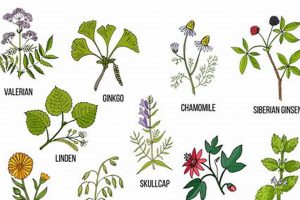
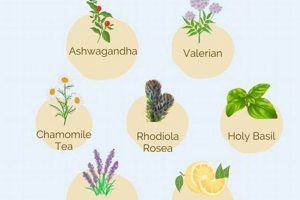
Nighttime urination, or nocturia, is a common condition that disrupts sleep cycles due to the frequent need to urinate. Some individuals explore plant-derived treatments as a potential approach to managing this condition. These treatments typically encompass a range of botanical substances administered to mitigate the symptoms associated with frequent nighttime voiding.
The appeal of using plants to alleviate nocturia stems from various factors. Historically, many cultures have relied on botanical medicine for numerous ailments, including urinary issues. Furthermore, some individuals prefer natural options over synthetic pharmaceuticals, seeking potentially fewer adverse effects or a more holistic approach. The exploration of such treatments represents an ongoing investigation into complementary and alternative medicine.
The remainder of this discussion will address several aspects related to the use of plant-based approaches in managing the need to urinate frequently at night. Specific botanical options, their purported mechanisms of action, and the existing body of scientific evidence will be explored. This includes a review of the limitations and potential risks associated with using these interventions.
Guidance on Exploring Plant-Based Approaches for Nighttime Urination
This section offers guidance for individuals considering the use of plants to manage the frequent need to urinate at night. The information presented is for informational purposes only and should not be considered medical advice. Consultation with a qualified healthcare professional is essential before initiating any new treatment regimen.
Tip 1: Identification of Root Cause: Prior to initiating any treatment, it is crucial to identify the underlying cause of nocturia. This may involve diagnostic testing and evaluation by a physician to rule out medical conditions such as diabetes, prostate enlargement (in men), or urinary tract infections.
Tip 2: Research and Verification: Thoroughly research any plant-based treatment being considered. Examine reputable scientific databases and medical journals for evidence supporting its efficacy and safety. Be wary of unsubstantiated claims or anecdotal evidence.
Tip 3: Formulation and Dosage Awareness: Exercise caution regarding the specific formulations and dosages of plants used. Different preparations (e.g., teas, tinctures, capsules) may have varying concentrations of active compounds. Adhere strictly to recommended dosages and guidelines provided by qualified herbalists or healthcare professionals.
Tip 4: Potential Interactions with Medications: Inform your healthcare provider about all medications and supplements being taken, including plant-based treatments. Certain plants can interact with pharmaceutical drugs, potentially altering their effectiveness or increasing the risk of adverse effects.
Tip 5: Vigilance for Adverse Reactions: Monitor for any adverse reactions or side effects after initiating a plant-based treatment. Discontinue use immediately and seek medical attention if any concerning symptoms develop, such as allergic reactions, digestive upset, or changes in urinary function.
Tip 6: Quality Assurance: Obtain plants and plant-derived products from reputable sources that adhere to quality control standards. This helps ensure the purity and potency of the product and minimizes the risk of contamination with harmful substances.
Tip 7: Concurrent Lifestyle Adjustments: Complement the use of plants with lifestyle adjustments known to mitigate nighttime urination, such as limiting fluid intake before bedtime, avoiding caffeine and alcohol, and elevating the legs to reduce fluid retention.
Adherence to these guidelines may help individuals make informed decisions when considering using plants to manage the symptoms of frequent nighttime urination. Understanding the root causes, researching the evidence, and exercising caution are all key to responsible exploration of these treatments.
The following sections will further explore potential plant-based options and provide additional considerations regarding their use in managing the need to urinate frequently at night.
1. Underlying causes addressed.

The effective management of the frequent need to urinate at night utilizing plant-derived methods necessitates addressing the fundamental medical conditions contributing to the condition. Failure to identify and treat these underlying factors may lead to ineffective or even detrimental outcomes despite the use of plants.
- Prostate Enlargement (Benign Prostatic Hyperplasia – BPH)
In older men, BPH is a common cause of nighttime urination. An enlarged prostate can obstruct the urethra, leading to incomplete bladder emptying and increased urinary frequency, particularly at night. While plants like saw palmetto are often investigated for their potential to alleviate BPH symptoms, they may not be effective if the underlying enlargement is severe or complicated by other factors. A comprehensive medical evaluation is essential to determine the appropriate treatment approach.
- Diabetes Mellitus
Elevated blood sugar levels in individuals with diabetes can lead to increased urine production as the kidneys attempt to excrete excess glucose. This polyuria often manifests as nocturia. While certain plants may possess antidiabetic properties, they are not a substitute for conventional diabetes management, which includes dietary control, exercise, and medication. Addressing the underlying diabetic condition is paramount in reducing nighttime urination in these patients.
- Heart Failure
Heart failure can cause fluid retention during the day, which is then mobilized and excreted at night when the individual is lying down. This can lead to increased nighttime urination. Plants with diuretic properties might offer temporary relief, but the underlying heart condition requires specific medical management, including medications and lifestyle modifications. Addressing heart failure is critical in mitigating nighttime urination in these cases.
- Urinary Tract Infections (UTIs)
UTIs, particularly in women, can cause increased urinary frequency and urgency, including nocturia. While plants like cranberry have been traditionally used for UTI prevention, they are generally not a substitute for antibiotic treatment of an active infection. Addressing the underlying bacterial infection is necessary to resolve the urinary symptoms.
Therefore, the selection and application of plant-derived options for nighttime urination should be guided by a thorough understanding of the underlying medical causes. It should be recognized that plants might only provide symptomatic relief in some cases, and effective management often requires addressing the primary medical condition contributing to the increased need to urinate at night. Consulting with a qualified healthcare professional is essential for proper diagnosis and treatment.
2. Scientific evidence evaluated.

The application of botanical treatments for nighttime urination necessitates a rigorous evaluation of existing scientific evidence. This is crucial to distinguish between anecdotal claims and interventions with demonstrable efficacy and safety. A thorough examination of clinical trials, systematic reviews, and meta-analyses is essential before recommending or utilizing plants.
- Efficacy Trials
Randomized, controlled trials (RCTs) are the gold standard for evaluating the efficacy of any treatment, including plant-derived options. These trials compare the effect of a plant treatment against a placebo or standard treatment, measuring outcomes such as the frequency of nighttime urination, sleep quality, and overall symptom improvement. The presence of well-designed RCTs with statistically significant and clinically relevant results is essential before concluding that a specific botanical has a therapeutic benefit.
- Safety Profiles
Even if a plant demonstrates some efficacy in reducing nighttime urination, its safety profile must be carefully evaluated. This involves assessing the incidence and severity of adverse effects reported in clinical trials, as well as considering potential interactions with other medications or pre-existing medical conditions. Some plants, while potentially effective, may have contraindications or require careful monitoring during use.
- Quality Control and Standardization
The consistency and quality of plant-based products can vary significantly depending on factors such as the source of the plant, the extraction method, and the manufacturing process. Scientific evidence should ideally be based on studies using standardized extracts with known concentrations of active compounds. This ensures that the results are reproducible and that consumers can reliably obtain a product with the intended potency.
- Meta-Analyses and Systematic Reviews
Meta-analyses and systematic reviews synthesize the results of multiple studies to provide a comprehensive overview of the evidence for a particular plant treatment. These analyses can help to identify consistent trends and patterns across different studies, as well as to assess the overall strength of the evidence. However, it is important to critically evaluate the quality of the included studies and the methods used in the analysis.
In conclusion, any recommendation to employ botanical substances for managing nighttime urination hinges on a critical appraisal of available scientific evidence. Reliance solely on historical precedent or anecdotal evidence carries inherent risks. Healthcare providers and patients alike should prioritize treatments supported by robust clinical data affirming both efficacy and safety to ensure optimal outcomes and minimize potential harm.
3. Potential interactions assessed.

The concurrent use of botanical substances, explored for their potential benefit in managing the frequent need to urinate at night, alongside conventional pharmaceutical medications presents a significant area of concern. This concern stems from the potential for plants to interact with prescription drugs, altering their pharmacokinetic or pharmacodynamic properties, thereby impacting their efficacy or toxicity. For instance, an individual taking warfarin, an anticoagulant medication, and simultaneously consuming a plant with anticoagulant properties, such as high doses of garlic, could experience an increased risk of bleeding. Conversely, a plant that induces certain liver enzymes could accelerate the metabolism of a drug, reducing its plasma concentration and therapeutic effect. Consequently, a comprehensive evaluation of potential interactions is a critical component of the responsible exploration of botanicals.
Consider the example of an elderly male with benign prostatic hyperplasia (BPH) and nocturia, who is prescribed both tamsulosin (an alpha-blocker commonly used for BPH) and is self-treating with saw palmetto. Saw palmetto, while often purported to alleviate BPH symptoms, also possesses alpha-adrenergic blocking properties. Combining these two agents could lead to additive hypotensive effects, potentially causing dizziness or falls. Similarly, individuals with diabetes managing their condition with hypoglycemic agents could experience unpredictable blood sugar fluctuations if concurrently consuming plants known to affect glucose metabolism. Such potential interactions highlight the imperative for meticulous assessment of interactions before initiating any treatment involving plants alongside conventional medications. This includes a detailed review of the patient’s medication list and an awareness of the pharmacological properties of the plant under consideration.
In summary, the responsible use of plants for managing the need to urinate frequently at night mandates a careful assessment of potential interactions with pharmaceutical medications. This evaluation is crucial to preventing adverse events and ensuring the safety and efficacy of the overall treatment regimen. Healthcare professionals should prioritize a thorough medication reconciliation and a comprehensive understanding of plant-drug interactions before advising patients on the use of botanicals. Failure to do so can result in significant harm and undermine the benefits of both conventional and complementary therapies. Addressing this challenge requires ongoing research, education, and clear communication between healthcare providers and patients.
4. Dosage precision critical.

The connection between dosage precision and plant-derived options for the frequent need to urinate at night is inextricably linked to both the potential efficacy and safety of these interventions. The active constituents within plants vary significantly based on species, growing conditions, preparation methods, and storage. Consequently, imprecise dosing can lead to a range of undesirable outcomes, from therapeutic failure to adverse effects. Unlike synthetic pharmaceuticals, where the concentration of active compounds is precisely controlled, botanical substances often present inherent variability that necessitates a greater emphasis on accurate dosage determination. A small deviation from the appropriate dose may render the plant ineffective in alleviating symptoms or, conversely, trigger unwanted side effects.
The implications of imprecise dosing are particularly relevant in the context of nighttime urination. For instance, if an individual utilizes a plant known for its diuretic properties but administers it in an excessive dose, this could lead to electrolyte imbalances, dehydration, or exacerbate nocturia symptoms by increasing urine production further. Conversely, if the dose is insufficient, the individual may experience no noticeable benefit, leading to disillusionment with plant-based approaches and potentially delaying the pursuit of more effective treatments. The inherent variability in the composition of plant-based products necessitates careful attention to detail in dosage determination. This often requires consultation with a qualified herbalist or healthcare professional who possesses the expertise to assess individual needs and prescribe appropriate doses based on factors such as body weight, age, overall health, and concurrent medications.
In summary, the efficacy and safety of botanical interventions for nighttime urination depend critically on dosage precision. The inherent variability in plant composition demands meticulous attention to accurate dosing, requiring careful consideration of individual factors and expert guidance. Failure to address dosage precision can undermine the potential benefits of plant-based therapies and increase the risk of adverse effects, emphasizing the importance of responsible and informed use of these interventions. The future of plant-derived treatments relies on standardization of quality control. Such endeavors reduce dosing risk for patients seeking alternative nocturia treatments.
5. Individual variability observed.

The therapeutic response to plant-derived treatments for frequent nighttime urination exhibits considerable individual variability. This heterogeneity arises from a complex interplay of genetic factors, physiological differences, lifestyle factors, and the presence of co-existing medical conditions. The efficacy of a specific botanical intervention for one individual may not be replicated in another, even when the underlying cause of nocturia appears similar. For example, saw palmetto, frequently investigated for prostate-related nocturia, demonstrates variable effectiveness across different men. Some individuals experience a noticeable reduction in nighttime voiding frequency, while others report no significant improvement. This disparity underscores the importance of acknowledging individual variability and tailoring treatment strategies accordingly.
The impact of genetics, gut microbiome composition, and metabolic rate on the absorption, distribution, metabolism, and excretion (ADME) of plant constituents contributes significantly to the observed variability. Genetic polymorphisms in drug-metabolizing enzymes, such as cytochrome P450 (CYP) enzymes, can alter the rate at which plant compounds are metabolized, influencing their bioavailability and duration of action. Differences in gut microbiota composition can also affect the biotransformation of plant compounds, potentially leading to the formation of active or inactive metabolites. Furthermore, lifestyle factors, such as diet, exercise, and smoking, can modulate the body’s response to plant-derived treatments. Concurrent medical conditions, such as diabetes or heart failure, can also influence the effectiveness of plant interventions for nighttime urination. For instance, individuals with diabetes may experience less benefit from certain botanicals due to the underlying metabolic disturbances affecting urinary function.
Recognizing and addressing individual variability is crucial for optimizing the therapeutic outcomes of plant-derived treatments for frequent nighttime urination. A personalized approach, incorporating a thorough assessment of individual factors, is essential for selecting the most appropriate botanical intervention and tailoring the dosage to maximize efficacy and minimize the risk of adverse effects. Regular monitoring of treatment response and adjustments to the treatment plan based on individual needs are also vital. The future of using plants for the condition hinges on studies that assess patient’s body and physiological needs as base for better treatment. Finally, consider seeking help from health professional before trying treatment with herbs.
Frequently Asked Questions
This section addresses common inquiries surrounding the use of botanical substances in managing the frequent need to urinate at night. The responses provided are for informational purposes and should not be interpreted as medical advice.
Question 1: Is there scientific evidence supporting the efficacy of plants for nighttime urination?
The scientific evidence regarding the efficacy of plants for nighttime urination varies considerably. Some botanicals, such as saw palmetto for prostate-related nocturia, have been investigated in clinical trials, with mixed results. Others have limited or no rigorous scientific support. A thorough review of the available literature is essential before considering any plant treatment.
Question 2: Are botanical substances safe for long-term use in managing nighttime urination?
The safety of long-term use of plants for nighttime urination depends on the specific plant and the individual’s health status. Some plants may have adverse effects with prolonged use or interact with other medications. Consultation with a qualified healthcare provider is crucial to assess potential risks and benefits.
Question 3: Can botanical treatments cure the underlying cause of nighttime urination?
Botanical treatments may provide symptomatic relief for nighttime urination, but they do not necessarily cure the underlying cause. Nocturia can result from various medical conditions, such as diabetes, heart failure, or prostate enlargement. Addressing the underlying medical condition is essential for effective long-term management.
Question 4: How do plants compare to conventional medications for nighttime urination?
Plants and conventional medications for nighttime urination differ in their mechanisms of action, efficacy, and safety profiles. Conventional medications often target specific physiological pathways involved in urine production or bladder control. Plants may have broader effects and are not always as well-studied or regulated as pharmaceuticals. A healthcare professional can provide guidance on the most appropriate treatment approach based on individual needs.
Question 5: Are there any potential interactions between plants and conventional medications for nighttime urination?
Plants can interact with conventional medications, potentially altering their efficacy or increasing the risk of adverse effects. It is crucial to inform a healthcare provider about all medications and supplements being taken, including plants, to assess potential interactions.
Question 6: What are the important factors to consider when choosing a plant treatment for nighttime urination?
Key factors to consider when choosing a plant treatment for nighttime urination include the underlying cause of nocturia, the available scientific evidence for efficacy and safety, potential interactions with other medications, the quality and standardization of the plant product, and individual health status. Consultation with a qualified healthcare provider is essential for informed decision-making.
In summary, botanical substances may offer potential benefits for managing nighttime urination, but their use should be approached with caution and under the guidance of a healthcare professional. A thorough understanding of the available evidence, potential risks, and individual factors is crucial for safe and effective utilization.
The subsequent sections will explore alternative approaches to managing frequent urination at night, including lifestyle adjustments and medical interventions.
Conclusion
The preceding exploration of nocturia herbal remedies underscores the complexities inherent in utilizing plant-derived options for managing the frequent need to urinate at night. While the allure of natural treatments persists, a critical evaluation reveals the nuanced landscape of scientific evidence, potential risks, and individual variability that demands careful consideration. The unregulated nature of many products and the potential for interactions with pharmaceutical medications further necessitates a cautious approach.
The responsible exploration of botanical interventions for nighttime urination requires a collaborative effort between patients and healthcare providers. Only through rigorous scientific investigation, standardized quality control, and personalized treatment strategies can the true potential and limitations of nocturia herbal remedies be fully elucidated. Until then, informed decision-making and professional medical guidance remain paramount for ensuring patient safety and achieving optimal outcomes.