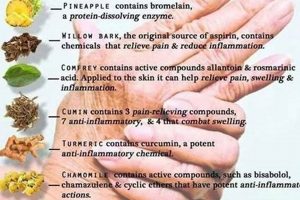
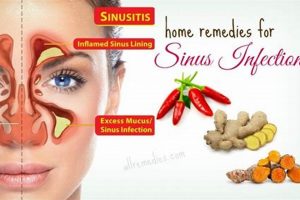
Preparations derived from plants, often employing their leaves, roots, or flowers, are utilized to alleviate the symptoms associated with upper respiratory infections. These treatments are typically employed to soothe discomfort and support the body’s natural healing processes during periods of illness. Examples include teas made from Echinacea or elderberry syrups.
The employment of botanicals for symptomatic relief represents a long-standing tradition across various cultures. Their appeal stems from a perception of naturalness and a desire for alternatives to conventional pharmaceuticals. Throughout history, numerous societies have documented the use of specific flora to mitigate the impact of common ailments, frequently emphasizing holistic well-being.
The subsequent sections will delve into specific botanical options, examine the available scientific evidence supporting their efficacy, and discuss potential interactions or contraindications. The aim is to provide a balanced perspective on their role within a broader strategy for managing seasonal discomfort.
Guidance on Botanical Approaches to Cold Symptom Management
The following guidelines offer a structured approach to utilizing botanical options for easing the discomfort associated with upper respiratory infections. Careful consideration of individual health conditions and potential interactions is paramount.
Tip 1: Consultation with a Healthcare Professional: Prior to initiating any botanical regimen, engage in a dialogue with a qualified healthcare provider. This ensures the chosen remedies are appropriate for individual circumstances and do not interfere with existing medical conditions or medications.
Tip 2: Focus on Symptom Relief: Understand that botanical approaches primarily target symptom management. They are intended to alleviate discomfort such as congestion, sore throat, and cough, rather than directly eradicate the underlying viral infection.
Tip 3: Source Reputable Products: Exercise diligence in selecting botanical preparations. Opt for products from established manufacturers who adhere to quality control standards and provide transparent information regarding ingredient sourcing and processing.
Tip 4: Adhere to Recommended Dosages: Strictly follow the dosage guidelines provided by the manufacturer or a qualified herbalist. Exceeding recommended amounts does not necessarily enhance efficacy and may increase the risk of adverse effects.
Tip 5: Monitor for Adverse Reactions: Closely observe the body’s response to any new botanical remedy. Discontinue use immediately and seek medical attention if any adverse reactions, such as allergic symptoms or digestive upset, occur.
Tip 6: Emphasize Hydration: Concurrent with botanical interventions, maintain adequate hydration through the consumption of water, herbal teas, and clear broths. Hydration supports overall physiological function and can help thin mucus secretions.
Tip 7: Prioritize Rest: Complement botanical approaches with sufficient rest. Adequate sleep allows the body to allocate resources towards immune function and facilitates the healing process.
Consistent application of these strategies, alongside careful monitoring, allows for a more informed and responsible approach to botanical usage during periods of illness. It is imperative to remember that these options are best utilized as part of a comprehensive strategy, rather than as a solitary solution.
The subsequent section will explore the scientific evidence surrounding some of the most commonly employed botanical options, offering a deeper understanding of their potential mechanisms of action.
1. Efficacy

Efficacy, in the context of botanical preparations for symptomatic relief, pertains to the degree to which such remedies demonstrably alleviate discomfort. Determining the efficacy of these options necessitates rigorous evaluation, similar to that applied to conventional pharmaceutical interventions. The evidence landscape surrounding these approaches is varied, requiring careful scrutiny of available data.
- Clinical Trial Evidence
Randomized, controlled trials serve as the gold standard for assessing efficacy. These studies compare the effects of a specific botanical to a placebo or conventional treatment. Published research may reveal statistically significant improvements in symptom scores among those receiving the botanical intervention, suggesting a positive effect. However, the size and quality of trials can vary substantially, influencing the strength of the evidence.
- Meta-Analyses and Systematic Reviews
These analyses pool data from multiple studies to provide a more comprehensive overview of the evidence. A meta-analysis may reveal a consistent trend across studies, suggesting a potential benefit of a specific botanical for cold symptom management. However, the inclusion criteria and methodological rigor of these analyses can impact the conclusions drawn.
- Mechanism of Action
Understanding the proposed mechanism by which a botanical exerts its effects is crucial. While anecdotal evidence may suggest benefits, a plausible biological explanation strengthens the case for efficacy. For example, certain compounds may possess anti-inflammatory or antiviral properties that could contribute to symptom relief.
- Dosage and Preparation
Efficacy is contingent on appropriate dosage and preparation methods. The concentration of active compounds can vary significantly depending on factors such as plant species, growing conditions, and extraction techniques. Therefore, standardized extracts with known concentrations of active constituents are often preferred to ensure consistent efficacy.
The evidence supporting the use of botanicals for symptom management ranges from robust to preliminary. Critical evaluation of available research, considering factors such as study design, sample size, and methodological rigor, is essential to determine the true efficacy. Individuals should consult with qualified healthcare professionals to make informed decisions based on their specific circumstances and health conditions.
2. Safety

Safety considerations are paramount when evaluating botanical preparations for symptomatic relief. While often perceived as inherently benign due to their natural origin, botanicals are bioactive substances capable of eliciting both therapeutic and adverse effects. Comprehensive understanding of potential risks is thus essential.
- Potential Adverse Reactions
Botanicals can induce a range of adverse reactions in susceptible individuals. These may manifest as allergic responses, gastrointestinal disturbances, or dermatological symptoms. Specific examples include anaphylaxis following ingestion of certain plant extracts and skin irritation from topical application of some herbal creams. Awareness of individual sensitivities and prompt cessation upon adverse reaction are imperative.
- Interactions with Conventional Medications
Significant interactions can occur between botanical remedies and conventional pharmaceuticals. Certain botanicals can potentiate or inhibit the metabolism of prescription drugs, leading to altered drug concentrations and potentially serious clinical consequences. For instance, St. John’s Wort is a known inducer of cytochrome P450 enzymes, affecting the efficacy of numerous medications. Consultation with a healthcare professional is necessary to identify and mitigate potential interactions.
- Quality Control and Adulteration
The safety of botanical products is directly linked to quality control measures during manufacturing. Adulteration with undeclared ingredients, including synthetic drugs or heavy metals, poses a significant risk. Furthermore, misidentification of plant species can lead to the inclusion of toxic substitutes. Consumers should prioritize products from reputable manufacturers who adhere to stringent quality standards and provide verifiable Certificates of Analysis.
- Contraindications in Specific Populations
Certain populations, such as pregnant women, breastfeeding mothers, infants, and individuals with pre-existing medical conditions, require particular caution when considering botanical interventions. Some botanicals are contraindicated during pregnancy due to potential teratogenic effects, while others may exacerbate underlying health issues. Healthcare providers should be consulted to determine the appropriateness of botanical use in these vulnerable groups.
A nuanced understanding of these safety aspects is crucial for responsible decision-making regarding botanical approaches. While the allure of natural remedies is strong, a critical evaluation of potential risks, alongside consultation with qualified healthcare professionals, is essential to ensure safe and effective utilization of botanical preparations for symptomatic relief.
3. Interactions

Concurrent use of botanical preparations with conventional pharmaceuticals introduces the potential for significant interactions. These interactions can stem from various mechanisms, including alterations in drug metabolism, absorption, or excretion. Consequently, the therapeutic effects of prescribed medications may be compromised, or the risk of adverse drug reactions could escalate. The consumption of grapefruit juice, for example, is widely recognized to inhibit cytochrome P450 enzymes, affecting the metabolism of numerous drugs. Analogously, certain botanical constituents can exert similar effects, potentially leading to unpredictable drug interactions.
A lack of comprehensive understanding regarding these interactions presents a substantial challenge. Many individuals do not inform their healthcare providers about their use of botanical remedies, resulting in an incomplete assessment of their overall medication regimen. Furthermore, healthcare professionals may lack adequate knowledge regarding the complex pharmacological profiles of these botanicals. This informational gap underscores the need for enhanced communication between patients and providers, as well as increased education for healthcare professionals regarding potential botanical-drug interactions. The case of a patient taking warfarin (an anticoagulant) simultaneously consuming a high dose of ginger (known for its antiplatelet properties) illustrates the real-world consequences of such interactions, potentially leading to increased risk of bleeding.
In summary, the interplay between botanicals and conventional medications necessitates careful consideration. The potential for interactions necessitates a thorough evaluation of an individual’s complete medication history, including both prescription drugs and botanical supplements. Open communication with healthcare providers is paramount to mitigate risks and ensure safe, effective treatment strategies. Further research aimed at elucidating the specific mechanisms underlying botanical-drug interactions is essential for providing evidence-based guidance to both patients and healthcare professionals.
4. Quality
The quality of botanical preparations used for symptomatic relief is a critical determinant of their efficacy and safety. Variability in plant species, growing conditions, harvesting techniques, and manufacturing processes directly impacts the concentration and stability of active compounds within a given product. Consequently, products of substandard quality may exhibit diminished therapeutic effects or, more concerningly, contain contaminants that pose a health risk. A lack of rigorous quality control can result in products that are ineffective at best, and harmful at worst. For instance, herbal products sourced from regions with lax agricultural regulations may contain elevated levels of heavy metals or pesticides, negating any potential benefits and introducing toxicity.
Standardization of botanical extracts represents a crucial step towards ensuring consistent quality. Standardization involves quantifying specific bioactive compounds within a product to guarantee a defined level of potency. Products labeled with standardized extracts, indicating the percentage of key compounds such as alkaloids, flavonoids, or terpenes, provide a greater level of assurance regarding their composition and potential therapeutic activity. However, it is essential to scrutinize the specific methods employed for standardization, as inconsistencies in analytical techniques can still lead to variability. Furthermore, independent third-party testing can provide an additional layer of verification, confirming the accuracy of product labeling and detecting potential adulterants.
In conclusion, the pursuit of high-quality botanical remedies necessitates diligent sourcing, meticulous manufacturing practices, and transparent product labeling. Consumers should prioritize products from reputable manufacturers who adhere to Good Manufacturing Practices (GMP) and provide readily accessible Certificates of Analysis. A commitment to quality not only enhances the potential therapeutic benefits of botanical preparations but also minimizes the risk of adverse effects, fostering a safer and more informed approach to their use.
5. Traditional Use

The historical application of botanical substances for mitigating upper respiratory infections provides a crucial foundation for understanding contemporary perspectives on their potential benefits. These time-honored practices reflect generations of empirical observation and represent a significant body of knowledge regarding the therapeutic properties of various plants.
- Cultural Specificity
Traditional practices surrounding botanicals for cold relief vary significantly across cultures. Different regions have identified and utilized distinct plant species based on local availability and perceived efficacy. For example, traditional Chinese medicine incorporates herbs such as Andrographis paniculata, while European traditions favor plants like elderflower (Sambucus nigra) and thyme (Thymus vulgaris). These variations underscore the importance of considering cultural context when evaluating the applicability of traditional knowledge.
- Modes of Preparation and Administration
Traditional methods of preparing and administering botanical remedies also exhibit considerable diversity. Decoctions (boiling plant material in water), infusions (steeping in hot water), poultices (topical applications), and tinctures (alcohol-based extracts) represent common approaches. The choice of preparation method can influence the bioavailability and therapeutic effects of the active compounds. Historically, knowledge of these techniques was often passed down through oral traditions or documented in herbal compendia.
- Empirical Evidence and Observational Practices
The traditional use of botanicals is largely rooted in empirical evidence gathered through centuries of observation. While lacking the rigor of modern clinical trials, these observational practices have identified plants with apparent benefits for specific symptoms. However, the absence of controlled studies necessitates caution in interpreting these observations. Factors such as placebo effects, spontaneous remission, and confounding variables can influence perceived outcomes.
- Integration with Holistic Practices
Traditional approaches to cold relief often encompass a broader range of holistic practices, extending beyond the use of specific botanicals. Dietary modifications, rest, hydration, and lifestyle adjustments are frequently integrated into traditional healing systems. These holistic perspectives emphasize the interconnectedness of physical, mental, and emotional well-being in promoting recovery from illness.
Understanding the historical context of botanical use for upper respiratory infections provides valuable insights into contemporary practices. While modern research seeks to validate traditional claims through scientific investigation, the accumulated wisdom of generations offers a rich source of information regarding potential therapeutic options and the importance of holistic approaches to health.
6. Preparation

The method of preparing botanical substances fundamentally affects their therapeutic potential in the context of managing upper respiratory infection symptoms. The choice of preparation technique influences the extraction, stability, and bioavailability of active compounds, consequently impacting the efficacy and safety of the resulting remedy. Understanding the nuances of different preparation methods is therefore crucial for maximizing the benefits and minimizing the risks associated with botanical interventions.
- Infusions
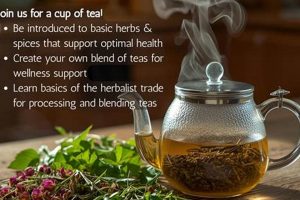
Infusions, often referred to as herbal teas, involve steeping dried or fresh plant material in hot water. This method is particularly suitable for extracting water-soluble compounds such as flavonoids and polysaccharides. The temperature and steeping time significantly affect the extraction efficiency. Over-steeping can release bitter compounds, while insufficient steeping may result in inadequate extraction of active constituents. The resulting infusion is typically consumed hot to provide soothing relief for sore throats and promote hydration.
- Decoctions
Decoctions involve simmering plant material in water for an extended period. This method is generally used for extracting compounds from tougher plant parts, such as roots, bark, and seeds. The prolonged heating process helps to break down cell walls and release active constituents that may not be readily extracted through infusion. Decoctions are often more concentrated than infusions and may require careful dosage adjustments. An example includes preparing licorice root to ease a cough.
- Tinctures
Tinctures are alcoholic extracts of plant material. Alcohol serves as an effective solvent for extracting a wide range of compounds, including resins, alkaloids, and essential oils. Tinctures typically have a longer shelf life than aqueous preparations and can be easily administered in small doses. The alcohol concentration used in the extraction process affects the solubility of different constituents. Tinctures are often diluted in water or juice before consumption and should be avoided by individuals with alcohol sensitivities or contraindications.
- Syrups
Syrups combine botanical extracts with a sweetening agent, such as honey or sugar. This method is often used to improve the palatability of remedies, particularly for children. Syrups can be prepared using either infusions, decoctions, or tinctures as a base. The sweetening agent also possesses its own therapeutic properties, such as the demulcent effect of honey, which can soothe irritated mucous membranes. The concentration of the botanical extract and the sugar content should be carefully controlled to ensure optimal efficacy and safety.
In summary, the selection of an appropriate preparation method for botanical remedies requires careful consideration of the plant material, the desired therapeutic compounds, and individual patient factors. Improper preparation can compromise the effectiveness and safety of the resulting product. Therefore, adherence to established protocols and guidance from qualified herbalists or healthcare professionals is essential for maximizing the benefits of botanical interventions for managing symptoms associated with upper respiratory infections. Furthermore, the choice of preparation method can influence storage and stability, adding another layer of complexity to their utilization.
Frequently Asked Questions Regarding Botanical Approaches to Cold Symptom Management
The following section addresses common inquiries concerning the use of plant-derived remedies for alleviating symptoms associated with upper respiratory infections. It provides evidence-based information intended to clarify misconceptions and guide informed decision-making.
Question 1: Are botanical preparations universally safe for all individuals?
Botanical preparations are not inherently safe for all individuals. Specific populations, such as pregnant women, breastfeeding mothers, children, and those with pre-existing medical conditions or allergies, require particular caution. Consultation with a healthcare professional is essential to assess individual risks and potential contraindications.
Question 2: How does the efficacy of botanical remedies compare to that of conventional pharmaceuticals?
The efficacy of botanical remedies varies depending on the specific plant species, preparation method, and the symptom being addressed. While some botanical interventions have demonstrated comparable efficacy to conventional treatments in clinical trials, others lack robust scientific evidence. Direct comparisons are further complicated by variations in product quality and standardization.
Question 3: Can botanical preparations interact with prescription medications?
Significant interactions can occur between botanical remedies and conventional pharmaceuticals. Certain plant constituents can alter drug metabolism, absorption, or excretion, leading to increased or decreased drug concentrations. Concurrent use of St. John’s Wort and selective serotonin reuptake inhibitors (SSRIs), for example, can increase the risk of serotonin syndrome. Individuals should inform their healthcare providers about all medications and supplements they are taking to minimize potential interactions.
Question 4: What measures should be taken to ensure the quality of botanical products?
Ensuring the quality of botanical products necessitates careful attention to sourcing, manufacturing, and labeling practices. Consumers should prioritize products from reputable manufacturers who adhere to Good Manufacturing Practices (GMP) and provide Certificates of Analysis verifying the identity and purity of the ingredients. Standardized extracts, indicating the concentration of specific bioactive compounds, offer an additional level of assurance.
Question 5: Is traditional use a reliable indicator of efficacy?
While traditional use provides valuable insights into the potential therapeutic properties of botanical substances, it should not be considered definitive evidence of efficacy. Traditional practices are based on empirical observation and may be influenced by cultural factors, placebo effects, and spontaneous remission. Modern clinical trials are necessary to rigorously evaluate the effectiveness of traditional remedies.
Question 6: What are the most common adverse effects associated with botanical cold remedies?
Common adverse effects associated with botanical remedies include allergic reactions, gastrointestinal disturbances, and skin irritation. Specific plants, such as Echinacea, may cause allergic reactions in individuals sensitive to the Asteraceae plant family. Overconsumption of certain botanical preparations can lead to nausea, vomiting, or diarrhea. Topical application of some herbal creams can cause contact dermatitis.
The judicious utilization of botanical approaches requires a comprehensive understanding of potential benefits, risks, and limitations. Informed decision-making, coupled with guidance from qualified healthcare professionals, is essential for safe and effective use.
The subsequent section will summarize key considerations for individuals contemplating the integration of botanical remedies into their cold symptom management plan.
Conclusion
The preceding exploration of herbal cold remedies has underscored the complexities inherent in their utilization. While offering potential benefits in symptom management, these preparations necessitate careful consideration of efficacy, safety, potential interactions, and quality. Traditional use provides a valuable historical context, but it must be critically evaluated alongside modern scientific evidence. The method of preparation significantly impacts the bioavailability and therapeutic effects of active compounds.
Ultimately, responsible integration of herbal cold remedies into a comprehensive wellness plan requires informed decision-making and collaboration with qualified healthcare professionals. A continued emphasis on rigorous research and standardization is essential to further elucidate the potential benefits and risks associated with these botanical interventions, ensuring their safe and effective application in the future.