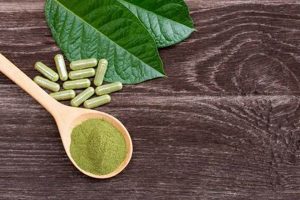
Botanical preparations intended to enhance stamina and reduce fatigue represent a category of products often derived from plants. These formulations are available in various forms, including capsules, tablets, powders, and liquids. A common example includes extracts of Panax ginseng, which is often marketed to combat tiredness and improve mental acuity.
The appeal of these botanical aids stems from the perception that they offer a natural alternative to conventional stimulants. Historically, many cultures have utilized specific plants for their purported revitalizing properties. The potential advantages of incorporating these substances into a wellness regimen include increased physical endurance, improved cognitive function, and a general sense of well-being. However, it is crucial to acknowledge that the efficacy and safety of these preparations are subjects of ongoing scientific investigation.
Further examination will address the specific types of botanical ingredients frequently encountered in energy-enhancing products, the mechanisms by which they are theorized to function, potential risks and side effects associated with their use, and critical considerations for consumers seeking to incorporate them into their lifestyle.
Considerations for Selecting Botanical Energy Enhancers
The following points offer guidance when considering the incorporation of plant-derived formulations intended to promote vitality into one’s routine. Prudent decision-making is essential.
Tip 1: Consult with a Healthcare Professional: Prior to initiating any new regimen, engage in a discussion with a qualified healthcare provider. This consultation is crucial to ascertain the suitability of the product given one’s individual health status and any pre-existing conditions or medications.
Tip 2: Research Ingredients Thoroughly: Exercise due diligence in understanding the composition of the product. Investigate the scientific evidence supporting the efficacy of each ingredient and be aware of potential interactions or contraindications.
Tip 3: Prioritize Quality and Reputable Brands: Opt for products manufactured by established and reputable companies that adhere to stringent quality control standards. Look for certifications from independent third-party organizations that verify purity and potency.
Tip 4: Adhere to Recommended Dosages: Scrupulously follow the dosage instructions provided on the product label. Exceeding the recommended amount does not necessarily enhance benefits and may increase the risk of adverse effects.
Tip 5: Monitor for Adverse Reactions: Pay close attention to any unusual symptoms or changes in health status following the initiation of the product. Discontinue use immediately and seek medical attention if concerning reactions arise.
Tip 6: Consider Potential Interactions: Be cognizant of potential interactions with prescription medications, over-the-counter drugs, and other supplements. Inform healthcare providers of all substances being consumed.
Tip 7: Be Aware of Product Variability: Recognize that the quality and composition of botanical products can vary significantly between manufacturers and even between batches. Choose brands known for consistency.
By adhering to these guidelines, individuals can make more informed decisions regarding the use of plant-based products designed to foster increased vigor and vitality, minimizing potential risks and maximizing the likelihood of positive outcomes.
The subsequent sections will delve into specific examples of plant-derived components commonly associated with augmented energy levels, providing a more detailed analysis of their purported mechanisms of action and relevant safety considerations.
1. Efficacy Substantiation

Efficacy substantiation represents a critical evaluation of the scientific evidence supporting the purported benefits of botanical products marketed for energy enhancement. Rigorous testing and objective analysis are necessary to determine whether a given substance genuinely delivers the claimed outcomes.
- Randomized Controlled Trials
Randomized controlled trials (RCTs) are considered the gold standard for evaluating the effectiveness of interventions. In the context of botanical vitality supplements, RCTs involve randomly assigning participants to either receive the supplement or a placebo. Outcomes, such as fatigue levels, cognitive performance, or physical endurance, are then compared between the two groups. Positive results from well-designed RCTs provide strong evidence supporting efficacy.
- Meta-Analyses and Systematic Reviews
Meta-analyses and systematic reviews synthesize data from multiple studies to provide a comprehensive overview of the existing evidence. These analyses can help identify consistent trends and assess the overall strength of the evidence supporting the use of a particular botanical substance for boosting energy. They offer a broader perspective than individual studies.
- Standardized Extracts and Dosages
Efficacy studies should utilize standardized extracts of the botanical ingredients. Standardization ensures that each dose contains a consistent amount of the active compounds thought to be responsible for the observed effects. Furthermore, studies must evaluate the effects of various dosages to determine the optimal amount for achieving desired results without causing adverse effects.
- Objective Outcome Measures
Efficacy substantiation relies on objective outcome measures whenever possible. This can include physiological measures such as heart rate variability, hormone levels, or cognitive tests. Subjective measures, such as self-reported energy levels, can also be used, but should be interpreted with caution and ideally be corroborated by objective data. The use of validated scales and questionnaires improves the reliability of subjective assessments.
The strength of evidence supporting the effectiveness of botanical vitality supplements varies considerably. While some substances have been studied extensively and show promising results in well-designed trials, others lack robust scientific support. Consumers must critically evaluate the available evidence and consult with healthcare professionals to make informed decisions about the use of these products. Products with little to no evidence behind their name are more likely to just be sugar pill than a energy booster.
2. Safety Profiles

Evaluating the safety profiles of botanical preparations intended to enhance energy levels is paramount. A thorough understanding of potential adverse effects, contraindications, and interactions is crucial for informed and responsible utilization. The inherent assumption that natural equates to safe is erroneous and necessitates rigorous scrutiny.
- Potential Adverse Effects
Botanical substances, like any bioactive compound, may elicit adverse reactions in susceptible individuals. These effects can range from mild gastrointestinal distress to more severe cardiovascular or neurological complications. For instance, excessive consumption of guarana, a source of caffeine, may result in anxiety, insomnia, and palpitations. The presence of aristolochic acids in certain herbal products has been linked to nephrotoxicity. A comprehensive safety profile must delineate potential adverse effects, their frequency, and the populations most vulnerable.
- Drug Interactions
Botanical ingredients can interact with prescription medications, over-the-counter drugs, and other supplements, potentially altering their efficacy or increasing the risk of adverse events. For example, St. John’s Wort, often promoted for mood enhancement, can induce hepatic enzymes, reducing the effectiveness of certain medications, including oral contraceptives and anticoagulants. Comprehensive safety assessments must identify potential drug interactions and provide guidance on avoiding these combinations.
- Contraindications
Specific health conditions or physiological states may render certain botanical energy supplements unsafe. For instance, individuals with hypertension or cardiovascular disease should exercise caution when using stimulants such as ginseng or green tea extract. Pregnancy and lactation represent periods of heightened vulnerability, and the use of many botanical products is contraindicated due to the potential for fetal or infant harm. Safety profiles must explicitly state contraindications and provide rationale for their inclusion.
- Dosage-Related Toxicity
The safety of botanical substances is often dose-dependent. While low doses may be well-tolerated, excessive consumption can lead to toxic effects. For example, high doses of yohimbine, a botanical extract marketed for weight loss and sexual enhancement, have been associated with anxiety, hypertension, and arrhythmias. Safety profiles must clearly define recommended dosages and upper limits, as well as the potential consequences of exceeding these thresholds.
The aforementioned facets of safety profiles are interconnected and essential for comprehensive risk assessment. The absence of rigorous safety data for many botanical energy aids underscores the need for caution and informed decision-making. The presence of contaminants, adulterants, or inconsistencies in product formulation can further compromise safety. Consumers must prioritize products from reputable manufacturers that adhere to stringent quality control standards and engage in thorough safety testing. Consultation with a qualified healthcare professional is strongly recommended prior to initiating any botanical energy supplement regimen.
3. Quality Control

The integrity of plant-derived preparations marketed for energy enhancement hinges directly on stringent quality control measures. Deficiencies in quality control can introduce contaminants, result in inaccurate ingredient concentrations, and ultimately compromise product safety and efficacy. The potential consequences range from adverse health effects to the failure to achieve the desired revitalizing outcome. In essence, robust quality control is not merely a desirable attribute, but a fundamental necessity for safeguarding consumer well-being and ensuring that botanical vitality products meet established standards.
The absence of rigorous monitoring throughout the supply chain, from cultivation and harvesting to manufacturing and packaging, presents significant risks. For example, heavy metal contamination in improperly sourced botanical ingredients can lead to neurotoxicity and other health problems. Similarly, misidentification of plant species or adulteration with synthetic stimulants can expose consumers to unintended and potentially harmful substances. Reputable manufacturers implement comprehensive quality control protocols, including testing for contaminants, verifying ingredient identity through chromatographic analysis, and ensuring accurate labeling of product composition. Furthermore, adherence to Good Manufacturing Practices (GMP) provides a framework for maintaining consistent quality and preventing errors during the manufacturing process.
The impact of quality control extends beyond individual product safety. Consistent quality control contributes to the credibility and trustworthiness of the entire botanical vitality supplement industry. By prioritizing rigorous testing and transparent labeling practices, manufacturers can foster consumer confidence and promote the responsible use of plant-derived preparations for energy enhancement. Conversely, instances of substandard quality control erode consumer trust and may lead to regulatory action. Therefore, a commitment to quality control is not only an ethical imperative but also a strategic imperative for long-term sustainability and success in this market sector.
4. Dosage Guidelines

Appropriate dosage represents a critical determinant of both the safety and efficacy of botanical preparations intended to enhance energy levels. The relationship between dosage and effect is often non-linear; that is, increasing the dose does not necessarily translate into a proportional increase in benefit, and may instead elevate the risk of adverse effects. Therefore, adherence to established dosage guidelines is paramount for optimizing outcomes and minimizing potential harm.
- Individual Variability
Individual factors such as age, body weight, metabolism, and pre-existing health conditions can significantly influence the appropriate dosage of botanical substances. A dosage that is safe and effective for one individual may be either ineffective or potentially harmful to another. Therefore, it is essential to consider individual variability when determining the appropriate dose. Consultation with a qualified healthcare professional can help to tailor dosage recommendations to individual needs and circumstances.
- Standardized Extracts
The potency of botanical ingredients can vary considerably depending on factors such as plant species, growing conditions, and extraction methods. To ensure consistent and predictable effects, it is preferable to utilize standardized extracts, which contain a specified concentration of active compounds. Dosage guidelines should be based on the standardized extract, rather than the crude herb, to minimize variability and ensure accurate dosing. Clear labeling of the concentration of active compounds is essential for informed decision-making.
- Titration and Monitoring
In some cases, it may be advisable to initiate botanical energy supplementation with a low dose and gradually increase the dose over time, a process known as titration. This approach allows individuals to assess their tolerance to the substance and identify the minimum effective dose. Regular monitoring of symptoms and vital signs is also important, particularly when initiating or adjusting the dosage. Any adverse effects should be promptly reported to a healthcare professional.
- Synergistic Effects and Interactions
Combining multiple botanical ingredients may result in synergistic effects, where the combined effect is greater than the sum of the individual effects. This can alter the appropriate dosage of each ingredient. Furthermore, botanical substances can interact with prescription medications, over-the-counter drugs, and other supplements, potentially increasing or decreasing their effects. It is crucial to consider potential synergistic effects and interactions when determining the appropriate dosage of botanical energy supplements, and to consult with a healthcare professional to ensure safety and efficacy.
The judicious application of dosage guidelines, informed by an understanding of individual variability, standardized extracts, titration strategies, and potential interactions, is crucial for maximizing the benefits and minimizing the risks associated with plant-derived preparations intended to enhance energy levels. A collaborative approach involving consumers and healthcare professionals is essential for safe and effective utilization.
5. Potential Interactions
The intersection of botanical energy supplements and conventional pharmaceuticals presents a complex landscape of potential interactions. These interactions can significantly alter the therapeutic effects of medications, exacerbate side effects, or even render treatments ineffective. A thorough understanding of these possibilities is essential for individuals considering the concurrent use of botanical vitality aids and prescription or over-the-counter drugs.
- Pharmacokinetic Interactions
Pharmacokinetic interactions involve alterations in the absorption, distribution, metabolism, or excretion of drugs due to the presence of botanical substances. For instance, St. John’s Wort, commonly used for mood enhancement, is a potent inducer of hepatic cytochrome P450 enzymes. This induction can accelerate the metabolism of numerous medications, including oral contraceptives, anticoagulants, and certain antidepressants, potentially reducing their efficacy and necessitating dosage adjustments. Similarly, grapefruit juice, though not strictly an herbal supplement, exemplifies how natural substances can inhibit drug metabolism, leading to elevated drug concentrations and an increased risk of adverse events.
- Pharmacodynamic Interactions
Pharmacodynamic interactions occur when botanical ingredients and drugs affect the same physiological systems, resulting in additive or antagonistic effects. For example, combining stimulant herbs such as guarana or ginseng with prescription stimulants like methylphenidate can potentiate cardiovascular effects, leading to increased heart rate, blood pressure, and risk of arrhythmias. Conversely, combining sedative herbs like valerian root with benzodiazepines can amplify central nervous system depression, causing excessive drowsiness and impaired cognitive function. Such interactions underscore the importance of carefully considering the combined effects of botanical preparations and conventional medications.
- Interactions with Anticoagulants and Antiplatelet Agents
Certain botanical supplements, such as garlic, ginger, and ginkgo biloba, possess inherent antiplatelet or anticoagulant properties. Concurrent use of these supplements with anticoagulant medications like warfarin or antiplatelet drugs like aspirin or clopidogrel can increase the risk of bleeding complications. Patients undergoing surgery or dental procedures should be particularly cautious and should inform their healthcare providers of all botanical supplements being consumed to minimize the risk of perioperative bleeding.
- Impact on Glucose Control
Some botanical substances, including cinnamon and ginseng, have demonstrated potential effects on glucose metabolism. While these effects may be beneficial for individuals with impaired glucose tolerance or type 2 diabetes, concurrent use of these supplements with antidiabetic medications can increase the risk of hypoglycemia (low blood sugar). Patients with diabetes should closely monitor their blood glucose levels and adjust their medication dosages as needed when incorporating botanical vitality supplements into their regimen.
The potential for interactions between botanical energy aids and conventional pharmaceuticals is multifaceted and can significantly impact patient safety and treatment outcomes. Therefore, individuals considering the concurrent use of these substances should engage in open communication with their healthcare providers, providing a comprehensive list of all medications, supplements, and herbal remedies being consumed. This collaborative approach allows for a thorough assessment of potential interactions and the implementation of appropriate strategies to mitigate risks and optimize therapeutic outcomes.
Frequently Asked Questions Regarding Botanical Energy Supplements
The following section addresses common inquiries and concerns pertaining to the use of plant-derived products intended to enhance vitality and combat fatigue.
Question 1: Are botanical energy supplements regulated by governmental agencies?
In many jurisdictions, botanical energy supplements are classified as dietary supplements, which are subject to less stringent regulatory oversight compared to pharmaceuticals. Manufacturers are responsible for ensuring the safety and accuracy of product labeling, but pre-market approval is generally not required. The absence of rigorous regulatory oversight necessitates due diligence on the part of consumers when selecting and utilizing these products.
Question 2: Can botanical energy supplements replace conventional medical treatment for fatigue?
Botanical energy supplements should not be considered a substitute for conventional medical treatment for persistent or debilitating fatigue. Fatigue can be a symptom of underlying medical conditions, such as anemia, thyroid disorders, or depression, which require proper diagnosis and management by a qualified healthcare professional. Botanical supplements may offer adjunctive support, but should not be used as a primary treatment modality without medical supervision.
Question 3: How can one assess the quality of a botanical energy supplement?
Assessing the quality of a botanical energy supplement requires careful scrutiny of the manufacturer’s practices and product specifications. Look for products manufactured by reputable companies that adhere to Good Manufacturing Practices (GMP) and provide third-party certifications of purity and potency. Examine the product label for clear identification of ingredients, standardized extracts, and dosage recommendations. Avoid products with vague or unsubstantiated claims.
Question 4: Are there specific populations who should avoid botanical energy supplements?
Certain populations should exercise caution or avoid botanical energy supplements altogether. Pregnant and breastfeeding women, individuals with pre-existing medical conditions (such as cardiovascular disease, hypertension, or diabetes), and those taking prescription medications should consult with a healthcare professional before using these products. Children and adolescents should generally avoid botanical energy supplements unless specifically recommended by a pediatrician.
Question 5: How quickly should one expect to experience the effects of a botanical energy supplement?
The onset of effects from botanical energy supplements can vary depending on the individual, the specific ingredients, and the dosage. Some individuals may experience noticeable effects within a few days, while others may require several weeks of consistent use to observe any tangible benefits. It is important to manage expectations and recognize that botanical supplements are not a quick fix for fatigue. A holistic approach encompassing adequate sleep, a balanced diet, and regular exercise is crucial for sustained vitality.
Question 6: What are the potential long-term effects of using botanical energy supplements?
The long-term effects of using botanical energy supplements remain a subject of ongoing scientific investigation. While some botanical substances have a long history of traditional use, rigorous studies evaluating their long-term safety and efficacy are often lacking. Prudent utilization involves cycling use (i.e., taking breaks) and monitoring for any adverse effects. Consultation with a healthcare professional is recommended to assess the potential risks and benefits of long-term use.
In summary, a discerning approach is paramount when considering the use of plant-based substances intended to promote vigor. Consulting healthcare professionals, researching product details, and understanding personal risk factors are vital steps.
The next section will provide specific examples of plant-derived components commonly associated with augmented energy levels, providing a more detailed analysis of their purported mechanisms of action and relevant safety considerations.
Concluding Remarks on Herbal Supplements for Energy
This exposition has explored various facets of herbal supplements for energy, encompassing efficacy substantiation, safety profiles, quality control considerations, dosage guidelines, and potential interactions. It is evident that the domain of plant-derived vitality aids presents a nuanced landscape demanding careful assessment. The reviewed information underscores the critical need for informed decision-making grounded in scientific evidence and professional medical guidance.
The responsible utilization of botanical energy enhancements hinges on a commitment to comprehensive research, rigorous product evaluation, and open communication with healthcare providers. As ongoing scientific investigations further elucidate the potential benefits and risks associated with these preparations, a continued emphasis on quality control and transparent labeling will be essential for safeguarding consumer well-being and promoting the judicious integration of herbal supplements for energy into broader wellness strategies.