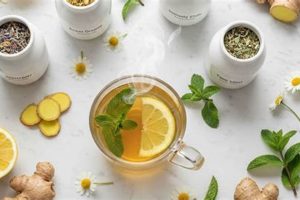
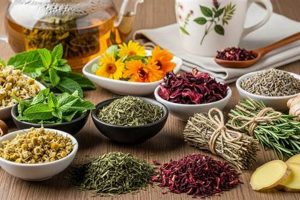
The process of preparing a beverage from infused herbs involves steeping plant material in hot water. This extraction method yields a flavorful and aromatic drink, distinct from traditional teas derived from the Camellia sinensis plant. The term encompasses a diverse range of infusions made from flowers, leaves, roots, seeds, and barks.
Herbal infusions offer potential health benefits, depending on the specific herbs used. Historically, these preparations have been employed for medicinal purposes across various cultures. Their consumption can contribute to relaxation, hydration, and the delivery of beneficial plant compounds.
The subsequent sections will detail the steps involved in creating a satisfying herbal infusion, exploring factors such as herb selection, water temperature, steeping time, and potential additions to enhance the flavor profile. Considerations for both fresh and dried herbs will be addressed.
Essential Considerations for Herbal Infusion Preparation
Achieving optimal flavor and benefits from herbal infusions requires attention to several key details. These guidelines provide a framework for successful preparation.
Tip 1: Source High-Quality Herbs: The potency and flavor of the infusion are directly related to the quality of the herbs. Opt for organic, reputable sources whenever possible to minimize exposure to pesticides and ensure freshness. Examine the herbs for vibrant color and aroma.
Tip 2: Select Appropriate Water Temperature: Boiling water can damage delicate herbs and result in a bitter taste. A temperature range of 200-212F (93-100C) is suitable for most robust herbs, while more delicate herbs, such as chamomile or lavender, benefit from slightly cooler water around 175-185F (80-85C).
Tip 3: Adhere to Proper Steeping Time: Steeping time influences the strength and flavor of the infusion. Generally, 5-10 minutes is sufficient for most herbs. Longer steeping times can lead to bitterness, while shorter times may result in a weak flavor. Experimentation is encouraged to determine individual preferences.
Tip 4: Utilize an Appropriate Infusion Vessel: Select a vessel that is non-reactive and heat-resistant. Glass, ceramic, or stainless steel are ideal choices. Avoid aluminum or plastic, as these materials can leach into the infusion.
Tip 5: Strain Thoroughly: After steeping, strain the infusion through a fine-mesh strainer or cheesecloth to remove any plant material. This prevents the infusion from becoming overly bitter and ensures a smooth drinking experience.
Tip 6: Consider Blending Herbs: Combining different herbs can create complex and nuanced flavor profiles. Research complementary herbs and experiment with various combinations to discover unique blends that suit individual tastes and needs.
Tip 7: Adjust for Fresh vs. Dried Herbs: Fresh herbs typically require a larger quantity than dried herbs due to their higher water content. As a general guideline, use approximately twice the amount of fresh herbs as dried herbs.
By adhering to these guidelines, individuals can consistently produce flavorful and beneficial herbal infusions. Attention to detail ensures a satisfying and enjoyable experience.
The following section will address specific herbal varieties and their corresponding preparation recommendations.
1. Herb Selection

Herb selection is paramount in crafting a tailored herbal infusion. The choice of herbs directly impacts the flavor profile, potential therapeutic effects, and overall character of the resulting beverage. Understanding the nuances of different herbs is essential for a successful preparation.
- Flavor Profile
Each herb possesses a distinct flavor profile, ranging from floral and sweet to earthy and bitter. Chamomile offers a gentle, floral sweetness, while peppermint provides a refreshing, minty coolness. The selection of herbs should align with the desired taste, creating a pleasant and palatable drinking experience. Blending herbs with complementary flavor notes can further enhance the complexity of the infusion.
- Therapeutic Properties
Many herbs are valued for their potential health benefits. Lavender is often associated with relaxation and stress reduction, while ginger is known for its anti-inflammatory properties. Selecting herbs with specific therapeutic properties allows for the creation of infusions tailored to individual wellness goals. However, it is crucial to research the potential effects and interactions of herbs before consumption, especially for individuals with pre-existing health conditions or those taking medications.
- Fresh vs. Dried Herbs
The choice between fresh and dried herbs influences the potency and flavor intensity of the infusion. Fresh herbs generally offer a brighter, more delicate flavor, while dried herbs provide a more concentrated and intense taste. The quantity of herbs used should be adjusted accordingly, with fresh herbs typically requiring a larger quantity than dried herbs to achieve the desired flavor strength. Furthermore, the availability of certain herbs may vary depending on the season, influencing the selection process.
- Origin and Quality
The origin and quality of herbs significantly affect the overall quality of the infusion. Herbs grown in optimal conditions and harvested at the peak of their potency will yield a more flavorful and beneficial beverage. Sourcing herbs from reputable suppliers who prioritize organic and sustainable practices helps ensure the purity and efficacy of the final product. Inspecting the herbs for vibrant color, aroma, and the absence of contaminants is crucial for selecting high-quality ingredients.
Ultimately, thoughtful herb selection is integral to creating a satisfying and effective herbal infusion. By considering flavor profiles, therapeutic properties, fresh versus dried options, and origin/quality, individuals can craft beverages that align with their preferences and wellness goals. The diversity of available herbs offers a vast landscape for experimentation and customization, allowing for the creation of unique and personalized herbal tea experiences.
2. Water Temperature

Water temperature is a critical factor influencing the extraction of flavor and beneficial compounds from herbs during infusion. Its precise control is essential for optimizing the final beverage and avoiding undesirable characteristics.
- Extraction Efficiency
Elevated water temperatures facilitate the efficient extraction of soluble compounds from plant material. The kinetic energy imparted by hotter water increases the rate at which these compounds dissolve and diffuse into the liquid, resulting in a more concentrated infusion. However, excessively high temperatures can also degrade volatile aromatic compounds and extract undesirable bitter substances.
- Herb-Specific Considerations
Different herbs possess varying sensitivities to heat. Delicate floral herbs, such as chamomile and lavender, benefit from lower water temperatures to preserve their subtle aromas and prevent bitterness. More robust herbs, such as ginger and cinnamon, can withstand higher temperatures, allowing for a more complete extraction of their pungent flavors and medicinal properties. Utilizing water temperatures tailored to the specific herb is crucial for achieving optimal results.
- Impact on Flavor Profile
Water temperature significantly alters the resulting flavor profile of the infusion. Overheating water can scorch delicate herbs, leading to a bitter or astringent taste. Conversely, using water that is too cool may result in a weak and underwhelming flavor. Maintaining the appropriate water temperature ensures a balanced and nuanced flavor profile that accurately reflects the characteristics of the selected herbs.
- Influence on Compound Stability
Certain beneficial compounds found in herbs are sensitive to heat and can degrade at high temperatures. For example, volatile oils, which contribute to the aroma and therapeutic properties of many herbs, can evaporate or break down when exposed to excessively hot water. Lowering the water temperature helps to preserve these delicate compounds, maximizing the potential health benefits of the infusion.
The careful management of water temperature is therefore integral to the successful preparation of herbal infusions. By understanding the specific requirements of different herbs and the impact of temperature on extraction efficiency, flavor profile, and compound stability, individuals can craft beverages that are both flavorful and beneficial. Precise temperature control allows for a nuanced and tailored approach to herbal tea preparation, resulting in a superior drinking experience.
3. Steeping Time

Steeping time is a critical determinant in the overall quality and characteristics of herbal infusions. As a core component of the preparation process, steeping time directly influences the extraction of flavor compounds, aromatic oils, and potentially bioactive substances from the selected herbs. Inadequate steeping yields a weak, underdeveloped infusion, lacking the intended depth of flavor and potential therapeutic benefits. Conversely, excessive steeping can result in a bitter, astringent beverage, as undesirable compounds are extracted from the plant material. Therefore, precise control over steeping time is essential for achieving a balanced and palatable herbal infusion. For example, chamomile flowers steeped for an extended period release compounds that impart a bitter taste, negating their intended calming effect. In contrast, rooibos requires a longer steeping duration to fully release its characteristic earthy flavor and antioxidants.
The optimal steeping time varies depending on the specific herb or herbal blend being used. Delicate herbs, such as mint or lemon balm, generally require shorter steeping times (3-5 minutes) to prevent over-extraction of bitter compounds. More robust herbs, such as ginger or turmeric, can withstand longer steeping times (5-10 minutes) to fully release their flavors and beneficial constituents. Practical application of this understanding involves careful observation of the infusion’s color and aroma during the steeping process. A deepening color and increasingly pronounced aroma are indicators of active extraction. Taste-testing the infusion at regular intervals allows for adjustments to the steeping time, ensuring the desired flavor profile is achieved. This iterative process enhances the precision and consistency of herbal tea preparation.
In summary, steeping time represents a crucial variable in herbal infusion preparation. Its careful manipulation is essential for optimizing flavor, aroma, and potential therapeutic benefits. Challenges in mastering steeping time often stem from a lack of understanding of individual herb characteristics and a failure to actively monitor the infusion process. By considering these challenges and adopting a systematic approach to steeping, individuals can consistently produce high-quality herbal infusions that meet their specific preferences and needs. A deeper understanding of steeping time fosters a more nuanced and rewarding experience with herbal teas.
4. Herb Quantity

The quantity of herbs used in an infusion directly dictates the strength, flavor intensity, and potential therapeutic efficacy of the final beverage. Precise measurement and an understanding of herb potency are crucial to achieving a desired outcome in preparing herbal tea.
- Flavor Concentration
Increasing the amount of herb directly correlates to a more pronounced flavor profile. A scant quantity may result in a weak, watery tea lacking discernible characteristics. Conversely, excessive herb usage can lead to an overpowering and potentially unpalatable brew. The relationship is not always linear; certain herbs, such as licorice root, can become overwhelmingly sweet even in relatively small quantities, highlighting the need for careful calibration.
- Extraction Efficiency
The ratio of herb to water influences the efficiency of compound extraction. Insufficient herb mass may fail to saturate the water adequately, resulting in incomplete extraction of beneficial constituents. Conversely, an excessive herb quantity can hinder water circulation, limiting the interaction between solvent and plant material, ultimately reducing extraction efficiency. A balanced ratio is critical for maximizing the yield of desired compounds.
- Fresh vs. Dried Herb Adjustment
Fresh herbs typically contain a higher water content than their dried counterparts. Therefore, a larger quantity of fresh herbs is generally required to achieve a comparable flavor intensity and therapeutic effect. As a general guideline, approximately twice the volume of fresh herbs is needed when substituting for dried herbs. Failure to adjust the quantity based on herb form can lead to significant discrepancies in the final product’s potency.
- Individual Herb Potency
Different herbs exhibit varying levels of potency, even within the same form (fresh or dried). Factors such as growing conditions, harvesting practices, and storage methods can influence the concentration of active compounds. An experienced practitioner understands the relative potency of different herbs and adjusts the quantity accordingly. For instance, a teaspoon of dried peppermint may impart a significantly stronger flavor than a teaspoon of dried chamomile, necessitating careful consideration of each herb’s individual characteristics.
Ultimately, mastering the art of herbal infusion requires a nuanced understanding of herb quantity. Experimentation, careful measurement, and an awareness of individual herb characteristics are essential for achieving a balanced and effective herbal tea. The appropriate herb quantity, when combined with optimal water temperature and steeping time, unlocks the full potential of herbal teas.
5. Vessel Material
The choice of vessel material significantly impacts the preparation and quality of herbal infusions. The selected material influences heat retention, chemical reactivity, and ultimately, the flavor and safety of the final beverage. Careful consideration of vessel characteristics is essential for optimizing the herbal tea experience.
- Heat Retention and Temperature Stability
Different materials exhibit varying degrees of heat retention. Ceramic and insulated vessels maintain water temperature more effectively than thinner materials like glass or metal. Consistent temperature is vital for uniform extraction of herbal compounds. Rapid temperature fluctuations can lead to uneven extraction and potentially alter the intended flavor profile. For instance, an herbal infusion prepared in a pre-heated ceramic teapot will likely retain heat more consistently than one prepared in a thin glass beaker, resulting in more uniform extraction.
- Chemical Reactivity and Flavor Integrity
Certain materials can react with the chemical constituents of herbs, potentially altering the flavor and introducing undesirable compounds. Reactive metals, such as aluminum, should be avoided due to their propensity to leach into the infusion. Glass, ceramic, and stainless steel are generally inert and do not interact with herbal components, preserving the intended flavor. The use of a stainless steel infuser, as opposed to an aluminum one, helps maintain flavor integrity and safety.
- Potential for Contamination and Cleanliness
Porous materials, such as some plastics, can absorb flavors and odors from previous infusions, potentially contaminating subsequent preparations. They may also be more difficult to clean thoroughly, increasing the risk of bacterial growth. Non-porous materials like glass and stainless steel are easier to clean and less prone to retaining residual flavors, promoting hygiene and preserving the purity of each herbal tea. A glass teapot with a smooth surface facilitates easy cleaning, minimizing the risk of lingering flavors from previous herbal infusions.
- Light Exposure and Herbal Degradation
Exposure to light can degrade certain light-sensitive compounds in herbs, diminishing their potency and altering their flavor. Opaque vessels offer protection from light exposure, helping to preserve the integrity of the herbal infusion. Clear glass vessels, while aesthetically pleasing, allow light penetration and may not be suitable for steeping infusions containing particularly sensitive herbs. Brewing a light-sensitive herbal blend in a dark ceramic pot helps prevent degradation of its beneficial compounds.
Selecting an appropriate vessel material is thus an integral step in the preparation of quality herbal tea. By considering heat retention, chemical reactivity, potential for contamination, and light exposure, one can optimize the extraction process and ensure a flavorful, safe, and beneficial herbal infusion. The choice of material contributes directly to the overall quality and enjoyment of the beverage, enhancing the herbal tea experience.
Frequently Asked Questions
This section addresses common inquiries regarding the preparation of herbal infusions, offering guidance for achieving optimal flavor and benefits.
Question 1: Is boiling water always necessary for herbal tea?
No, boiling water is not universally recommended. Delicate herbs, such as chamomile or lavender, benefit from water temperatures ranging from 175-185F (80-85C) to prevent bitterness and preserve volatile oils. Robust herbs, like ginger or cinnamon, can withstand hotter water around 200-212F (93-100C).
Question 2: How long should herbal tea be steeped?
Steeping time varies depending on the specific herb. Generally, 5-10 minutes is sufficient for most herbal infusions. Shorter steeping times may result in a weak flavor, while longer times can lead to bitterness. Experimentation is encouraged to determine individual preferences. However, consulting specific herb guidelines is crucial, as some, like rooibos, benefit from longer steeping durations.
Question 3: Can fresh and dried herbs be used interchangeably?
Yes, fresh and dried herbs can be used interchangeably, but adjustments in quantity are necessary. Fresh herbs typically require a larger quantity due to their higher water content. A general guideline suggests using approximately twice the amount of fresh herbs as dried herbs.
Question 4: What is the best material for an herbal tea infuser?
Stainless steel is generally considered the best material for an herbal tea infuser. It is non-reactive, durable, and easy to clean. Avoid aluminum or plastic infusers, as these materials can leach into the infusion and potentially affect the flavor and safety of the beverage.
Question 5: How should herbal tea be stored?
Herbal infusions are best consumed immediately after preparation. If storage is necessary, refrigerate the infusion in an airtight container for up to 24 hours. Extended storage can lead to flavor degradation and potential bacterial growth. Reheating is possible, but may further diminish delicate flavor notes.
Question 6: Are there any risks associated with drinking herbal tea?
While generally safe, certain herbs can interact with medications or pose risks to individuals with specific health conditions. Pregnant or breastfeeding individuals should exercise caution and consult a healthcare professional before consuming certain herbal infusions. Thorough research regarding the potential effects and interactions of specific herbs is essential prior to consumption.
In summary, preparing quality herbal infusions requires attention to water temperature, steeping time, herb quantity, and vessel material. Understanding these factors enables individuals to create flavorful and beneficial beverages tailored to their specific preferences.
The following section will delve into considerations for specific types of herbal infusions, providing further guidance for optimal preparation.
Conclusion
This discourse has explored the multifaceted process of how do you make herbal tea, emphasizing the critical elements of herb selection, water temperature management, steeping time optimization, herb quantity calibration, and appropriate vessel material choice. A thorough understanding of these variables is essential for achieving consistent and desirable outcomes in herbal infusion preparation. Achieving optimal extraction of flavor and beneficial compounds relies on a discerning approach to each stage of the process.
The principles outlined herein provide a foundation for informed experimentation and refinement of individual techniques. Continued exploration of diverse herbal varieties and careful observation of their unique characteristics will enhance the practitioner’s ability to craft tailored infusions for both enjoyment and potential therapeutic benefit. The art of herbal infusion is one of continuous learning and refinement.