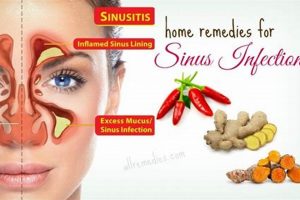
Plant-derived treatments aimed at alleviating the discomfort and congestion associated with sinus inflammation are a common approach to managing sinus pressure. These treatments often involve herbs possessing anti-inflammatory, decongestant, or antimicrobial properties, administered through various methods like teas, steam inhalation, or topical applications. For example, using eucalyptus oil in a steam bath is believed to help clear nasal passages.
The utilization of botanical therapies for sinus-related issues has a long history in traditional medicine systems worldwide. Many cultures have developed intricate knowledge of plants and their applications in respiratory health. The potential benefits of these approaches include reduced reliance on synthetic medications, accessibility of natural resources, and a holistic approach that considers the body’s self-healing capabilities. However, it’s important to note that scientific evidence supporting the efficacy of all such approaches may vary.
The following sections will delve into specific botanical options often considered for sinus discomfort, exploring their purported mechanisms of action and outlining considerations for safe and effective usage. These considerations are important for choosing the correct method of treatment and maintaining healthy sinus functions.
Considerations for Botanical Approaches to Sinus Pressure
Effective use of plant-based interventions for sinus pressure requires careful consideration of several factors to maximize benefit and minimize potential risks.
Tip 1: Identify Underlying Causes: Sinus pressure can stem from various factors, including allergies, infections, or structural issues. Determining the root cause is critical to selecting appropriate botanical remedies and addressing underlying problems effectively.
Tip 2: Research Specific Herbs: Conduct thorough research on the properties and potential side effects of each botanical agent. Understand its traditional uses, known active compounds, and any available scientific studies related to sinus health.
Tip 3: Prioritize Quality Sourcing: Obtain herbal remedies from reputable sources to ensure purity, potency, and accurate identification of plant species. Adulteration and misidentification are potential concerns with unregulated herbal products.
Tip 4: Begin with Low Doses: Initiate treatment with low doses to assess individual tolerance and sensitivity. Gradually increase the dosage as needed, monitoring for any adverse reactions.
Tip 5: Consider Delivery Methods: Different delivery methods, such as teas, tinctures, steam inhalations, or nasal washes, may impact the efficacy and safety of botanical remedies. Choose the method best suited to the specific herb and individual needs.
Tip 6: Consult with a Qualified Healthcare Professional: Always seek advice from a qualified healthcare professional, such as a physician or herbalist, before initiating any new herbal regimen, especially if you have underlying health conditions or are taking medications.
Tip 7: Monitor for Allergic Reactions: Be vigilant for signs of allergic reactions, such as skin rashes, itching, swelling, or difficulty breathing. Discontinue use immediately if any adverse reactions occur.
These guidelines promote the safe and informed integration of botanical strategies into sinus pressure management, emphasizing the importance of research, quality control, and professional consultation.
The subsequent sections will provide a summary of the key findings and considerations highlighted throughout this discussion.
1. Anti-inflammatory Properties

The presence of anti-inflammatory properties in specific botanical agents is a critical consideration when evaluating herbal approaches to mitigate sinus pressure. Inflammation is a key component of sinusitis, contributing to swelling, congestion, and discomfort. Therefore, herbs with the ability to modulate inflammatory pathways offer a potential avenue for symptom relief.
- Reduction of Sinus Tissue Swelling
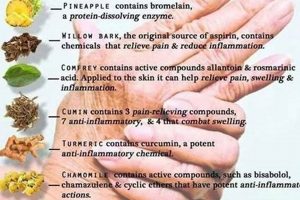
Anti-inflammatory herbs may reduce the swelling of sinus tissues, creating more space for drainage and airflow. This can lead to a decrease in sinus pressure and improved breathing. For example, compounds like curcumin found in turmeric have demonstrated anti-inflammatory effects in preclinical studies, suggesting potential benefits for reducing sinus inflammation.
- Modulation of Inflammatory Mediators
Certain herbs influence the production and activity of inflammatory mediators, such as cytokines and prostaglandins. By inhibiting the release of these substances, they can potentially dampen the inflammatory response within the sinuses. Ginger, for instance, contains compounds that may inhibit the cyclooxygenase (COX) enzyme, similar to some non-steroidal anti-inflammatory drugs (NSAIDs), though generally with milder effects.
- Support of Immune Function
While seemingly counterintuitive, some anti-inflammatory herbs can also support healthy immune function. By resolving excessive inflammation, these remedies may help the immune system clear infections without causing further tissue damage. Adaptogenic herbs like licorice (used cautiously due to potential side effects) possess immunomodulatory and anti-inflammatory actions, potentially assisting in the recovery from sinus infections.
- Complementary Approach to Conventional Treatments
Anti-inflammatory herbal remedies are often considered as complementary approaches alongside conventional medical treatments for sinusitis. They may potentially reduce the need for higher doses of medications or offer a more natural alternative for individuals seeking long-term management strategies. However, it is crucial to consult with a healthcare professional to ensure compatibility and avoid potential interactions with other treatments.
In conclusion, the anti-inflammatory properties of various botanical agents provide a basis for their use in addressing sinus pressure. By reducing swelling, modulating inflammatory mediators, and supporting immune function, these herbs may offer a valuable complementary approach to conventional treatments. It is essential to acknowledge that scientific evidence supporting the efficacy of all herbal remedies for sinus inflammation varies, and individual responses may differ. Therefore, informed decision-making, involving healthcare professionals, is paramount when exploring these options.
2. Decongestant action

The decongestant action of herbal remedies is a central mechanism by which they aim to alleviate sinus pressure. By reducing nasal congestion and promoting drainage, these remedies address a primary cause of sinus discomfort, facilitating improved airflow and pressure equalization.
- Reduction of Nasal Mucosal Swelling
Certain herbs contain compounds that constrict blood vessels in the nasal passages, leading to reduced swelling of the nasal mucosa. This decreased swelling creates more space for airflow, lessening the sensation of pressure. Examples include eucalyptus and peppermint, whose volatile oils are believed to act as mild vasoconstrictors when inhaled.
- Stimulation of Mucociliary Clearance
Mucociliary clearance is the natural process by which the respiratory tract removes mucus and debris. Some herbal remedies stimulate this process, promoting the expulsion of congested material from the sinuses. For instance, horseradish and mustard contain compounds that are believed to thin mucus and enhance ciliary function, thus aiding in drainage.
- Loosening of Mucus Secretions
Thick, viscous mucus can obstruct sinus passages, increasing pressure. Specific herbs possess mucolytic properties, meaning they can break down and thin mucus secretions, making them easier to expel. Guaifenesin, a common expectorant, is derived from guaiac, a tree whose resin has traditionally been used for respiratory ailments. Similarly, ivy leaf extract has been shown to possess mucolytic properties.
- Indirect Anti-inflammatory Effects
While not directly decongestant, some herbs with anti-inflammatory properties can indirectly contribute to decongestion. By reducing inflammation in the sinus passages, they can minimize swelling and congestion, facilitating drainage. Herbs such as ginger and turmeric may exert this indirect decongestant effect through their modulation of inflammatory pathways.
The decongestant action inherent in certain herbal remedies is a multifaceted mechanism involving vasoconstriction, stimulation of mucociliary clearance, loosening of mucus secretions, and indirect anti-inflammatory effects. The effectiveness of any particular herb may vary depending on individual factors and the specific cause of sinus congestion. Consequently, the use of these remedies should be considered within a broader context of addressing underlying conditions and consulting healthcare professionals.
3. Antimicrobial potential

The antimicrobial potential of specific herbal remedies offers a pertinent avenue for addressing sinus pressure, particularly when bacterial or fungal infections contribute to sinus inflammation. The ability of certain botanicals to inhibit or eliminate microbial pathogens makes them a consideration in managing infectious sinusitis.
- Direct Pathogen Inhibition
Certain herbal extracts contain compounds that directly inhibit the growth or viability of bacteria and fungi commonly implicated in sinus infections. Examples include goldenseal, which contains berberine, a compound with broad-spectrum antimicrobial activity. Similarly, garlic possesses allicin, known for its antibacterial and antifungal properties. These compounds can interfere with microbial cell wall synthesis, DNA replication, or metabolic processes.
- Biofilm Disruption
Microbial biofilms, structured communities of microorganisms encased in a protective matrix, are often resistant to conventional antibiotics and contribute to chronic sinus infections. Some herbal remedies exhibit biofilm-disrupting activity, making pathogens more vulnerable to immune defenses and antimicrobial agents. For example, tea tree oil has demonstrated the ability to disrupt biofilms formed by bacteria such as Staphylococcus aureus, a common cause of sinusitis.
- Immune System Support Against Infection
Beyond direct antimicrobial action, certain herbs support the immune system’s ability to combat sinus infections. Echinacea, for instance, is known to stimulate the production and activity of immune cells, such as macrophages and natural killer cells. This enhanced immune response can help the body eliminate pathogens more effectively, contributing to the resolution of sinus infections and subsequent pressure relief.
- Limiting Antibiotic Resistance
The overuse of antibiotics has led to the rise of antibiotic-resistant bacteria, posing a significant challenge in treating infectious diseases. Herbal remedies with antimicrobial properties can potentially reduce the reliance on antibiotics, thereby mitigating the selective pressure driving antibiotic resistance. While not a complete replacement for antibiotics in severe infections, herbal options may serve as adjunct therapies or be considered in cases where antibiotic resistance is a concern, always under the guidance of a qualified healthcare professional.
The antimicrobial potential exhibited by various herbal remedies provides a rationale for their application in managing sinus pressure when infectious agents are implicated. By directly inhibiting pathogens, disrupting biofilms, supporting immune function, and potentially limiting antibiotic resistance, these botanicals can contribute to comprehensive treatment strategies. It remains crucial to determine the specific cause of sinus pressure, as infections may not always be the primary factor, and to consult with a healthcare provider before initiating any herbal antimicrobial regimen.
4. Method of administration

The method of administration significantly influences the efficacy and safety of botanical treatments for sinus pressure. Delivery pathways determine the rate and extent of absorption, bioavailability of active compounds, and potential for localized or systemic effects. Therefore, selecting an appropriate administration method is crucial for maximizing therapeutic benefits and minimizing adverse reactions.
- Oral Ingestion (Teas, Capsules, Tinctures)
Oral ingestion is a common method for administering herbal remedies. Teas involve infusing herbs in hot water, allowing for the extraction of water-soluble compounds. Capsules contain powdered herbs or extracts, offering a standardized dosage. Tinctures are alcoholic extracts, providing a concentrated form of the herb. Oral ingestion results in systemic absorption via the digestive tract, which can be beneficial for addressing underlying conditions but may also increase the risk of systemic side effects. For example, consuming ginger tea might alleviate sinus pressure by reducing inflammation throughout the body, but could also cause mild gastrointestinal upset in some individuals.
- Inhalation (Steam Inhalation, Nasal Sprays)
Inhalation delivers herbal remedies directly to the nasal passages and sinuses. Steam inhalation involves adding herbs or essential oils to hot water and inhaling the vapor, allowing volatile compounds to penetrate the respiratory tract. Nasal sprays deliver a measured dose of herbal extract directly into the nostrils. This method allows for rapid onset of action and localized effects, minimizing systemic exposure. Eucalyptus oil in steam inhalation, for example, can help clear nasal congestion, but overuse may irritate sensitive nasal tissues.
- Topical Application (Compresses, Salves)
Topical application involves applying herbal preparations directly to the skin or mucous membranes surrounding the sinuses. Compresses are cloths soaked in herbal infusions and applied to the forehead or face. Salves are ointments containing herbal extracts. While topical application provides localized relief, the extent of absorption into the sinuses may be limited. Applying a warm compress infused with chamomile to the forehead might reduce tension headaches associated with sinus pressure, but its direct effect on sinus congestion is less pronounced.
- Nasal Irrigation (Neti Pots, Nasal Washes)
Nasal irrigation involves rinsing the nasal passages with a saline solution, often containing herbal additives. Neti pots and nasal wash bottles are commonly used for this purpose. Nasal irrigation helps to remove mucus, debris, and allergens from the sinuses, promoting drainage and reducing congestion. Adding herbs like goldenseal or salt may enhance the antimicrobial and decongestant effects of the rinse. However, improper technique can lead to sinus irritation or infection.
In summary, the method of administration significantly impacts the therapeutic outcome of herbal remedies for sinus pressure. Each route offers distinct advantages and disadvantages in terms of absorption, bioavailability, onset of action, and potential side effects. The selection of an appropriate method should be based on individual needs, the specific herb being used, and the desired therapeutic effect, always considering consultation with a healthcare professional for informed decision-making.
5. Safety considerations

The responsible utilization of botanical agents for sinus pressure necessitates a thorough evaluation of potential safety considerations. Herbal remedies, despite their natural origin, are not inherently risk-free, and their interaction with individual physiology and existing medical conditions demands careful attention.
- Herb-Drug Interactions
A critical safety consideration involves the potential for interactions between herbal remedies and conventional medications. Certain botanical compounds can alter the absorption, metabolism, or excretion of drugs, leading to increased or decreased drug levels in the body. For example, St. John’s Wort, although not typically used for sinus pressure, is a potent inducer of liver enzymes that metabolize numerous drugs, potentially reducing their efficacy. Individuals taking prescription medications should consult a healthcare professional before using herbal remedies for sinus pressure to avoid adverse interactions.
- Allergic Reactions and Sensitivities
Botanical substances can trigger allergic reactions or sensitivities in susceptible individuals. Allergic reactions may manifest as skin rashes, itching, swelling, or, in severe cases, anaphylaxis. Sensitivities can involve milder symptoms like gastrointestinal upset or headaches. Those with known allergies to specific plants or plant families should exercise caution when using related herbal remedies for sinus pressure. Furthermore, introducing new herbal treatments should be done gradually to monitor for any adverse reactions.
- Dosage and Formulation Concerns
The dosage and formulation of herbal remedies significantly influence their safety profile. Higher doses of certain herbs can increase the risk of side effects. Similarly, the formulation (e.g., teas, tinctures, capsules) can affect the bioavailability and absorption of active compounds. Adhering to recommended dosages and utilizing reputable sources for herbal products are crucial for minimizing potential harm. Self-treating with high doses based on anecdotal evidence can lead to serious health consequences.
- Contraindications with Existing Medical Conditions
Certain medical conditions can contraindicate the use of specific herbal remedies. For example, individuals with hypertension should exercise caution with herbs containing ephedrine, as these can elevate blood pressure. Pregnant or breastfeeding women should also avoid many herbal remedies due to potential risks to the fetus or infant. A thorough review of medical history and consultation with a healthcare provider are essential to identify any contraindications before using herbal remedies for sinus pressure.
The aforementioned safety considerations are paramount when exploring botanical interventions for sinus pressure. A responsible approach entails a comprehensive understanding of potential risks, interactions, and contraindications, emphasizing the importance of professional medical guidance in ensuring the safe and effective use of herbal remedies.
6. Underlying cause

Addressing the underlying cause of sinus pressure is paramount in determining the appropriate and effective use of herbal remedies. While herbal treatments may offer symptomatic relief, they often provide limited long-term benefit if the root cause of the sinus inflammation is not addressed. Identifying the specific trigger or condition responsible for sinus pressure informs the selection of appropriate herbal interventions and guides a comprehensive management strategy.
- Allergic Rhinitis
Allergic rhinitis, or hay fever, is a common cause of sinus inflammation. Allergic reactions to pollen, dust mites, pet dander, or mold spores trigger the release of histamine and other inflammatory mediators in the nasal passages, leading to congestion and pressure. In such cases, herbal remedies with antihistamine and anti-inflammatory properties, such as quercetin or nettle leaf, may be considered. However, management also requires identifying and minimizing exposure to the specific allergen and possibly incorporating conventional allergy treatments.
- Infections (Bacterial, Viral, Fungal)
Sinus infections, whether caused by bacteria, viruses, or fungi, are frequent contributors to sinus pressure. Bacterial sinusitis typically follows a viral upper respiratory infection and requires antibiotics in some cases. Fungal sinusitis is less common but can be severe, especially in immunocompromised individuals. Herbal remedies with antimicrobial properties, like goldenseal or garlic, may be considered as adjunct therapies under the guidance of a healthcare provider. However, severe or persistent infections usually necessitate conventional medical treatment.
- Structural Abnormalities
Structural abnormalities within the nasal passages or sinuses can impede drainage and contribute to chronic sinus pressure. Deviated septums, nasal polyps, or enlarged turbinates can obstruct airflow and promote mucus accumulation. In these cases, herbal remedies may offer temporary relief of symptoms, but corrective surgery is often necessary to address the underlying structural issue. Pre- or post-operative herbal therapies that support tissue healing and reduce inflammation may be beneficial but do not replace the need for surgical intervention.
- Environmental Irritants
Exposure to environmental irritants, such as cigarette smoke, air pollution, or chemical fumes, can trigger sinus inflammation and pressure. These irritants can damage the nasal mucosa and impair mucociliary clearance, leading to congestion and discomfort. In such cases, herbal remedies with demulcent and anti-inflammatory properties, like marshmallow root or licorice, may soothe irritated tissues. However, the primary intervention involves minimizing exposure to the offending irritant and optimizing air quality in the living and working environment.
The correlation between the underlying cause and the selection of herbal remedies for sinus pressure cannot be overstated. Effectively addressing the root issue, whether it involves managing allergies, treating infections, correcting structural problems, or minimizing environmental irritants, enhances the likelihood of achieving sustained symptom relief and improving overall sinus health. Consulting with a healthcare professional to determine the underlying cause and develop a comprehensive treatment plan is imperative for optimal outcomes.
Frequently Asked Questions
This section addresses common inquiries regarding the application of herbal remedies for the management of sinus pressure. The information presented aims to provide clarity and inform responsible decision-making.
Question 1: Are herbal remedies a substitute for conventional medical treatment for sinus infections?
Herbal remedies should not be considered a replacement for conventional medical treatment, especially in cases of acute bacterial sinus infections. While certain herbs possess antimicrobial properties, their efficacy in treating severe infections may be limited compared to antibiotics. Consulting a healthcare professional for diagnosis and appropriate treatment is imperative.
Question 2: How long does it typically take for herbal remedies to provide relief from sinus pressure?
The timeframe for experiencing relief from sinus pressure using herbal remedies varies depending on individual factors, the underlying cause of the pressure, and the specific herb employed. Some individuals may experience noticeable improvements within a few days, while others may require several weeks of consistent use. Patience and adherence to recommended dosages are essential.
Question 3: Are there specific herbal remedies that are considered most effective for sinus pressure?
No single herbal remedy is universally effective for all cases of sinus pressure. The most appropriate herb depends on the underlying cause and individual response. Herbs with anti-inflammatory, decongestant, and antimicrobial properties, such as ginger, eucalyptus, and goldenseal, are commonly considered. However, effectiveness can vary considerably.
Question 4: Can herbal remedies interact with other medications?
Yes, herbal remedies can interact with other medications, both prescription and over-the-counter. Certain botanical compounds can affect the absorption, metabolism, or excretion of drugs, potentially altering their efficacy or increasing the risk of side effects. Consulting a healthcare professional or pharmacist about potential interactions is crucial before combining herbal remedies with other medications.
Question 5: Are herbal remedies safe for pregnant or breastfeeding women?
Many herbal remedies are not considered safe for pregnant or breastfeeding women due to potential risks to the fetus or infant. Limited research exists on the safety of many herbs during pregnancy and lactation. Pregnant or breastfeeding women should avoid using herbal remedies for sinus pressure without explicit guidance from a qualified healthcare provider.
Question 6: How can the quality of herbal remedies be ensured?
Ensuring the quality of herbal remedies requires careful sourcing and selection. Purchase herbal products from reputable manufacturers that adhere to Good Manufacturing Practices (GMP) and provide clear information about the plant species, extraction methods, and quality control procedures. Look for products that have been third-party tested for purity and potency.
The responsible and informed use of herbal remedies for sinus pressure necessitates a thorough understanding of their potential benefits, limitations, and risks. Consulting with a healthcare professional remains crucial for accurate diagnosis, appropriate treatment, and safe integration of herbal therapies.
The following section will summarize the key takeaways from this exploration of herbal remedies for sinus pressure.
Conclusion
The exploration of herbal remedies for sinus pressure reveals a multifaceted landscape of potential therapeutic options. While some botanical agents demonstrate promising anti-inflammatory, decongestant, or antimicrobial properties, their efficacy and safety hinge upon careful consideration of individual factors, underlying causes, and potential interactions. The uncritical adoption of herbal remedies without proper diagnosis or professional guidance carries inherent risks.
Responsible integration of herbal strategies necessitates a cautious and informed approach, prioritizing patient safety and evidence-based decision-making. Further rigorous scientific investigation is warranted to elucidate the precise mechanisms of action and clinical effectiveness of specific herbal interventions for sinus-related ailments. Individuals experiencing persistent or severe sinus pressure are strongly encouraged to seek evaluation and management from a qualified healthcare provider.