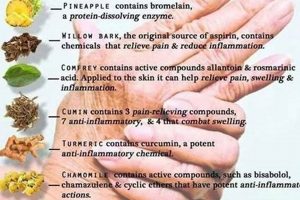
Traditional medicine practices in Mexico often incorporate plant-based treatments to address various ailments. These therapies utilize indigenous flora, prepared and administered according to established cultural knowledge passed down through generations. Examples include using aloe vera for skin conditions, chamomile for digestive issues, and epazote in culinary practices to mitigate the effects of certain foods.
These inherited medicinal approaches hold significant cultural and historical value, representing a vital aspect of Mexican heritage. They can offer accessible and potentially cost-effective healthcare solutions, particularly in communities with limited access to conventional medical facilities. Furthermore, research suggests that some botanical components possess bioactive properties that may contribute to therapeutic effects. However, appropriate usage and safety considerations are paramount.
The following sections will delve into specific categories of plant-derived treatments commonly employed within Mexican traditional medicine, examining their potential benefits, associated risks, and current scientific understanding. Focus will be directed towards the identification, preparation, and application of these natural resources, while emphasizing the need for responsible and informed utilization within a broader healthcare context.
Guidance on Integrating Traditional Mexican Botanical Approaches
Considerations for those interested in exploring the potential of traditional Mexican botanical approaches for health and well-being.
Tip 1: Prioritize Identification and Authentication. Accurate identification of plants is essential. Consult with knowledgeable practitioners or botanists to ensure correct species identification, as misidentification can lead to adverse effects.
Tip 2: Emphasize Sustainable Sourcing. Support ethical and sustainable harvesting practices. Over-collection can endanger plant populations and disrupt ecosystems. Consider cultivated sources when available.
Tip 3: Acknowledge Potential Interactions. Be mindful of potential interactions between plant-based treatments and conventional medications. Consult with a qualified healthcare professional to avoid adverse reactions.
Tip 4: Observe Proper Preparation and Dosage. Adhere to established preparation methods and recommended dosages. Improper preparation or excessive consumption can increase the risk of toxicity.
Tip 5: Start with Small Doses and Monitor Responses. Initiate usage with minimal quantities to assess individual tolerance and identify any adverse reactions. Gradually increase dosage as needed, while closely monitoring effects.
Tip 6: Prioritize Professional Guidance. Seek guidance from experienced traditional healers or qualified healthcare practitioners familiar with traditional Mexican medicinal practices. Professional oversight can ensure appropriate and safe usage.
Tip 7: Recognize Limitations and When to Seek Conventional Medical Care. Recognize the limitations of these practices and when conventional medical intervention is necessary. Plant-based approaches should complement, not replace, standard medical care for serious conditions.
Tip 8: Conduct Thorough Research. Investigate the available scientific evidence and traditional knowledge surrounding specific plants and their uses. Thorough research enables informed decision-making.
These guidelines underscore the importance of responsible integration, prioritizing safety, efficacy, and sustainability. When approached with caution and informed knowledge, plant-derived remedies have the potential to contribute to holistic health practices.
The following section provides a summary and reiterates the crucial elements of this informative content.
1. Traditional Knowledge

The application of plant-based treatments in Mexican culture is inextricably linked to traditional knowledge systems. This knowledge, accumulated over centuries through observation, experimentation, and oral transmission, forms the bedrock upon which the selection, preparation, and administration of these natural remedies rest. The efficacy of particular plants for specific ailments is understood not through randomized controlled trials, but through an empirical understanding validated by generations of successful application. The erosion of this knowledge base directly threatens the sustainable use and preservation of Mexican herbal treatments.
Consider, for example, the use of Arnica montana for bruises and inflammation. While modern science validates its anti-inflammatory properties, its application in traditional Mexican medicine stems from a deep understanding of its growing environment, optimal harvesting time, and precise preparation methods to maximize its therapeutic potential. Similarly, the use of specific agave species for certain digestive ailments is guided by an intimate knowledge of local plant variations and their specific bioactive compounds. Without this inherent understanding, the application of these botanical elements loses its contextual significance and therapeutic power.
The preservation of this knowledge represents a crucial challenge. Rapid modernization, cultural shifts, and limited transmission of traditional practices to younger generations contribute to its decline. However, recognition of its value within the broader healthcare landscape, coupled with efforts to document, preserve, and promote traditional knowledge systems, offers a pathway to ensuring its continued relevance and contribution to the health and well-being of communities across Mexico. The future of these remedies hinges on safeguarding the foundational wisdom that guides their appropriate and effective utilization.
2. Plant Identification

Accurate identification of plant species constitutes a critical prerequisite for the safe and effective application of treatments derived from Mexican traditional medicine. Mistaken identification can lead to the ingestion of toxic or ineffective substances, posing a significant health risk. The following facets explore key aspects of plant identification in this context.
- Taxonomic Accuracy
Taxonomic accuracy is essential for distinguishing between species with similar appearances but differing chemical compositions. For example, several plants within the Asteraceae family share similar flower structures, yet their therapeutic properties can vary significantly. Consumption of the wrong species could result in adverse effects or a lack of desired therapeutic outcome.
- Regional Variations
Plant morphology can vary regionally due to environmental factors. This necessitates an understanding of local plant adaptations and potential differences in chemical profiles. A plant identified correctly in one region may exhibit different characteristics or possess varying concentrations of active compounds in another, impacting its efficacy or toxicity.
- Traditional Nomenclature
Traditional names for plants can be ambiguous or vary across communities. A single common name may refer to multiple species, while a single species may have several common names. Reliance solely on traditional nomenclature without cross-referencing with scientific nomenclature can lead to misidentification and potential harm.
- Expert Consultation
Consultation with experienced practitioners or botanists trained in plant identification is crucial, especially for individuals unfamiliar with local flora. Experts possess the knowledge and skills to differentiate between species based on subtle morphological characteristics, habitat preferences, and other diagnostic features, minimizing the risk of misidentification.
These facets highlight the complexity of plant identification in the context of Mexican traditional medicine. While traditional knowledge plays a vital role, it must be supplemented with rigorous botanical expertise to ensure accurate identification and promote the safe and effective use of plant-derived remedies. Erroneous identification has potential implications in terms of negative consequences.
3. Preparation Methods

The efficacy and safety of botanical treatments in Mexican traditional medicine are fundamentally linked to the methods employed in their preparation. Improper preparation can diminish therapeutic effects, exacerbate toxicity, or introduce contaminants, thereby undermining the intended benefits. The following facets explore the significance of preparation techniques.
- Decoction vs. Infusion
Decoction, involving boiling plant material in water, is suited for extracting compounds from tougher plant parts such as roots, bark, and seeds. Infusion, steeping plant material in hot water, is generally preferred for more delicate parts like leaves and flowers. Choosing the incorrect method can result in incomplete extraction of active compounds or degradation of heat-sensitive constituents, altering the remedy’s intended potency and profile.
- Extraction Solvents
The choice of solvent, typically water, alcohol, or oil, significantly influences the extraction of specific compounds. Water extracts polar compounds, while alcohol is better suited for non-polar compounds. Oil is often used for extracting lipophilic constituents. Using an inappropriate solvent may fail to extract key medicinal components, rendering the preparation ineffective, or conversely, extract unwanted and potentially harmful compounds.
- Dosage Forms
Plant-based treatments can be administered in various forms, including teas, tinctures, poultices, and salves. The choice of dosage form affects the rate and extent of absorption of active compounds. For instance, tinctures, which are alcohol-based extracts, tend to be absorbed more rapidly than teas. Inappropriate dosage forms may result in inadequate therapeutic concentrations or excessive systemic exposure.
- Sterilization and Hygiene
Maintaining proper hygiene during preparation is critical to prevent contamination. Using clean water, sterilized equipment, and appropriate storage conditions can minimize the risk of microbial growth. Failure to adhere to hygienic practices can lead to the introduction of pathogens, transforming a therapeutic preparation into a source of infection.
These facets underscore the critical role of preparation methods in shaping the efficacy and safety of Mexican botanical treatments. Traditional knowledge often encodes precise protocols for preparation, reflecting an empirical understanding of the chemical properties of plants and the potential risks associated with improper handling. Neglecting these protocols can compromise the therapeutic value and introduce unintended hazards. Proper understanding of these practices are also crucial.
4. Dosage Control

Dosage control forms a critical nexus between the potential benefits and inherent risks associated with plant-derived therapies within the context of Mexican traditional medicine. The effectiveness of such remedies hinges not solely on the inherent properties of the plant, but also on the precision with which it is administered. Insufficient dosage may yield negligible therapeutic effects, while excessive dosage can precipitate adverse reactions, ranging from mild discomfort to severe toxicity. The empirical knowledge accumulated over generations by traditional healers underscores the delicate balance required to harness the power of these natural resources safely and effectively. Examples like peyote highlight these concerns; its use carries deep cultural significance, but even in controlled settings, proper dosage is vital due to its psychoactive properties. Similarly, herbs commonly used for digestive complaints, such as certain types of mint, can cause adverse effects if consumed in excessive quantities.
The practical significance of dosage control extends beyond immediate safety considerations. It also impacts the long-term sustainability of plant resources. Overharvesting to compensate for ineffective, under-dosed remedies depletes vulnerable plant populations, disrupting ecological balance and threatening the availability of these resources for future generations. Furthermore, dosage control is inextricably linked to accurate plant identification and appropriate preparation methods. The concentration of active compounds can vary significantly between species, regions, and even individual plants, necessitating a nuanced understanding of the plant’s chemical profile and the extraction techniques used. Precise weighing, measuring, and standardization of preparations are essential components of effective dosage control, minimizing variability and ensuring consistent therapeutic outcomes.
In conclusion, dosage control constitutes a fundamental pillar of responsible and effective plant-based therapy within Mexican traditional medicine. Its integration with accurate plant identification, appropriate preparation methods, and sustainable harvesting practices is crucial for maximizing therapeutic benefits while mitigating potential risks. Challenges remain in bridging the gap between traditional empirical knowledge and contemporary scientific understanding, particularly regarding standardization and quality control. However, recognizing the profound importance of dosage control represents a significant step towards ensuring the continued safe and effective utilization of these valuable natural resources, making it available to future generations to come.
5. Potential Interactions

The convergence of traditional Mexican plant-based therapies with conventional pharmaceutical treatments presents a complex landscape, where interactions can significantly alter therapeutic outcomes. Understanding these interactions is paramount to ensure patient safety and optimize treatment efficacy. The co-administration of herbal remedies and prescription medications can lead to synergistic, additive, or antagonistic effects, potentially increasing toxicity, decreasing drug efficacy, or inducing unforeseen adverse reactions.
- Cytochrome P450 Modulation
Certain botanical compounds present in traditional Mexican preparations can modulate the activity of cytochrome P450 (CYP) enzymes, a family of enzymes responsible for metabolizing a wide range of pharmaceutical drugs. For example, some plants may inhibit CYP3A4, leading to increased plasma concentrations of drugs metabolized by this enzyme, potentially causing toxicity. Conversely, other plants may induce CYP enzymes, accelerating drug metabolism and reducing therapeutic efficacy. This represents a critical consideration for patients taking medications with a narrow therapeutic index.
- Pharmacodynamic Synergy or Antagonism
Pharmacodynamic interactions occur when plant-based remedies and conventional medications exert similar or opposing effects on the same physiological systems. The concurrent use of a sedative herb and a benzodiazepine, for instance, could result in excessive central nervous system depression. Conversely, a plant with stimulant properties could antagonize the effects of an anti-hypertensive drug, compromising blood pressure control. A thorough understanding of the pharmacological properties of both the herbal remedy and the pharmaceutical medication is essential to predict and avoid these interactions.
- Absorption and Bioavailability Interference
Some botanical compounds can interfere with the absorption and bioavailability of conventional drugs. Certain herbs may bind to medications in the gastrointestinal tract, reducing their absorption and thus decreasing their therapeutic effect. Other plant-derived substances can alter gut motility or pH, indirectly impacting drug absorption. This phenomenon necessitates careful consideration of the timing of administration, potentially requiring separation of herbal remedies and conventional medications to minimize the risk of impaired drug absorption.
- Anticoagulant and Antiplatelet Effects
Several plants utilized in traditional Mexican medicine possess anticoagulant or antiplatelet properties. Concurrent use with anticoagulant or antiplatelet medications, such as warfarin or aspirin, can significantly increase the risk of bleeding. Careful monitoring of coagulation parameters, such as INR and platelet counts, is crucial in patients taking both herbal remedies and these types of medications. Education regarding potential bleeding risks and prompt reporting of any signs of bleeding are also essential.
The multifaceted nature of potential interactions between traditional Mexican plant-based treatments and conventional pharmaceuticals necessitates a comprehensive evaluation of each patient’s medication profile, including both prescribed and over-the-counter drugs, as well as herbal supplements. Open communication between patients, healthcare providers, and knowledgeable practitioners of traditional medicine is essential to identify potential risks and implement strategies to mitigate them. Addressing these interactions proactively is critical for ensuring the safe and effective integration of traditional and conventional approaches to healthcare.
6. Sustainability

The viability of traditional Mexican botanical remedies is intrinsically linked to the sustainability of their sourcing and harvesting practices. The continued availability of these resources depends upon responsible stewardship of the ecosystems from which they are derived. Unregulated or excessive harvesting can deplete plant populations, disrupt ecological balance, and ultimately undermine the very foundation of this traditional healthcare system. This creates a ripple effect, impacting not only the availability of medicine but also the cultural practices and economic livelihoods tied to these resources. A consequence of neglecting sustainable practices is the potential extinction of valuable medicinal plants, forever lost to both traditional and modern medicine. For example, over-collection of wild orchids for traditional remedies has threatened several species in certain regions of Mexico.
Sustainable harvesting involves practices that ensure the long-term health and productivity of plant populations. This includes selective harvesting, leaving sufficient plants to regenerate, and promoting cultivation of medicinal plants rather than relying solely on wild harvesting. Education initiatives play a crucial role in promoting sustainable practices among local communities. Sharing knowledge about responsible harvesting techniques and the importance of conservation empowers communities to manage their resources effectively. Cultivating medicinal plants in community gardens or agroforestry systems provides an alternative to wild harvesting, reducing pressure on natural populations. Furthermore, establishing protected areas or reserves can safeguard critical habitats and ensure the preservation of medicinal plant diversity. Fair trade practices, which ensure that local communities receive fair compensation for their harvested products, can incentivize sustainable management and contribute to local economic development.
In summation, the integration of sustainable practices into the sourcing and utilization of Mexican botanical remedies is not merely an ecological imperative, but a cultural and economic necessity. Preserving the integrity of these ecosystems safeguards the availability of medicinal plants for future generations, supports the livelihoods of local communities, and upholds the traditions and knowledge that are central to Mexican cultural heritage. The adoption of responsible harvesting techniques, the promotion of cultivation, and the implementation of fair trade practices are essential steps toward ensuring the long-term sustainability of this valuable resource.
Frequently Asked Questions about Mexican Herbal Remedies
This section addresses common inquiries regarding the application, safety, and efficacy of plant-based treatments within traditional Mexican medicine.
Question 1: Are botanical treatments inherently safe due to their natural origin?
The “natural” designation does not equate to inherent safety. Plants contain bioactive compounds that can interact with physiological systems, potentially causing adverse effects or contraindications. Careful consideration of dosage, preparation methods, and individual health conditions is essential.
Question 2: Can these therapies replace conventional medical treatments?
Plant-based approaches should complement, not substitute, conventional medical care for serious or life-threatening conditions. Qualified healthcare professionals must diagnose and manage such illnesses. Herbal remedies may offer supportive or adjunctive benefits under professional guidance.
Question 3: How can one ensure the correct identification of plants used in these practices?
Accurate plant identification is paramount. Consultation with experienced botanists or traditional healers possessing extensive knowledge of local flora is recommended. Reliance on traditional names alone is insufficient due to potential ambiguity and regional variations.
Question 4: What are the potential risks associated with combining botanical remedies and prescription medications?
Interactions can occur, altering the efficacy or toxicity of both the herbal and pharmaceutical agents. Certain plant compounds can affect drug metabolism or absorption. Consultation with a healthcare professional or pharmacist is essential to identify and manage potential interactions.
Question 5: Are there regulations governing the production and distribution of herbal products in Mexico?
While traditional medicine is recognized in Mexico, regulations governing the quality, safety, and efficacy of herbal products may vary. Consumers should exercise caution and seek products from reputable sources that adhere to quality control standards.
Question 6: How does one determine the appropriate dosage for a botanical treatment?
Dosage recommendations depend on various factors, including the specific plant, the individual’s health status, and the preparation method. Adherence to established guidelines from knowledgeable practitioners or reliable sources is essential. Initiating treatment with low doses and monitoring for adverse effects is advisable.
Informed usage and expert guidance remain crucial factors in responsible usage. The information provided in this FAQ is not exhaustive and should not replace professional consultation.
The following section provides a summary and reiterates the crucial elements of this informative content.
Mexican Herbal Remedies
The preceding exploration highlights the nuanced nature of plant-based treatments within the Mexican traditional medical system. From the critical importance of accurate plant identification to the necessity of sustainable harvesting practices and the potential for interactions with conventional pharmaceuticals, the responsible and effective utilization of these remedies requires diligent attention to detail. Traditional knowledge, while invaluable, must be augmented by rigorous scientific understanding to ensure both efficacy and safety.
As interest in alternative and complementary therapies continues to grow, it is imperative that the application of these treatments be approached with caution and a commitment to evidence-based practices. Further research is warranted to fully elucidate the pharmacological properties of these plants and their potential role within a comprehensive healthcare framework. The preservation of this cultural heritage hinges on a balanced approach that respects traditional wisdom while embracing the rigor of scientific inquiry.