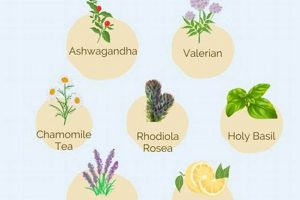
A traditional Indian system of medicine, Ayurveda, emphasizes holistic wellness through balancing mind, body, and spirit. A key component of this system involves the utilization of plants and their extracts to promote health and address various ailments. This approach seeks to harmonize an individual’s unique constitution with their environment through personalized regimens, often including dietary adjustments and lifestyle modifications.
The integration of botanical remedies within Ayurvedic practice offers potential advantages such as reduced side effects compared to synthetic drugs and a focus on preventive care. Its roots trace back thousands of years, with written records detailing the properties and applications of numerous plants for maintaining well-being. The enduring appeal lies in its philosophy of addressing the underlying causes of imbalance rather than merely suppressing symptoms.
The subsequent sections will delve into the specific categories of herbs commonly employed, the methods of preparation and administration, as well as the scientific research exploring their efficacy and safety. Furthermore, the appropriate considerations for individuals seeking to integrate this approach into their healthcare will be outlined.
Guidance Through Botanical Remedies
The following guidelines present crucial considerations when exploring the use of plants within the Ayurvedic framework for health management.
Tip 1: Consultation with a Qualified Practitioner: Prior to commencing any regimen, seek advice from a certified Ayurvedic doctor. Individual constitutions vary, and a professional assessment is necessary to determine the most suitable botanical formulations.
Tip 2: Source Authenticity and Quality: Acquire products from reputable suppliers with transparent sourcing practices. Adulteration and misidentification of plants are potential concerns, necessitating rigorous quality control measures.
Tip 3: Understand Individual Constitution (Prakriti): Ayurvedic principles emphasize tailoring interventions to one’s unique mind-body type. Self-assessment tools and professional consultations can help determine dominant doshas (Vata, Pitta, Kapha), guiding personalized strategies.
Tip 4: Gradual Introduction and Observation: Introduce new botanicals cautiously, monitoring for any adverse reactions or sensitivities. Start with minimal dosages and slowly increase as tolerated, documenting observations.
Tip 5: Adherence to Prescribed Dosage and Timing: Follow the instructions provided by the Ayurvedic practitioner meticulously. Dosage and timing are crucial for achieving optimal therapeutic effects and minimizing potential side effects.
Tip 6: Holistic Lifestyle Integration: Enhance the effects of botanical remedies through complementary practices like mindful eating, regular exercise, and stress management techniques. Ayurveda emphasizes the interconnectedness of all aspects of life.
Tip 7: Awareness of Potential Interactions: Inform the Ayurvedic practitioner and other healthcare providers about all medications and supplements currently being taken. Plant-drug interactions are a possibility and require careful evaluation.
The integration of these principles ensures a more informed and responsible approach. Understanding the nuances of the body and the plants is crucial to safe use.
The subsequent discussion offers insight into the research exploring effectiveness and safety.
1. Holistic Balance

Holistic balance, a foundational principle in Ayurveda, posits that health arises from the harmonious interaction of mind, body, and spirit within the environment. Plant-based remedies function as a key instrument in restoring or maintaining this equilibrium. Imbalances, whether physiological or psychological, are viewed as disruptions to this interconnectedness, often manifested as doshic imbalances (Vata, Pitta, Kapha). The selection of specific botanicals aims to address these imbalances, not merely treating symptoms but rather targeting the root cause by re-establishing the natural state of harmony. For instance, stress-induced digestive issues may be addressed with herbs that calm the nervous system and support healthy digestion, thus restoring both mental and physical equilibrium.
The impact of this approach extends beyond symptom relief. By emphasizing personalized treatment strategies based on an individuals unique constitution (Prakriti) and current state (Vikriti), Ayurvedic practitioners can tailor botanical formulations to promote sustainable wellness. Consider two individuals experiencing insomnia: one, a Vata-dominant individual, might benefit from calming, grounding herbs like Ashwagandha, while a Pitta-dominant individual might require cooling, soothing herbs like Brahmi. This nuanced approach acknowledges that a one-size-fits-all solution is inadequate for achieving true holistic balance, focusing instead on individualized interventions.
Ultimately, the effectiveness of plant-based remedies within Ayurveda hinges on their role in fostering overall harmony. The true application of such remedies requires a simultaneous focus on lifestyle adjustments, dietary modifications, and stress management techniques. When these are applied correctly the result allows the individual to reach a new place of balance. It is important to note that achieving and maintaining this balanced state presents ongoing challenges, requiring consistent self-awareness and adaptation to life circumstances. Nevertheless, the synergistic relationship between plants and the pursuit of overall equilibrium remains the cornerstone of health and well-being.
2. Individual Constitution

Individual constitution, known as Prakriti in Ayurveda, represents the inherent psychophysiological makeup of a person at birth. This unique blueprint, determined by the relative proportions of the three doshas Vata, Pitta, and Kapha dictates an individuals predispositions, tendencies, and vulnerabilities. Prakriti serves as the foundational basis for personalized health management within Ayurveda. The selection of appropriate herbs is critically dependent on accurate assessment of an individuals Prakriti, as certain herbs may exacerbate imbalances if not aligned with their constitution. For example, someone with a predominantly Pitta constitution, characterized by heat and intensity, may react adversely to warming herbs like ginger in excessive amounts, potentially leading to inflammation or skin irritations. Conversely, someone with a Vata constitution, characterized by dryness and coldness, may benefit from ginger’s warming and grounding properties. Thus, understanding Prakriti is not merely a theoretical concept but a practical imperative for tailoring plant-based remedies to individual needs.
The importance of Prakriti extends beyond initial herb selection. Throughout the course of a regimen, the practitioner continuously monitors the individual’s response, adjusting the formulation based on shifts in their current state, known as Vikriti. Vikriti represents the dynamic manifestation of doshic imbalances influenced by factors such as diet, lifestyle, and environmental conditions. Consequently, a person’s herbal prescription may evolve over time, reflecting the changing interplay between their Prakriti and Vikriti. Real-world examples illustrate the profound impact of this personalized approach. Individuals with Kapha-dominant constitutions, prone to congestion and weight gain, may respond favorably to stimulating and drying herbs like Trikatu, but only when combined with dietary adjustments and increased physical activity to address the underlying imbalance. Without this holistic integration, the effects of the herbs alone may be limited.
The practical significance of understanding Prakriti lies in its ability to empower individuals to take proactive control of their health. By recognizing their inherent constitutional tendencies, individuals can make informed choices about diet, lifestyle, and herbal remedies that support their unique well-being. However, challenges remain in accurately assessing Prakriti, as self-assessment can be subjective and prone to biases. Therefore, consultation with a qualified Ayurvedic practitioner is essential for a comprehensive and objective evaluation. Ultimately, the successful application of plant-based remedies within Ayurveda hinges on a deep understanding of individual constitution, paving the way for personalized and effective healthcare strategies.
3. Plant Properties
Plant properties are integral to the efficacy and application of botanical formulations within Ayurvedic practice. The inherent characteristics of plants dictate their therapeutic potential and influence how they are utilized to restore balance and promote health. These characteristics extend beyond simple chemical composition, encompassing energetic qualities and specific actions on the doshas.
- Rasa (Taste)
Rasa, or taste, represents one of the fundamental properties guiding herb selection. Ayurveda recognizes six primary tastes: sweet, sour, salty, pungent, bitter, and astringent. Each taste exerts a specific influence on the doshas, either increasing or decreasing their prevalence. For instance, sweet taste generally increases Kapha while decreasing Vata and Pitta, and bitter taste generally decreases Kapha and Pitta, while increasing Vata. Therefore, a practitioner considers the taste profile of an herb in relation to the patient’s doshic imbalance. The selection of herbs with opposing tastes to pacify aggravated doshas is a common therapeutic strategy. For example, excess Pitta, characterized by heat and acidity, can be managed with bitter and astringent herbs, such as neem or aloe vera.
- Guna (Qualities)
Guna refers to the inherent qualities of plants, such as heavy/light, hot/cold, oily/dry, and smooth/rough. These qualities further refine the understanding of how plants interact with the doshas. A heavy quality, for example, increases Kapha and decreases Vata, while a light quality increases Vata and decreases Kapha. Similarly, a hot quality increases Pitta and decreases Kapha and Vata, while a cold quality increases Kapha and Vata while decreasing Pitta. In practice, a practitioner considers both the taste and qualities of an herb to create a balanced and synergistic effect. An individual with Vata aggravation, characterized by dryness and coldness, might benefit from an herb that is both sweet (to nourish) and oily (to lubricate), such as sesame oil.
- Virya (Potency)
Virya defines the heating or cooling potency of an herb, reflecting its impact on metabolism and digestion. Heating herbs stimulate digestion and reduce Kapha and Vata, while cooling herbs soothe inflammation and reduce Pitta. The concept of Virya is crucial for understanding the long-term effects of an herb. While an herb’s initial taste might suggest a particular action, its potency can reveal its ultimate influence. For example, some warming herbs may initially taste sweet, but their long-term effect is to increase heat and dryness in the body, making them unsuitable for individuals with Pitta imbalances. Ginger, a pungent herb, is generally considered warming (heating virya) and can be used to stimulate digestion in individuals with Kapha imbalances.
- Vipaka (Post-Digestive Effect)
Vipaka describes the taste that emerges after digestion, representing the ultimate effect of an herb on the body. The three possible Vipakas are sweet, sour, and pungent. Sweet Vipaka nourishes and promotes tissue growth, while sour Vipaka cleanses and stimulates digestion, and pungent Vipaka dries and eliminates waste. This property provides insights into the long-term impact of an herb on overall health. For instance, even if an herb initially tastes bitter, its Vipaka might be sweet, indicating that it ultimately nourishes the tissues and promotes strength. Understanding Vipaka allows for a more holistic approach to herb selection, considering not only the immediate effects but also the sustained influence on the body’s physiology. Haritaki, a component of Triphala, has astringent and bitter tastes, but a sweet vipaka, providing its rejuvenating properties.
These plant properties, viewed collectively, provide a comprehensive framework for understanding the therapeutic potential of botanicals within the Ayurvedic system. By carefully considering the Rasa, Guna, Virya, and Vipaka of each herb, practitioners can create tailored formulations that address individual imbalances and promote holistic well-being. However, the effective application of plant properties requires not only a thorough understanding of Ayurvedic principles but also careful observation of the individual’s response to treatment and ongoing adjustments as needed.
4. Preparation Methods

Preparation methods are inextricable from the efficacy of botanical remedies within the Ayurvedic framework. The process by which herbs are transformed from their raw state into consumable forms directly impacts their potency, bioavailability, and ultimate therapeutic effect. Different preparation techniques extract varying quantities of active compounds, alter their chemical structures, and modify their energetic properties. Consequently, selecting an appropriate preparation method is as crucial as choosing the correct herb. For instance, a decoction (Kashaya), prepared by boiling herbs in water, is ideal for extracting water-soluble compounds. However, it may degrade heat-sensitive constituents. Infusions (Phanta), on the other hand, use gentler steeping methods, preserving delicate volatile oils but yielding lower concentrations of other constituents. The impact of preparation methods extends to the final product’s qualities: a medicated oil (Taila) prepared using a specific heating process not only infuses the oil with the herb’s properties but also alters the oil’s inherent qualities, making it more suitable for specific conditions.
The significance of preparation methods is further underscored by the concept of Samskara, which emphasizes the transformative effect of processing on the inherent nature of substances. Samskara suggests that the properties of an herb can be enhanced, diminished, or altered through specific preparation techniques. This concept is particularly relevant in complex formulations involving multiple herbs. For example, Triphala, a classic Ayurvedic formula, combines three fruits Haritaki, Bibhitaki, and Amalaki each with its unique properties. The specific proportions and preparation methods used to create Triphala determine its overall effect, which is synergistic and distinct from the individual effects of each fruit. Deviation from traditional preparation protocols can compromise the therapeutic integrity of the formulation. An improper decoction, for instance, may result in an under-extracted or over-concentrated product, leading to reduced efficacy or adverse effects.
In conclusion, the effective application of botanicals within Ayurvedic protocols is inextricably linked to appropriate preparation methods. The choice of preparation method must align with the intended therapeutic effect, the inherent properties of the herb, and the individual’s specific constitution. Challenges remain in standardizing preparation methods, as traditional techniques often rely on experiential knowledge and subjective assessments. Modern research seeks to refine and validate these traditional practices, but it’s also crucial to remember that the methods have been tested and practiced for thousands of years. The understanding of such intricacies enables the user to have an effective method when ingesting botanicals.
5. Dosage Precision

Dosage precision is a cornerstone of effective and safe application in Ayurvedic herbal treatment. The therapeutic outcome hinges not only on the selection of appropriate botanicals but also on administering them in precise quantities tailored to the individual. Deviations from prescribed dosages can diminish efficacy or, conversely, induce adverse effects, underscoring the importance of meticulous attention to this parameter.
- Doshic Considerations
Dosage determination is inextricably linked to an individual’s doshic constitution ( Prakriti) and current imbalances ( Vikriti). Each dosha exhibits varying sensitivities to different herbs, necessitating dosage adjustments based on doshic dominance. For example, a Pitta-predominant individual may require lower dosages of warming herbs compared to a Kapha-predominant individual. Failure to account for these doshic considerations can lead to unexpected reactions or diminished therapeutic benefits. Consider the use of Triphala as a mild laxative: a Vata individual may only need a small dose, while a Kapha individual may need a higher dose for the same effect.
- Age and Physiological State
Age and physiological state significantly influence appropriate dosages. Children, the elderly, and pregnant or lactating women exhibit altered metabolic capacities and sensitivities to herbs, necessitating dosage modifications. Children typically require lower doses due to their immature detoxification pathways, while the elderly often exhibit reduced metabolic efficiency, increasing the risk of accumulation and adverse effects. During pregnancy, certain herbs are contraindicated or require significantly reduced dosages due to their potential impact on fetal development. An adult, for instance, may require 500mg of a certain herb, while a child needs only 125mg for the same reason. In the same vein, a pregnant woman may be discouraged from taking specific herbs.
- Herb Potency and Formulation
The potency of an herb and the formulation in which it is administered directly influence dosage requirements. Different batches of the same herb can exhibit varying concentrations of active compounds depending on factors such as growing conditions and harvesting techniques. Furthermore, herbal formulations can be prepared using different extraction methods and delivery systems, affecting bioavailability and therapeutic potency. A standardized herbal extract, with a known concentration of active constituents, allows for more precise dosage control compared to a crude herbal powder. Herbal extracts, for instance, may require lower doses due to concentrated active elements, but these need to be considered and applied carefully.
- Monitoring and Adjustment
Dosage precision is not a static process but requires continuous monitoring and adjustment based on individual response. Ayurvedic practitioners carefully observe patients for signs of therapeutic benefit or adverse effects, adjusting dosages as needed to optimize outcomes. This iterative process requires a deep understanding of herbal properties, individual physiology, and the dynamic interplay between the two. If an individual experiences digestive upset after taking a certain dose of an herb, the practitioner may reduce the dosage or prescribe a digestive aid to mitigate the side effects. The patient is the core to the administration and this is critical to note.
The facets presented underscore the multifaceted nature of dosage precision in the application of Ayurveda. By meticulously considering doshic constitution, age, physiological state, herb potency, and monitoring responses, dosage becomes a dynamic and essential variable. Such meticulous consideration maximizes therapeutic efficacy and safety. The practitioner that prioritizes this allows safety and effectiveness to exist.
6. Safety Monitoring

Safety monitoring constitutes a critical, non-negotiable component of responsible Ayurvedic herbal treatment. The use of botanical remedies, while often perceived as inherently gentle, is not without potential risks. Adverse reactions, herb-drug interactions, and contamination issues can occur, necessitating vigilant oversight to safeguard patient well-being. A proactive approach to safety monitoring involves comprehensive patient assessments, meticulous documentation, and continuous evaluation of treatment response. For example, an individual with pre-existing liver dysfunction requires closer monitoring for signs of hepatotoxicity when initiating treatment with certain herbs known to impact liver function. Similarly, patients concurrently taking pharmaceutical medications must be carefully evaluated for potential herb-drug interactions, as some botanicals can either potentiate or inhibit the effects of conventional drugs. The absence of rigorous safety protocols can lead to preventable adverse events, undermining the potential benefits of the therapy.
Effective safety monitoring extends beyond symptom management. It encompasses a holistic assessment of the patient’s overall well-being, including physical, mental, and emotional factors. The practitioner should be attuned to subtle changes in the patient’s condition, recognizing that seemingly minor symptoms can be early indicators of underlying problems. Furthermore, the source and quality of herbal products used in treatment must be rigorously scrutinized. Adulteration with heavy metals, pesticides, or other contaminants is a serious concern, particularly with products sourced from unregulated markets. A real-life example involves instances of lead contamination in Ayurvedic formulations, leading to severe health consequences for unsuspecting consumers. Therefore, sourcing herbs from reputable suppliers with documented quality control measures is paramount.
In summary, safety monitoring is not merely an adjunct to Ayurvedic herbal treatment but an integral and indispensable element. By prioritizing proactive assessment, meticulous documentation, quality assurance, and continuous evaluation, practitioners can minimize risks and maximize the therapeutic potential of botanical remedies. The challenges in safety monitoring include the heterogeneity of herbal products, the complexity of herb-drug interactions, and the lack of standardized regulatory frameworks in some regions. Addressing these challenges requires a collaborative effort involving practitioners, researchers, and regulatory agencies to establish robust safety guidelines and ensure responsible application of Ayurvedic herbal treatment. Ignoring safety principles renders the practice unsafe for patients.
Frequently Asked Questions
The following addresses prevalent inquiries regarding the safe and effective utilization of plant-based remedies within the Ayurvedic system.
Question 1: Is Ayurvedic herbal treatment a substitute for conventional medical care?
Ayurvedic herbal treatment should not be considered a replacement for conventional medical care, especially in acute or emergency situations. It functions most effectively as a complementary approach, integrated alongside conventional treatments under the guidance of qualified healthcare professionals.
Question 2: Are there potential side effects associated with Ayurvedic herbal treatment?
Yes, like any therapeutic intervention, Ayurvedic herbal treatment carries the potential for side effects. These can range from mild digestive disturbances to more severe allergic reactions. Such reactions depend on individual sensitivities, herb potency, and dosage. Consultation with a qualified practitioner minimizes this risk.
Question 3: How can one ensure the quality and authenticity of Ayurvedic herbal products?
To ensure quality and authenticity, products should be sourced from reputable suppliers with transparent sourcing practices and verifiable quality control measures. Certification from recognized Ayurvedic organizations provides an additional layer of assurance. Independent laboratory testing can also confirm the absence of contaminants.
Question 4: Can Ayurvedic herbs interact with pharmaceutical medications?
Yes, significant herb-drug interactions can occur. Certain herbs can potentiate or inhibit the effects of pharmaceutical medications, potentially leading to adverse consequences. Individuals concurrently taking pharmaceuticals must inform both their physician and Ayurvedic practitioner to assess potential interactions.
Question 5: Is Ayurvedic herbal treatment safe for pregnant or lactating women?
The safety of Ayurvedic herbal treatment during pregnancy and lactation requires careful consideration. Certain herbs are contraindicated or require dosage adjustments due to their potential impact on fetal development or infant health. A qualified Ayurvedic practitioner should be consulted before initiating any treatment during these periods.
Question 6: How long does it typically take to experience the benefits of Ayurvedic herbal treatment?
The timeframe for experiencing benefits varies depending on individual constitution, the nature of the condition, and adherence to treatment protocols. Some individuals may experience noticeable improvements within weeks, while others may require several months of consistent treatment. Patience and persistence are essential.
The prudent and informed application requires careful adherence to the recommendations described herein.
The subsequent section provides information on the regulatory landscape.
Concluding Perspectives on Ayurvedic Herbal Treatment
This exposition has traversed essential facets of Ayurvedic herbal treatment, delineating its foundational principles, preparation methodologies, and considerations for safety. It has underscored the profound impact of individual constitution, plant properties, and dosage precision on therapeutic outcomes. This thorough review serves as a primer for appreciating the complexities inherent within its practice.
Therefore, a diligent integration of this knowledge should guide individuals seeking to employ Ayurvedic herbal treatment. It prompts a focus on informed decision-making, prioritizing qualified guidance, and emphasizing rigorous safety protocols. The ancient system’s potential will be more available as there is more responsible and informed application.