The consumption of botanical infusions derived from plants, excluding true teas (Camellia sinensis), represents a common practice among pregnant individuals seeking natural remedies. Careful consideration must be given to the specific plant species used, as some possess properties that may pose risks during gestation. These infusions offer a potentially soothing alternative to traditional beverages, but a thorough understanding of their safety profile is essential.
Historically, various cultures have employed plant-based preparations to address common pregnancy discomforts. The appeal of these remedies lies in their perceived naturalness and gentleness. However, due to limited rigorous scientific research on their effects during pregnancy, caution is warranted. The potential benefits include mild relief from nausea, improved sleep, and support for hydration, but these must be weighed against potential adverse effects on both maternal and fetal health. Consulting a healthcare professional is crucial for determining suitability.
This discussion will explore specific herbal infusions generally regarded as suitable for consumption during pregnancy, while also highlighting those that should be avoided. Furthermore, considerations regarding dosage, potential interactions with medications, and individual sensitivities will be addressed to provide a well-rounded perspective on this important aspect of prenatal care.
Guidance on Herbal Infusion Consumption During Gestation
The following recommendations are intended to provide a framework for informed decision-making regarding the use of botanical infusions during pregnancy. Consultation with a qualified healthcare provider is strongly advised prior to incorporating any new herbal product into the prenatal regimen.
Tip 1: Prioritize Consultation. A healthcare professional, such as an obstetrician or certified midwife, should be consulted to assess individual risk factors and provide personalized recommendations based on the specific pregnancy and medical history. This is paramount to ensuring maternal and fetal well-being.
Tip 2: Verify Species Identification. Accurate identification of the plant species is crucial. The use of herbal products sourced from reputable suppliers with verifiable quality control measures minimizes the risk of misidentification and contamination.
Tip 3: Begin with Low Doses. When introducing a new herbal infusion, initiate consumption with a low dose and gradually increase as tolerated. Monitor for any adverse reactions, such as allergic responses, gastrointestinal distress, or changes in blood pressure.
Tip 4: Limit Variety. Avoid consuming an excessive number of different herbal infusions simultaneously. Simplification allows for easier identification of potential adverse reactions and reduces the likelihood of interactions between different plant compounds.
Tip 5: Be Aware of Contraindications. Certain herbs are contraindicated during pregnancy due to their potential to stimulate uterine contractions, affect hormonal balance, or exhibit toxic effects. Thoroughly research the safety profile of each herb before consumption and adhere to established guidelines regarding avoidance.
Tip 6: Hydration Consideration. While herbal infusions can contribute to overall fluid intake, they should not be the sole source of hydration. Ensure adequate consumption of water throughout the day to maintain optimal hydration levels.
Tip 7: Assess Preparation Methods. Preparation methods, such as infusion time and temperature, can influence the concentration of active compounds in the final beverage. Adhere to recommended preparation guidelines to minimize the risk of excessive or insufficient exposure to these compounds.
Adherence to these guidelines, coupled with professional medical advice, can contribute to a more informed and cautious approach to the use of herbal infusions during pregnancy, prioritizing the health and safety of both mother and child.
The following sections will delve deeper into specific herbal infusions that are generally considered safe, as well as those that warrant caution, providing a comprehensive overview of this important topic.
1. Herb Identification

The accurate identification of herbs constitutes a foundational element in ensuring the safety of herbal teas during pregnancy. Incorrect identification can lead to the consumption of species with harmful properties, potentially causing adverse effects on both the mother and the developing fetus. This connection represents a direct cause-and-effect relationship, where the accuracy of identification directly impacts the safety of the beverage.
The importance of precise identification is exemplified by the distinction between chamomile varieties. While German chamomile ( Matricaria chamomilla) is generally considered safe in moderation, other species, such as Roman chamomile ( Chamaemelum nobile), possess differing chemical compositions and may have contraindications. Similarly, distinguishing between raspberry leaf ( Rubus idaeus), traditionally used in late pregnancy, and other Rubus species is crucial. Furthermore, contamination with toxic plants during harvesting or processing poses a risk that proper identification protocols can mitigate. Reputable suppliers employ trained botanists and laboratory testing to verify the authenticity and purity of their products.
In summary, herb identification is not merely a procedural step but a critical safeguard. Its practical significance lies in preventing the unintended ingestion of harmful substances. Challenges remain in ensuring widespread access to accurate identification resources and standardized testing methods. However, emphasizing the importance of this foundational element remains crucial in promoting the safe use of herbal teas throughout pregnancy.
2. Dosage Control

Dosage control is an indispensable element in ensuring the safety of herbal teas during pregnancy. The potency of herbal infusions varies depending on factors such as the plant species, preparation method, and concentration of active compounds. Exceeding recommended dosages can lead to adverse effects, even with herbs generally considered safe in moderation. This underscores a direct cause-and-effect relationship; uncontrolled dosage directly impacts the safety profile.
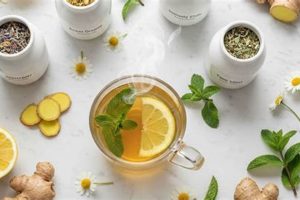
For example, while ginger ( Zingiber officinale) is often recommended for alleviating morning sickness, excessive consumption may contribute to heartburn or, in rare instances, affect blood clotting. Similarly, peppermint ( Mentha piperita), used to soothe digestive discomfort, can exacerbate heartburn in susceptible individuals if consumed in large quantities. Proper dosage also accounts for individual variations in metabolism and sensitivity. Pregnant individuals with pre-existing conditions, such as hypertension or diabetes, require even stricter adherence to recommended dosage guidelines. Therefore, dosage control is not merely a guideline, but a critical component of safe herbal tea consumption.
In summary, understanding and implementing appropriate dosage control is crucial for mitigating potential risks associated with herbal teas during pregnancy. Challenges remain in establishing standardized dosage recommendations across different herbal products and individual health profiles. However, a commitment to careful dosage management, coupled with professional medical advice, represents a fundamental step towards ensuring the safety and well-being of both the mother and the developing fetus when using herbal infusions.
3. Potential Interactions

The presence of potential interactions between herbal teas and medications, supplements, or pre-existing health conditions necessitates careful consideration when evaluating the safety of herbal teas during pregnancy. These interactions can alter the efficacy of medications, exacerbate health conditions, or induce adverse effects, thereby compromising maternal and fetal well-being.
- Herb-Drug Interactions
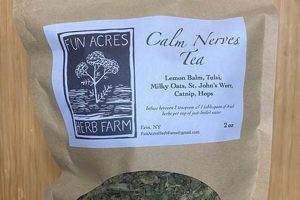
Concurrent use of herbal teas and pharmaceuticals can result in pharmacokinetic or pharmacodynamic interactions. For instance, St. John’s Wort ( Hypericum perforatum), though generally contraindicated during pregnancy, serves as a prime example. It can induce hepatic enzymes, potentially reducing the effectiveness of certain medications, including some contraceptives and antidepressants. Similarly, herbs with anticoagulant properties, such as high doses of ginger or garlic, may potentiate the effects of anticoagulant medications, increasing the risk of bleeding. The complexity of these interactions underscores the need for thorough medication reconciliation and professional consultation.
- Herb-Supplement Interactions
Interactions may arise between herbal teas and dietary supplements. For example, combining iron supplements with certain herbal teas containing tannins can inhibit iron absorption, potentially leading to or exacerbating iron deficiency anemia. Conversely, combining herbal teas with similar physiological effects, such as those with sedative properties (e.g., valerian and chamomile), may result in additive effects, leading to excessive drowsiness. Careful consideration should be given to the combined effects of all ingested substances.
- Herb-Condition Interactions
Pre-existing health conditions can be affected by herbal tea consumption. Individuals with hypertension should exercise caution with herbs that may elevate blood pressure, such as licorice ( Glycyrrhiza glabra) in high doses. Those with autoimmune disorders should be aware that some herbs marketed for immune support may exacerbate their condition. Consultation with a healthcare professional is crucial to assess the potential impact of herbal teas on pre-existing health conditions.
- Individual Sensitivities and Allergies
Individual sensitivities and allergic reactions to specific herbs can manifest even when those herbs are generally considered safe. Allergic reactions may range from mild skin irritation to severe anaphylaxis. Pregnant individuals with known allergies should carefully review the ingredients of herbal teas and exercise caution when trying new herbal products. The potential for cross-reactivity between related plant species should also be considered.
The multifaceted nature of potential interactions highlights the importance of a comprehensive assessment prior to incorporating herbal teas into the prenatal regimen. Professional guidance, including a thorough review of medications, supplements, and health history, is essential to mitigate the risk of adverse outcomes and promote the safe use of herbal teas during pregnancy.
4. Safety Research

Rigorous safety research forms the bedrock upon which recommendations regarding the consumption of botanical infusions during pregnancy should be based. The inherent variability in plant composition, coupled with the physiological changes experienced during gestation, necessitates a cautious approach informed by scientific evidence. Without adequate safety data, assumptions about the suitability of herbal teas become untenable.
- Limited Clinical Trials
The paucity of randomized controlled trials specifically investigating the effects of herbal teas on pregnant women presents a significant challenge. Ethical considerations often preclude the performance of such studies. Consequently, recommendations frequently rely on extrapolation from animal studies, in vitro research, traditional use data, and case reports, all of which have limitations in their applicability to human pregnancy.
- Variability in Herbal Products
Standardization of herbal products remains inconsistent. Variations in growing conditions, harvesting methods, processing techniques, and storage practices can significantly influence the chemical composition and potency of herbal teas. This lack of uniformity complicates the interpretation of safety data, as the effects observed with one product may not be generalizable to others.
- Dosage Determination Challenges
Establishing safe and effective dosage guidelines for herbal teas during pregnancy is inherently difficult. The absence of pharmacokinetic and pharmacodynamic data in pregnant women necessitates cautious extrapolation from non-pregnant populations. Furthermore, individual variations in metabolism, genetics, and health status can influence the response to herbal interventions, making a one-size-fits-all approach inappropriate.
- Long-Term Effects Unknown
The long-term effects of prenatal exposure to herbal compounds on the developing fetus are largely unknown. While some herbal teas may appear safe for short-term use, the potential for subtle or delayed effects on neurodevelopment, immune function, or reproductive health cannot be entirely discounted. Longitudinal studies are needed to assess the long-term safety of prenatal herbal exposures.
The constraints imposed by limited safety research underscore the need for a cautious and individualized approach to the use of herbal teas during pregnancy. Until more robust scientific evidence becomes available, healthcare providers and pregnant women should prioritize shared decision-making, informed by a thorough assessment of potential risks and benefits, and guided by the principle of “first, do no harm.”
5. Individual Sensitivities
Individual sensitivities represent a critical and often overlooked aspect of assessing the safety of herbal teas during pregnancy. While certain herbal infusions are generally categorized as safe, the potential for idiosyncratic reactions necessitates a personalized approach. Physiological variations, genetic predispositions, and pre-existing conditions can all influence an individual’s response to herbal constituents, transforming a seemingly benign beverage into a potential source of adverse effects. This underlines a direct cause-and-effect relationship, where a specific individual sensitivity can precipitate a negative reaction, even to a widely accepted ‘safe’ herb. This principle is exemplified by chamomile, often recommended for its calming properties. Individuals with ragweed allergies may exhibit cross-reactivity to chamomile, leading to allergic rhinitis, skin rashes, or, in rare cases, anaphylaxis. Similarly, peppermint, used to alleviate nausea, can trigger or exacerbate heartburn in individuals with gastroesophageal reflux disease. Thus, appreciating individual sensitivities is a crucial component when ensuring botanical infusion consumption during gestation.
The practical significance of understanding individual sensitivities extends to the realm of risk assessment and management. Prior to introducing any herbal tea into the prenatal regimen, a thorough assessment of the pregnant individual’s medical history, including allergies, sensitivities, and pre-existing conditions, is paramount. A gradual introduction of new herbal products, starting with low doses, allows for the careful monitoring of potential adverse reactions. Should any signs of intolerance manifest, such as skin irritation, gastrointestinal distress, or respiratory symptoms, cessation of consumption is warranted. Furthermore, pregnant individuals with a history of multiple allergies or heightened sensitivity to environmental factors should exercise particular caution and seek professional guidance before consuming any herbal tea, irrespective of its perceived safety profile. This careful, monitored introduction minimizes the potential for adverse reactions and facilitates prompt intervention if required.
In summary, individual sensitivities are inextricably linked to the safe use of herbal teas during pregnancy. The potential for idiosyncratic reactions necessitates a personalized approach, emphasizing risk assessment, gradual introduction, and vigilant monitoring. While generalized safety guidelines provide a valuable framework, they should not supersede the imperative to account for individual variability. Challenges remain in predicting individual responses to herbal products, but heightened awareness and proactive management represent essential steps toward minimizing potential risks and optimizing maternal and fetal well-being.
Frequently Asked Questions Regarding Safe Herbal Teas During Pregnancy
The following section addresses common inquiries and concerns regarding the use of specific herbal infusions during gestation. The information presented is intended for educational purposes and should not be construed as medical advice. Consultation with a qualified healthcare professional is essential before incorporating any herbal product into a prenatal regimen.
Question 1: Are all herbal teas safe for consumption during pregnancy?
No. The safety of herbal teas during pregnancy varies depending on the specific plant species used. Certain herbs possess properties that may pose risks to the mother and/or developing fetus. A thorough evaluation of the safety profile of each herb is crucial prior to consumption.
Question 2: How does one determine if an herbal tea is considered safe during pregnancy?
Consultation with a qualified healthcare provider, such as an obstetrician or certified midwife, represents the most reliable method. They can assess individual risk factors, review medical history, and provide personalized recommendations based on the specific pregnancy.
Question 3: What are some examples of herbal teas generally considered safe for consumption during pregnancy, in moderation?
Examples may include ginger tea (for nausea relief), peppermint tea (for digestive discomfort), and red raspberry leaf tea (in late pregnancy, for uterine toning). However, even these should be consumed with caution and within recommended dosage guidelines, after consulting a healthcare provider.
Question 4: What are some examples of herbal teas that should generally be avoided during pregnancy?
Herbs such as blue cohosh, black cohosh, pennyroyal, mugwort, and sage are often contraindicated during pregnancy due to their potential to stimulate uterine contractions, affect hormonal balance, or exhibit toxic effects.
Question 5: Can herbal teas interact with medications or pre-existing health conditions during pregnancy?
Yes. Interactions between herbal teas and medications, supplements, or pre-existing health conditions are possible. These interactions can alter the efficacy of medications, exacerbate health conditions, or induce adverse effects. Thorough medication reconciliation and professional consultation are essential.
Question 6: Where can reliable information about the safety of specific herbal teas during pregnancy be found?
Credible sources of information include healthcare providers, registered dietitians, and reputable herbal medicine organizations. Reliance on anecdotal evidence or unqualified sources should be avoided.
In summary, the safe consumption of herbal teas during pregnancy necessitates informed decision-making, professional guidance, and careful attention to individual sensitivities. A cautious and evidence-based approach is paramount to safeguarding maternal and fetal well-being.
The following section offers a brief overview of specific herbal teas and their potential considerations during pregnancy.
Conclusion Regarding Safe Herbal Teas During Pregnancy
The preceding discussion has explored various facets of “safe herbal teas during pregnancy”, emphasizing the complexities involved in determining the suitability of botanical infusions during gestation. Key points include the importance of accurate herb identification, careful dosage control, awareness of potential interactions, the limitations of existing safety research, and the crucial consideration of individual sensitivities. These elements are not isolated concerns but rather interconnected factors that influence the overall safety profile of herbal teas during this critical period.
Given the inherent risks and uncertainties associated with herbal consumption during pregnancy, a conservative approach is warranted. While certain herbal infusions may offer potential benefits, a comprehensive risk-benefit assessment, conducted in consultation with a qualified healthcare provider, is essential. Ongoing research is needed to further elucidate the safety and efficacy of herbal teas during pregnancy, but until more definitive data become available, caution and informed decision-making should remain paramount. Prioritizing the health and well-being of both mother and child is the ultimate objective.