Botanical medicine, often involving preparations derived from plants, has served as a foundational approach to health management across diverse cultures. These plant-derived applications encompass a wide array of formats, including teas, tinctures, capsules, and topical creams, each designed to deliver specific plant compounds believed to promote well-being. An example includes employing chamomile tea to aid relaxation or utilizing turmeric’s anti-inflammatory properties in dietary supplements.
The significance of plant-based solutions lies in their long-standing history and potential for offering complementary support to conventional medical practices. Historically, many cultures relied solely on botanical knowledge for addressing various health concerns. Benefits can include providing a natural source of bioactive compounds and potentially offering a more holistic approach to health management, addressing both symptoms and underlying imbalances within the body.
The following sections will delve into specific categories of botanical applications, examining their intended actions, potential benefits, and important considerations regarding their safe and effective integration into a comprehensive health regimen. This exploration will provide a clearer understanding of the scope and responsible implementation of plant-based health support.
Guidance on Botanical Applications
The following points offer guidance on integrating botanical applications into one’s health management strategy. Responsible and informed usage is paramount.
Tip 1: Prioritize Consultation. A healthcare professional’s evaluation is crucial before commencing any botanical regimen, particularly for individuals with pre-existing medical conditions, those taking prescription medications, or women who are pregnant or breastfeeding. Interactions and contraindications must be ruled out.
Tip 2: Source Reputable Products. Quality and purity are critical. Select products from manufacturers adhering to Good Manufacturing Practices (GMP) and offering Certificates of Analysis (COAs) to verify ingredient authenticity and absence of contaminants like heavy metals or pesticides.
Tip 3: Adhere to Recommended Dosages. Dosage guidelines provided by manufacturers or healthcare professionals should be strictly followed. Excessive dosages do not necessarily equate to increased efficacy and may heighten the risk of adverse effects.
Tip 4: Monitor for Adverse Reactions. Individuals should be vigilant for any signs of allergic reactions or other adverse effects, such as skin rashes, digestive upset, or breathing difficulties. Discontinue use and seek medical attention if such reactions occur.
Tip 5: Be Aware of Potential Interactions. Botanical compounds can interact with prescription medications, altering their efficacy or increasing the risk of side effects. Comprehensive disclosure of all medications and supplements to a healthcare provider is essential.
Tip 6: Maintain Realistic Expectations. While botanical applications may offer benefits, they are not a substitute for conventional medical treatment. Individuals should not delay or forgo necessary medical care in favor of botanical approaches.
Tip 7: Conduct Thorough Research. Individuals should actively seek evidence-based information about the specific botanical preparations they are considering, understanding their intended actions and potential risks. Peer-reviewed scientific literature and reputable sources of health information should be consulted.
Adherence to these guidelines promotes the safe and responsible utilization of botanical applications as a complement to conventional healthcare practices. Prioritizing professional guidance and informed decision-making is critical.
The subsequent sections will explore specific applications and potential future research directions in this field.
1. Traditional Knowledge

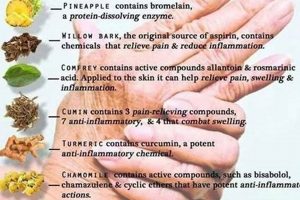
Traditional knowledge forms a critical foundation for many contemporary applications of botanical medicine. For centuries, indigenous communities and traditional healers have accumulated empirical observations regarding the properties of plants and their effects on the human body. This knowledge, passed down through generations, details plant identification, preparation methods, and specific applications for various ailments. The efficacy and safety of many modern botanical treatments are rooted in this historical understanding. For example, the use of willow bark for pain relief, a practice documented in ancient Egyptian and Sumerian texts, foreshadowed the modern development of aspirin, which contains a synthetic derivative of salicin, the active compound found in willow bark.
The significance of traditional knowledge lies in its ability to provide a starting point for scientific investigation. Ethnopharmacology, the study of traditional medicine, identifies plants with reported therapeutic properties. Researchers then investigate these plants to isolate and characterize the active compounds, confirm efficacy through clinical trials, and elucidate mechanisms of action. The anti-malarial drug artemisinin, derived from Artemisia annua, a herb used in traditional Chinese medicine, exemplifies this process. Traditional use of the herb provided the impetus for scientific investigation, ultimately leading to a life-saving medication for millions.
However, the utilization of traditional knowledge must proceed with caution and respect. Not all traditional practices are inherently safe or effective. Furthermore, the cultural context in which these practices originated is crucial. Modern applications should incorporate rigorous scientific evaluation and avoid cultural appropriation. The challenge lies in bridging the gap between traditional wisdom and contemporary scientific rigor, ensuring that botanical medicine is both effective and ethically sourced, promoting both health and cultural preservation.
2. Bioactive Compounds

The therapeutic action of plant-derived preparations stems from the presence of bioactive compounds, naturally occurring chemicals within the plant. These compounds interact with biological systems, eliciting physiological responses that form the basis of the preparation’s intended use. The specific combination and concentration of these compounds determine the preparation’s efficacy, potential toxicity, and overall therapeutic profile. For example, the anti-inflammatory properties attributed to turmeric are primarily due to curcuminoids, a group of bioactive compounds that inhibit inflammatory pathways. Similarly, the sedative effects of valerian root are linked to valerenic acid and other constituents that modulate neurotransmitter activity in the brain.
The efficacy of botanical medicine is inextricably linked to the understanding and identification of these bioactive compounds. Precise extraction and formulation methods are necessary to preserve their integrity and bioavailability. Different preparation techniques, such as maceration, decoction, or extraction with specific solvents, can selectively isolate certain compounds, influencing the final product’s therapeutic potential. Furthermore, factors such as plant variety, growing conditions, and harvesting time can significantly affect the concentration of bioactive compounds, introducing variability in the final product’s quality and potency. Standardized extracts, which guarantee a consistent concentration of specific bioactive markers, are often preferred to ensure predictable and reliable therapeutic effects.
Therefore, the effective implementation of plant-derived preparations hinges on a comprehensive understanding of their constituent bioactive compounds. This understanding necessitates rigorous scientific investigation to identify, isolate, and characterize these compounds, as well as to elucidate their mechanisms of action. Quality control measures and standardized extraction methods are crucial to ensure consistent potency and minimize variability. Further research is needed to fully understand the synergistic effects of multiple bioactive compounds within complex plant matrices and to optimize extraction and delivery methods for improved therapeutic outcomes. A focus on these aspects will enhance the rational and evidence-based application of plant-derived interventions in healthcare.
3. Preparation Methods

The efficacy and safety of botanical interventions are significantly influenced by the methods employed in their preparation. The selection of a specific preparation method directly affects the extraction, concentration, and bioavailability of active compounds, thereby determining the resulting therapeutic properties.
- Aqueous Extraction (Teas and Decoctions)
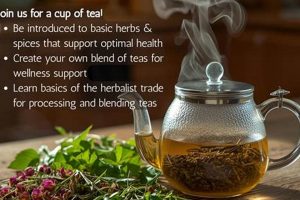
Involves extracting plant constituents with water. Teas typically utilize hot water infusions for delicate plant parts like leaves and flowers, while decoctions employ prolonged boiling to extract compounds from tougher materials like roots and bark. The resulting solutions contain water-soluble bioactive components. An example is chamomile tea, used for its calming effects, where the active compounds are extracted through hot water infusion. This method is suitable for compounds readily soluble in water, but may not extract non-polar substances.
- Alcoholic Extraction (Tinctures)
Utilizes alcohol as a solvent to extract a broader range of plant compounds, including those that are not water-soluble. The resulting tinctures are typically more concentrated than aqueous extracts and have a longer shelf life due to the preservative properties of alcohol. For instance, echinacea tincture is used to support immune function, leveraging alcohol’s ability to extract a wider array of its bioactive compounds. However, alcohol content may be a consideration for certain individuals.
- Oil Infusions (Maceration)
Involves soaking plant material in a carrier oil to extract oil-soluble compounds. The resulting infused oil can be used topically or internally, depending on the plant and intended application. An example includes calendula-infused oil, used for its skin-soothing properties, where the lipophilic compounds are extracted into the oil. This method is particularly effective for compounds that are more soluble in oil than in water or alcohol.
- Encapsulation and Tableting
Refers to the process of enclosing powdered plant material or extracts into capsules or compressing them into tablets. This method offers a convenient and precise dosage form. The encapsulation of turmeric powder for oral consumption allows for a standardized dose of curcuminoids. However, the bioavailability of compounds may vary depending on the formulation and the presence of excipients.
The choice of preparation method for botanical remedies directly influences the chemical composition, potency, and ultimately, the intended use of the final product. A thorough understanding of the properties of both the plant material and the extraction solvent is crucial for optimizing the therapeutic potential and ensuring the safety of botanical interventions.
4. Dosage Considerations

Appropriate dosage is paramount in the safe and effective application of botanical preparations. The quantity of plant material administered directly influences the therapeutic outcome, and deviations from established guidelines can result in inefficacy or adverse effects.
- Variability in Bioactive Compound Concentration
The concentration of bioactive compounds within a plant can fluctuate due to factors such as growing conditions, harvesting time, and plant genetics. This inherent variability necessitates careful dosage adjustments to account for differences in potency. For example, St. John’s Wort preparations can vary significantly in hypericin content, requiring dosage modifications to achieve the desired antidepressant effect while minimizing the risk of photosensitivity.
- Individual Physiological Factors
Individual factors such as age, body weight, metabolism, and underlying health conditions can influence the response to botanical preparations. Children, the elderly, and individuals with compromised liver or kidney function may require lower dosages to prevent toxicity. Dosage adjustments are often necessary based on individual physiological characteristics. A standard dose of a liver-supportive herb like milk thistle may be excessive for a small child compared to an adult.
- Potential Herb-Drug Interactions
Botanical preparations can interact with pharmaceutical medications, either enhancing or diminishing their effects. Dosage adjustments of both the botanical preparation and the pharmaceutical drug may be necessary to avoid adverse interactions. For example, concurrent use of Ginkgo biloba and anticoagulant medications can increase the risk of bleeding, necessitating careful dosage monitoring and potential reduction.
- Formulation and Route of Administration
The form in which a botanical is administered (e.g., tea, tincture, capsule) and the route of administration (e.g., oral, topical) influence the rate and extent of absorption, distribution, metabolism, and excretion of the active compounds. Dosage adjustments are often required depending on the specific formulation and route of administration. A topical application of calendula cream may require a higher concentration of the active compound compared to an orally administered capsule to achieve the same therapeutic effect.
The proper consideration of dosage is fundamental to maximizing the benefits and minimizing the risks associated with botanical preparations. Accurate dosage determination must account for variability in plant composition, individual physiological factors, potential interactions with conventional medications, and the chosen formulation and route of administration. These considerations underscore the importance of consulting with qualified healthcare professionals with expertise in botanical medicine to ensure safe and effective utilization.
5. Safety Profiles

The safety profiles of botanical preparations represent a critical facet of their responsible utilization. Thorough evaluation of potential adverse effects, contraindications, and interactions is essential to ensure patient well-being. Comprehensive risk assessment informs appropriate selection and application of plant-derived interventions.
- Identification of Potential Adverse Effects
Herbal remedies, while often perceived as inherently safe due to their natural origin, can elicit adverse reactions in certain individuals. These effects may range from mild gastrointestinal distress to severe allergic reactions. Comprehensive safety assessments require the identification and characterization of these potential adverse effects through preclinical and clinical studies. For instance, certain preparations containing pyrrolizidine alkaloids have been linked to liver toxicity, necessitating careful screening and monitoring.
- Determination of Contraindications
Specific medical conditions or physiological states may contraindicate the use of certain botanical preparations. Individuals with autoimmune disorders, for example, may experience exacerbation of their condition with immune-stimulating herbs. Similarly, pregnant women may be advised to avoid specific herbs known to possess abortifacient properties. Clear identification of contraindications is crucial to prevent unintended harm. For example, use of St. John’s Wort is contraindicated in individuals taking certain antidepressants due to the risk of serotonin syndrome.
- Assessment of Herb-Drug Interactions
Botanical compounds can interact with pharmaceutical medications, altering their efficacy or increasing the risk of adverse effects. These interactions may occur through various mechanisms, including modulation of drug metabolism, competition for binding sites, or alteration of physiological parameters. Rigorous assessment of potential herb-drug interactions is necessary to ensure patient safety. An example is the interaction between warfarin, an anticoagulant, and various herbal supplements that can either increase or decrease its effectiveness.
- Quality Control and Standardization
The inherent variability in plant composition necessitates stringent quality control measures to ensure product consistency and minimize the risk of adulteration or contamination. Standardization of active constituents helps ensure predictable therapeutic effects and reduces the potential for adverse events due to variations in potency. Absence of proper quality control can lead to unpredictable safety profiles. For example, substandard herbal products have been found to contain heavy metals or undeclared pharmaceutical ingredients, posing significant health risks to consumers.
The safety profiles of botanical preparations directly impact their appropriate utilization in clinical practice. A thorough understanding of potential adverse effects, contraindications, interactions, and the importance of quality control is paramount to ensure patient safety and maximize the benefits of these traditional modalities.
6. Regulatory Status

The regulatory status of botanical preparations exerts a profound influence on their availability, quality, and responsible application. The lack of uniform global standards for these products results in significant variations in regulation across different jurisdictions, impacting manufacturing practices, labeling requirements, and permissible health claims. These disparities can significantly affect consumer access to quality botanical medicines and pose challenges for healthcare professionals seeking to integrate them safely and effectively into treatment protocols. The existence or absence of stringent regulatory oversight serves as a crucial determinant of product quality and consumer protection.
The consequences of inadequate regulatory frameworks are multifaceted. Lack of mandated quality control can lead to the presence of contaminants, adulterants, or inaccurate labeling regarding active constituents. The absence of pre-market approval processes, common in many regions, means that botanical products may be marketed without sufficient evidence of safety or efficacy. A real-world example includes instances where botanical products marketed for weight loss have been found to contain undeclared prescription drugs, posing serious health risks to consumers. In contrast, countries with robust regulatory frameworks, such as Germany, mandate rigorous testing and clinical trials before botanical medicines can be approved, ensuring a higher standard of safety and efficacy.
In conclusion, the regulatory status of botanical preparations constitutes a vital determinant of their responsible application. Stringent regulatory oversight promotes product quality, consumer safety, and evidence-based utilization. Harmonization of regulatory standards across international boundaries remains a critical challenge. The establishment of clear guidelines for manufacturing, labeling, and health claims will enhance the credibility and integration of botanical interventions into mainstream healthcare, ultimately benefiting both consumers and healthcare providers. Ignoring or downplaying this aspect jeopardizes public safety and undermines the potential for plant-based medicines to contribute meaningfully to healthcare solutions.
Frequently Asked Questions
The following addresses common inquiries regarding the application of plant-derived preparations. These questions aim to clarify misconceptions and provide a factual basis for understanding these remedies.
Question 1: Are herbal remedies inherently safe due to their natural origin?
The natural origin of a substance does not guarantee its safety. Like pharmaceutical drugs, plant-derived preparations contain bioactive compounds that can cause adverse effects, interact with medications, or be contraindicated for certain conditions. A thorough understanding of the safety profile of each preparation is essential.
Question 2: Can herbal remedies replace conventional medical treatment?
Plant-derived interventions should not be considered a substitute for conventional medical care, particularly in cases of serious or life-threatening illnesses. They can serve as complementary therapies under the guidance of a qualified healthcare professional, but should not replace necessary medical interventions.
Question 3: Is it necessary to consult a healthcare professional before using herbal remedies?
Consultation with a healthcare professional knowledgeable in botanical medicine is strongly recommended, particularly for individuals with pre-existing medical conditions, those taking prescription medications, or women who are pregnant or breastfeeding. This ensures proper dosage, minimizes the risk of adverse interactions, and facilitates a comprehensive approach to health management.
Question 4: Are all herbal products of equal quality and efficacy?
Significant variations in quality and efficacy exist among herbal products due to differences in plant variety, growing conditions, harvesting methods, processing techniques, and manufacturing standards. Selecting products from reputable manufacturers with rigorous quality control measures is essential to ensure purity, potency, and safety.
Question 5: What are the potential risks associated with unregulated herbal products?
Unregulated herbal products may contain contaminants, adulterants, or inaccurate labeling regarding active constituents. The absence of quality control and pre-market approval can expose consumers to significant health risks, including toxicity, adverse interactions with medications, and lack of therapeutic benefit. It is best practice to seek preparations that undergo third-party testing to verify contents and purity.
Question 6: How can one assess the reliability of information about herbal remedies?
Reliable information about plant-derived interventions should be sourced from reputable sources, such as peer-reviewed scientific literature, evidence-based clinical guidelines, and qualified healthcare professionals. Avoid relying solely on anecdotal evidence, marketing claims, or unverified online sources. Verify health claims and indications against known scientific literature.
The effective application of plant-derived preparations requires a nuanced understanding of their potential benefits, risks, and limitations. Prioritizing evidence-based information, professional guidance, and quality control is crucial for responsible utilization.
The following section will explore future directions in the research and development of botanical applications.
Conclusion
This exploration of botanical medicine has underscored the multifaceted nature of its effective and responsible implementation. Key considerations include understanding traditional knowledge, identifying active constituents, employing appropriate preparation methods, adhering to established dosages, evaluating safety profiles, and acknowledging the influence of regulatory status. A comprehensive approach, encompassing these critical aspects, is essential for informed decision-making. The indiscriminate or uninformed utilization of plant-derived preparations carries inherent risks and may not yield the anticipated therapeutic benefits.
Continued scientific investigation into the efficacy and safety of botanical interventions remains paramount. Rigorous clinical trials, standardized extraction methods, and robust regulatory frameworks are necessary to ensure quality, consistency, and consumer protection. Further research will elucidate mechanisms of action, optimize dosage regimens, and identify potential applications for emerging health challenges. A commitment to evidence-based practices and responsible utilization will ultimately determine the continued relevance and integration of botanical approaches within the broader healthcare landscape.