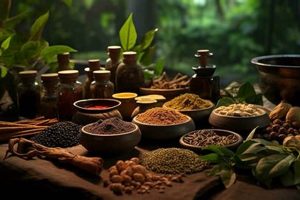
The use of plants and their extracts to manage blood sugar levels represents a long-standing practice in various cultures. This approach often involves consuming specific herbs, either in their natural form or as supplements, with the intention of improving glycemic control in individuals diagnosed with a metabolic disorder characterized by elevated glucose levels. Examples include incorporating cinnamon, ginger, or bitter melon into one’s diet, or taking standardized extracts of these or other traditionally used plants.
The appeal of employing natural remedies for health conditions stems from several factors, including perceived lower risk of side effects compared to pharmaceutical interventions and the potential for holistic well-being. Historically, plant-based medicine predates modern pharmaceuticals and has been a cornerstone of healthcare in many societies. The potential benefits include improved metabolic function, reduced inflammation, and enhanced antioxidant activity, although scientific evidence supporting these claims varies considerably.
The following discussion will explore the specific plants commonly associated with managing blood glucose, the scientific evidence supporting or refuting their effectiveness, potential risks and interactions, and the critical importance of consulting with qualified healthcare professionals before incorporating any alternative or complementary therapies into a diabetes management plan. It will also highlight the necessity of adhering to conventional medical treatments and lifestyle modifications as primary interventions.
The subsequent guidelines aim to provide informed perspectives on integrating plant-derived substances into the management of elevated blood sugar. These points are intended for educational purposes and should not replace professional medical advice.
Tip 1: Conduct Thorough Research: Investigate credible sources of information regarding the specific plant or extract under consideration. Focus on studies published in peer-reviewed journals and information provided by reputable medical organizations.
Tip 2: Consult with a Healthcare Professional: Prior to initiating any plant-based regimen, consult with a physician, endocrinologist, or qualified herbalist. This consultation is crucial to assess potential interactions with existing medications and to determine the appropriateness of the approach based on individual health status.
Tip 3: Verify Product Quality: If opting for herbal supplements, ensure they are obtained from reputable manufacturers who adhere to Good Manufacturing Practices (GMP). Third-party certification can provide additional assurance of product purity and potency.
Tip 4: Monitor Blood Glucose Levels: Regular self-monitoring of blood glucose is essential to evaluate the impact of any plant-based intervention. Maintain detailed records of glucose readings and share them with healthcare providers.
Tip 5: Adhere to Conventional Treatments: Plant-based approaches should be considered complementary to, not a replacement for, established medical treatments such as medication, diet, and exercise. Prioritize evidence-based strategies prescribed by medical professionals.
Tip 6: Be Aware of Potential Interactions: Many plants can interact with prescription medications, potentially altering their effectiveness or increasing the risk of adverse effects. Thoroughly research potential interactions before combining plant-based substances with pharmaceuticals.
Tip 7: Start with Low Doses: When introducing a new plant or extract, begin with a low dose and gradually increase it while closely monitoring for any adverse reactions. Discontinue use immediately if any concerning symptoms arise.
Tip 8: Understand the Limitations of Evidence: The scientific evidence supporting the efficacy of many plant-based treatments is often limited or inconclusive. Maintain a realistic perspective regarding the potential benefits and acknowledge the need for further research.
These guidelines emphasize the importance of informed decision-making, professional guidance, and a cautious approach when exploring plant-based approaches. Individual responses can vary, and careful monitoring is crucial.
The subsequent sections will delve into specific plants commonly discussed in relation to supporting healthy blood sugar levels, providing a nuanced perspective on their potential role within a comprehensive treatment strategy.
1. Safety considerations

The implementation of botanical remedies to manage blood sugar necessitates a thorough evaluation of safety considerations. These considerations are paramount, given the potential for adverse effects, interactions with conventional medications, and variations in product quality. A cautious approach is crucial to mitigating potential risks associated with incorporating such treatments into a comprehensive diabetes management plan.
- Potential for Adverse Effects
Individual responses to botanical substances can vary significantly. Certain herbs may induce gastrointestinal distress, allergic reactions, or other adverse effects. For example, high doses of cinnamon, often touted for its potential to improve insulin sensitivity, can cause liver damage in susceptible individuals. Rigorous monitoring and awareness of potential side effects are thus essential.
- Interactions with Conventional Medications
Botanical substances can interact with prescription medications, potentially altering their efficacy or increasing the risk of adverse events. St. John’s Wort, for instance, is known to interfere with various medications, including some used to manage diabetes. This underscores the importance of comprehensive disclosure of all ingested substances to healthcare providers.
- Variations in Product Quality
The herbal supplement industry lacks stringent regulatory oversight, leading to variations in product quality, potency, and purity. Some products may contain contaminants or misrepresent their active ingredient content. Selecting reputable manufacturers who adhere to Good Manufacturing Practices (GMP) and obtaining third-party certifications can mitigate these risks.
- Impact on Specific Populations
Certain populations, such as pregnant women, breastfeeding mothers, children, and individuals with pre-existing medical conditions, may be particularly vulnerable to the adverse effects of botanical substances. The safety of many herbs in these populations has not been adequately established, necessitating heightened caution and consultation with healthcare professionals.
The identified facets highlight the multi-faceted nature of safety considerations. Prioritizing patient safety necessitates a thorough understanding of the potential risks associated with botanical substances. The absence of robust scientific evidence supporting efficacy, combined with the potential for harm, underscores the importance of a conservative approach. Consultation with healthcare professionals is essential to navigating this complex landscape and making informed decisions regarding the incorporation of botanical remedies.
2. Scientific validation

The assertion that plant-derived treatments can effectively manage diabetes necessitates rigorous scientific validation. The absence of such validation raises concerns regarding efficacy, safety, and appropriate integration within standard medical care. Credible evidence is required to substantiate claims and inform responsible decision-making.
- Randomized Controlled Trials (RCTs)
RCTs are considered the gold standard for evaluating therapeutic interventions. In the context of herbal treatments, RCTs involve comparing the effects of a specific herb against a placebo or standard diabetes medication. For example, an RCT might assess the impact of cinnamon supplementation on HbA1c levels in individuals with type 2 diabetes. The results of these trials provide critical data regarding efficacy and potential side effects.
- Meta-Analyses and Systematic Reviews
These studies synthesize the findings of multiple individual studies to provide a comprehensive overview of the available evidence. Meta-analyses combine the statistical results of several studies, while systematic reviews assess the quality and validity of the included studies. A meta-analysis of RCTs evaluating a specific herb for diabetes management can provide a more definitive conclusion regarding its effectiveness than any single study.
- Mechanism of Action Studies
Understanding the mechanism by which an herb exerts its effects is crucial for establishing biological plausibility. In vitro and in vivo studies can investigate the specific molecular pathways influenced by a particular plant compound. For example, research might explore how berberine, a compound found in certain plants, affects glucose transport or insulin signaling. Elucidating the mechanism of action strengthens the scientific basis for the observed effects.
- Dosage and Standardization Studies
Determining the appropriate dosage and ensuring consistent standardization are essential for reproducible results. Studies are needed to establish the optimal dose of an herb for achieving therapeutic benefits while minimizing the risk of adverse effects. Standardization involves ensuring that each batch of an herbal product contains a consistent amount of the active compounds responsible for its effects. These studies are vital for translating research findings into practical recommendations.
The components described are essential for substantiating claims regarding the efficacy of botanical substances in supporting healthy blood sugar. The lack of rigorous scientific evidence for many herbal treatments remains a significant limitation. Without robust validation, healthcare professionals cannot confidently recommend these interventions as reliable components of a comprehensive treatment strategy. Further research, adhering to the highest scientific standards, is needed to clarify the potential role and limitations of herbal remedies within conventional medical approaches.
3. Dosage standardization
Dosage standardization is a critical determinant of the safety and efficacy of plant-derived interventions intended to manage blood glucose levels. The variability inherent in botanical products necessitates rigorous approaches to ensure consistent and predictable therapeutic effects.
- Ensuring Consistent Potency
Herbal products often contain varying concentrations of active compounds due to factors such as plant genetics, growing conditions, and extraction methods. Dosage standardization aims to quantify and adjust the amount of active constituents in each dose to ensure consistent potency. For example, a standardized extract of berberine, a compound found in several plants, would specify the percentage of berberine present, allowing for accurate dosing.
- Minimizing Variability in Bioavailability
Bioavailability refers to the extent to which an active compound is absorbed and utilized by the body. Variations in bioavailability can significantly impact the therapeutic effect of an herbal treatment. Dosage standardization may involve formulating herbal products to enhance absorption, such as through the use of specific excipients or delivery systems. This minimizes inter-individual differences in response and improves treatment consistency.
- Reducing the Risk of Adverse Effects
Inconsistent dosing can increase the risk of adverse effects, particularly with potent herbs that have a narrow therapeutic window. Dosage standardization helps to ensure that patients receive a consistent and safe amount of the active compounds. For instance, an overdose of certain herbal constituents may lead to liver toxicity or other organ damage. Accurate dosing mitigates these risks.
- Facilitating Clinical Research
Standardized dosages are essential for conducting rigorous clinical research on herbal treatments. Without standardized dosages, it is difficult to compare the results of different studies or to draw definitive conclusions about efficacy. Using standardized products in clinical trials ensures that all participants receive a consistent dose of the active compounds, allowing for more accurate assessment of treatment effects.
The facets described highlight the importance of dosage standardization. The inherent complexity and variability of herbal products necessitate rigorous processes to ensure consistent potency, minimize variability in bioavailability, reduce the risk of adverse effects, and facilitate clinical research. In the absence of proper dosage standardization, the safety and efficacy of botanical substances cannot be assured. Consequently, consulting qualified healthcare professionals is crucial prior to incorporating such treatments.
4. Potential interactions

The concurrent use of botanical remedies and conventional pharmaceuticals for blood glucose management presents a significant risk of potential interactions. These interactions can compromise the efficacy of prescribed medications, exacerbate existing health conditions, or lead to unforeseen adverse effects. A thorough understanding of these interactions is critical for ensuring patient safety and optimizing treatment outcomes.
- Pharmacokinetic Interactions
These interactions involve alterations in the absorption, distribution, metabolism, or excretion of conventional medications due to the presence of herbal constituents. For instance, certain herbs can inhibit or induce cytochrome P450 enzymes, which play a crucial role in drug metabolism. St. John’s Wort, for example, is a known inducer of CYP3A4, potentially reducing the effectiveness of oral hypoglycemic agents metabolized by this enzyme. Conversely, other herbs may inhibit drug transporters, increasing the systemic exposure of certain medications.
- Pharmacodynamic Interactions
These interactions involve synergistic or antagonistic effects between herbal remedies and conventional medications at the target site or receptor. For example, combining an herb with hypoglycemic properties with insulin or sulfonylureas can increase the risk of hypoglycemia. Conversely, certain herbs may antagonize the effects of insulin, leading to hyperglycemia. Careful monitoring of blood glucose levels is essential to detect and manage pharmacodynamic interactions.
- Herb-Disease Interactions
Certain herbal remedies may exacerbate existing medical conditions or contraindicate specific diseases. Individuals with liver or kidney dysfunction may be particularly vulnerable to the adverse effects of certain herbs. For example, the use of certain hepatotoxic herbs in individuals with pre-existing liver disease can further compromise liver function. Thorough medical history assessment is essential to identify potential herb-disease interactions.
- Impact on Coagulation
Several herbal remedies, such as garlic, ginger, and ginkgo, possess antiplatelet or anticoagulant properties. Combining these herbs with anticoagulant medications, such as warfarin or aspirin, can significantly increase the risk of bleeding. Careful monitoring of coagulation parameters, such as INR, is crucial when these combinations are used. Patients should be advised to inform their healthcare providers of all herbal supplements they are taking, particularly before undergoing any surgical procedures.
These examples illustrate the complex interplay between herbal remedies and conventional pharmaceuticals in the context of blood glucose management. The potential for interactions underscores the importance of comprehensive medication reconciliation, thorough patient education, and close collaboration between healthcare providers and patients. The perceived benefits of herbal approaches must be carefully weighed against the potential risks of interactions, ensuring that patient safety remains paramount.
5. Regulation oversight
The regulation of botanical substances intended for managing blood glucose presents a critical juncture in ensuring patient safety and product integrity. The lack of consistent and stringent oversight in this area raises substantial concerns regarding the quality, efficacy, and potential risks associated with these treatments.
- Varying Regulatory Standards Across Jurisdictions
The legal framework governing the manufacture and sale of herbal supplements varies significantly across different countries and regions. Some jurisdictions have established comprehensive regulatory agencies that mandate stringent quality control measures and require evidence of safety and efficacy before allowing products to be marketed. In contrast, other regions may have minimal or no regulatory oversight, allowing manufacturers to market herbal supplements without substantiating their claims or adhering to quality standards. This disparity creates opportunities for substandard or adulterated products to enter the marketplace, potentially posing risks to consumers. An example of differing standards can be seen when comparing the regulatory environment in Germany, where herbal medicines are often treated similarly to pharmaceuticals, versus that of the United States, where they are primarily regulated as dietary supplements.
- Challenges in Enforcing Existing Regulations
Even in jurisdictions with established regulatory frameworks, enforcement challenges can undermine the effectiveness of oversight efforts. Limited resources, complex supply chains, and the sheer volume of herbal products available can make it difficult for regulatory agencies to monitor compliance effectively. Adulteration, mislabeling, and the inclusion of banned substances in herbal supplements remain persistent problems, despite efforts to detect and prevent such practices. For instance, studies have revealed instances of herbal supplements containing undeclared pharmaceuticals or heavy metals, highlighting the challenges in ensuring product quality and safety.
- Impact on Product Quality and Consistency
The absence of robust regulation can lead to significant variations in product quality and consistency within the herbal supplement industry. Without standardized manufacturing processes and quality control measures, the concentration of active ingredients in herbal products can vary widely, leading to inconsistent therapeutic effects. Moreover, the potential for contamination with pesticides, heavy metals, or other adulterants is higher in unregulated products. This lack of quality control makes it difficult for consumers and healthcare providers to rely on the labeled ingredients and dosages, potentially compromising patient safety and treatment outcomes. For example, the levels of active compounds in different brands of the same herbal supplement can vary by several orders of magnitude, impacting both efficacy and safety.
- Implications for Consumer Safety and Informed Decision-Making
Inadequate regulation oversight directly impacts consumer safety and the ability to make informed decisions regarding herbal treatments. Without reliable information about the quality, safety, and efficacy of herbal products, consumers may unknowingly expose themselves to potential risks or spend money on ineffective treatments. Furthermore, the lack of regulatory scrutiny can create opportunities for deceptive marketing practices and unsubstantiated health claims, misleading consumers about the benefits of herbal supplements. Consumers must therefore exercise caution when choosing and using herbal treatments, seeking guidance from healthcare professionals and relying on products from reputable manufacturers who adhere to quality standards. The absence of mandatory adverse event reporting systems further exacerbates this issue, as it hinders the ability to detect and address potential safety concerns promptly.
The limitations in current oversight frameworks pose substantial challenges to ensuring the quality, safety, and efficacy of botanical interventions. Addressing these issues requires collaborative efforts involving regulatory agencies, manufacturers, healthcare providers, and consumers. Enhanced regulatory standards, improved enforcement mechanisms, and increased transparency in the herbal supplement industry are essential to protect consumer safety and promote responsible use of these treatments. Ongoing research is also needed to establish the efficacy and safety profiles of specific herbal remedies, providing evidence-based guidance for their appropriate integration within mainstream healthcare practices. The future of botanical treatments for diabetes lies in bridging the gap between traditional use and rigorous scientific validation, supported by a robust regulatory foundation.
Frequently Asked Questions Regarding Herbal Treatment for Diabetes
This section addresses common inquiries and clarifies prevalent misconceptions surrounding the utilization of plant-derived substances in managing diabetes. The information presented is intended for educational purposes and should not substitute for professional medical consultation.
Question 1: Are herbal treatments a safe and effective replacement for conventional diabetes medications?
Herbal treatments should not be considered a replacement for prescribed medications or lifestyle modifications recommended by healthcare professionals. While some herbs may possess properties that can influence blood glucose levels, their efficacy and safety profiles are not consistently established through rigorous scientific studies. Conventional medications, coupled with appropriate diet and exercise, remain the cornerstone of diabetes management.
Question 2: Can herbal remedies completely cure diabetes?
Currently, there is no scientific evidence to support the claim that herbal remedies can cure diabetes. Diabetes, particularly type 2, is a chronic condition that requires ongoing management. Herbal treatments may offer adjunctive benefits in some cases, but they do not address the underlying pathophysiology of the disease or eliminate the need for conventional medical care.
Question 3: What are the potential risks associated with using herbal treatments for diabetes?
The use of herbal treatments for diabetes carries potential risks, including interactions with prescribed medications, adverse side effects, and variations in product quality. Some herbs may interact with antidiabetic drugs, altering their effectiveness or increasing the risk of hypoglycemia. Additionally, herbal supplements are not subject to the same stringent regulatory standards as pharmaceuticals, leading to concerns about purity, potency, and consistency.
Question 4: How should one approach the use of herbal treatments for diabetes safely?
Individuals considering herbal treatments for diabetes should first consult with their healthcare provider to discuss the potential risks and benefits. It is essential to disclose all medications and supplements being taken to avoid potential interactions. If a healthcare professional deems herbal treatment appropriate, products should be sourced from reputable manufacturers and used under medical supervision.
Question 5: Are there any specific herbs that are scientifically proven to be effective in managing diabetes?
While some herbs have shown promise in preliminary studies, conclusive evidence supporting their efficacy in managing diabetes is often lacking. Herbs such as cinnamon, bitter melon, and fenugreek have been investigated for their potential effects on blood glucose levels, but further research is needed to confirm their benefits and establish appropriate dosages. The quality and rigor of existing studies vary considerably.
Question 6: What role do lifestyle modifications play in managing diabetes alongside potential herbal treatments?
Lifestyle modifications, including a balanced diet, regular physical activity, and weight management, are fundamental to diabetes management and should not be overshadowed by the pursuit of herbal treatments. These interventions are supported by extensive scientific evidence and are essential for controlling blood glucose levels, reducing cardiovascular risk, and improving overall health outcomes. They form the foundation upon which any additional therapies, including herbal remedies, should be considered.
The information provided emphasizes the importance of evidence-based decision-making, medical supervision, and a comprehensive approach to diabetes management. Herbal treatments should be viewed with caution and integrated only under the guidance of qualified healthcare professionals.
The subsequent segment will explore the future directions of research in herbal medicine and its potential role in diabetes care.
Conclusion
The preceding analysis has examined the multifaceted nature of herbal treatment for diabetes, outlining both its potential and inherent limitations. A critical perspective is warranted when considering the integration of plant-derived substances into conventional diabetes management protocols. The efficacy of many herbal remedies lacks robust scientific validation, while concerns regarding safety, dosage standardization, and potential interactions with pharmaceuticals persist. These factors necessitate a cautious and informed approach, prioritizing patient safety and evidence-based decision-making.
The ongoing exploration of botanical treatments requires rigorous scientific investigation to ascertain their true therapeutic value and to establish clear guidelines for their responsible utilization. Individuals considering such interventions should seek counsel from qualified healthcare professionals, ensuring that any adjunctive therapies complement, rather than compromise, established medical care. The future of herbal medicine in diabetes management hinges on bridging the gap between traditional use and rigorous scientific validation, thereby fostering a safe and effective integration into mainstream healthcare practices.