Phytotherapeutic approaches to alleviating dental pain encompass the utilization of plant-derived substances known for their analgesic and anti-inflammatory properties. These natural treatments aim to reduce discomfort associated with toothaches, addressing symptoms through topical application or oral ingestion of extracts and preparations from various herbs. Examples include clove oil, recognized for its eugenol content, and preparations derived from plants like chamomile and peppermint, traditionally employed for their soothing effects.
The appeal of plant-based solutions for dental pain management lies in their accessibility, affordability, and perceived lower risk of adverse effects compared to synthetic pharmaceuticals. Historically, many cultures have relied on such treatments, with evidence of their use dating back centuries. Furthermore, the potential for these remedies to provide symptomatic relief while minimizing systemic impact makes them an attractive option for individuals seeking alternative or complementary approaches to conventional dental care.
The subsequent sections will explore specific plant-based agents commonly used for addressing dental pain, detailing their purported mechanisms of action, traditional uses, and any available scientific evidence supporting their efficacy. Considerations regarding appropriate application methods, potential interactions, and limitations will also be discussed, providing a balanced perspective on the role of these therapies in oral health management.
Guidance on Utilizing Plant-Based Approaches for Dental Discomfort
The following recommendations offer insights into the appropriate and informed application of botanicals for temporary toothache mitigation. It is imperative to recognize these suggestions are not substitutes for professional dental assessment and treatment.
Tip 1: Clove Oil Application: Dilute clove oil with a carrier oil, such as olive or coconut oil, in a 1:4 ratio. Apply a small amount of the diluted solution to a cotton swab and gently dab it onto the affected tooth and surrounding gum tissue. Excessive undiluted clove oil can cause irritation.
Tip 2: Peppermint Tea Rinse: Prepare a strong peppermint tea by steeping dried peppermint leaves in hot water for 15-20 minutes. Allow the tea to cool to a comfortable temperature and use it as a mouth rinse, swishing it around the affected area for several minutes. Peppermint possesses mild analgesic and anti-inflammatory properties.
Tip 3: Chamomile Compress: Steep chamomile tea bags in hot water, then allow them to cool slightly. Apply the warm, moist tea bag directly to the affected area of the gum. Chamomile exhibits soothing and anti-inflammatory effects.
Tip 4: Garlic Application: Crush a clove of garlic to release its allicin content, known for its antibacterial properties. Apply the crushed garlic directly to the affected tooth for a short duration, exercising caution to avoid prolonged contact with sensitive tissues. Rinse thoroughly afterward.
Tip 5: Salt Water Rinse: Dissolve a half teaspoon of salt in a cup of warm water. Rinse the mouth thoroughly with the solution for 30 seconds, repeating several times a day. This helps to cleanse the area and reduce inflammation.
Tip 6: Consider Propolis: Propolis, a resinous mixture collected by honeybees, possesses antimicrobial and anti-inflammatory properties. A small amount of propolis extract, available in some health stores, can be applied topically to the affected area. Conduct a patch test first to check for allergic reactions.
Tip 7: Ensure Proper Hygiene: Maintain diligent oral hygiene practices, including brushing and flossing, to prevent further irritation and infection. Gentle brushing around the affected area is recommended, avoiding excessive pressure.
These guidelines underscore the importance of employing plant-derived substances judiciously and with a comprehensive understanding of their potential benefits and limitations. The effectiveness of these approaches may vary, and they should be regarded as temporary measures pending professional dental intervention.
The subsequent sections will discuss precautions, potential side effects, and contraindications associated with the use of these approaches. Emphasizing responsible usage and the necessity of consulting with dental professionals.
1. Analgesic plant identification

Accurate identification of analgesic plants constitutes a foundational element in the safe and effective application of phytotherapeutic approaches for toothache relief. The misuse of botanicals, stemming from misidentification, can lead to adverse effects ranging from mild irritation to severe systemic reactions. The specific chemical constituents responsible for the analgesic properties vary considerably across plant species; therefore, substituting one plant for another based on superficial similarities can result in ineffective treatment or, more alarmingly, toxic exposure. For instance, mistaking a toxic plant for chamomile, a common ingredient in soothing teas, could have detrimental consequences.
The practice of plant identification relies on a synthesis of morphological analysis, phytochemical screening, and, increasingly, molecular techniques. Traditional knowledge passed down through generations of herbalists often provides valuable insights, but it must be corroborated by scientific validation. Reputable suppliers of herbal remedies should provide detailed information regarding the botanical source of their products, including the scientific name (genus and species) and certification of authenticity. Furthermore, individuals seeking to utilize plants directly for toothache relief should consult with qualified herbalists or botanists to ensure accurate species determination and appropriate preparation methods. The risk of contamination with other plants or adulteration with synthetic substances also highlights the importance of sourcing herbal products from reputable vendors.
In summary, analgesic plant identification is not merely an academic exercise but a critical safeguard for the responsible use of phytotherapy in managing dental pain. The potential for misidentification to compromise treatment efficacy and patient safety underscores the need for rigorous authentication procedures and knowledgeable guidance. As the interest in plant-based remedies continues to grow, prioritizing accurate plant identification remains paramount to harnessing the benefits of nature while mitigating the associated risks.
2. Preparation methodologies

The efficacy of plant-based substances in providing toothache relief is critically dependent upon the method employed to prepare the herbal remedy. Inadequate or inappropriate preparation can compromise the extraction of active compounds, diminish therapeutic potential, and, in some instances, introduce safety concerns.
- Infusion Techniques
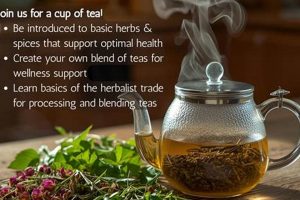
Infusion involves steeping plant material, typically leaves or flowers, in hot water to extract water-soluble constituents. This method is commonly used for preparing herbal teas, such as chamomile or peppermint, intended for oral rinsing. Water temperature and steeping time are crucial parameters; excessive heat can degrade sensitive compounds, while insufficient steeping may result in incomplete extraction. The concentration of the resulting infusion directly impacts its analgesic and anti-inflammatory effects.
- Decoction Processes
Decoction, in contrast to infusion, involves simmering tougher plant parts, such as roots, barks, or seeds, in water for an extended period. This method is employed to extract compounds that are less readily released through simple steeping. For instance, preparing a decoction from certain herbal barks with purported analgesic properties requires careful control of simmering time to avoid over-extraction of tannins, which can be astringent and irritating to oral tissues.
- Tincture Production
Tinctures involve extracting plant constituents using a solvent, typically alcohol or a combination of alcohol and water. Alcohol is an effective solvent for a wide range of compounds, including resins and oils that are not water-soluble. Tinctures offer a concentrated form of the herbal remedy and are often diluted before use. However, the alcohol content may be a contraindication for certain individuals, and appropriate dilution is necessary to prevent mucosal irritation.
- Oil Extraction and Formulation
Oil extraction involves macerating or distilling plant material in a carrier oil to extract lipophilic compounds. Clove oil, a well-known remedy for toothache, is often prepared through steam distillation of clove buds. The purity and concentration of the resulting oil are critical factors influencing its efficacy and safety. Dilution with a carrier oil, such as olive or coconut oil, is essential before topical application to minimize the risk of irritation.
These preparation methodologies underscore the nuanced relationship between the extraction process and the therapeutic outcome. Selecting the appropriate method, controlling critical parameters such as temperature, time, and solvent, and ensuring proper dilution are all essential steps in maximizing the potential benefits of plant-based substances for toothache relief. The success and safety of these approaches hinge on a thorough understanding of these preparation techniques.
3. Safe dosage parameters

Establishing safe dosage parameters is paramount in the application of plant-based treatments for dental pain. Due to the inherent variability in plant composition, individual sensitivity, and potential interactions, precise dosage guidelines are essential to minimize adverse effects and maximize therapeutic benefits. The lack of standardized dosage protocols for many herbal remedies necessitates a cautious and informed approach.
- Concentration Variability
The concentration of active compounds within a given plant species can vary significantly depending on factors such as growing conditions, harvesting practices, and processing methods. This variability makes it challenging to determine a universally safe and effective dose. For example, clove oil derived from different sources may exhibit considerable differences in eugenol concentration, the primary analgesic component. Consequently, a dosage that is safe for one preparation may be excessive or insufficient for another. Clinicians should carefully evaluate the source and preparation method when recommending dosage guidelines.
- Individual Sensitivity
Individuals exhibit varying degrees of sensitivity to plant-based substances. Factors such as age, weight, overall health status, and genetic predispositions can influence an individual’s response to a particular herbal remedy. Allergic reactions, although relatively uncommon, are a potential concern and necessitate careful monitoring. A small initial dose is often recommended to assess individual tolerance before escalating to a higher dose. For instance, individuals with known allergies to plants in the Asteraceae family (e.g., chamomile, ragweed) may be more susceptible to allergic reactions from chamomile-based toothache remedies.
- Route of Administration
The route of administration significantly impacts the bioavailability and potential toxicity of herbal remedies. Topical application, such as applying diluted clove oil directly to the affected tooth, typically involves lower systemic exposure compared to oral ingestion. However, even topical application can lead to systemic absorption, particularly if the treated area is inflamed or if the remedy is applied excessively. Oral ingestion of herbal remedies carries a higher risk of systemic side effects and drug interactions. Clear guidance on the appropriate route of administration is essential for ensuring patient safety.
- Potential Interactions
Plant-based remedies can interact with conventional medications, potentially altering their efficacy or increasing the risk of adverse effects. Some herbs may inhibit or induce metabolic enzymes, affecting the metabolism of drugs. For example, St. John’s Wort, although not typically used for toothache, is a potent inducer of cytochrome P450 enzymes and can reduce the effectiveness of many medications. Thoroughly assessing a patient’s medication history and considering potential herb-drug interactions is crucial before recommending any herbal remedy for toothache relief. Concurrent use of anticoagulants and certain herbs should be approached with particular caution due to the potential for increased bleeding risk.
In conclusion, safe dosage parameters for plant-based approaches to toothache relief necessitate a multifaceted approach that considers concentration variability, individual sensitivity, route of administration, and potential interactions. The absence of standardized dosage protocols underscores the importance of cautious usage, informed decision-making, and, where appropriate, consultation with qualified healthcare professionals. The pursuit of plant-based alternatives should not compromise patient safety; adherence to established guidelines and a commitment to responsible practice are essential.
4. Potential interactions awareness

The concurrent use of plant-based remedies and conventional medications presents a significant consideration in healthcare. An understanding of potential interactions is critical for ensuring patient safety and optimizing therapeutic outcomes, especially when considering treatments for conditions like toothache.
- Cytochrome P450 Enzyme Modulation
Many herbs can modulate the activity of cytochrome P450 (CYP) enzymes, a family of enzymes responsible for metabolizing numerous drugs. Inhibition of CYP enzymes can lead to increased drug concentrations, potentially causing toxicity. Conversely, induction of CYP enzymes can decrease drug concentrations, reducing their effectiveness. For instance, while not a typical toothache remedy, St. John’s Wort’s potent CYP3A4 induction could affect the metabolism of analgesics or antibiotics prescribed for dental infections. Awareness of such enzyme modulation is vital to avoid unintended consequences.
- Anticoagulant and Antiplatelet Effects
Certain herbs possess anticoagulant or antiplatelet properties, increasing the risk of bleeding when combined with medications like warfarin or aspirin. While specific to toothache, herbs like ginger and garlic, often consumed for general health, can exhibit these effects. Patients undergoing dental procedures or taking anticoagulant medications should exercise caution and inform their healthcare providers about any herbal supplements they are using to mitigate potential bleeding complications.
- Additive Sedative Effects
Some herbal remedies, such as chamomile or valerian, have sedative properties. Concurrent use with central nervous system depressants, including certain pain medications or anxiety drugs, can lead to additive sedative effects, resulting in excessive drowsiness, impaired cognitive function, or respiratory depression. Patients should be advised to avoid operating heavy machinery or engaging in activities requiring alertness when combining sedative herbs with other depressants.
- Competition for Receptor Sites
Herbal constituents can sometimes compete with conventional drugs for binding sites on receptors or transport proteins, affecting drug absorption, distribution, metabolism, or excretion. Although direct examples related to common toothache medications might be limited, the principle applies broadly to drug-herb interactions. A theoretical instance might involve an herb interfering with the absorption of an antibiotic prescribed for a dental infection, thereby reducing its efficacy.
In summary, potential interactions between plant-based remedies and conventional medications represent a significant consideration in managing toothache and other conditions. Awareness of enzyme modulation, anticoagulant effects, additive sedative properties, and competition for receptor sites is crucial for healthcare professionals and patients alike. Open communication, careful monitoring, and a thorough understanding of potential interactions are essential to ensure safe and effective treatment outcomes when using herbal approaches alongside conventional therapies.
5. Symptomatic temporary alleviation

The realm of plant-based treatments for dental pain is fundamentally characterized by its capacity for symptomatic temporary alleviation. Herbal remedies, in this context, serve primarily as interventions to reduce pain and discomfort rather than addressing the underlying causes of the toothache. This distinction is critical in understanding the role and limitations of these approaches. For instance, the application of clove oil, known for its eugenol content, provides localized analgesia, effectively numbing the affected area and reducing pain perception. However, the presence of a cavity, infection, or structural damage remains unaddressed, and the pain will likely recur once the effects of the clove oil subside.
The value of symptomatic temporary alleviation resides in its ability to provide respite from acute pain, allowing individuals to function more comfortably while seeking professional dental care. Herbal remedies can serve as a bridge, offering relief until definitive treatment, such as a filling, root canal, or extraction, can be obtained. Furthermore, these approaches may be particularly useful in situations where immediate access to dental care is limited, such as in remote areas or during travel. The key, however, is to recognize that symptomatic relief is not a substitute for addressing the etiology of the toothache. Neglecting to seek professional dental evaluation and relying solely on plant-based remedies can lead to disease progression and potentially more serious complications.
In conclusion, plant-derived treatments for toothache are best viewed as a means of achieving symptomatic temporary alleviation. Their primary role is to reduce pain and discomfort, providing a temporary window of relief. While these remedies can be valuable adjuncts to conventional dental care, they must not be misconstrued as a replacement for professional diagnosis and treatment. The long-term management of toothache necessitates addressing the underlying cause, and plant-based interventions should be integrated into a comprehensive treatment plan under the guidance of a qualified dental professional. This approach ensures both immediate comfort and sustained oral health.
Frequently Asked Questions
The subsequent questions address common inquiries regarding the use of plant-derived substances for the management of toothache. These answers are intended to provide clarification and promote informed decision-making.
Question 1: Are plant-based remedies a substitute for professional dental care?
Plant-based remedies offer temporary symptomatic relief from toothache. These remedies do not address the underlying causes of dental pain, such as cavities, infections, or structural damage. Consequently, they should not be considered a substitute for professional dental evaluation and treatment.
Question 2: What are the potential risks associated with using plant-based remedies for toothache?
Potential risks include allergic reactions, interactions with conventional medications, and the masking of underlying dental problems. Some herbal preparations may cause irritation or damage to oral tissues if used improperly. It is important to exercise caution and seek guidance from qualified healthcare providers.
Question 3: How quickly can plant-based remedies provide relief from toothache?
The onset of relief varies depending on the individual, the severity of the toothache, and the specific remedy used. Some individuals may experience noticeable relief within minutes, while others may require longer or may not experience significant relief at all. The effectiveness of these remedies is not guaranteed.
Question 4: Is there scientific evidence to support the effectiveness of plant-based remedies for toothache?
While some plant-based remedies, such as clove oil, have been investigated in scientific studies, the evidence supporting their effectiveness is often limited or inconclusive. More rigorous research is needed to fully evaluate the efficacy of these approaches. Traditional use does not necessarily equate to proven effectiveness.
Question 5: Can plant-based remedies cure a toothache?
Plant-based remedies alleviate the symptoms of a toothache, such as pain and inflammation. These remedies do not address the underlying cause. A cure necessitates professional dental intervention to resolve the underlying dental problem, such as a cavity or infection.
Question 6: How can one ensure the safety of using plant-based remedies for toothache?
To ensure safety, one should source herbal products from reputable suppliers, follow recommended dosage guidelines, and be aware of potential interactions with conventional medications. Consulting with a qualified herbalist or healthcare provider is advisable. If symptoms worsen or persist, seek professional dental care immediately.
Plant-derived treatments for toothache primarily address symptoms and offer temporary relief. A comprehensive understanding of their limitations and potential risks, as well as adherence to professional guidance, are essential for responsible use.
The subsequent sections will delve into the legal and regulatory aspects surrounding the use of plant-derived treatments for dental pain.
Conclusion
This exploration of herbal remedies for toothache relief has illuminated both the potential benefits and inherent limitations of employing plant-derived substances for managing dental pain. While certain botanicals, such as clove oil, exhibit analgesic and anti-inflammatory properties capable of providing temporary symptomatic alleviation, these remedies do not address the underlying etiologies of toothaches. The importance of accurate plant identification, appropriate preparation methodologies, and adherence to safe dosage parameters cannot be overstated, given the risks of adverse reactions and potential interactions with conventional medications. Furthermore, the role of these remedies is strictly adjunctive; they should not be considered substitutes for professional dental evaluation and treatment.
Ultimately, the responsible utilization of herbal remedies for toothache relief necessitates a discerning approach, one grounded in scientific understanding and clinical awareness. Individuals experiencing persistent or severe dental pain are strongly encouraged to seek prompt professional dental care to ensure accurate diagnosis and appropriate intervention. The future integration of plant-based approaches into dental practice may involve further research to validate efficacy and establish standardized protocols, but the primary focus must remain on evidence-based care that prioritizes patient safety and long-term oral health.