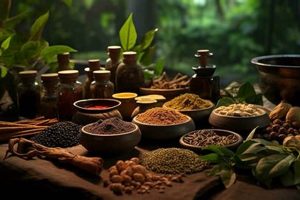
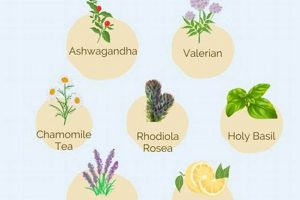
Management of menopausal symptoms through botanical remedies represents an area of increasing interest. This approach utilizes plant-derived substances, often prepared as teas, capsules, or tinctures, to address the hormonal shifts and associated discomforts experienced during this transitional phase of life. These remedies differ from conventional hormone replacement therapy (HRT) by focusing on naturally occurring compounds thought to interact with the body’s endocrine system or alleviate specific symptoms.
The appeal of using botanicals during menopause stems from their perceived gentler impact and potential to avoid some of the side effects associated with pharmaceutical interventions. Historically, diverse cultures have relied on traditional plant-based medicines for women’s health. Today, research explores the efficacy of various herbs in mitigating hot flashes, mood swings, sleep disturbances, and other common menopausal complaints. However, it’s important to consider the source and preparation of these treatments, as well as potential interactions with other medications.
The subsequent discussion will delve into specific examples of commonly used botanicals, examine the scientific evidence supporting their use, and address important considerations regarding safety and optimal implementation.A deeper exploration will discuss specific botanical options, review the scientific support behind their use, and provide information about safety considerations.
Guidance on Botanical Approaches to Menopause
This section offers guidance regarding the use of plant-derived remedies for managing menopausal symptoms. It is imperative to consult with a healthcare professional before initiating any new treatment regimen.
Tip 1: Research and Choose Wisely: Prior to initiating any botanical approach, research potential herbs thoroughly. Focus on those with documented traditional use and emerging scientific evidence supporting their efficacy. Verify the source and quality of the herbal product to ensure purity and accurate labeling.
Tip 2: Prioritize Professional Consultation: Engage in a comprehensive consultation with a qualified healthcare provider, such as a physician specializing in women’s health or a trained herbalist. Discuss medical history, current medications, and potential contraindications to avoid adverse interactions.
Tip 3: Start with Low Doses: Initiate treatment with low doses of the selected herb(s) and gradually increase as needed, while closely monitoring for any adverse effects. This approach minimizes the risk of intolerance or allergic reactions.
Tip 4: Maintain a Symptom Journal: Keep a detailed record of menopausal symptoms, including frequency, intensity, and any associated discomfort. Document the specific botanical remedy being used, dosage, and any observed changes in symptom severity over time. This information will assist in evaluating the treatment’s effectiveness.
Tip 5: Be Patient and Consistent: Botanical remedies may require several weeks or months to exert their full effects. Maintain consistent adherence to the prescribed dosage and treatment plan. Avoid abrupt discontinuation, as this may lead to a resurgence of symptoms.
Tip 6: Consider Combination Therapies: In some cases, a holistic approach combining botanical remedies with other lifestyle modifications, such as dietary adjustments, exercise, and stress management techniques, may provide enhanced symptom relief.
Tip 7: Acknowledge Limitations and Seek Alternative Solutions: Botanical remedies may not be suitable for all individuals or may not provide complete symptom relief. If symptoms persist or worsen despite adherence to a well-designed botanical treatment plan, consider exploring alternative therapeutic options under the guidance of a healthcare professional.
The appropriate application of botanical remedies for menopause management requires careful consideration, informed decision-making, and ongoing collaboration with qualified healthcare providers. This approach can offer potential benefits when implemented safely and judiciously.
The article will proceed to explore potential risks and adverse effects associated with this approach.
1. Symptom Severity Reduction

The primary objective for many seeking botanical interventions during menopause is symptom severity reduction. Menopause is characterized by a decline in ovarian hormone production, resulting in a constellation of symptoms that significantly impact daily life. These include vasomotor symptoms such as hot flashes and night sweats, psychological symptoms like mood lability and sleep disturbances, and physical symptoms such as vaginal dryness and decreased libido. Botanical remedies are frequently investigated for their potential to alleviate these discomforts, offering an alternative or complementary approach to conventional hormone replacement therapy.
The mechanism through which certain plants achieve symptom severity reduction is often attributed to phytoestrogens, compounds that weakly bind to estrogen receptors. Examples include isoflavones found in soy and red clover. While the estrogenic activity of these compounds is considerably less potent than endogenous estrogen, they can provide some relief from estrogen deficiency symptoms. Other botanicals, such as black cohosh, are hypothesized to exert their effects through pathways other than direct estrogen receptor binding, potentially influencing neurotransmitter systems involved in thermoregulation and mood. It is essential to acknowledge the complexity of these mechanisms and that the effectiveness of individual herbs can vary considerably depending on factors like dosage, preparation, and individual physiology. For example, some women may experience a significant reduction in hot flash frequency and intensity with black cohosh, while others find it ineffective.
Ultimately, symptom severity reduction represents a critical endpoint in evaluating the value of any therapeutic intervention for menopause. While botanical approaches may offer a promising avenue for mitigating menopausal discomforts, the quality of evidence supporting their efficacy varies. Rigorous research, including well-designed clinical trials, is essential to determine the true potential and limitations of each botanical remedy. Furthermore, any decision to use herbal therapies should be made in consultation with a qualified healthcare provider to ensure safety and to avoid potential interactions with existing medications. The goal remains optimizing well-being and minimizing the negative impact of menopausal symptoms on a woman’s quality of life.
2. Hormonal Balance Support

Hormonal balance support is often cited as a rationale for utilizing plant-derived remedies during menopause. The premise rests on the idea that certain botanicals may possess the capacity to modulate or mitigate the hormonal fluctuations characteristic of this life stage. Menopause is defined by a decline in ovarian function, leading to decreased estrogen and progesterone production. This hormonal shift triggers a range of symptoms, including hot flashes, mood changes, and sleep disturbances. Consequently, therapeutic strategies often target the restoration or maintenance of hormonal equilibrium.
Botanicals purported to offer hormonal balance support typically contain phytoestrogens, plant-derived compounds exhibiting structural similarity to human estrogen. These phytoestrogens, such as isoflavones found in soy and red clover, can bind to estrogen receptors in the body, potentially exerting estrogenic or anti-estrogenic effects depending on the tissue and the individual’s hormonal milieu. For example, some studies suggest that isoflavones may reduce hot flash frequency and severity in certain women. However, the precise mechanisms of action and the overall clinical significance of phytoestrogens remain subjects of ongoing investigation. Other herbs, such as black cohosh, are traditionally used for menopausal symptoms, although their mechanisms of action are not fully elucidated and may not directly involve estrogen receptor binding. It is imperative to acknowledge that while the concept of hormonal balance support is appealing, the scientific evidence supporting the efficacy of botanicals in achieving this goal is often limited and inconsistent.
While hormonal balance support is a key consideration for botanical approaches for menopause, it must be viewed with caution. The effectiveness of these remedies can vary significantly among individuals, and potential risks and interactions with other medications should be carefully evaluated. Consultation with a qualified healthcare professional is essential to determine whether botanical therapies are appropriate and safe for a given individual, and to ensure that they are used as part of a comprehensive and individualized management plan.
3. Side Effect Minimization

The pursuit of side effect minimization forms a central tenet in the consideration of botanical remedies for menopausal symptom management. Conventional hormone replacement therapy (HRT), while effective for many, is associated with potential adverse effects, including increased risk of thromboembolic events, stroke, and, in some cases, certain cancers. This concern motivates some individuals to explore alternative treatment modalities perceived as having a more favorable safety profile.
Botanical approaches, by their nature, are often viewed as gentler interventions compared to synthetic hormones. However, it is crucial to acknowledge that “natural” does not equate to “safe” or “without side effects.” Certain herbs, while generally well-tolerated, can still elicit adverse reactions in sensitive individuals. For example, black cohosh has been linked to liver toxicity in rare cases, and St. John’s Wort can interact with various medications, including antidepressants and anticoagulants. Phytoestrogens, present in soy and red clover, have raised concerns regarding potential estrogenic effects on hormone-sensitive tissues, although the clinical significance of these effects remains under investigation. Therefore, a comprehensive assessment of potential risks and benefits is essential before initiating any botanical treatment regimen.
The practical significance of side effect minimization lies in optimizing the overall well-being of menopausal women. If botanical remedies can effectively alleviate symptoms with fewer adverse events compared to conventional therapies, they may represent a valuable option for specific individuals. However, transparency regarding potential side effects and thorough monitoring are paramount. Any new symptoms or unexpected reactions should be promptly reported to a healthcare provider. Ultimately, the decision to pursue botanical therapies should be based on a collaborative assessment of individual risk factors, symptom severity, and treatment goals, with a strong emphasis on informed consent and patient safety.
4. Individualized Treatment Plans

The successful application of plant-derived remedies for menopausal symptom management hinges on the implementation of individualized treatment plans. Menopause presents with a heterogeneous array of symptoms, varying significantly in type, intensity, and impact on quality of life. A standardized, one-size-fits-all approach is unlikely to yield optimal results. Individual factors, including medical history, current medications, symptom profile, and lifestyle considerations, necessitate a tailored therapeutic strategy.
The selection of specific botanicals, dosages, and administration methods should be guided by a thorough assessment of the individual’s unique needs and preferences. For instance, an individual experiencing primarily vasomotor symptoms may benefit from black cohosh or red clover, while one grappling with mood disturbances might find relief with St. John’s Wort or saffron. Furthermore, potential interactions between herbal remedies and existing medications must be carefully evaluated to prevent adverse events. Consider a woman with a history of estrogen-sensitive breast cancer; the use of phytoestrogens-containing herbs would warrant extreme caution and careful consideration of alternative options. Another example is a person taking anticoagulants; herbs such as ginger, garlic, and ginkgo, which possess blood-thinning properties, should be used with careful monitoring due to the potential increased risk of bleeding. The practical significance lies in optimizing treatment efficacy and minimizing the risk of adverse effects.
In conclusion, individualized treatment plans are indispensable for safe and effective utilization of plant-derived remedies in menopause management. This approach requires comprehensive assessment, informed decision-making, and ongoing collaboration between the individual and a qualified healthcare provider. Challenges exist in the form of limited research on specific herbal combinations and the variability in product quality. However, by prioritizing personalization, the potential for successful symptom relief and improved quality of life can be maximized.
5. Quality Herbal Sourcing

The efficacy and safety of botanical remedies for menopause management are inextricably linked to the quality of herbal sourcing. Substandard sourcing practices can compromise the integrity of herbal products, leading to diminished therapeutic effects and potential health risks. Therefore, attention to sourcing practices is paramount.
- Authentication and Identification
Accurate identification of plant species is critical. Adulteration, where inferior or unrelated plant material is substituted for the desired herb, is a significant concern. Reputable suppliers employ methods such as macroscopic and microscopic examination, as well as chemical fingerprinting techniques, to authenticate plant material and ensure its identity. For instance, incorrectly identified black cohosh has been found in some commercial products, substituting it with a related species that lacks the same therapeutic properties.
- Cultivation and Harvesting Practices
Environmental factors during cultivation and harvesting can significantly impact the quality and safety of herbal products. Plants grown in contaminated soil may accumulate heavy metals or pesticides. Sustainable harvesting practices are essential to prevent overexploitation of wild populations and to ensure the long-term availability of medicinal plants. Ethical suppliers prioritize organic cultivation methods and responsible wildcrafting practices to minimize environmental impact and to ensure the purity of their products.
- Processing and Manufacturing Standards
The methods used to process and manufacture herbal products can influence their potency and stability. Improper drying, storage, or extraction techniques can degrade active compounds and reduce therapeutic efficacy. Manufacturers adhering to Good Manufacturing Practices (GMP) implement quality control measures at every stage of production, from raw material testing to finished product analysis, to ensure consistency and purity. For example, standardized extracts, where the concentration of key active compounds is consistently maintained, offer greater reliability compared to non-standardized preparations.
- Third-Party Testing and Certification
Independent third-party testing provides an additional layer of quality assurance. Reputable organizations conduct rigorous testing for identity, purity, potency, and the absence of contaminants such as heavy metals, pesticides, and microbial pathogens. Products bearing certifications from recognized organizations such as the U.S. Pharmacopeia (USP) or NSF International have undergone independent verification, providing consumers with greater confidence in their quality and safety. It is important to note that certifications only cover what has been tested in the products.
In summary, quality herbal sourcing is a non-negotiable aspect of utilizing botanical remedies for menopause. Prioritizing suppliers committed to authentication, sustainable practices, rigorous quality control, and independent testing is essential to ensure the safety and efficacy of herbal products and to maximize their potential benefits for menopausal women. The lack of rigorous quality control can lead to products that are ineffective or even harmful, underscoring the importance of careful sourcing.
Frequently Asked Questions
The following addresses common inquiries regarding the use of plant-derived remedies to manage menopausal symptoms. The information provided is for educational purposes and does not constitute medical advice. Consultation with a qualified healthcare professional is always recommended.
Question 1: Are botanical remedies a safe alternative to hormone replacement therapy (HRT) for all women experiencing menopause?
Botanical remedies are not universally suitable for all women. Safety and efficacy are dependent on individual health status, potential interactions with existing medications, and the specific botanical agent being considered. Women with hormone-sensitive conditions or a history of certain medical ailments should exercise caution and seek expert medical advice before usage. It is recommended to always check with the doctor if you are not sure about the herbal treatment you want to use.
Question 2: What is the evidence supporting the effectiveness of botanical remedies for menopausal symptoms?
The evidence base for botanical remedies varies. Some herbs, such as black cohosh, have demonstrated efficacy in alleviating vasomotor symptoms in some studies. Other remedies have limited scientific support. Rigorous, well-controlled clinical trials are needed to establish the true potential and limitations of most botanical agents. More scientific data is needed to prove its effectiveness.
Question 3: How can one ensure the quality and purity of botanical products?
Select products from reputable manufacturers adhering to Good Manufacturing Practices (GMP). Look for products that have undergone third-party testing for identity, purity, and potency. Avoid products with vague labeling or unsubstantiated claims. It is recommended to do more research on the companies that are selling these botanical products and to ensure that they are safe for usage.
Question 4: Can botanical remedies interact with prescription medications?
Yes, botanical remedies can interact with prescription medications. St. John’s Wort, for example, is known to interact with antidepressants, anticoagulants, and certain other drugs. Always inform a healthcare provider about all medications and supplements being taken to avoid potentially harmful interactions. Failing to inform your doctor can result in more harm to your body.
Question 5: Are there any specific botanical remedies that should be avoided during menopause?
Certain botanicals may be contraindicated for specific individuals. Women with a history of hormone-sensitive cancers should exercise caution with phytoestrogen-containing herbs. Individuals with liver disease should avoid botanicals with known hepatotoxic potential. A thorough medical evaluation is essential before initiating any herbal treatment. Always be cautious when using these botanical treatments.
Question 6: How long does it typically take to experience the benefits of botanical remedies for menopause?
The time frame for experiencing benefits can vary. Some individuals may notice improvements within a few weeks, while others may require several months of consistent use. Patience and realistic expectations are important. If symptoms persist or worsen, consult a healthcare provider. Don’t expect these treatments to be quick, it takes time.
Botanical interventions represent a potential option for managing menopausal symptoms, but they are not without limitations. Informed decision-making, based on individual health status and scientific evidence, is paramount.
The subsequent section will address lifestyle modifications as an adjunct to botanical therapies for optimizing menopausal well-being.
Natural Herbal Treatment for Menopause
This exploration has detailed various aspects of natural herbal treatment for menopause, ranging from symptom management to hormonal balance and quality sourcing. The information presented underscores the importance of a considered approach, emphasizing professional guidance, thorough research, and a commitment to safety. It is crucial to acknowledge the evidence surrounding botanical remedies, including both their potential benefits and limitations, and that while some may find relief, these treatments are not a panacea.
The responsible integration of natural herbal treatment for menopause requires acknowledging individual variability and actively pursuing solutions with qualified medical professionals. Further research remains essential to establish comprehensive safety guidelines and long-term efficacy, empowering informed choices and improving quality of life during this significant transitional stage.