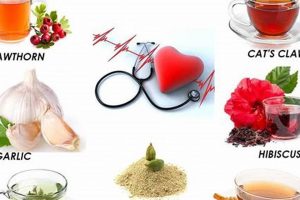
Natural plant-derived substances, used traditionally in various cultures, are sometimes considered as a means of addressing hypertension. These substances, often consumed as teas, capsules, or extracts, are believed by some to possess properties that can assist in regulating circulatory function. Examples include garlic, hawthorn, and hibiscus, each purported to exert a specific effect on the cardiovascular system.
The appeal of these natural approaches stems from a desire to minimize reliance on pharmaceutical interventions and potentially mitigate associated side effects. Throughout history, many societies have incorporated botanicals into their healthcare practices, with knowledge passed down through generations. The continued interest reflects a perception that nature offers gentler, more holistic paths to wellness.
The subsequent sections will delve into specific botanical options, examining the available scientific evidence regarding their efficacy in managing hypertension. Furthermore, potential interactions with conventional medications and important considerations for safe usage will be addressed.
Guidance on Botanical Approaches to Blood Pressure Management
The following recommendations are intended to provide practical information regarding the potential use of plant-based options in supporting healthy blood pressure levels. It is crucial to consult with a qualified healthcare professional before initiating any new regimen, particularly if existing medical conditions are present or prescription medications are being taken.
Tip 1: Research Thoroughly: Prior to incorporating any herbal remedy into a routine, conduct a comprehensive review of the available scientific literature. Focus on peer-reviewed studies and reputable sources to evaluate the potential benefits and risks.
Tip 2: Prioritize Quality and Sourcing: Select products from reputable manufacturers that adhere to stringent quality control standards. Consider organically grown options to minimize exposure to pesticides and herbicides. Verify the authenticity and purity of the ingredients.
Tip 3: Start with Low Doses: When introducing a new botanical, begin with the lowest recommended dose and gradually increase as tolerated. This approach facilitates the identification of potential adverse reactions and allows for personalized dosage adjustments.
Tip 4: Monitor Blood Pressure Regularly: Employ a validated blood pressure monitor to track changes in blood pressure levels following the introduction of herbal remedies. Maintain a detailed log of readings to facilitate informed discussions with healthcare providers.
Tip 5: Be Aware of Potential Interactions: Understand that herbal remedies can interact with prescription medications, potentially altering their efficacy or increasing the risk of adverse effects. Inform all healthcare providers about all supplements being consumed.
Tip 6: Consider Lifestyle Modifications: Recognize that botanical approaches are most effective when combined with other lifestyle modifications, such as a balanced diet, regular exercise, and stress management techniques.
Tip 7: Consult a Qualified Herbalist or Healthcare Professional: Seek guidance from a qualified herbalist or healthcare professional experienced in integrative medicine. These experts can provide personalized recommendations based on individual health needs and circumstances.
Successful integration of plant-based options into blood pressure management requires a proactive, informed approach. Diligence in research, responsible sourcing, and ongoing monitoring are essential for optimizing potential benefits and minimizing risks.
The subsequent section will present a summary, reinforcing the importance of professional guidance and the need for a holistic, individualized approach to health and well-being.
1. Efficacy Validation
The correlation between demonstrating effectiveness and botanical approaches to blood pressure modulation is fundamental to responsible healthcare. Without rigorous validation, claims regarding blood pressure-lowering properties remain speculative. This validation process typically involves randomized, controlled clinical trials comparing the effect of a specific herbal remedy against a placebo or standard treatment. Such studies evaluate changes in systolic and diastolic blood pressure, indicators of cardiovascular health. The absence of such evidence transforms a purported remedy into an untested hypothesis.
The importance of confirmation is highlighted by instances where preliminary studies suggested potential benefits, yet larger, more meticulously designed trials failed to replicate the initial findings. For example, an herb might show promise in cell culture studies, but its effectiveness could be negated by poor absorption or rapid metabolism within the human body. Conversely, adequate validation empowers informed decision-making, allowing healthcare providers and individuals to weigh the potential benefits of an herbal approach against established treatments. Well-designed trials can also help determine appropriate dosages and identify potential adverse effects, contributing to safer usage.
Therefore, the integration of plant-derived substances into blood pressure management necessitates a commitment to evidence-based practices. Lack of confirmation leaves patients vulnerable to ineffective treatments and potentially harmful side effects. While traditional use may offer anecdotal support, it should not replace or supersede the need for formal validation through accepted scientific methodology. The validation process therefore emerges as a cornerstone in the responsible application of any natural approach.
2. Quality Control

Quality control represents a critical determinant in the safety and efficacy of botanicals employed to address elevated blood pressure. Variabilities in growing conditions, harvesting methods, and processing techniques can profoundly impact the chemical composition and potency of herbal products. Consequently, without rigorous quality control measures, the concentration of active compounds may fluctuate significantly, leading to inconsistent therapeutic effects or, in extreme cases, potential toxicity.
Adulteration, the substitution of authentic herbal ingredients with cheaper or unrelated substances, poses a significant challenge to the integrity of the herbal remedy market. Real-life examples include the substitution of authentic Echinacea species with less expensive and less effective alternatives, and instances where toxic herbs have been inadvertently included in purportedly beneficial products. Effective quality control protocols necessitate accurate species identification through macroscopic and microscopic examination, chemical fingerprinting, and DNA barcoding techniques. Furthermore, monitoring for contaminants such as heavy metals, pesticides, and microbial pathogens is essential to ensure product safety.
In conclusion, the reliability and safety of botanical approaches to blood pressure management hinges directly on the implementation of robust quality control systems. These systems must encompass all stages of production, from sourcing raw materials to manufacturing finished products. While various regulatory frameworks exist to govern the quality of herbal products, enforcement can be inconsistent. Therefore, consumers must actively seek out reputable brands that prioritize third-party testing and transparent labeling practices. Only through a concerted effort to ensure quality can the potential benefits of herbal remedies be realized without compromising patient safety.
3. Dosage Monitoring

Dosage monitoring constitutes a critical element when using plant-derived substances to support healthy blood pressure levels. The effectiveness and safety of botanical interventions are heavily dose-dependent. Insufficient dosages may fail to elicit a therapeutic response, whereas excessive dosages can increase the risk of adverse effects. Individual variability in metabolism, absorption, and sensitivity further complicates dosage determination, underscoring the need for careful observation and adjustment.
A real-life example involves garlic ( Allium sativum), often promoted for its blood pressure-lowering properties. While some studies suggest that specific allicin concentrations can promote vascular relaxation, the actual allicin content in garlic supplements varies widely. Without consistent dosage monitoring, individuals may consume quantities insufficient to produce the desired effect or inadvertently ingest excessive amounts, potentially leading to gastrointestinal distress or interactions with anticoagulant medications. Similarly, hawthorn ( Crataegus spp.), used to improve cardiac function, requires careful titration to avoid hypotension or interactions with cardiac glycosides. Frequent measurement and recording of blood pressure, along with careful monitoring for symptoms, are necessary to adjust dosages effectively.
In summary, responsible use of botanicals to address blood pressure concerns mandates rigorous dosage monitoring. Individuals should commence with low doses, gradually increasing intake under the supervision of a qualified healthcare practitioner. Regular self-monitoring of blood pressure and vigilant attention to potential adverse reactions are essential components of a safe and potentially effective herbal approach. Failure to implement diligent dosage monitoring protocols can compromise both the intended benefits and the overall safety of botanical interventions.
4. Interaction Awareness

Interaction awareness is a critical consideration when exploring the use of herbal remedies to lower blood pressure. Botanical substances, while often perceived as benign due to their natural origin, can exhibit pharmacological activity that may interact with conventional medications or pre-existing health conditions. The consequences of neglecting potential interactions can range from diminished therapeutic efficacy to increased risk of adverse effects, thereby undermining the potential benefits of both herbal and conventional treatments.
The mechanisms underlying these interactions are varied and complex. Some herbs can alter the absorption, distribution, metabolism, or excretion of pharmaceutical drugs, thereby affecting their plasma concentrations and therapeutic effects. For instance, St. John’s Wort ( Hypericum perforatum), an herb sometimes used for mood regulation, is a potent inducer of cytochrome P450 enzymes, which can accelerate the metabolism of numerous medications, including warfarin (an anticoagulant) and certain antihypertensives, potentially reducing their effectiveness. Conversely, other herbs may potentiate the effects of conventional drugs, increasing the risk of adverse events. For example, combining garlic supplements with aspirin or warfarin can elevate the risk of bleeding. Pre-existing health conditions, such as kidney or liver disease, can further exacerbate these interactions by impairing drug metabolism and elimination. Awareness of such interactions allows for appropriate dosage adjustments or selection of alternative treatment strategies, minimizing the risk of adverse outcomes.
In summary, interaction awareness represents a cornerstone of safe and effective herbal medicine practice, particularly in the context of blood pressure management. Healthcare professionals and individuals considering herbal remedies must be vigilant in identifying potential interactions between botanical substances, prescription medications, and underlying health conditions. Comprehensive medication reconciliation, thorough patient history-taking, and ongoing monitoring are essential steps to mitigate risks and optimize therapeutic outcomes. A collaborative approach between patients and healthcare providers ensures informed decision-making and promotes the responsible use of herbal remedies.
5. Holistic Integration

Holistic integration, in the context of botanical approaches to blood pressure modulation, signifies a comprehensive strategy that extends beyond the sole use of plant-derived substances. This perspective acknowledges the intricate interplay of multiple factors influencing cardiovascular health, necessitating a multifaceted approach to achieve optimal outcomes. The effectiveness of herbal remedies is often enhanced when combined with lifestyle modifications and conventional medical care.
- Dietary Modification
Diet plays a pivotal role in blood pressure regulation. Holistic integration emphasizes dietary patterns rich in fruits, vegetables, and whole grains, while limiting sodium, saturated fats, and processed foods. For example, incorporating the Dietary Approaches to Stop Hypertension (DASH) diet can synergistically enhance the blood pressure-lowering effects of specific herbs, such as hibiscus. Combining dietary adjustments with targeted herbal support contributes to a more sustainable and comprehensive approach to circulatory health.
- Physical Activity
Regular physical activity exerts a significant impact on cardiovascular function and blood pressure control. The holistic perspective recognizes that integrating exercise into daily routines can augment the beneficial effects of herbal interventions. For example, combining regular aerobic exercise with the use of hawthorn may result in improved cardiac output and reduced peripheral vascular resistance, yielding synergistic effects on blood pressure management.
- Stress Management
Chronic stress is a well-established contributor to hypertension. Holistic integration acknowledges the importance of stress management techniques, such as mindfulness meditation, yoga, or deep breathing exercises, to mitigate the adverse effects of stress on blood pressure. Incorporating adaptogenic herbs, such as ashwagandha, can further support stress resilience and promote cardiovascular well-being.
- Collaborative Medical Care
Holistic integration does not advocate for replacing conventional medical care with herbal remedies. Instead, it emphasizes a collaborative approach, where botanical interventions are used as adjuncts to conventional treatments under the guidance of qualified healthcare professionals. Regular monitoring of blood pressure, medication management, and open communication between patients and healthcare providers are essential components of this integrative approach.
These facets highlight the interconnectedness of various lifestyle components and their impact on cardiovascular health. Combining targeted herbal therapies with dietary adjustments, regular physical activity, stress management techniques, and collaborative medical care offers a more comprehensive and potentially effective approach to blood pressure management. This holistic perspective acknowledges the limitations of relying solely on herbal remedies and emphasizes the importance of addressing the underlying factors contributing to hypertension.
6. Professional Guidance

The integration of professional guidance into the utilization of plant-derived substances for blood pressure management is a critical element in ensuring safety and maximizing potential benefits. The complexities of herbal medicine, including variations in product quality, potential interactions with conventional medications, and individual responses, necessitate the involvement of qualified healthcare providers.
- Accurate Diagnosis and Assessment
Prior to initiating any herbal regimen, a thorough medical evaluation is essential to establish an accurate diagnosis of hypertension and identify any underlying causes or contributing factors. A healthcare professional can assess an individual’s overall health status, review existing medical conditions, and evaluate potential contraindications to herbal remedies. This diagnostic process ensures that herbal interventions are appropriate and tailored to individual needs.
- Personalized Treatment Plans
The selection and dosage of herbal remedies should be individualized based on a comprehensive assessment of the patient’s health profile, including age, weight, medical history, and concurrent medications. A qualified herbalist or healthcare provider can develop a personalized treatment plan that considers these factors, optimizing the potential benefits of herbal interventions while minimizing the risk of adverse effects. Generic recommendations or self-treatment approaches may overlook critical considerations, leading to suboptimal outcomes or potential harm.
- Monitoring and Follow-Up
Regular monitoring and follow-up are essential to assess the effectiveness of herbal interventions and identify any potential adverse reactions. A healthcare professional can track blood pressure levels, monitor for signs of toxicity, and adjust the treatment plan as needed. This ongoing monitoring process ensures that herbal remedies are used safely and effectively, and allows for timely intervention if complications arise.
- Integration with Conventional Medicine
Professional guidance facilitates the safe and effective integration of herbal remedies with conventional medical treatments. A healthcare provider can assess potential interactions between herbal substances and prescription medications, adjusting dosages or recommending alternative therapies as needed. This collaborative approach ensures that herbal interventions complement conventional treatments without compromising patient safety.
In conclusion, professional guidance is indispensable for the responsible and effective use of herbal remedies to lower blood pressure. Qualified healthcare providers offer expertise in diagnosis, treatment planning, monitoring, and integration with conventional medicine. Seeking professional advice ensures that herbal interventions are safe, appropriate, and tailored to individual needs, maximizing potential benefits and minimizing risks.
Frequently Asked Questions
This section addresses common inquiries concerning the use of plant-derived substances for managing hypertension. Information provided herein is intended for educational purposes and should not be considered a substitute for professional medical advice.
Question 1: Are herbal remedies a safe and effective alternative to conventional blood pressure medications?
While some plant-derived substances demonstrate potential blood pressure-lowering effects, their efficacy and safety relative to conventional medications are not universally established. Rigorous clinical trials are often lacking. Therefore, herbal remedies should not be considered a replacement for prescribed medications without explicit consultation with a healthcare professional.
Question 2: What are the potential risks associated with using herbal remedies for hypertension?
Herbal remedies, despite their natural origin, are not inherently risk-free. Potential risks include allergic reactions, interactions with prescription medications, and variability in product quality and potency. Certain herbs may also possess contraindications for individuals with specific medical conditions. Therefore, careful consideration of potential risks is essential.
Question 3: How can one ensure the quality and purity of herbal products?
Selecting reputable brands that adhere to stringent quality control standards is paramount. Look for products that have undergone third-party testing for potency, purity, and contaminants. Verify the authenticity of the herbal ingredients and consider organically grown options to minimize exposure to pesticides and herbicides. Transparent labeling practices are also indicative of a commitment to quality.
Question 4: Can herbal remedies interact with conventional blood pressure medications?
Yes, herbal remedies can interact with conventional medications, potentially altering their efficacy or increasing the risk of adverse effects. Some herbs may enhance or diminish the effects of antihypertensive drugs, leading to unpredictable changes in blood pressure. It is crucial to inform all healthcare providers about all supplements being consumed to assess potential interactions.
Question 5: What lifestyle modifications should accompany the use of herbal remedies for hypertension?
Botanical approaches are most effective when integrated with comprehensive lifestyle modifications, including a balanced diet, regular exercise, stress management techniques, and smoking cessation. These modifications can synergistically enhance the blood pressure-lowering effects of herbal remedies and contribute to overall cardiovascular health.
Question 6: Is professional guidance necessary when using herbal remedies for hypertension?
Consultation with a qualified healthcare professional experienced in integrative medicine is highly recommended. These experts can provide personalized recommendations based on individual health needs, assess potential risks and interactions, and monitor treatment outcomes. Self-treatment with herbal remedies without professional guidance is discouraged.
In conclusion, responsible utilization of herbal remedies for hypertension requires informed decision-making, careful consideration of potential risks, and collaboration with healthcare professionals. A holistic approach that integrates botanical interventions with lifestyle modifications and conventional medical care offers the greatest potential for safe and effective blood pressure management.
The following section will offer a concluding summary, reinforcing key considerations and highlighting the importance of personalized healthcare strategies.
Conclusion
The preceding exploration of herbal remedies to lower blood pressure underscores the complexities inherent in utilizing plant-derived substances for managing hypertension. The potential benefits of these approaches are contingent upon factors including rigorous validation of efficacy, stringent quality control measures, careful dosage monitoring, and a thorough awareness of potential interactions with conventional medications. Furthermore, the integration of herbal interventions necessitates a holistic approach encompassing lifestyle modifications and collaborative medical care.
In light of these considerations, the responsible utilization of plant-derived substances to address elevated blood pressure demands diligent research, informed decision-making, and, most importantly, professional guidance. A commitment to evidence-based practices, transparent communication with healthcare providers, and a personalized approach to treatment planning are essential prerequisites for ensuring both the safety and potential effectiveness of herbal interventions. The future of botanical approaches to hypertension management lies in fostering a culture of informed integration, where traditional knowledge is combined with scientific rigor to optimize patient outcomes.