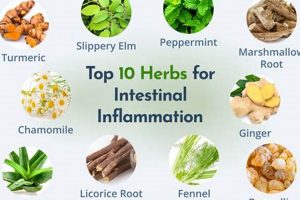
Natural remedies derived from plants, offered in various forms such as capsules, tinctures, and topical creams, are sometimes used to manage the symptoms of atopic dermatitis. These preparations often contain compounds believed to possess anti-inflammatory, anti-itch, or skin-soothing properties. An example includes the application of calendula-infused oil to reduce skin irritation associated with flare-ups.
The appeal of botanical treatments for eczema stems from a desire for gentler, more holistic approaches to skin health. Historically, various cultures have utilized plant-based solutions to address dermatological conditions. However, it’s vital to recognize that while some individuals report positive experiences, rigorous scientific evidence supporting the efficacy of many of these remedies is often limited. Furthermore, potential interactions with conventional medications and allergic reactions must be carefully considered.
The subsequent discussion will delve into specific plant-derived options commonly explored for managing eczema symptoms. It will evaluate the existing evidence base, potential risks, and crucial considerations for individuals contemplating incorporating these approaches into their eczema care regimen. Information regarding safe usage and interactions with other treatments is paramount.
Eczema Management
This section provides guidance regarding the utilization of plant-derived supplements for managing eczema symptoms. It is essential to approach these options with caution and informed awareness.
Tip 1: Consult a Healthcare Professional: Prior to initiating any botanical treatment, consult with a dermatologist or qualified healthcare provider. This is crucial to ensure the supplement is appropriate for individual circumstances and will not interact negatively with existing medications.
Tip 2: Research Reputable Brands: Exercise diligence in selecting brands. Look for products that have undergone third-party testing for purity and potency. Transparency in sourcing and manufacturing processes is also a positive indicator.
Tip 3: Start with a Low Dose: When introducing a new supplement, begin with a small dose to assess individual tolerance. Gradual increases can be implemented, as appropriate, while monitoring for any adverse reactions.
Tip 4: Monitor for Allergic Reactions: Plant-based remedies can trigger allergic responses in susceptible individuals. Discontinue use immediately if signs of an allergic reaction, such as rash, itching, or swelling, occur.
Tip 5: Be Aware of Potential Interactions: Certain botanical compounds can interact with conventional medications. Provide a comprehensive list of all medications and supplements to the healthcare provider to mitigate potential risks.
Tip 6: Understand the Limitations: While some individuals experience symptom relief, it’s crucial to recognize that botanical remedies may not be a standalone solution for eczema management. They may be more effective when used in conjunction with conventional treatments.
Tip 7: Prioritize Topical Application: For some herbal remedies, topical application may be preferable to oral ingestion. Topical formulations may minimize systemic absorption and potential side effects.
Careful consideration of these points can help to minimize risks and optimize the potential benefits when exploring the option of using botanical supplements to aid eczema symptom management.
The subsequent sections will provide additional details concerning specific botanical ingredients and their potential role in eczema care.
1. Anti-inflammatory properties

The therapeutic potential of plant-derived supplements in eczema management is often attributed to their anti-inflammatory properties. Eczema, characterized by inflammation of the skin, results in redness, itching, and discomfort. Certain botanical compounds possess the capacity to modulate inflammatory pathways, thereby alleviating these symptoms. For instance, compounds such as flavonoids and polyphenols, found in chamomile and licorice root, are believed to inhibit the release of pro-inflammatory mediators. This reduction in inflammation can mitigate the severity of eczema flare-ups and improve overall skin health. The cause-and-effect relationship is evident: inflammatory triggers exacerbate eczema, while anti-inflammatory agents can counteract this process. The importance of anti-inflammatory properties in botanical remedies stems from their ability to target a core pathological mechanism of eczema.
Real-life examples include the use of topical chamomile cream to reduce redness and itching associated with mild eczema outbreaks. Furthermore, oral supplementation with curcumin, derived from turmeric, has been explored for its systemic anti-inflammatory effects. The practical significance of understanding this connection lies in the potential to identify and utilize botanical resources that specifically address the inflammatory component of eczema, potentially reducing reliance on conventional anti-inflammatory medications. However, the bioavailability and efficacy of these compounds can vary significantly, necessitating careful consideration of formulation and dosage.
In summary, the anti-inflammatory properties of certain plant-derived compounds represent a key mechanism by which botanical supplements may offer relief from eczema symptoms. Further research is required to fully elucidate the specific pathways involved and optimize the clinical application of these remedies. While these supplements offer a potential complementary approach to eczema management, they are not a substitute for conventional medical care, and individuals should consult with healthcare professionals to determine the most appropriate treatment strategy. Challenges remain in standardizing extracts and ensuring consistent therapeutic effects.
2. Skin barrier support

The integrity of the skin barrier is a critical factor in managing eczema. Compromised skin barrier function is a hallmark of atopic dermatitis, leading to increased transepidermal water loss, heightened susceptibility to irritants and allergens, and increased risk of infection. The role of herbal supplements in supporting this function is an area of growing interest.
- Ceramide Production Enhancement
Certain plant-derived extracts are hypothesized to stimulate ceramide production within the skin. Ceramides, a class of lipids, are essential components of the skin’s intercellular matrix and play a crucial role in maintaining barrier function. Examples include formulations incorporating extracts of borage oil or evening primrose oil, both rich in gamma-linolenic acid (GLA), a precursor to ceramides. The implication is that by bolstering ceramide levels, these supplements could help to repair and strengthen the skin barrier, reducing dryness and permeability.
- Occlusive Properties of Topical Applications
Topical herbal applications can provide an occlusive layer, reducing transepidermal water loss and protecting the skin from external irritants. Shea butter, rich in fatty acids, is a prime example. When applied topically, it forms a protective barrier that helps to retain moisture and prevent further dehydration of the skin. This occlusive effect is particularly beneficial in eczema, where impaired barrier function contributes to chronic dryness and irritation.
- Anti-inflammatory Effects on Barrier Recovery
Inflammation can further disrupt skin barrier function in eczema. Certain herbal supplements possess anti-inflammatory properties, which may indirectly support barrier recovery by reducing inflammation-induced damage. Chamomile, with its bisabolol content, is one such example. By reducing inflammation, these agents can create a more favorable environment for the skin to repair and regenerate its barrier.
- Modulation of Filaggrin Expression
Filaggrin is a structural protein crucial for epidermal integrity and barrier function. Some research suggests that certain herbal compounds may influence filaggrin expression. While the exact mechanisms are not fully elucidated, enhancing filaggrin production could potentially improve barrier function. However, the evidence in this area is still limited, and further investigation is required.
In summary, the connection between herbal supplements and skin barrier support in eczema lies in their potential to enhance ceramide production, provide occlusive protection, reduce inflammation, and possibly modulate filaggrin expression. These mechanisms contribute to the restoration and maintenance of a healthy skin barrier, which is vital for managing eczema symptoms. Caution, however, is warranted due to potential allergenic compounds present in herbs and unpredictable interactions with other medications.
3. Itch relief potential
The persistent itch associated with eczema significantly impacts quality of life, making itch relief a primary goal in eczema management. Certain botanical supplements are purported to possess anti-pruritic properties, offering a potential means of alleviating this debilitating symptom. This relief arises from the interaction of specific compounds with various itch pathways. For instance, constituents found in chamomile, such as bisabolol, and in oats, such as avenanthramides, are believed to exert anti-inflammatory and anti-histaminic effects, which can, in turn, reduce the intensity of the itch sensation. The cause-and-effect relationship is evident: eczema-induced inflammation triggers the release of pruritogens, and herbal compounds targeting these mechanisms can mitigate the itch. The importance of itch relief potential within botanical eczema care resides in its ability to address a major source of patient discomfort and improve adherence to treatment regimens.
Real-world examples include the topical application of colloidal oatmeal baths or creams to soothe itchy skin during eczema flare-ups. The avenanthramides in oats help to quell inflammation and reduce histamine release, providing noticeable relief for some individuals. Similarly, chamomile compresses or creams are sometimes used to alleviate itching and irritation, particularly in mild to moderate cases of eczema. The practical significance of understanding this connection lies in identifying and utilizing botanical resources that can effectively target the neuro-inflammatory pathways involved in itch, offering a potential alternative or adjunct to conventional anti-pruritic medications. Formulations can be tailored for maximum efficacy, but careful extraction and processing is needed to optimize for the anti-pruritic compounds while minimizing allergenic components.
In summary, the itch relief potential of certain plant-derived supplements is a key factor driving their use in eczema management. Botanical compounds can exert anti-pruritic effects through various mechanisms, including anti-inflammatory and anti-histaminic actions. However, the efficacy of these remedies can vary, and rigorous scientific evidence is often lacking. Future research should focus on identifying specific botanical ingredients with proven anti-pruritic properties and optimizing their formulation for clinical use. While these supplements may offer a complementary approach to managing eczema-related itch, they should not be considered a replacement for conventional medical care, and consultation with a healthcare professional is crucial to determine the most appropriate treatment strategy and to assess individual sensitivities.
4. Individual sensitivities

The response to plant-derived supplements for eczema is highly variable due to individual sensitivities. These variations encompass allergic reactions, irritant responses, and variations in metabolic processing, which influence the efficacy and safety profile of botanical remedies. Understanding these individual factors is paramount to minimizing adverse effects and maximizing potential benefits.
- Allergic Sensitization
Certain plant species contain allergenic proteins or compounds that can trigger hypersensitivity reactions in susceptible individuals. For example, ragweed, mugwort, and chamomile, belonging to the Asteraceae family, share cross-reactivity, potentially leading to allergic contact dermatitis upon topical application. Prior sensitization through other routes (e.g., pollen inhalation) may also predispose individuals to adverse reactions to topical or ingested herbal supplements. Patch testing is crucial to identify potential allergens before widespread use.
- Irritant Contact Dermatitis
Regardless of true allergy, some botanical substances contain irritants that can directly damage the skin, leading to irritant contact dermatitis. Essential oils, even when diluted, may cause irritation due to their volatile nature and potential to disrupt the skin barrier. Similarly, potent plant extracts can induce inflammatory responses in the absence of an allergic mechanism. The concentration of active compounds and the vehicle used in topical formulations significantly influence the risk of irritant reactions.
- Genetic Predisposition to Atopy
Individuals with a genetic predisposition to atopy (e.g., eczema, asthma, allergic rhinitis) are inherently more susceptible to developing allergic reactions to a wide range of environmental allergens, including plant-derived substances. This predisposition stems from immune dysregulation and increased IgE production. Therefore, atopic individuals should exercise increased caution when using herbal supplements and initiate treatments under close medical supervision.
- Metabolic Variations and Drug Interactions
Individual variations in hepatic enzyme activity and drug metabolism can influence the systemic exposure and clearance of active compounds found in herbal supplements. This variability can affect both the efficacy and potential toxicity of these agents. Furthermore, certain plant-derived compounds can interact with conventional medications, altering their pharmacokinetic or pharmacodynamic properties. Careful consideration of potential drug-herb interactions is essential, particularly in individuals taking multiple medications.
In conclusion, the role of individual sensitivities cannot be overlooked when considering botanical supplements for eczema. Allergic sensitization, irritant responses, genetic predisposition to atopy, and metabolic variations all contribute to the variability in response and potential risks associated with these remedies. A personalized approach, guided by thorough medical history, allergy testing, and careful monitoring, is crucial to ensure the safe and effective use of herbal supplements in eczema management. The presence of underlying health conditions and concurrent use of medications further complicates the risk-benefit assessment. Ultimately, the decision to use botanical remedies should be made in consultation with a healthcare professional.
5. Preparation methods

Preparation methods significantly influence the efficacy and safety of botanical remedies employed in eczema management. The extraction techniques, processing methods, and formulation strategies directly impact the concentration, bioavailability, and stability of active compounds, as well as the potential for adverse reactions. The selection of appropriate preparation methods is thus crucial to harnessing the therapeutic potential of botanical eczema care.
- Extraction Techniques and Bioavailability
The method used to extract active compounds from plant material directly affects the concentration and type of constituents present in the final product. Aqueous extracts (teas, infusions) may be suitable for water-soluble compounds, but less effective for lipophilic substances. Alcoholic tinctures or solvent-based extractions are often necessary to isolate and concentrate a broader range of active ingredients. Supercritical fluid extraction using carbon dioxide (CO2) offers a solvent-free alternative that preserves the integrity of heat-sensitive compounds. The choice of extraction method impacts the bioavailability of active constituents, influencing their absorption and distribution within the body. For instance, liposomal encapsulation can enhance the bioavailability of poorly soluble compounds, improving their therapeutic effect. Topical creams may also utilize specialized delivery mechanisms.
- Processing and Stability of Active Compounds
The processing methods employed during the preparation of botanical remedies can affect the stability of active compounds. Heat, light, and oxidation can degrade sensitive constituents, reducing their therapeutic activity. Lyophilization (freeze-drying) and encapsulation can protect active compounds from degradation and prolong their shelf life. Storage conditions, such as temperature and humidity, also influence the stability of finished products. It is important to follow manufacturer’s instructions regarding storage to maintain product potency. Improper handling of herbs during drying can lead to mold growth which is detrimental to treatment.
- Formulation Strategies and Delivery Systems
The formulation of herbal supplements impacts their delivery and effectiveness. Topical formulations, such as creams, ointments, and lotions, are designed to deliver active compounds directly to the affected skin. The choice of vehicle (e.g., oil-based, water-based) influences the penetration and absorption of active ingredients. Oral formulations, such as capsules, tablets, and tinctures, require systemic absorption and distribution. The addition of excipients, such as emulsifiers, stabilizers, and preservatives, can improve the texture, stability, and shelf life of finished products. Appropriate delivery system selection should match the delivery route (oral, topical, etc.).
- Standardization and Quality Control
Standardization of herbal extracts ensures consistent levels of active compounds in each batch of product. This involves quantifying the concentration of key constituents using analytical techniques such as high-performance liquid chromatography (HPLC). Quality control measures are essential to ensure the purity, potency, and safety of herbal supplements. This includes testing for contaminants, such as heavy metals, pesticides, and microbial pathogens. Reputable manufacturers adhere to Good Manufacturing Practices (GMP) to ensure product quality and consistency. Consistent formulation in manufacturing is a requirement to minimize adverse effects.
In summary, the preparation methods utilized in the creation of botanical remedies for eczema directly influence the potency, stability, and safety of the final product. Appropriate extraction techniques, processing methods, formulation strategies, and quality control measures are essential to maximizing therapeutic benefits and minimizing potential risks. Consumers should select products from reputable manufacturers that adhere to established quality standards and provide detailed information regarding preparation methods and ingredient standardization. The combination of high-quality raw materials and careful formulation maximizes the potential for effective symptom management.
6. Evidence base scrutiny

The evaluation of scientific evidence concerning the efficacy and safety of botanical remedies for eczema requires rigorous scrutiny. The absence of robust clinical data supporting the use of many herbal supplements necessitates a cautious approach. Reliance on anecdotal evidence or traditional use without confirmation through well-designed clinical trials poses a risk of ineffective treatment or adverse events. Specifically, the complex composition of herbal extracts and variability in manufacturing standards challenge the reproducibility and reliability of research findings. The absence of standardization in product formulation and dosage further complicates the interpretation of clinical outcomes. Therefore, the importance of evidence-based decision-making in eczema management cannot be overstated. A lack of scrutiny can lead to inappropriate use, delaying effective conventional treatment and potentially exacerbating symptoms.
Real-life examples illustrate the importance of this scrutiny. Consider the use of topical calendula for eczema. While some individuals report symptom relief, well-controlled studies are limited. A critical review of the available evidence reveals inconsistencies in study design, outcome measures, and product formulation, making it difficult to draw definitive conclusions about its efficacy. Similarly, the use of oral borage oil, rich in gamma-linolenic acid (GLA), has been explored for its potential to improve eczema symptoms. However, clinical trials have yielded conflicting results, with some studies showing modest benefits while others demonstrate no significant effect. The practical significance of this understanding lies in the ability to differentiate between promising leads that warrant further investigation and unsubstantiated claims that should be approached with skepticism. Careful evaluation of the evidence allows healthcare professionals and patients to make informed choices about whether to incorporate botanical remedies into eczema treatment plans.
In summary, thorough evidence base scrutiny is paramount when considering herbal supplements for eczema. Given the heterogeneity of botanical products and the limited availability of high-quality clinical trials, healthcare professionals and patients should critically evaluate the available evidence and weigh potential benefits against potential risks. The lack of robust scientific data necessitates a conservative approach, prioritizing conventional, evidence-based treatments. Further research, including well-designed clinical trials with standardized herbal formulations, is needed to determine the true efficacy and safety of these remedies. The ultimate goal is to integrate safe and effective treatments, whether conventional or botanical, into personalized eczema management strategies. The current challenge lies in bridging the gap between traditional use and rigorous scientific validation, ensuring that decisions regarding botanical remedies are grounded in sound evidence.
7. Proper usage precautions

The implementation of proper usage precautions is paramount when considering botanical remedies for eczema. The inherently complex chemical composition of plant-derived substances necessitates a cautious approach to minimize the risk of adverse events. The connection is causal: neglecting precautions can lead to allergic reactions, irritant dermatitis, or interactions with conventional medications, exacerbating eczema symptoms rather than alleviating them. The importance of proper usage precautions lies in their ability to mitigate these potential risks, ensuring the safe and effective integration of herbal supplements into eczema management plans. For example, performing a patch test before applying a topical herbal cream can identify potential allergens and prevent widespread contact dermatitis. Similarly, consulting with a healthcare professional regarding potential drug interactions can avert serious adverse events in individuals taking multiple medications. The consequences of disregarding these precautions range from mild skin irritation to severe systemic reactions, underscoring the critical need for informed decision-making.
Specific proper usage precautions include thorough research of the chosen supplement, sourced from reputable suppliers ensuring product purity and standardization. Starting with a low dose and gradually increasing it allows for the assessment of individual tolerance and minimization of adverse effects. Diligent monitoring for signs of allergic reactions, such as rash, itching, or swelling, is essential. Individuals with a history of allergies should exercise increased caution and consider allergy testing before using herbal supplements. Proper storage and handling of botanical remedies are necessary to maintain their potency and prevent contamination. Disregarding expiration dates and storing products in unsuitable conditions can compromise their efficacy and increase the risk of degradation or microbial growth. Educating patients about these precautions empowers them to make informed choices and actively participate in their eczema care.
The practical significance of understanding and adhering to proper usage precautions lies in optimizing the benefit-risk ratio of botanical eczema care. While some herbal supplements may offer symptomatic relief, their safety and efficacy are contingent upon responsible use. Emphasizing precautions within the overall treatment strategy allows for a more personalized and evidence-informed approach. Healthcare professionals play a crucial role in educating patients about these precautions and guiding them through the decision-making process. The challenge remains in bridging the gap between traditional knowledge and modern scientific understanding, ensuring that botanical remedies are used safely and effectively within the context of conventional eczema management. Prioritization of patient safety is paramount.
Frequently Asked Questions
This section addresses common inquiries regarding plant-derived supplements utilized in the management of eczema, providing evidence-based insights and cautionary guidance.
Question 1: Are herbal supplements a cure for eczema?
No, there is currently no known cure for eczema, including botanical remedies. Herbal supplements may offer symptomatic relief, but they do not address the underlying cause of the condition. Eczema management typically involves a combination of strategies, including emollients, topical corticosteroids, and, in some cases, systemic medications.
Question 2: Can herbal supplements completely replace conventional eczema treatments?
Herbal supplements should not be considered a replacement for conventional medical treatments for eczema. While some individuals may experience symptom relief with botanical remedies, they may not be sufficient to control moderate to severe eczema. Discontinuing prescribed medications without consulting a healthcare professional can lead to worsening of symptoms and potential complications.
Question 3: What are the potential risks associated with using herbal supplements for eczema?
Potential risks include allergic reactions, irritant contact dermatitis, and interactions with conventional medications. Some herbal supplements contain potent compounds that can cause adverse effects in susceptible individuals. The lack of standardization in product formulation and dosage further increases the risk of unpredictable outcomes. Consultation with a healthcare professional is essential to assess potential risks and benefits.
Question 4: How can one determine the safety and quality of herbal supplements for eczema?
Selecting herbal supplements from reputable manufacturers that adhere to Good Manufacturing Practices (GMP) is crucial. Look for products that have undergone third-party testing for purity, potency, and contaminants. Verify that the product label provides detailed information regarding ingredients, dosage, and potential side effects. Research the manufacturer’s reputation and history before making a purchase.
Question 5: Are herbal supplements safe for use during pregnancy or breastfeeding?
The safety of many herbal supplements during pregnancy or breastfeeding has not been established. Some botanical compounds can have teratogenic effects or be excreted in breast milk, posing a risk to the developing fetus or infant. It is essential to consult with a healthcare professional before using any herbal supplement during pregnancy or breastfeeding.
Question 6: How long does it typically take to see results from using herbal supplements for eczema?
The time it takes to see results from using herbal supplements for eczema can vary widely depending on the individual, the severity of the condition, and the specific supplement being used. Some individuals may experience noticeable improvement within a few weeks, while others may not see any benefit. Consistent and proper use, as directed by a healthcare professional, is essential to assess the efficacy of botanical remedies.
The incorporation of botanical supplements into an eczema care regimen necessitates careful consideration and informed decision-making. Consultation with a qualified healthcare professional remains paramount.
The discussion continues with the Conclusion.
Conclusion
This exploration of plant-derived supplements for eczema underscores the multifaceted nature of their application. The therapeutic potential of these substances, characterized by their anti-inflammatory, skin barrier-supporting, and itch-relieving properties, is tempered by the inherent risks associated with individual sensitivities, variability in preparation methods, and a limited evidence base. Careful consideration of these factors remains crucial for informed decision-making.
The responsible incorporation of botanical remedies into eczema management necessitates a collaborative approach between healthcare professionals and patients. Further rigorous scientific investigation is required to elucidate the specific mechanisms of action and clinical efficacy of individual herbal supplements. The ongoing commitment to evidence-based practice and personalized treatment strategies will determine the future role of plant-derived interventions in optimizing outcomes for individuals affected by eczema.