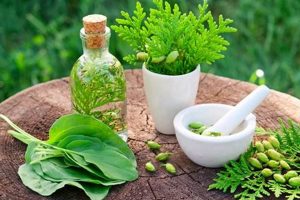
The botanical product derived from the Ligusticum porteri plant, commonly found in the Rocky Mountains, has a history of traditional use among indigenous populations. This plant, often utilized for its purported medicinal qualities, is available in various forms, including capsules, tinctures, and teas. Its appeal lies in its reported ability to support respiratory health and immune function.
Throughout history, certain communities have valued the plant for its potential to alleviate symptoms associated with respiratory ailments and provide a natural boost to the body’s defense mechanisms. The plant’s inherent compounds are believed to contribute to its purported therapeutic effects, making it a sought-after option for those seeking natural remedies. The historical context provides a foundation for understanding its continued relevance in contemporary wellness practices.
The subsequent sections will delve into the plant’s purported benefits, potential risks, and considerations for responsible usage. Furthermore, information regarding its availability, sourcing, and the current state of research will be presented to offer a comprehensive understanding of this botanical product.
Guidance on Utilizing a Ligusticum porteri Supplement
The following recommendations aim to inform potential users about responsible integration of a supplement derived from Ligusticum porteri into their wellness routine. Adherence to these guidelines may optimize its potential benefits while mitigating potential risks.
Tip 1: Consultation with a Healthcare Professional is Paramount. Prior to initiating supplementation, a discussion with a qualified healthcare provider is essential. This dialogue allows for assessment of individual health status, potential interactions with existing medications, and determination of appropriate dosage based on specific needs.
Tip 2: Adherence to Recommended Dosage is Crucial. Exceeding the suggested dosage may lead to adverse effects. Begin with the lowest effective dose, as determined by a healthcare professional or as indicated on the product label, and gradually increase if necessary, while closely monitoring for any untoward reactions.
Tip 3: Source from Reputable Suppliers. Ensure that the product is obtained from a reputable source that adheres to stringent quality control measures. Look for certifications or third-party testing to verify the product’s purity and potency.
Tip 4: Be Vigilant for Potential Allergic Reactions. As with any herbal supplement, allergic reactions are possible. Discontinue use immediately and seek medical attention if symptoms such as skin rash, itching, swelling, or difficulty breathing occur.
Tip 5: Monitor for Interactions with Existing Medications.Ligusticum porteri may interact with certain medications, including blood thinners and immunosuppressants. Inform the healthcare provider about all medications and supplements being taken to avoid potentially harmful interactions.
Tip 6: Storage in a Cool, Dry Place is Recommended. Proper storage helps maintain the product’s integrity and potency. Adhere to the manufacturer’s recommendations for optimal storage conditions, typically a cool, dry place away from direct sunlight.
Tip 7: Discontinue Use Before Surgical Procedures. Due to its potential effects on blood clotting, discontinue use at least one to two weeks before any scheduled surgical procedures, or as directed by a healthcare professional.
Following these guidelines allows individuals to make informed decisions regarding Ligusticum porteri supplementation, maximizing potential benefits while minimizing potential risks, thus promoting a more holistic approach to wellness.
The subsequent sections will further discuss safety precautions, potential side effects, and the ongoing research surrounding this botanical substance.
1. Respiratory Support
Ligusticum porteri, a plant often referred to when discussing respiratory support via herbal supplements, contains compounds traditionally believed to possess bronchodilating and expectorant properties. These properties suggest a potential for easing constricted airways and facilitating the clearance of mucus from the respiratory tract. The presence of such compounds is a key component of this supplement’s purported benefits, impacting its application in managing certain respiratory conditions.
Real-life examples of the plant’s traditional use involve indigenous populations in the Rocky Mountains, who historically employed it to alleviate symptoms associated with colds, coughs, and other respiratory ailments. This historical application provides a practical foundation for understanding its continued use in contemporary respiratory support supplements. The plant’s volatile oils, particularly, are often attributed to these effects, promoting decongestion and potentially reducing inflammation in the respiratory system.
Understanding the connection between the plant and respiratory support involves recognizing that its effectiveness can vary based on individual physiology, dosage, and the specific respiratory condition being addressed. Further research is crucial to validate these traditional uses and determine optimal dosages for safe and effective application. Despite ongoing investigations, the botanical supplement’s history and composition underscore its relevance in the context of respiratory wellness, highlighting the need for informed and responsible utilization.
2. Immune Modulation
Immune modulation, in the context of botanical supplements derived from Ligusticum porteri, encompasses the potential influence these supplements exert on the body’s immune system. This influence is a critical consideration for understanding the broader implications of their use, as it may impact both the enhancement of immune responses and the suppression of excessive inflammation.
- Phytochemical Interactions
The plant contains various phytochemicals, including terpenes and phenolic compounds, which have demonstrated immunomodulatory properties in in-vitro studies. These compounds may interact with immune cells, such as macrophages and lymphocytes, potentially influencing their activity and cytokine production. Such interactions could theoretically enhance the body’s ability to respond to pathogens or modulate inflammatory responses.
- Regulation of Cytokine Production
Research suggests that components within the supplement may influence the production of cytokines, signaling molecules crucial for immune cell communication and regulation. An example of this includes the potential to modulate the release of pro-inflammatory cytokines in response to an immune challenge. By regulating cytokine balance, the supplement could potentially contribute to a more balanced immune response, avoiding excessive inflammation.
- Adaptogenic Properties
While not definitively classified as an adaptogen, there is speculation about its potential to exhibit adaptogenic properties. Adaptogens are substances that are thought to help the body adapt to stress and maintain homeostasis. If adaptogenic qualities exist, it might indirectly support immune function by mitigating the negative impacts of chronic stress on the immune system.
- Influence on Macrophage Activity
Macrophages, a type of immune cell, play a vital role in phagocytosis and antigen presentation. Certain compounds found in the plant may influence macrophage activity, potentially enhancing their ability to clear pathogens or present antigens to other immune cells. This enhanced macrophage function could contribute to improved immune surveillance and response.
The interplay of these multifaceted interactions underscores the complexity of the botanical supplement’s influence on immune function. It’s vital to acknowledge that the observed effects are typically derived from preliminary studies, and further research is crucial to comprehensively understand the specific mechanisms and clinical relevance of its immunomodulatory properties. The information presented is for informative purposes only and should not be interpreted as an endorsement of the supplement as a treatment or preventative measure for any disease or health condition. Consultation with a qualified healthcare professional is mandatory before considering its use.
3. Traditional Usage
The enduring relevance of Ligusticum porteri as an herbal supplement is inextricably linked to its traditional usage by indigenous populations. These communities, residing primarily in the Rocky Mountain region, historically employed the plant for a spectrum of medicinal purposes, establishing a foundation for its contemporary applications. Their understanding of the plant’s properties, derived from generations of empirical observation, serves as a significant basis for current research and utilization.
A primary application of the plant within traditional medicine systems was the treatment of respiratory ailments. The plant was often employed to alleviate symptoms associated with coughs, colds, and bronchitis. This usage stems from the plant’s purported expectorant and bronchodilatory properties. Moreover, the plant has also been used traditionally to address gastrointestinal issues, wound healing, and as a general tonic. These diverse applications reflect a holistic understanding of the plant’s potential benefits within the indigenous medical paradigm.
The persistence of Ligusticum porteri as an herbal supplement is significantly influenced by the legacy of traditional usage. Recognizing and respecting this historical context is essential for responsible research, sustainable sourcing, and informed application of the plant in contemporary healthcare practices. The understanding of traditional usage allows for a more nuanced perspective on the potential benefits and risks associated with this botanical supplement.
4. Potential Risks

The use of botanical supplements derived from Ligusticum porteri is not without inherent risks. These potential adverse effects necessitate careful consideration prior to integrating the supplement into any health regimen. Comprehending these risks is a fundamental aspect of responsible usage and underscores the importance of informed decision-making.
One significant area of concern revolves around potential interactions with pharmaceutical medications. Components within Ligusticum porteri may interact with drugs such as anticoagulants, potentially amplifying their effects and increasing the risk of bleeding. Similarly, interactions with immunosuppressants may occur, potentially altering their efficacy. Allergic reactions represent another potential risk. Individuals with sensitivities to plants in the Apiaceae family, which includes carrots, celery, and parsley, may exhibit cross-reactivity. Reported allergic responses range from mild skin irritation to more severe anaphylactic reactions. Gastrointestinal distress, including nausea, vomiting, and diarrhea, has also been reported in some individuals, particularly at higher doses. Furthermore, the lack of standardized manufacturing processes for herbal supplements raises concerns about product purity and potency. Contamination with heavy metals, pesticides, or other adulterants can pose additional health risks. The long-term effects of Ligusticum porteri supplementation remain largely unknown due to the limited availability of extensive clinical trials. This uncertainty emphasizes the need for cautious usage and ongoing monitoring.
In summary, potential risks associated with Ligusticum porteri supplementation encompass drug interactions, allergic reactions, gastrointestinal distress, product contamination, and unknown long-term effects. These risks necessitate thorough assessment of individual health status, consideration of potential drug interactions, and selection of reputable suppliers to minimize the likelihood of adverse events. Consultation with a qualified healthcare professional is paramount prior to initiating supplementation.
5. Dosage Guidelines
Dosage guidelines for supplements derived from Ligusticum porteri represent a critical nexus between potential therapeutic benefits and the avoidance of adverse effects. The botanical supplement’s efficacy and safety are inextricably linked to the administered quantity. Overconsumption may lead to toxicity, while insufficient intake may fail to elicit the desired physiological response. Consequently, adherence to established dosage recommendations is paramount for maximizing the supplement’s potential benefits while minimizing potential harms. The establishment of these guidelines is often rooted in traditional use, preliminary scientific studies, and expert consensus, forming a foundational framework for responsible consumption.
Practical application of dosage guidelines necessitates careful consideration of individual factors, including body weight, age, overall health status, and concurrent medication use. For instance, a smaller individual may require a lower dosage compared to a larger person to achieve the same effect, while individuals with pre-existing medical conditions or those taking pharmaceutical drugs should exercise increased caution due to potential interactions. Furthermore, dosage recommendations may vary depending on the specific form of the supplement, whether it be in capsule, tincture, or tea form. Clear and concise product labeling, coupled with consultation with a healthcare professional, is essential for accurate and safe dosing. Deviation from recommended dosages, whether intentional or unintentional, can significantly alter the risk-benefit profile of the botanical supplement.
In summary, the importance of adhering to dosage guidelines for Ligusticum porteri based supplements cannot be overstated. This adherence constitutes a fundamental aspect of responsible usage, promoting both efficacy and safety. Challenges associated with dosage determination include the absence of definitive scientific data and variations in product standardization. Despite these challenges, following established recommendations, considering individual health factors, and seeking professional guidance remain crucial steps for optimizing the potential benefits of this botanical supplement while minimizing the risk of adverse events.
6. Sourcing Integrity
Sourcing integrity, in the context of Ligusticum porteri supplements, directly impacts product quality and safety. The plant’s origin, cultivation practices, and processing methods profoundly influence its chemical composition and potential contamination levels. Unethical or unsustainable harvesting can deplete wild populations and disrupt ecosystems, while substandard processing may introduce harmful substances or diminish the supplement’s purported therapeutic properties. For example, a supplement sourced from plants grown in contaminated soil might contain elevated levels of heavy metals, negating its potential benefits and posing significant health risks. Therefore, rigorous adherence to ethical and sustainable sourcing practices is a critical determinant of the final product’s integrity.
The practical significance of sourcing integrity extends beyond environmental considerations to encompass consumer health and trust. Verification of origin through certifications, such as those offered by reputable organizations, provides assurance that the plant was harvested responsibly and processed according to established quality standards. Transparency throughout the supply chain, from wild harvesting or cultivation to manufacturing and distribution, enhances accountability and allows consumers to make informed decisions. Instances of adulteration or misidentification of herbal products highlight the vulnerability of the market and underscore the importance of sourcing from reputable suppliers who prioritize quality control measures and third-party testing.
In conclusion, sourcing integrity is an indispensable component of a quality Ligusticum porteri supplement. Its absence undermines the supplement’s potential benefits and can introduce significant health risks. The challenges associated with verifying sourcing practices necessitate a multi-faceted approach involving certification, transparency, and diligent supplier vetting. Prioritizing sourcing integrity safeguards both environmental sustainability and consumer well-being, thereby fostering a more ethical and reliable herbal supplement market.
7. Interactions
The potential for interactions between a Ligusticum porteri-derived supplement and other substances, including pharmaceutical medications and other herbal products, constitutes a significant consideration for users. These interactions, whether pharmacokinetic or pharmacodynamic in nature, may alter the efficacy and safety profile of both the supplement and the interacting substance. Understanding these interactions is crucial for mitigating potential adverse effects and optimizing therapeutic outcomes.
- Cytochrome P450 Enzyme Modulation
Certain components within Ligusticum porteri may modulate the activity of cytochrome P450 (CYP) enzymes, a family of enzymes responsible for metabolizing numerous drugs in the liver. Induction of CYP enzymes may lead to decreased drug concentrations, potentially reducing their therapeutic effect. Conversely, inhibition of CYP enzymes may result in elevated drug concentrations, increasing the risk of toxicity. An example would be the potential interaction with warfarin, an anticoagulant metabolized by CYP enzymes. Modulation of CYP enzymes by the supplement could alter warfarin’s anticoagulant effect, increasing the risk of bleeding or clotting.
- Pharmacodynamic Synergism or Antagonism
The supplement may exhibit pharmacodynamic synergism or antagonism with other substances affecting similar physiological systems. Synergism occurs when the combined effect of two substances is greater than the sum of their individual effects, while antagonism occurs when one substance diminishes the effect of another. An example of potential synergism might involve the co-administration of Ligusticum porteri with other herbal remedies purported to possess bronchodilatory effects, potentially leading to an additive effect on airway dilation. Conversely, antagonism could occur with medications aimed at blood pressure regulation.
- Additive Effects on Blood Clotting
Due to its purported effects on blood circulation, Ligusticum porteri may exhibit additive effects with anticoagulant or antiplatelet medications. Concomitant use could increase the risk of bleeding complications, particularly in individuals with pre-existing bleeding disorders or those undergoing surgical procedures. Close monitoring of coagulation parameters, such as INR (International Normalized Ratio), is recommended in individuals taking both the supplement and anticoagulant medications.
- Competition for Binding Sites
Specific constituents within the supplement might compete with other drugs or substances for binding sites within the body, such as plasma proteins or receptor sites. This competition could alter the distribution, metabolism, or excretion of the interacting substance, affecting its overall bioavailability and efficacy. For instance, the supplement could potentially interfere with the absorption of certain minerals or vitamins, leading to nutrient deficiencies over time.
In summary, the potential for interactions between Ligusticum porteri and other substances represents a complex and multifaceted consideration. The examples above highlight the diverse mechanisms through which such interactions may occur, underscoring the importance of thorough medication reconciliation and consultation with a healthcare professional prior to initiating supplementation. A comprehensive understanding of potential interactions is crucial for ensuring the safe and effective use of this herbal supplement.
Frequently Asked Questions Regarding Ligusticum porteri Supplements
The following addresses commonly encountered inquiries concerning the use of supplements derived from Ligusticum porteri. Information provided aims to offer clarity and promote informed decision-making.
Question 1: Is Ligusticum porteri supplementation safe for individuals with pre-existing respiratory conditions?
Prior consultation with a qualified healthcare professional is mandatory for individuals with pre-existing respiratory conditions, such as asthma or chronic obstructive pulmonary disease (COPD). The supplement may interact with existing medications or exacerbate certain respiratory symptoms. A thorough evaluation is essential to determine suitability.
Question 2: How does Ligusticum porteri differ from conventional pharmaceutical expectorants?
Ligusticum porteri represents a botanical alternative to conventional pharmaceutical expectorants. Its mechanism of action and efficacy may differ. Conventional expectorants often contain synthetic compounds, whereas Ligusticum porteri relies on naturally occurring phytochemicals. Comparative studies are limited, and individual responses may vary.
Question 3: What are the potential long-term effects of Ligusticum porteri supplementation?
The long-term effects of Ligusticum porteri supplementation remain largely unknown due to limited clinical research spanning extended periods. Prudent usage and ongoing monitoring are advisable.
Question 4: Can Ligusticum porteri supplementation replace conventional medical treatment for respiratory infections?
Ligusticum porteri supplementation should not be considered a replacement for conventional medical treatment for respiratory infections. Medical intervention, including antibiotics or antiviral medications, may be necessary depending on the nature and severity of the infection. Consultation with a healthcare provider is crucial for proper diagnosis and treatment.
Question 5: What are the indicators of a high-quality Ligusticum porteri supplement?
Indicators of a high-quality Ligusticum porteri supplement include sourcing from reputable suppliers, third-party testing for purity and potency, adherence to Good Manufacturing Practices (GMP), and transparent labeling providing detailed information about the plant’s origin and processing methods.
Question 6: Are there specific populations who should avoid Ligusticum porteri supplementation?
Pregnant or breastfeeding women, individuals with known allergies to plants in the Apiaceae family, and those taking anticoagulant medications should generally avoid Ligusticum porteri supplementation. Consultation with a healthcare professional is always recommended.
In summary, Ligusticum porteri supplementation necessitates a comprehensive understanding of its potential benefits, risks, and interactions. Informed decision-making, coupled with consultation with a qualified healthcare professional, is paramount for responsible usage.
The subsequent section will address regulatory considerations and the current state of research surrounding this botanical supplement.
Conclusion
This examination of the botanical supplement derived from Ligusticum porteri has illuminated key aspects pertaining to its traditional usage, potential benefits, inherent risks, and responsible application. The complexities surrounding sourcing integrity, dosage guidelines, and potential interactions with other substances have been underscored. This analysis emphasizes the need for a cautious and informed approach to its utilization.
Further research is essential to fully elucidate the efficacy and safety profile of Ligusticum porteri. Until such comprehensive data is available, prudent decision-making and consultation with qualified healthcare professionals remain paramount. The responsibility for safe and effective use rests with the individual consumer, guided by sound judgment and reliable information.