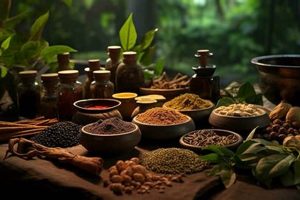
Remedies derived from plants and utilized to alleviate the symptoms of gastroesophageal reflux disease (GERD) constitute a specific approach within complementary and alternative medicine. Such remedies often aim to reduce acid production, soothe the esophageal lining, or promote healthy digestive function, offering a potentially gentler alternative to conventional pharmaceutical interventions. For instance, chamomile tea is sometimes consumed to calm digestive distress associated with GERD.
The appeal of using botanicals for GERD management stems from a desire for natural solutions, often perceived as having fewer side effects compared to synthetic drugs. Historically, various cultures have employed herbs for digestive ailments. The potential advantages may include improved comfort, reduced reliance on prescription medications, and a more holistic approach to wellness by addressing underlying factors contributing to GERD. However, scientific validation of these remedies remains a critical consideration.
The subsequent discussion will explore specific botanical options frequently investigated for their efficacy in managing GERD symptoms, examining the available research and providing important information regarding their potential benefits, risks, and interactions. Factors such as proper dosage, method of preparation, and consultation with a qualified healthcare professional will also be addressed to ensure safe and effective utilization.
Guidance on Botanical Approaches for GERD Symptom Management
The following recommendations provide insights into the responsible use of plant-based interventions to alleviate GERD symptoms. It is imperative to consult with a qualified healthcare provider before initiating any new treatment regimen.
Tip 1: Incorporate Ginger: Ginger possesses anti-inflammatory properties that may help reduce esophageal irritation. Consume small amounts of fresh ginger or ginger tea cautiously, as excessive amounts may exacerbate symptoms in some individuals.
Tip 2: Consider Chamomile Tea: Chamomile exhibits mild sedative effects, potentially aiding in reducing stress-related GERD flare-ups. Consume a cup of chamomile tea before bedtime, ensuring it is caffeine-free.
Tip 3: Evaluate Licorice Root (DGL): Deglycyrrhizinated licorice (DGL) may promote healing of the esophageal lining. Chew DGL tablets before meals; however, individuals with hypertension should exercise caution due to potential blood pressure elevation with regular licorice consumption.
Tip 4: Explore Aloe Vera Juice: Aloe vera juice may possess soothing properties for the esophagus. Opt for a pure aloe vera juice intended for internal use and consume in moderation, as it can have a laxative effect.
Tip 5: Investigate Slippery Elm: Slippery elm powder can create a protective coating on the esophageal lining. Mix a teaspoon of slippery elm powder with water and consume before meals to potentially alleviate discomfort.
Tip 6: Mind Dietary Triggers: Even with supportive botanical therapies, avoiding known dietary triggers such as fatty foods, caffeine, alcohol, and acidic foods remains crucial for effective symptom control. Maintain a food journal to identify individual triggers.
Tip 7: Lifestyle Modifications: Complementary lifestyle changes, including maintaining a healthy weight, avoiding lying down after meals, and elevating the head of the bed during sleep, are essential adjuncts to botanical interventions.
By adopting these guidelines and remaining attentive to individual responses, individuals may effectively utilize botanical remedies as part of a comprehensive strategy for managing GERD. Always prioritize consultation with a healthcare professional for personalized advice.
These tips highlight the importance of a multi-faceted approach to GERD management, where botanicals can play a supportive role alongside lifestyle adjustments and professional medical guidance. Further research is continuously emerging to refine our understanding of these options.
1. Botanical Mechanisms in Herbal Treatment for GERD

Understanding the mechanisms by which botanical remedies exert their effects is crucial for the informed and effective application of herbal treatments for gastroesophageal reflux disease (GERD). These mechanisms dictate the potential benefits and limitations of each botanical intervention.
- Acid Production Modulation
Certain herbs are believed to influence the production of gastric acid. For example, while not definitively proven, some traditional uses suggest that specific compounds in chamomile may subtly reduce acid secretion, thereby lessening the severity of reflux symptoms. However, this is a nuanced effect, and more robust research is needed to confirm these claims. Unlike proton pump inhibitors, botanical compounds generally do not completely suppress acid production but may modulate it.
- Esophageal Protection and Repair
Some botanicals aim to safeguard the esophageal lining from acid-induced damage. Slippery elm, for instance, contains mucilage that forms a protective coating on the esophageal mucosa, potentially reducing irritation and promoting healing of mild erosions. This action contrasts with the acid-neutralizing effect of antacids, providing a physical barrier instead.
- Gastrointestinal Motility Regulation
Proper gastrointestinal motility is essential for preventing acid reflux. Ginger, traditionally used for its prokinetic properties, may assist in accelerating gastric emptying, reducing the time food remains in the stomach and decreasing the likelihood of reflux. This differs from pharmacological prokinetics, which often target specific receptors to enhance motility.
- Anti-Inflammatory Action
Inflammation plays a significant role in GERD pathogenesis. Herbs like turmeric, containing curcumin, possess anti-inflammatory properties that might help reduce esophageal inflammation and associated discomfort. This action aims to address an underlying factor contributing to GERD symptoms rather than directly targeting acid production or neutralization.
The multifaceted mechanisms of action exhibited by botanical remedies for GERD highlight the complexity of their potential therapeutic effects. These mechanisms, while often less potent than those of conventional pharmaceuticals, may offer a gentler approach for managing mild to moderate GERD symptoms. It is essential to note that individual responses to herbal treatments can vary considerably, and further rigorous scientific investigation is warranted to fully elucidate and validate these botanical mechanisms.
2. Symptom alleviation

Symptom alleviation constitutes a primary objective in the application of botanical remedies for gastroesophageal reflux disease (GERD). The reduction of discomfort and distress associated with GERD significantly impacts patient well-being and quality of life. Various herbs are investigated for their potential to mitigate specific GERD symptoms.
- Heartburn Reduction
Heartburn, characterized by a burning sensation in the chest, is a hallmark symptom of GERD. Some herbs, such as chamomile, are believed to possess anti-inflammatory and soothing properties that may help reduce esophageal irritation and, consequently, alleviate heartburn. While not a direct acid neutralizer like antacids, chamomile may modulate the inflammatory response contributing to the sensation. Real-world examples include individuals reporting reduced heartburn severity after consistent chamomile tea consumption.
- Acid Reflux Control
Acid reflux, the regurgitation of stomach acid into the esophagus, causes a sour taste and discomfort. Ginger, traditionally used to promote healthy digestion, may help accelerate gastric emptying, thereby reducing the likelihood of acid reflux episodes. The faster food moves through the stomach, the less opportunity for acid to reflux into the esophagus. Studies suggest that ginger’s prokinetic effects may contribute to this symptom alleviation.
- Esophageal Inflammation Relief
Chronic acid exposure can lead to inflammation of the esophageal lining, known as esophagitis. Certain herbs, such as aloe vera, are thought to possess soothing and potentially healing properties that may reduce esophageal inflammation. Aloe vera juice, consumed in moderation, may create a protective coating on the esophagus, shielding it from further acid damage. This represents a mechanism of action distinct from acid suppression.
- Nausea Mitigation
Nausea can be a troublesome symptom accompanying GERD, particularly during periods of acute reflux. Some botanicals, again including ginger, have established anti-nausea effects. Ginger’s constituents are believed to interact with receptors in the digestive system, reducing the sensation of nausea associated with GERD. Practical applications involve consuming small amounts of ginger or ginger tea during periods of nausea.
The alleviation of these GERD symptoms through botanical interventions presents a potential adjunct or alternative to conventional pharmaceutical approaches. However, it is crucial to recognize that individual responses may vary, and scientific evidence supporting the efficacy of many herbal remedies remains limited. A comprehensive approach that incorporates lifestyle modifications, dietary adjustments, and consultation with a qualified healthcare professional is paramount for effective GERD management. The exploration of botanical options should occur within this broader context.
3. Individual variability

Individual variability represents a significant factor when considering botanical interventions for gastroesophageal reflux disease (GERD). The physiological and genetic diversity among individuals directly influences the effectiveness and tolerability of herbal treatments, necessitating a personalized approach.
- Genetic Predisposition
Genetic variations can affect drug metabolism, receptor sensitivity, and inflammatory responses. Consequently, individuals with specific genetic profiles may exhibit different responses to the same herbal remedy. For example, variations in genes encoding for enzymes involved in metabolizing certain herbal compounds may alter their bioavailability and efficacy in alleviating GERD symptoms. These genetic factors can influence how well a particular herb works for one person compared to another.
- Gut Microbiome Composition
The composition of an individual’s gut microbiome plays a crucial role in the digestion and metabolism of herbal compounds. Different bacterial populations may metabolize the same herb in unique ways, leading to variations in the production of active metabolites and subsequent effects on GERD symptoms. Some individuals may possess gut microbiota that enhance the efficacy of a particular herb, while others may have microbiota that diminish its effects or even produce undesirable byproducts.
- Underlying Health Conditions
The presence of co-existing health conditions can influence the response to botanical treatments for GERD. For instance, individuals with impaired liver or kidney function may exhibit altered metabolism and excretion of herbal compounds, potentially increasing the risk of adverse effects or reducing therapeutic efficacy. Similarly, individuals with inflammatory bowel disease may respond differently to certain herbs compared to those without such conditions, due to alterations in gut permeability and immune function.
- Lifestyle Factors and Dietary Habits
Lifestyle choices and dietary habits significantly impact the efficacy of herbal treatments for GERD. Factors such as smoking, alcohol consumption, stress levels, and dietary intake can influence the inflammatory state of the esophagus and the production of gastric acid. Individuals who maintain healthy lifestyle habits and avoid known GERD triggers may experience greater benefits from botanical interventions compared to those who do not adhere to such practices. Specific dietary components can interact with herbal compounds, either enhancing or inhibiting their effects.
These facets highlight the importance of considering individual characteristics when implementing botanical approaches for GERD management. A standardized “one-size-fits-all” approach is unlikely to be effective, and a tailored strategy that accounts for genetic factors, gut microbiome composition, underlying health conditions, and lifestyle habits is essential. Further research is needed to identify specific biomarkers that can predict individual responses to different herbal remedies, enabling more personalized and effective treatment strategies.
4. Potential interactions

The intersection of botanical remedies and conventional pharmaceuticals in the treatment of gastroesophageal reflux disease (GERD) presents a significant area of concern due to the potential for interactions that can compromise therapeutic efficacy or increase the risk of adverse effects. Botanical compounds, while perceived as natural, are bioactive substances capable of influencing drug metabolism, absorption, and excretion. This is clinically important since many individuals with GERD may also be taking prescription or over-the-counter medications for other conditions. For example, St. John’s Wort, sometimes used for its mood-altering properties, can induce cytochrome P450 enzymes, accelerating the metabolism of proton pump inhibitors (PPIs) and potentially reducing their effectiveness in controlling gastric acid production. Conversely, some herbs may inhibit these enzymes, leading to elevated drug levels and increased risk of side effects.
Hepatic metabolism, primarily through the cytochrome P450 enzyme system, is a common site for herb-drug interactions. As many pharmaceuticals are metabolized by these enzymes, concurrent use of herbs that affect these enzymes can alter drug concentrations. For instance, grapefruit juice, although not strictly an herb, is a well-known inhibitor of CYP3A4, an enzyme responsible for metabolizing numerous medications. Certain herbal components may also influence drug transport proteins, such as P-glycoprotein, which regulates the movement of drugs across cell membranes. This can affect drug absorption in the gut and drug distribution throughout the body. Specifically, black pepper and its active compound piperine are known to alter drug absorption.
In summary, the concurrent use of botanical remedies and conventional pharmaceuticals for GERD requires careful consideration of potential interactions. Healthcare providers must obtain thorough medication histories, including the use of herbal supplements, to assess the risk of adverse events or reduced therapeutic efficacy. Further research is needed to fully elucidate the mechanisms underlying herb-drug interactions and to develop evidence-based guidelines for the safe and effective integration of botanical therapies into GERD management.
5. Dosage optimization
Dosage optimization represents a critical element in the effective application of botanical remedies for gastroesophageal reflux disease (GERD). The therapeutic potential of herbal treatments is intricately linked to the administered dose, with insufficient quantities yielding minimal benefit and excessive amounts potentially causing adverse effects. Therefore, careful calibration of the dosage is essential for maximizing symptom relief while minimizing the risk of unwanted side effects. For instance, while ginger is recognized for its anti-inflammatory properties, excessive consumption may exacerbate heartburn in some individuals. Thus, starting with a low dose and gradually increasing it until symptoms are controlled, while monitoring for any adverse reactions, becomes paramount.
The optimal dosage of herbal remedies for GERD can vary significantly depending on individual factors such as age, body weight, overall health status, and the severity of GERD symptoms. Furthermore, the potency of the herbal product itself can influence dosage requirements. For example, standardized herbal extracts contain a known concentration of active compounds, allowing for more precise dosing compared to crude herbal preparations. Consider the case of deglycyrrhizinated licorice (DGL), often used to soothe the esophageal lining. While effective for many, the recommended dosage can differ based on the concentration of DGL in the specific product, emphasizing the need to adhere to manufacturer guidelines and consult with a knowledgeable healthcare professional.
In conclusion, dosage optimization constitutes a cornerstone of successful herbal treatment for GERD. Understanding the specific properties of the chosen herb, considering individual patient characteristics, and carefully monitoring for both therapeutic benefits and potential adverse effects are crucial steps. The inherently variable nature of botanical compounds necessitates a cautious and individualized approach to dosage determination, emphasizing the importance of professional guidance to ensure safe and effective GERD management. This also facilitates the identification of potential interactions between herbs and other medications, further optimizing the treatment strategy.
6. Long-term efficacy

The long-term efficacy of herbal treatment for gastroesophageal reflux disease (GERD) remains a subject of ongoing investigation. Sustained relief from GERD symptoms is a primary goal for patients, necessitating treatments that provide lasting benefits without unacceptable side effects. While some botanical remedies have demonstrated short-term efficacy in managing GERD symptoms, their ability to maintain this effectiveness over extended periods is less well-established. For example, while ginger may effectively alleviate nausea associated with GERD flares, its continuous use for years without potential adverse effects is not fully understood through robust clinical trials. Similarly, questions remain about the long-term impact of modulating gastric acid production with herbal remedies compared to established pharmaceutical approaches.
Evaluating the long-term efficacy of herbal treatments for GERD presents several challenges. The variability in herbal product composition, the lack of standardized dosing guidelines, and the influence of individual patient factors complicate the assessment. Moreover, GERD is often a chronic condition influenced by lifestyle factors, dietary habits, and underlying medical conditions, making it difficult to isolate the specific contribution of herbal remedies to long-term symptom control. For instance, an individual who experiences initial relief from heartburn with chamomile tea may find the effect diminishes over time if dietary triggers are not addressed. This underscores the need for comprehensive studies that evaluate herbal treatments within the context of holistic GERD management strategies.
In conclusion, while botanical remedies hold promise as potential adjuncts or alternatives to conventional GERD treatments, their long-term efficacy requires further rigorous evaluation. Future research should focus on conducting well-designed, long-term clinical trials that account for confounding factors, standardize herbal product quality, and assess potential adverse effects. A comprehensive approach that integrates herbal treatments with lifestyle modifications and conventional medical care may offer the most sustainable solution for managing GERD and improving patients’ quality of life over the long term.
Frequently Asked Questions Regarding Herbal Treatment for GERD
The following questions address common concerns and misconceptions surrounding the use of botanical remedies for gastroesophageal reflux disease (GERD). These answers provide informative guidance on the potential benefits and limitations of such treatments.
Question 1: Are herbal treatments a substitute for conventional GERD medications?
Herbal treatments are not a substitute for conventional GERD medications in cases of severe or complicated GERD. While some botanical remedies may provide symptom relief, they often lack the potency of proton pump inhibitors (PPIs) or H2 receptor antagonists. Individuals should consult with a healthcare professional to determine the most appropriate treatment approach.
Question 2: Is “natural” always safer when it comes to herbal treatments for GERD?
The term “natural” does not equate to safety. Herbal treatments can have side effects and interact with other medications. Certain herbs may be contraindicated in individuals with specific medical conditions. Proper evaluation and guidance from a qualified healthcare provider are essential before initiating any herbal treatment regimen.
Question 3: How long does it take for herbal treatments to show results in managing GERD symptoms?
The time to symptom relief with herbal treatments varies depending on the individual, the specific herb used, and the severity of GERD. Some individuals may experience noticeable improvement within a few days, while others may require several weeks. It is important to maintain realistic expectations and adhere to recommended dosages.
Question 4: Are there any specific herbal treatments that are proven to cure GERD?
No herbal treatments are proven to cure GERD. GERD is often a chronic condition that requires long-term management. Botanical remedies may help alleviate symptoms and improve quality of life, but they do not address the underlying cause of the disease.
Question 5: How can one ensure the quality and purity of herbal products used for GERD treatment?
Ensuring the quality and purity of herbal products requires careful selection of reputable manufacturers and suppliers. Look for products that have been independently tested for potency, purity, and contaminants. Standardized extracts, which contain a known concentration of active compounds, are generally preferred over crude herbal preparations.
Question 6: Is it safe to combine multiple herbal treatments for GERD simultaneously?
Combining multiple herbal treatments simultaneously may increase the risk of adverse effects and interactions. It is generally advisable to start with one herbal remedy at a time and monitor for any adverse reactions before adding additional treatments. Consultation with a healthcare professional is recommended to assess the safety and appropriateness of combining multiple herbal remedies.
The answers provided above are intended for informational purposes only and do not constitute medical advice. Individuals considering herbal treatments for GERD should consult with a qualified healthcare provider to discuss their specific situation and receive personalized recommendations. Remember, a collaborative approach to healthcare is critical for optimal management of this condition.
In the next section, the focus will shift to integrating herbal treatments with conventional medical approaches for a comprehensive GERD management strategy.
Conclusion
The preceding discussion has explored the multifaceted aspects of utilizing botanicals for gastroesophageal reflux disease (GERD) management. The presented information underscores that while certain plant-derived remedies may offer symptomatic relief, these should not be considered standalone solutions, particularly in cases of moderate to severe GERD. The interplay between herbal mechanisms, individual variability, potential interactions, and dosage considerations demands meticulous evaluation. Furthermore, long-term efficacy data remains limited, necessitating cautious interpretation of anecdotal evidence.
Effective GERD management often necessitates a comprehensive approach integrating lifestyle modifications, dietary adjustments, and, in many instances, conventional medical interventions. The responsible and informed use of botanicals, under the guidance of a qualified healthcare professional, may complement these strategies. Continued research into the safety and efficacy of plant-based remedies is crucial to refining our understanding of their potential role in alleviating the burden of GERD.