Preparations derived from plants and utilized to alleviate the symptoms associated with upper respiratory viral infections, commonly experienced during seasonal changes, represent a significant area of interest. These natural approaches often aim to bolster the body’s immune response and soothe discomfort linked to ailments characterized by nasal congestion, sore throat, and cough.
The appeal of such approaches lies in their potential for gentler side effects compared to conventional pharmaceuticals and their long-standing integration into various cultural healing traditions. For centuries, different societies have employed botanical resources, carefully selected and prepared, to combat the discomfort and duration of these widespread viral infections, recognizing the value in natural therapeutic agents. This historical context underscores the continued exploration and scientific investigation of these time-honored practices.
Subsequent sections will delve into the specific botanical compounds frequently cited in the context of alleviating upper respiratory viral infection symptoms, examining their proposed mechanisms of action, and reviewing available evidence regarding their efficacy and safety profiles. This overview provides a foundation for understanding the application of these natural treatments within a broader healthcare framework.
Guidance on Botanical Approaches for Upper Respiratory Infections
This section provides focused guidance on integrating plant-derived treatments into a plan for managing upper respiratory infection symptoms. Adherence to evidence-based practices and consultation with healthcare professionals are paramount.
Tip 1: Prioritize Hydration: Adequate fluid intake is crucial for thinning mucus secretions and maintaining optimal physiological function. Water, herbal teas (such as ginger or elderflower), and clear broths are recommended.
Tip 2: Consider Echinacea with Discernment: Some studies suggest Echinacea may reduce the duration of symptoms if taken at the onset. However, consistent usage requires careful evaluation of potential interactions with existing medications.
Tip 3: Employ Steam Inhalation for Congestion: Inhaling steam with added essential oils like eucalyptus or peppermint can provide temporary relief from nasal congestion. Exercise caution to prevent burns.
Tip 4: Evaluate the Use of Zinc Lozenges: Zinc lozenges, taken within 24 hours of symptom onset, may decrease the duration of illness for some individuals. Adhere strictly to recommended dosages and be mindful of potential side effects, such as nausea.
Tip 5: Emphasize Rest and Immune Support: Adequate sleep is essential for immune system recovery. Combining rest with a balanced diet rich in vitamins and minerals can provide foundational support.
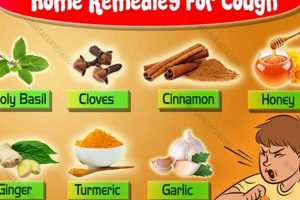
Tip 6: Incorporate Honey for Cough Relief: Honey has demonstrated efficacy in soothing coughs, particularly in children over one year of age. It should not be given to infants under 12 months due to the risk of botulism.
Tip 7: Monitor Symptom Progression and Seek Medical Advice: If symptoms worsen, persist for more than seven days, or are accompanied by high fever, difficulty breathing, or chest pain, prompt medical attention is imperative.
In summary, the judicious application of plant-derived treatments, combined with supportive measures and vigilant monitoring, can play a role in managing the discomfort associated with upper respiratory infections. Consulting with a healthcare provider ensures responsible integration into an individualized care plan.
The following section will provide cautionary considerations and highlight the necessity of professional guidance when implementing botanical approaches to address the common discomforts associated with viral respiratory infections.
1. Efficacy

Efficacy, in the context of botanical treatments for upper respiratory infections, denotes the capacity of a particular substance to produce a desired therapeutic effect under controlled conditions. Assessing the efficacy of plant-derived treatments necessitates rigorous scientific evaluation to differentiate genuine therapeutic benefits from placebo effects or spontaneous symptom resolution. A lack of established efficacy raises significant concerns about the potential for misdirected treatment and delayed access to evidence-based medical care.
- Clinical Trial Evidence
The gold standard for evaluating efficacy involves randomized, double-blind, placebo-controlled clinical trials. These studies compare the effects of a specific botanical treatment against a placebo to determine whether the treatment provides a statistically significant improvement in symptoms or duration of illness. A paucity of well-designed clinical trials limits definitive conclusions regarding the true efficacy of many plant-derived treatments.
- Standardization and Formulation
Efficacy can be significantly influenced by the standardization of plant extracts and the specific formulation used. Variations in the concentration of active compounds, extraction methods, and the presence of other ingredients can lead to inconsistent results across different products. Lack of standardization impedes the ability to accurately assess efficacy and compare findings from different studies.
- Specific Botanical Compounds
Certain botanical compounds, such as elderberry extracts containing standardized levels of anthocyanins, have demonstrated some efficacy in reducing the duration and severity of upper respiratory symptoms in clinical trials. However, the efficacy of other commonly used botanicals, such as echinacea, remains a subject of ongoing debate due to conflicting evidence and methodological limitations in existing research.
- Subjective vs. Objective Outcomes
Efficacy assessments often rely on subjective measures, such as patient-reported symptom scores, which can be influenced by individual perception and reporting biases. Incorporating objective outcome measures, such as viral load testing or inflammatory marker analysis, can provide a more comprehensive and reliable assessment of treatment efficacy.
The assessment of efficacy must be grounded in scientific rigor, considering factors such as clinical trial evidence, product standardization, specific botanical compounds, and the balance between subjective and objective outcome measures. While some plant-derived treatments show promise, definitive conclusions regarding their widespread efficacy require further high-quality research and consistent product standardization.
2. Safety

The safety profile of plant-derived treatments for upper respiratory infections constitutes a critical consideration, given the potential for adverse reactions, contraindications, and interactions with conventional medications. A comprehensive understanding of safety aspects is paramount to mitigate potential risks and ensure responsible utilization.
- Allergic Reactions
Certain individuals exhibit hypersensitivity to specific botanical compounds, leading to allergic reactions ranging from mild skin rashes to severe anaphylaxis. Prior history of allergies, particularly to plants within the same botanical family, increases the risk. Thorough assessment of allergy history is essential before initiating plant-derived treatments.
- Drug Interactions
Plant-derived treatments can interact with prescription and over-the-counter medications, altering their metabolism, efficacy, or toxicity. For example, St. John’s Wort, commonly used for mood disorders, can interfere with the efficacy of numerous medications, including anticoagulants and immunosuppressants. Clinicians should carefully review medication lists before recommending plant-derived treatments.
- Contraindications
Specific medical conditions may contraindicate the use of certain plant-derived treatments. For example, individuals with autoimmune disorders may experience exacerbation of their condition with the use of immune-stimulating botanicals like echinacea. Pregnancy and breastfeeding also warrant caution, as the safety of many plant-derived treatments in these populations remains poorly characterized.
- Quality Control and Adulteration
The safety of plant-derived treatments is contingent upon rigorous quality control standards to prevent adulteration with contaminants, toxins, or undeclared ingredients. Lack of standardization and independent testing increases the risk of exposure to harmful substances and inconsistent product quality. Consumers should seek products from reputable manufacturers with third-party certification.
A meticulous evaluation of safety profiles, encompassing the potential for allergic reactions, drug interactions, contraindications, and quality control issues, is indispensable when considering plant-derived treatments for upper respiratory infections. Healthcare professionals must engage in thorough risk-benefit assessments, factoring in individual patient characteristics and coexisting medical conditions to ensure the safe and responsible integration of these therapies.
3. Interactions

The potential for interactions between plant-derived treatments and conventional pharmaceuticals represents a significant consideration when utilizing botanical remedies for upper respiratory infections. These interactions can alter the pharmacokinetic or pharmacodynamic properties of concurrently administered medications, potentially affecting their efficacy or increasing the risk of adverse effects.
- Cytochrome P450 Enzyme Modulation
Many botanical compounds can modulate the activity of cytochrome P450 (CYP) enzymes, a family of enzymes responsible for metabolizing a substantial proportion of drugs. Some plant-derived treatments induce CYP enzymes, accelerating the metabolism and reducing the plasma concentrations of co-administered medications. Conversely, other botanicals inhibit CYP enzymes, slowing drug metabolism and potentially increasing plasma concentrations to toxic levels. For instance, St. John’s Wort, often used for mood disorders, is a known CYP3A4 inducer and can diminish the effectiveness of oral contraceptives and certain antiviral medications.
- Pharmacodynamic Synergism or Antagonism
Plant-derived treatments may exhibit synergistic or antagonistic effects when combined with conventional medications that act on the same physiological pathways. Synergistic interactions can potentiate the therapeutic effects of both substances, but may also increase the risk of adverse events. Antagonistic interactions, on the other hand, can reduce the efficacy of one or both treatments. For example, combining sedative herbs like valerian with prescription anxiolytics may result in excessive sedation, while combining stimulant herbs with decongestants could lead to increased cardiovascular stimulation.
- Absorption and Bioavailability Interference
Certain botanical compounds can interfere with the absorption and bioavailability of concurrently administered medications. For example, dietary fiber in herbal preparations can bind to drugs in the gastrointestinal tract, reducing their absorption. Similarly, some botanical constituents may alter gastric pH or intestinal motility, affecting drug dissolution and absorption. Such interactions can compromise the effectiveness of medications that require consistent plasma concentrations for optimal therapeutic outcomes.
- Protein Binding Displacement
Some plant-derived compounds exhibit a high affinity for plasma proteins, displacing other protein-bound medications. Displacement can increase the free concentration of the displaced drug, leading to enhanced pharmacological effects and potentially increased toxicity. This is of particular concern for medications with narrow therapeutic indices, where even small changes in free drug concentration can have significant clinical consequences. For example, coumarin derivatives found in some herbs can displace warfarin from albumin, increasing the risk of bleeding.
The potential for interactions underscores the critical need for healthcare professionals to carefully assess medication lists and inquire about the use of plant-derived treatments when managing upper respiratory infections. A thorough understanding of potential interaction mechanisms and the pharmacological properties of both botanical and conventional treatments is essential to minimize risks and ensure patient safety.
4. Dosage

Dosage constitutes a pivotal element in the application of plant-derived treatments for upper respiratory infections, influencing both the therapeutic efficacy and safety profile. The determination of appropriate dosages involves a multifaceted consideration of factors ranging from the specific botanical compound to individual patient characteristics. Deviation from recommended dosage ranges can lead to suboptimal therapeutic outcomes or, conversely, increase the risk of adverse effects.
- Standardization and Bioavailability
The dosage of plant-derived treatments is intrinsically linked to the standardization of active compounds and their subsequent bioavailability. Raw plant materials exhibit significant variability in the concentration of active constituents, necessitating standardized extracts to ensure consistent dosing. The bioavailability of these compounds, or the extent to which they are absorbed and available at the site of action, also influences the required dosage. For example, a botanical extract with poor bioavailability may require a higher dosage to achieve the same therapeutic effect as one with superior absorption characteristics.
- Age and Physiological Factors
Age and physiological factors play a critical role in determining appropriate dosages for plant-derived treatments. Pediatric populations and elderly individuals often exhibit altered pharmacokinetic parameters, necessitating dosage adjustments to account for differences in absorption, distribution, metabolism, and excretion. Renal and hepatic function also influence drug clearance, and individuals with impaired organ function may require lower dosages to prevent accumulation and toxicity. Body weight and composition are additional factors that can impact dosage requirements.
- Severity of Symptoms
The severity of upper respiratory infection symptoms can influence the dosage of plant-derived treatments. Individuals with mild symptoms may require lower dosages than those with more severe manifestations. However, it is essential to recognize that dosage adjustments based on symptom severity should be guided by clinical evidence and not solely based on subjective perception. Exceeding recommended dosages in an attempt to accelerate symptom relief can increase the risk of adverse effects without necessarily improving therapeutic outcomes.
- Acute vs. Chronic Use
Dosage recommendations may differ depending on whether the plant-derived treatment is intended for acute or chronic use. Acute use, typically for symptom relief during an active upper respiratory infection, may involve higher dosages for a limited duration. Chronic use, aimed at supporting immune function or preventing recurrent infections, often entails lower dosages administered over an extended period. Prolonged use of certain botanical compounds, even at relatively low dosages, can potentially lead to cumulative toxicity or adverse effects.
In summary, determining appropriate dosages for plant-derived treatments for upper respiratory infections demands a nuanced approach that considers standardization, bioavailability, age, physiological factors, symptom severity, and the intended duration of use. Healthcare professionals should carefully evaluate these variables and consult established guidelines or formularies to ensure safe and effective dosing.
5. Quality

The quality of plant-derived treatments for upper respiratory infections critically influences their safety and effectiveness. Establishing consistent manufacturing standards and rigorous testing protocols is essential to ensure that products contain the intended active compounds in the stated concentrations and are free from contaminants.
- Source Material Authentication
Proper identification and authentication of the source plant material are fundamental to quality control. Botanical misidentification can lead to the inclusion of incorrect or adulterated species, potentially compromising the efficacy or introducing harmful compounds. Established pharmacognostic methods, including macroscopic and microscopic examination, chemical fingerprinting, and DNA barcoding, are used to verify the identity of plant materials.
- Cultivation and Harvesting Practices
Cultivation and harvesting practices significantly impact the quality and composition of plant-derived treatments. Environmental factors, such as soil quality, climate, and growing conditions, can influence the concentration of active constituents. Harvesting at the appropriate time of year and using proper drying and storage techniques are essential to preserve the integrity of the plant material and prevent degradation.
- Extraction and Processing Methods
The methods used for extraction and processing can affect the yield, purity, and stability of active compounds. Different extraction solvents and techniques can selectively extract specific constituents, influencing the overall therapeutic profile of the product. Careful control of extraction parameters, such as temperature, pressure, and extraction time, is necessary to optimize the extraction process and minimize the degradation of sensitive compounds.
- Testing and Analysis
Rigorous testing and analysis are essential to ensure the quality, purity, and potency of plant-derived treatments. Testing protocols typically include assays for active compound content, heavy metals, pesticides, microbial contamination, and other potential adulterants. Independent third-party testing provides an additional layer of assurance and enhances consumer confidence in the quality of the product.
The overall quality of plant-derived treatments significantly influences their suitability for managing upper respiratory infections. Products adhering to stringent quality control standards are more likely to provide consistent therapeutic benefits and minimize the risk of adverse effects. Consumers should seek products from reputable manufacturers that employ rigorous testing protocols and provide transparency regarding sourcing, manufacturing, and quality control practices.
6. Regulations
The regulatory landscape surrounding plant-derived treatments for upper respiratory infections is complex and varies considerably across jurisdictions. The absence of standardized, globally harmonized regulations poses significant challenges to ensuring the safety, efficacy, and quality of these products. This inconsistency results in varying levels of consumer protection and contributes to market ambiguity. The lack of stringent regulatory oversight can lead to the proliferation of substandard products, undermining public confidence and potentially posing health risks.
In some regions, plant-derived treatments are classified as dietary supplements or traditional medicines, subjecting them to less rigorous regulatory requirements compared to pharmaceuticals. This often entails limited pre-market approval processes, less stringent manufacturing standards, and reduced oversight of product labeling and advertising. Consequently, product claims may not be adequately substantiated by scientific evidence, and consumers may be misled regarding the true benefits and risks. Conversely, in other jurisdictions, specific botanical compounds with established medicinal properties may be regulated as pharmaceutical drugs, necessitating adherence to stringent clinical trial requirements and manufacturing standards. For example, certain cough syrups containing plant-derived antitussives are regulated as over-the-counter drugs in some countries but are available as dietary supplements in others. This regulatory divergence underscores the challenges of harmonizing standards and ensuring consistent product quality across international markets.
The evolving regulatory framework surrounding plant-derived treatments necessitates ongoing evaluation and adaptation to accommodate scientific advancements and emerging safety concerns. International collaboration among regulatory agencies is essential to promote harmonization, share best practices, and establish consistent standards for quality, safety, and efficacy. Enhanced regulatory oversight, coupled with improved consumer education, is crucial to ensure that plant-derived treatments for upper respiratory infections are utilized responsibly and that public health is effectively protected. Addressing the existing regulatory disparities and promoting evidence-based decision-making will contribute to building a more transparent and trustworthy market for these products.
Frequently Asked Questions
This section addresses common queries regarding the use of plant-derived treatments for managing upper respiratory infections, offering evidence-based insights.
Question 1: Are plant-derived treatments an effective substitute for conventional medical care for upper respiratory infections?
Plant-derived treatments should not be considered a direct substitute for conventional medical care. While some may provide symptomatic relief, they do not target the viral etiology of the infection. Individuals should consult a healthcare provider for proper diagnosis and treatment, particularly if symptoms worsen or persist.
Question 2: Is there scientific evidence supporting the efficacy of plant-derived treatments for upper respiratory infections?
Scientific evidence regarding the efficacy of plant-derived treatments varies. Some compounds, such as elderberry extracts, have demonstrated modest efficacy in reducing symptom duration in clinical trials. However, the evidence base for many other commonly used botanicals remains limited or inconclusive.
Question 3: Can plant-derived treatments cause adverse effects or interact with conventional medications?
Plant-derived treatments can cause adverse effects, including allergic reactions and gastrointestinal disturbances. Furthermore, significant interactions with conventional medications are possible. Individuals should disclose all plant-derived treatments to their healthcare provider to avoid potential complications.
Question 4: Are all plant-derived treatments of equal quality and potency?
Significant variability exists in the quality and potency of plant-derived treatments. Factors such as sourcing, manufacturing practices, and standardization methods can influence the consistency and purity of products. Consumers should select products from reputable manufacturers with third-party certification.
Question 5: How do the regulations apply to plant-derived treatments compare to conventional medications?
Plant-derived treatments are generally subject to less stringent regulatory requirements than conventional medications. In many jurisdictions, they are classified as dietary supplements, requiring limited pre-market approval or oversight. This distinction necessitates careful consideration of product claims and potential risks.
Question 6: Should plant-derived treatments be used during pregnancy or breastfeeding?
The safety of many plant-derived treatments during pregnancy and breastfeeding remains poorly characterized. Due to potential risks to the developing fetus or infant, pregnant or breastfeeding individuals should consult their healthcare provider before using any plant-derived treatments.
The integration of plant-derived treatments into a plan for managing upper respiratory infections requires judicious consideration of available evidence, potential risks, and regulatory factors. Consultation with a healthcare professional is essential to ensure responsible utilization.
The subsequent section delves into practical guidance on how to approach the use of plant-derived remedies in conjunction with, or as an adjunct to, conventional therapies for common upper respiratory ailments.
Considerations Regarding Plant-Derived Approaches for Upper Respiratory Infections
The preceding exposition has examined facets relevant to the application of plant-derived treatments for upper respiratory infections. Consideration of efficacy, safety, potential interactions, dosage parameters, product quality, and the applicable regulatory framework is essential. The prudent utilization of these treatments necessitates a balanced appraisal of available evidence and a commitment to responsible practices.
The ongoing investigation into the potential of botanical resources to address the discomforts associated with viral respiratory ailments necessitates a continued emphasis on rigorous scientific inquiry, standardized manufacturing processes, and transparent regulatory oversight. These efforts are vital to ensuring that individuals can make informed decisions regarding their healthcare and access safe, effective treatment options.