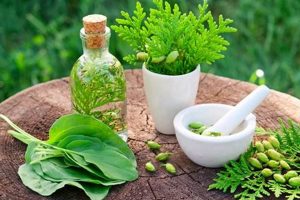
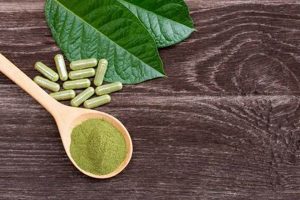
Botanical remedies intended to combat parasitic infections are derived from plants and are available in various forms, such as capsules, tinctures, and powders. These formulations are often complex mixtures of different plant extracts, each believed to possess antiparasitic properties. An example would be a combination of black walnut hull, wormwood, and cloves, often used together in traditional medicine.
The appeal of using plant-derived agents against parasitic infestations lies in their perceived natural origin and potential for broader spectrum activity compared to some pharmaceutical alternatives. Historically, many cultures have relied on indigenous plants for treating such conditions, accumulating knowledge passed down through generations. This approach may offer benefits in terms of accessibility and affordability, particularly in regions where conventional medical treatments are limited.
The subsequent discussion will delve into specific plant-based substances employed for these purposes, exploring their mechanisms of action, evidence-based efficacy, and potential safety considerations. Furthermore, it will address the crucial need for proper diagnosis and guidance from qualified healthcare professionals before considering any self-treatment strategies.
Guidance on Plant-Derived Antiparasitic Agents
The following recommendations offer crucial insights regarding the use of botanicals against parasitic infections. It is imperative to exercise caution and seek professional guidance when considering such approaches.
Tip 1: Identification is Paramount: Accurate identification of the parasitic organism is crucial. Different parasites respond to different treatments, both pharmaceutical and botanical. A stool test, blood test, or other diagnostic method should be employed to determine the specific type of infection.
Tip 2: Consult a Healthcare Professional: Before initiating any treatment, consult a qualified healthcare provider experienced in both conventional and complementary medicine. This ensures proper diagnosis, consideration of potential drug interactions, and monitoring for adverse effects.
Tip 3: Understand Potential Interactions: Plant-based substances can interact with prescription medications. For example, certain herbs can affect the metabolism of blood thinners, anti-seizure medications, or immunosuppressants. Discuss all medications and supplements with a healthcare provider.
Tip 4: Research the Source and Quality: The quality and purity of plant-derived products vary significantly. Select reputable brands that adhere to good manufacturing practices (GMP) and provide third-party testing for heavy metals, pesticides, and other contaminants. Adulteration of these products is a serious concern.
Tip 5: Adhere to Dosage Recommendations: Follow recommended dosages and durations of use precisely. Excessive intake can lead to adverse effects. Start with low doses and gradually increase as tolerated, under the guidance of a qualified practitioner.
Tip 6: Be Aware of Potential Side Effects: Plant-based agents, even those considered “natural,” can have side effects. Common side effects may include gastrointestinal upset, allergic reactions, or liver toxicity. Discontinue use and seek medical attention if concerning symptoms develop.
Tip 7: Consider Combination Therapies: In some cases, a combination of conventional medications and botanical remedies may be appropriate, under the supervision of a knowledgeable healthcare provider. This approach aims to leverage the benefits of both modalities while minimizing potential risks.
Tip 8: Implement Supportive Measures: Alongside targeted treatments, supportive measures such as dietary modifications, improved hygiene, and stress management can enhance the body’s ability to eliminate parasitic infections and restore overall health.
These tips emphasize the significance of careful consideration, professional guidance, and a holistic approach when exploring the use of plant-based interventions for parasitic infections.
The subsequent sections will provide further in-depth analysis of these agents, including their efficacy and safety profiles.
1. Identification Accuracy

Accurate identification of the parasitic organism is the foundational step in determining the appropriate course of action, especially when considering adjunct botanical approaches. The efficacy of any therapeutic intervention, including plant-derived agents, is contingent upon its specificity for the targeted parasite. Misidentification can lead to ineffective treatment, prolonged infection, and potential complications.
- Species-Specific Sensitivity
Different parasitic species exhibit varying degrees of susceptibility to specific botanical compounds. What may be effective against Giardia lamblia, for instance, might be ineffective against Entamoeba histolytica. Erroneously assuming broad-spectrum activity across all parasites can lead to treatment failure. Precise diagnostic techniques, such as microscopic examination of stool samples or PCR-based assays, are essential for determining the exact species involved. This enables selection of botanical agents known to possess activity against that particular parasite.
- Excluding Non-Parasitic Etiologies
Gastrointestinal symptoms often attributed to parasitic infections may stem from other underlying conditions, such as bacterial overgrowth, inflammatory bowel disease, or food intolerances. Prescribing botanical treatments without proper diagnostic investigation may mask the true cause of the symptoms and delay appropriate medical intervention. Furthermore, certain botanical agents may exacerbate pre-existing conditions, leading to unintended adverse effects. A thorough clinical evaluation, including relevant laboratory testing, is crucial to rule out non-parasitic etiologies before initiating any antiparasitic treatment.
- Assessing Co-Infections
Individuals may harbor multiple parasitic infections simultaneously. Failure to identify and address all co-infecting organisms can compromise treatment outcomes. Some botanical compounds may target specific parasites while leaving others unaffected, potentially disrupting the balance of the gut microbiota and promoting the dominance of untreated parasites. Comprehensive diagnostic testing, including multiplex assays capable of detecting multiple pathogens simultaneously, is essential for identifying and addressing all co-infections to achieve complete eradication.
- Resistance Considerations
Parasites, like bacteria, can develop resistance to antiparasitic agents, including botanical compounds, over time. Exposure to sub-therapeutic doses or prolonged use of ineffective treatments can select for resistant strains, rendering subsequent treatments less effective. Proper identification of the parasite and knowledge of potential resistance patterns within the community are crucial for selecting appropriate agents and implementing strategies to minimize the development of resistance. This includes using combination therapies, cycling different treatments, and ensuring adequate dosages and durations of treatment.
The intricate relationship between the identity of a parasitic infection and the selection of an appropriate treatment necessitates a rigorous diagnostic approach. Prioritizing accuracy in parasite identification is not merely a preliminary step but a cornerstone of effective and safe use of botanical adjuncts. This approach minimizes the risk of inappropriate treatment, promotes targeted intervention, and ultimately enhances the likelihood of successful eradication and improved patient outcomes.
2. Professional Guidance

The integration of professional medical guidance represents a critical component in the appropriate and safe utilization of plant-derived compounds against parasitic infections. Self-diagnosis and self-treatment, without the oversight of a qualified healthcare provider, carry inherent risks that can significantly compromise patient well-being. The complexity of parasitic infections, the potential for misdiagnosis, and the possibility of adverse interactions between botanical substances and conventional medications necessitate expert clinical oversight. For instance, an individual may attribute gastrointestinal distress to a parasite, initiating treatment with a botanical, when the actual cause is an undiagnosed case of Crohn’s disease. Without professional evaluation, the underlying condition remains unaddressed, potentially leading to severe complications.
Professional guidance extends beyond simply recommending specific botanical substances. A qualified practitioner will conduct a comprehensive medical history, perform relevant physical examinations, and order necessary diagnostic tests to accurately identify the parasitic organism. Furthermore, they can assess the patient’s overall health status, including any pre-existing medical conditions or medications, to identify potential contraindications or interactions. This holistic approach allows for the development of a personalized treatment plan that considers both the parasitic infection and the individual’s unique physiological profile. As a real-world example, consider a patient taking warfarin (a blood thinner) who decides to use a botanical with anticoagulant properties. Without professional oversight, this combination could lead to an increased risk of bleeding complications. Expert guidance mitigates such risks through careful monitoring and dosage adjustments.
In summary, professional guidance is not merely an ancillary consideration but a fundamental requirement for the safe and effective use of botanical adjuncts against parasitic infections. It ensures accurate diagnosis, personalized treatment strategies, and proactive management of potential risks and interactions. By partnering with a qualified healthcare provider, individuals can harness the potential benefits of plant-derived compounds while minimizing the potential for harm, ultimately leading to improved health outcomes.
3. Source Purity

The purity of ingredients used in herbal formulations is of paramount importance, directly influencing the safety and efficacy. Contamination, adulteration, and misidentification of plant material pose significant risks to consumers seeking natural remedies.
- Contaminant Exposure
Herbal products can be contaminated with heavy metals, pesticides, and microbial pathogens. Heavy metals, such as lead, mercury, and arsenic, can accumulate in plants from contaminated soil or water sources. Pesticides used during cultivation can persist in the final product, posing a risk of toxicity. Microbial contamination, including bacteria and fungi, can occur during harvesting, processing, or storage. Consuming contaminated remedies can lead to adverse health effects, ranging from gastrointestinal distress to organ damage.
- Adulteration Practices
Adulteration involves the intentional substitution of authentic plant material with cheaper, less effective, or even toxic substances. This practice aims to reduce production costs and increase profits but compromises the integrity and therapeutic value of the final product. For example, an expensive herb may be diluted with a cheaper, similar-looking plant, rendering the product ineffective or potentially harmful. Stringent quality control measures are essential to detect and prevent adulteration.
- Misidentification Hazards
Accurate identification of plant species is critical to ensure that the correct botanical material is used in herbal formulations. Misidentification can occur due to similarities in appearance between different plant species, lack of expertise in plant identification, or intentional substitution. Using the wrong plant can result in a product that is ineffective, has different therapeutic properties than intended, or even poses a risk of toxicity. Microscopic analysis, DNA barcoding, and chemical fingerprinting are tools used to verify the identity of plant materials.
- Variability in Active Compounds
The concentration of active compounds in plant material can vary depending on factors such as growing conditions, harvesting time, and processing methods. Plants grown in nutrient-deficient soil may have lower levels of therapeutic constituents compared to those grown in optimal conditions. Improper drying or storage can degrade active compounds, reducing the potency of the final product. Standardization of herbal extracts, which involves adjusting the concentration of key active compounds to a specified level, helps ensure consistency and predictability of therapeutic effects.
The facets highlight the necessity of prioritizing source purity to minimize contamination risks, prevent adulteration practices, avoid misidentification hazards, and standardize active compounds. A rigorous emphasis on source purity and quality control safeguards consumers from potential harm, ensures product efficacy, and enhances the credibility and reliability of herbal supplements. This allows for a more informed selection of herbal supplements.
4. Dosage Adherence

Dosage adherence constitutes a critical determinant in the successful application of botanical interventions targeting parasitic infestations. Suboptimal or excessive dosages can negate therapeutic benefits and precipitate adverse reactions. Parasitic eradication frequently requires sustained exposure to effective concentrations of antiparasitic compounds, a condition achievable only through meticulous adherence to prescribed dosage regimens. For instance, if a regimen requires three daily doses of a particular extract, consistent omission of one dose may lower serum concentrations below the therapeutic threshold, rendering the treatment ineffective and potentially promoting parasite resistance.
Conversely, exceeding recommended dosages does not invariably enhance efficacy and may instead increase the risk of toxicity. Many botanicals possess narrow therapeutic windows, wherein the difference between effective and toxic doses is minimal. Overconsumption can overwhelm the body’s detoxification pathways, leading to liver damage, gastrointestinal distress, or neurological complications. A practical example illustrates this point: Black walnut hull, frequently used in antiparasitic protocols, contains juglone, a naphthoquinone derivative with documented antiparasitic activity. However, excessive ingestion of black walnut hull can induce gastrointestinal upset, skin irritation, and in rare instances, liver enzyme elevations. Therefore, adhering to established dosage guidelines minimizes potential harm while optimizing therapeutic outcomes.
In summary, dosage adherence represents a pivotal factor in the responsible and effective utilization of botanical agents for parasitic infections. Consistency in dosage administration ensures sustained therapeutic concentrations, while adherence to recommended limits mitigates the risk of adverse effects. The challenge lies in balancing the need for adequate exposure to antiparasitic compounds with the imperative to avoid toxicity, emphasizing the importance of precise dosage administration under the guidance of qualified healthcare professionals.
5. Interaction Awareness

The concomitant use of botanical agents and conventional pharmaceuticals presents a complex pharmacological landscape, mandating a heightened awareness of potential interactions. Botanical substances, often perceived as innocuous due to their natural origin, can significantly alter the pharmacokinetic and pharmacodynamic properties of prescription medications. This interaction can occur through various mechanisms, including modulation of hepatic enzyme activity, interference with drug absorption, and alteration of renal excretion. The consequences of such interactions range from diminished drug efficacy to enhanced toxicity, thereby compromising patient safety and therapeutic outcomes in the context of parasitic infections.
A real-world example underscores the importance of interaction awareness. Individuals undergoing treatment for parasitic infections may concurrently take antifungal medications. Certain botanical substances, such as grapefruit seed extract, are potent inhibitors of cytochrome P450 enzymes, specifically CYP3A4, which plays a crucial role in the metabolism of several antifungal drugs. Co-administration of grapefruit seed extract with an antifungal medication metabolized by CYP3A4 can lead to increased drug concentrations, potentially resulting in adverse effects such as hepatotoxicity or QT prolongation. Similarly, other botanicals may induce CYP3A4 activity, leading to decreased antifungal drug concentrations and subsequent treatment failure. Therefore, healthcare providers must meticulously assess patients’ medication regimens and consider the potential for interactions between botanical agents and prescription drugs.
In summary, interaction awareness is a crucial component of responsible botanical supplementation for parasitic infections. The potential for pharmacokinetic and pharmacodynamic interactions between botanical substances and conventional medications necessitates careful consideration and professional oversight. Healthcare providers must proactively assess medication regimens, evaluate the potential for interactions, and monitor patients for adverse effects. By prioritizing interaction awareness, healthcare providers can optimize therapeutic outcomes and ensure patient safety in the context of botanical adjuncts for parasitic infections.
6. Efficacy Evidence

The concept of efficacy evidence represents a cornerstone in the responsible evaluation and application of botanical substances for combating parasitic infections. Efficacy, in this context, refers to the capacity of a particular herbal supplement to produce a demonstrable and measurable antiparasitic effect within a controlled environment or clinical setting. The absence of robust efficacy evidence renders the use of such supplements speculative and potentially detrimental, as it may delay or preclude the adoption of treatments with proven efficacy. For instance, the historical use of artemisinin-based therapies for malaria treatment exemplifies the importance of rigorous clinical trials in establishing efficacy. Prior to widespread adoption, controlled studies demonstrated artemisinin’s superior efficacy compared to existing treatments, leading to a significant reduction in malaria-related morbidity and mortality. Conversely, promoting herbal supplements for parasitic infections without similar levels of evidence can lead to ineffective treatments and potentially exacerbate the condition.
The generation of efficacy evidence necessitates adherence to scientific methodologies, including randomized controlled trials (RCTs), in vitro studies, and animal models. RCTs, considered the gold standard in clinical research, involve the random assignment of participants to either a treatment group receiving the herbal supplement or a control group receiving a placebo or standard treatment. By comparing outcomes between these groups, researchers can determine the specific effect of the herbal supplement. In vitro studies, conducted in laboratory settings, allow for the investigation of the direct effects of herbal extracts on parasitic organisms. Animal models provide an opportunity to assess the efficacy and safety of herbal supplements in a living system before human trials. The integration of data from these different sources provides a comprehensive assessment of efficacy. For instance, a botanical with promising in vitro activity may fail to demonstrate efficacy in animal models or human trials due to poor bioavailability or rapid metabolism. Therefore, relying solely on anecdotal evidence or traditional use without corroborating scientific evidence is insufficient to establish efficacy.
The evaluation of efficacy evidence also requires critical appraisal of study design, sample size, and outcome measures. Studies with small sample sizes or methodological flaws may produce unreliable results. Outcome measures should be clearly defined and relevant to the clinical condition. For example, in a trial evaluating the efficacy of an herbal supplement for Giardia lamblia infection, the primary outcome measure should be the clearance of the parasite from stool samples, confirmed by microscopic examination or PCR. Secondary outcome measures may include symptom resolution and improvement in quality of life. Furthermore, it’s important to distinguish between statistical significance and clinical significance. A statistically significant result may not necessarily translate into a meaningful clinical benefit for patients. A comprehensive understanding of efficacy evidence necessitates careful consideration of the scientific methodology, study design, and clinical relevance of the findings. Only through rigorous evaluation can informed decisions be made regarding the appropriate use of botanical substances for parasitic infections, ensuring that patients receive effective and safe treatments.
7. Safety Monitoring

The implementation of robust safety monitoring protocols is an indispensable component of the responsible use of botanical agents for parasitic infections. While often perceived as natural and benign, herbal supplements are not inherently free of risk. Safety monitoring encompasses a systematic approach to identifying, assessing, and mitigating potential adverse effects associated with the use of these substances. This proactive approach is crucial due to several factors, including the inherent variability in plant-derived compounds, the potential for contamination or adulteration, and the possibility of interactions with conventional medications. Neglecting safety monitoring can lead to unforeseen complications, exacerbation of pre-existing conditions, and delayed access to appropriate medical care. For instance, an individual self-treating a parasitic infection with an herbal supplement may experience liver damage, mistaking the symptoms for flu-like illness. Without proper safety monitoring, the liver damage may progress undetected, leading to severe consequences.
Effective safety monitoring involves several key elements. Prior to initiating herbal supplementation, a thorough medical history and physical examination should be conducted to identify any contraindications or potential risk factors. Baseline laboratory tests, including liver function tests and kidney function tests, provide a reference point for detecting subsequent changes. During treatment, patients should be closely monitored for any signs or symptoms of adverse effects, such as skin rashes, gastrointestinal distress, or neurological changes. Patients should be educated about potential side effects and instructed to promptly report any concerning symptoms to their healthcare provider. Periodic laboratory tests may be necessary to assess organ function and detect early signs of toxicity. In cases of suspected adverse reactions, the herbal supplement should be immediately discontinued, and appropriate medical care should be sought. Furthermore, reporting adverse events to regulatory agencies, such as the Food and Drug Administration (FDA), contributes to the collective knowledge of herbal supplement safety and helps inform future guidelines and recommendations. In a tangible example, if a patient undergoing herbal treatment for a parasitic infection experiences an unexplained elevation in liver enzymes, prompt investigation and cessation of the supplement can prevent further liver damage and facilitate timely intervention.
In summary, safety monitoring is not a passive afterthought but an active and ongoing process that is essential for ensuring the well-being of individuals using herbal supplements for parasitic infections. Its integration into treatment plans allows for the early detection and management of potential adverse effects, minimizing harm and optimizing therapeutic outcomes. The challenges involve promoting awareness among both healthcare providers and patients, establishing standardized monitoring protocols, and fostering a culture of transparency and vigilance regarding herbal supplement safety. The broader theme underscores the importance of evidence-based decision-making and responsible self-care practices in the realm of complementary and alternative medicine. This commitment to safety monitoring is critical for maximizing the potential benefits of herbal supplements while minimizing the inherent risks.
Frequently Asked Questions
The subsequent section addresses common inquiries concerning the use of botanical substances in the management of parasitic infections. This information aims to provide clarity and guidance on this complex topic.
Question 1: Are herbal supplements a guaranteed cure for parasitic infections?
No definitive guarantee exists. While some botanicals exhibit antiparasitic properties, their efficacy can vary based on the specific parasite, the individual’s health status, and the quality of the supplement. Empirical evidence may not always support traditional uses.
Question 2: Can herbal supplements be used in place of conventional antiparasitic medications?
Replacing conventional medications with herbal supplements without consulting a healthcare professional carries potential risks. Conventional medications often have well-established efficacy and safety profiles for specific parasitic infections. Supplements should be regarded as adjuncts, not replacements, unless otherwise directed by a qualified practitioner.
Question 3: Are “natural” herbal supplements inherently safe?
The designation “natural” does not equate to inherent safety. Herbal supplements can have side effects, interact with other medications, and may be contraindicated for certain individuals. Adherence to recommended dosages and awareness of potential interactions are crucial.
Question 4: How can the quality and purity of herbal supplements be ensured?
Selecting reputable brands that adhere to Good Manufacturing Practices (GMP) and undergo third-party testing for contaminants is crucial. Look for certificates of analysis (COAs) that verify the identity and purity of the ingredients. Be vigilant for unsubstantiated claims or unusually low prices, as these may indicate substandard products.
Question 5: What are the potential risks associated with using herbal supplements for parasitic infections?
Potential risks include allergic reactions, gastrointestinal distress, liver toxicity, interactions with medications, and ineffectiveness against the targeted parasite. Certain herbs may be contraindicated during pregnancy or breastfeeding. Consultation with a healthcare professional is essential to assess individual risk factors.
Question 6: Where can one find reliable information about the efficacy and safety of specific herbal supplements?
Credible sources of information include scientific journals, peer-reviewed publications, and reputable organizations dedicated to herbal medicine research. Consult with a healthcare professional knowledgeable in both conventional and complementary medicine for personalized guidance.
These FAQs highlight the necessity of approaching herbal supplements with caution, informed by credible sources and expert guidance. These elements promote responsible decision-making.
The subsequent section will explore specific botanical agents commonly used for parasitic infections, detailing their purported mechanisms of action and available scientific evidence.
Conclusion
The exploration of botanical substances utilized against parasitic infections reveals a complex and nuanced landscape. Critical assessment of parasite identification, professional guidance, source purity, dosage adherence, interaction awareness, efficacy evidence, and safety monitoring has been emphasized. These considerations are paramount to informed and responsible decision-making when considering these adjunct therapies.
The responsible utilization of herbal supplements for parasites requires a balanced approach. Continued research and rigorous scientific investigation are crucial to fully elucidate the potential benefits and risks associated with these substances. Individuals are urged to seek comprehensive guidance from qualified healthcare professionals, prioritizing evidence-based practices and personalized treatment plans to safeguard their well-being.