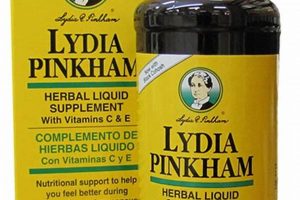
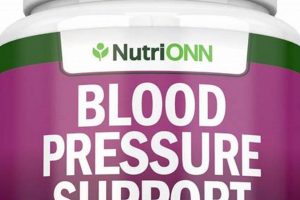
Products derived from plants cultivated without synthetic pesticides, herbicides, or fertilizers and intended to augment the diet are available. These items utilize the purported therapeutic properties of botanicals. Examples include preparations using echinacea, ginseng, and St. John’s Wort.
The incorporation of these naturally sourced elements into wellness practices has a long history across numerous cultures. They are often considered for their potential to support various bodily functions and promote overall well-being. The purported advantages range from immune system enhancement to stress reduction and improved sleep quality.
The subsequent sections will delve into the regulation, sourcing, and potential applications of these botanical-based dietary additions, offering a more in-depth understanding of their role in contemporary health and wellness regimens.
Guidance on Using Plant-Derived Dietary Adjuncts
The following recommendations are designed to inform responsible and knowledgeable consumption of botanical preparations meant to supplement dietary intake. Adherence to these points may contribute to safer and more effective usage.
Tip 1: Source from Reputable Suppliers: Prioritize procurement from companies that provide transparent information regarding sourcing, manufacturing processes, and third-party testing. Established brands with certifications often adhere to higher quality standards.
Tip 2: Verify Certification: Seek products with certifications from recognized organic certification bodies. This ensures adherence to specific agricultural practices and minimizes the risk of contamination with synthetic substances.
Tip 3: Research Potential Interactions: Consult a healthcare professional or qualified herbalist to ascertain potential interactions with existing medications or pre-existing health conditions. Certain botanicals may potentiate or diminish the effects of pharmaceutical drugs.
Tip 4: Adhere to Recommended Dosages: Strictly follow the dosage instructions provided on the product label or as directed by a healthcare professional. Exceeding recommended dosages may lead to adverse effects.
Tip 5: Monitor for Adverse Reactions: Observe the body’s response following initial consumption. Discontinue use immediately and seek medical attention if any adverse reactions, such as allergic symptoms or gastrointestinal distress, occur.
Tip 6: Consider Individual Needs: Recognize that the efficacy and suitability of these botanical additions can vary based on individual factors such as age, health status, and genetic predispositions. A personalized approach is crucial.
Tip 7: Be Mindful of Long-Term Use: Exercise caution with prolonged, uninterrupted consumption. Some botanicals may have cumulative effects or potential long-term consequences that warrant periodic evaluation.
Implementing these guidelines can contribute to a more informed and responsible approach to incorporating these plant-based additions into a holistic wellness strategy.
The subsequent sections will provide a comprehensive overview of regulations, research findings, and practical applications associated with these botanical supplements, facilitating a deeper understanding of their role in contemporary health management.
1. Sourcing Verification

Sourcing verification is a critical process that ensures the integrity and authenticity of botanical ingredients used in dietary supplements. It involves tracing the origin and production methods of plants from cultivation to processing, verifying adherence to quality standards and mitigating risks of contamination or adulteration.
- Geographic Origin and Authenticity
Verification processes identify the specific geographic region where plants are cultivated, confirming that they are harvested from their native or naturalized environments. For instance, true Ceylon cinnamon must originate from Sri Lanka; sourcing verification can confirm this authenticity, preventing substitution with lower-quality alternatives. Inaccurate geographic origin can compromise the efficacy and safety of the supplement.
- Cultivation Practices and Organic Certification
Sourcing verification assesses whether cultivation practices adhere to organic farming standards. This includes confirming the absence of synthetic pesticides, herbicides, and fertilizers. Organic certification from recognized bodies like USDA or EU Organic serves as evidence of compliant cultivation. For example, a supplement claiming “organic echinacea” must be sourced from farms that have undergone rigorous certification audits.
- Supply Chain Transparency and Traceability
Effective sourcing verification establishes a transparent supply chain, tracking the movement of botanicals from the farm to the manufacturing facility. Traceability systems document key stages, including harvesting, drying, processing, and transportation. For example, a reputable supplier should be able to provide detailed records of batch numbers, harvest dates, and processing methods for each botanical ingredient.
- Testing and Quality Control
Sourcing verification includes rigorous testing of botanical materials to ensure purity, potency, and safety. This involves analyzing samples for contaminants such as heavy metals, pesticides, and microbial pathogens. Quality control measures also verify the correct identification of plant species, preventing adulteration with related but less effective species. For instance, DNA barcoding can be used to authenticate the species of ginseng used in a supplement.
The integration of these facets in sourcing verification directly impacts the overall quality and reliability of botanical additions. By ensuring the authenticity, purity, and ethical sourcing of botanicals, manufacturers can offer dietary supplements that meet consumer expectations for safety and efficacy.
2. Certification Standards
Certification standards represent a critical component in ensuring the quality and integrity of plant-derived dietary adjuncts. These standards, established by independent organizations, define the requirements for cultivation, processing, and manufacturing practices that must be met for a product to be labeled as “organic.” The presence of a recognized certification mark serves as verification that the product adheres to these defined protocols, influencing consumer trust and product value. For instance, the USDA Organic seal signifies adherence to stringent agricultural practices, prohibiting the use of synthetic pesticides and genetically modified organisms. This cause-and-effect relationship between certified standards and the integrity of these supplements is important for consumer assurance and product efficacy.
Compliance with certification standards has direct practical implications. It mandates traceability throughout the supply chain, from the field to the finished product. This allows for verification of ingredient authenticity and identification of potential contamination risks. The European Union’s organic certification, for example, requires rigorous documentation at each stage of production, facilitating rapid response to any deviations from established quality control measures. The practical significance lies in the prevention of mislabeling and the protection of consumers from potentially harmful substances. Certified suppliers must demonstrate adherence to specified harvesting and processing methods, ensuring that the bioactive compounds in the herbs are preserved, thereby maintaining the intended therapeutic properties.
In summary, certification standards offer a framework for establishing and maintaining the quality and safety of botanical supplements. While these standards do not guarantee efficacy, they minimize the risk of adulteration, contamination, and misidentification. Understanding the significance of certification standards enables informed purchasing decisions and promotes responsible consumption. Challenges exist in harmonizing global organic standards; however, the underlying principle remains consistent: to provide consumers with assurances regarding the authenticity and quality of these plant-derived dietary additions.
3. Potential Interactions

The possibility of interactions between botanical supplements and conventional pharmaceuticals or pre-existing health conditions represents a critical safety consideration. Although perceived as natural, botanical substances possess pharmacological activity that can influence drug metabolism, receptor binding, or physiological processes. The simultaneous consumption of certain botanical additions and medications may result in synergistic, additive, or antagonistic effects, potentially compromising therapeutic outcomes or increasing the risk of adverse events. For example, St. John’s Wort, commonly used for mood support, is known to induce cytochrome P450 enzymes, which can accelerate the metabolism and reduce the efficacy of various drugs, including oral contraceptives, anticoagulants, and immunosuppressants. This highlights the importance of understanding these potential interactions.
The liver and kidneys play a central role in drug metabolism and elimination; therefore, botanicals that affect these organs can significantly alter drug pharmacokinetics. For example, grapefruit juice inhibits cytochrome P450 3A4, an enzyme responsible for metabolizing many drugs. Similarly, certain herbal supplements, such as kava, have been associated with liver toxicity, potentially exacerbating the effects of hepatotoxic medications. Pre-existing health conditions, such as bleeding disorders or compromised renal function, can also increase the susceptibility to adverse interactions. Individuals taking anticoagulants should exercise caution with botanicals that possess antiplatelet activity, such as ginkgo biloba, due to the increased risk of bleeding complications.
In summary, the potential for interactions between botanical supplements and conventional drugs or pre-existing health conditions necessitates careful evaluation before concurrent use. Consultation with a healthcare professional or qualified herbalist is recommended to assess individual risk factors and potential contraindications. Comprehensive knowledge of drug-botanical interactions, awareness of patient-specific factors, and diligent monitoring for adverse events are crucial to ensure safe and effective use. Failing to consider these interactions can lead to unintended consequences, underscoring the need for informed decision-making in supplement use.
4. Dosage Adherence

Dosage adherence is a crucial factor in the safe and effective use of botanical supplements. Precise administration, according to established guidelines, is essential to optimize therapeutic benefits and minimize the potential for adverse effects. Deviation from recommended dosages can lead to suboptimal outcomes or increased risk of toxicity.
- Variability in Potency
Botanical supplements exhibit inherent variability in chemical composition, attributable to factors such as plant genetics, environmental conditions, and harvesting practices. This variability can influence the potency of the active constituents, making standardized dosages imperative. For example, the concentration of hypericin in St. John’s Wort can vary significantly between different product formulations; adherence to recommended dosages, often based on hypericin content, is crucial to achieve consistent therapeutic effects. Exceeding these doses may lead to increased photosensitivity or other adverse reactions.
- Bioavailability Considerations
Bioavailability, the extent to which an active compound is absorbed and utilized by the body, also influences dosage requirements. Certain botanical constituents exhibit poor bioavailability, necessitating higher dosages to achieve therapeutic plasma concentrations. For instance, curcumin, a compound found in turmeric, has limited bioavailability; formulations often include piperine, a black pepper extract, to enhance absorption. Adherence to recommended dosages, tailored to specific formulations and bioavailability enhancers, is essential for optimal efficacy. Insufficient dosages may fail to produce the desired therapeutic effects.
- Individual Patient Factors
Individual patient factors, such as age, weight, renal function, and concurrent medications, can impact the metabolism and elimination of botanical supplements. Dosage adjustments may be necessary to account for these variables. Pediatric or geriatric populations, for example, may require lower dosages due to reduced metabolic capacity. Patients with impaired renal function may experience delayed excretion of certain botanical constituents, increasing the risk of toxicity. Adherence to individualized dosage recommendations, guided by healthcare professionals, is essential to ensure safe and effective use.
- Potential for Cumulative Effects
Prolonged or excessive consumption of certain botanical supplements can lead to cumulative effects, increasing the risk of adverse reactions. Some compounds may accumulate in tissues over time, resulting in delayed toxicity. For example, chronic use of licorice root can cause pseudoaldosteronism, characterized by hypertension, hypokalemia, and sodium retention. Adherence to recommended dosages and periodic monitoring for adverse effects are crucial to mitigate the risk of cumulative toxicity.
The aspects highlighted underscore the importance of adhering to established dosage guidelines when utilizing these botanical dietary additions. Dosage adherence promotes the safe and effective integration of botanicals into health management. While these natural supplements can offer potential benefits, their responsible use is predicated on a meticulous approach to dosing.
5. Adverse Reactions
Although often perceived as safe due to their natural origin, organic botanical dietary additions can elicit adverse reactions in certain individuals. These reactions may range from mild discomfort to severe clinical manifestations, necessitating careful consideration of individual sensitivities and potential contraindications.
- Allergic Sensitivities and Dermatological Reactions
Certain individuals exhibit allergic sensitivities to specific plant families or compounds present in botanicals. Allergic reactions may manifest as skin rashes, hives, itching, or, in severe cases, anaphylaxis. For example, individuals with known allergies to ragweed may experience cross-reactivity to echinacea, leading to allergic dermatitis or respiratory symptoms. Patch testing and careful monitoring are essential to identify and manage allergic sensitivities.
- Gastrointestinal Disturbances
Botanicals contain various bioactive compounds that can affect gastrointestinal function. Adverse reactions may include nausea, vomiting, diarrhea, abdominal cramping, or constipation. For instance, senna, a commonly used laxative, can cause abdominal discomfort and electrolyte imbalances if used excessively. The severity of gastrointestinal disturbances depends on the dosage, duration of use, and individual sensitivity. Gradual introduction and adherence to recommended dosages are crucial to minimize gastrointestinal side effects.
- Drug Interactions and Altered Metabolism
Botanical supplements can interact with conventional pharmaceuticals, altering drug metabolism and efficacy. These interactions may lead to increased drug toxicity or reduced therapeutic effects. For example, St. John’s Wort can induce cytochrome P450 enzymes, reducing the plasma concentrations of drugs such as oral contraceptives, anticoagulants, and immunosuppressants. Careful consideration of potential drug-botanical interactions is essential to prevent adverse outcomes. Consultation with a healthcare professional is recommended before combining botanical supplements with medications.
- Hepatic and Renal Toxicity
Prolonged or excessive consumption of certain botanical supplements can lead to hepatic or renal toxicity. Some compounds may accumulate in the liver or kidneys, causing inflammation, cellular damage, or impaired organ function. For instance, pyrrolizidine alkaloids (PAs), found in certain herbs such as comfrey and borage, can cause liver damage and veno-occlusive disease. Rigorous quality control measures, including PA testing, are necessary to minimize the risk of hepatic toxicity. Individuals with pre-existing liver or kidney conditions should exercise caution and consult with a healthcare professional before using botanical supplements.
The potential for adverse reactions underscores the importance of responsible use and informed decision-making when considering organic botanical dietary additions. While these supplements may offer potential benefits, awareness of individual sensitivities, potential interactions, and the risk of toxicity is paramount for ensuring safety and promoting optimal health outcomes. The integration of a personalized approach, guided by healthcare professionals, is recommended for mitigating the risk of adverse reactions.
6. Individual Needs
The consideration of individual needs constitutes a critical factor when incorporating organic botanical dietary additions into a wellness regimen. These requirements encompass a spectrum of physiological, pathological, and lifestyle-related variables that influence the suitability, safety, and efficacy of these supplements.
- Age and Physiological Status
Age-related physiological changes, such as reduced hepatic and renal function, can affect the metabolism and clearance of botanical constituents. Pediatric and geriatric populations may require modified dosages or avoidance of certain supplements due to increased vulnerability to adverse effects. For example, infants should not be given herbal supplements without explicit medical guidance due to immature detoxification pathways. Likewise, pregnant and lactating women require special considerations, as some botanicals may pose teratogenic or transfer risks to the fetus or infant. The impact of organic botanical dietary additions on different age groups is significant.
- Pre-existing Health Conditions and Medication Use
The presence of pre-existing health conditions can influence the safety and efficacy profiles of botanical supplements. Individuals with autoimmune disorders, cardiovascular diseases, or endocrine imbalances may experience exacerbated symptoms or adverse interactions. Furthermore, concurrent medication use can lead to pharmacokinetic or pharmacodynamic interactions. For example, individuals taking anticoagulants should exercise caution with supplements containing antiplatelet compounds, such as ginkgo biloba, due to increased bleeding risk. Evaluation of pre-existing health conditions is imperative.
- Genetic Predispositions and Metabolic Variations
Genetic variations in drug-metabolizing enzymes and other proteins can influence the metabolism and response to botanical constituents. Polymorphisms in cytochrome P450 enzymes, for example, can affect the rate of drug metabolism, leading to altered plasma concentrations and therapeutic outcomes. Additionally, genetic variations in receptors and transporters can influence the bioavailability and cellular uptake of botanical compounds. Genetic testing may provide insights into individual metabolic profiles and inform personalized supplement selection. Specific metabolic variations must be taken into account.
- Lifestyle Factors and Dietary Habits
Lifestyle factors, such as diet, exercise, and smoking habits, can influence the efficacy of botanical supplements. Dietary habits, including the consumption of specific foods or beverages, can affect the absorption, distribution, metabolism, and excretion of botanical constituents. For instance, the consumption of grapefruit juice can inhibit cytochrome P450 enzymes, altering the metabolism of various drugs and supplements. Likewise, smoking can induce cytochrome P450 enzymes, reducing the plasma concentrations of certain compounds. Consideration of lifestyle aspects is important to consider.
The assessment of individual needs is critical for responsible use of organic botanical dietary additions. Through the integration of comprehensive health evaluations, including medical history, medication review, and lifestyle assessment, healthcare professionals can tailor supplement recommendations to optimize individual health outcomes and mitigate potential risks. These natural organic herbal supplements should be part of tailored supplement recommendations, if appropriate.
7. Long-Term Use
The sustained consumption of plant-derived dietary additions elicits a complex interplay of physiological effects, necessitating careful evaluation of potential benefits and risks. Unlike short-term interventions, prolonged intake can lead to cumulative impacts on organ systems, metabolic pathways, and overall health. For example, consistent ingestion of certain licorice root extracts over extended periods may induce pseudoaldosteronism, characterized by hypertension and electrolyte imbalances, even at moderate dosages. This highlights the potential for chronic exposure to alter homeostatic mechanisms. It emphasizes the importance of assessing long-term safety data before prolonged integration into wellness strategies. Long-term utilization is a critical component for many wellness strategies.
Assessment of long-term usage necessitates consideration of botanical-drug interactions, as chronic exposure to specific compounds can alter hepatic enzyme activity, influencing drug metabolism. For instance, St. John’s Wort, a commonly used botanical for mood support, can induce cytochrome P450 enzymes, potentially reducing the efficacy of various medications, including oral contraceptives and immunosuppressants. Patients on long-term pharmaceutical regimens require periodic monitoring of drug levels and clinical parameters to detect potential interactions and adjust dosages accordingly. Additionally, some herbal constituents may accumulate in tissues over time, leading to delayed toxicity or organ damage. For example, pyrrolizidine alkaloids, found in certain herbs such as comfrey, can cause liver damage with prolonged exposure, underscoring the need for rigorous quality control measures and avoidance of known hepatotoxic botanicals.
The evaluation of long-term exposure considerations includes both benefits and risks. The cumulative effects of continued botanical supplementation may yield therapeutic advantages, such as sustained immune support or enhanced antioxidant activity. However, these potential benefits must be weighed against the possibility of adverse events, drug interactions, and long-term toxicity. Comprehensive research, including longitudinal studies and post-market surveillance, is essential to elucidate the long-term effects of specific herbs and inform evidence-based recommendations for safe and effective use. Further analysis, robust data, and meticulous monitoring will be necessary to mitigate risk while taking advantage of the potential long term benefits.
Frequently Asked Questions
The following questions and answers address common inquiries and concerns regarding the use of organically sourced botanical dietary adjuncts. Information presented aims to enhance understanding and promote responsible decision-making.
Question 1: What constitutes an “organic” herbal supplement?
An “organic” designation signifies that the botanical ingredients are cultivated and processed according to established organic farming standards, such as those defined by the USDA or the European Union. These standards prohibit the use of synthetic pesticides, herbicides, and fertilizers, promoting sustainable agricultural practices.
Question 2: Are organic herbal supplements inherently safer than non-organic alternatives?
Organic certification reduces the risk of exposure to synthetic pesticides and herbicides. However, it does not guarantee complete safety. All botanical supplements, regardless of organic status, can potentially cause adverse reactions or interact with medications. Thorough research and consultation with a healthcare professional are essential.
Question 3: How does organic certification affect the potency of herbal supplements?
Organic certification primarily addresses agricultural practices, not the concentration of active compounds. The potency of herbal supplements depends on various factors, including plant genetics, environmental conditions, and processing methods. Standardized extracts, which specify the concentration of key constituents, offer a more reliable measure of potency.
Question 4: What are the potential benefits of using organic herbal supplements?
Potential benefits may include reduced exposure to synthetic chemicals, support for sustainable agriculture, and the potential for therapeutic effects associated with specific botanicals. However, the efficacy of herbal supplements varies, and scientific evidence supporting their use for certain conditions may be limited. Individual results may vary, and reliance on unsubstantiated claims is discouraged.
Question 5: How should one assess the quality of an organic herbal supplement?
Quality assessment involves verifying organic certification, reviewing third-party testing results for purity and potency, and evaluating the manufacturer’s reputation and quality control practices. Transparency regarding sourcing, processing, and testing is crucial. Products with certifications from reputable organizations demonstrate a commitment to quality standards.
Question 6: What precautions should one take when using organic herbal supplements?
Precautions include consulting with a healthcare professional before use, especially if taking medications or having pre-existing health conditions; adhering to recommended dosages; monitoring for adverse reactions; and purchasing products from reputable suppliers. It is advisable to inform healthcare providers about all supplements being used, including those with organic certification.
In summary, organic herbal supplements offer potential benefits related to reduced chemical exposure and sustainable agriculture. However, they are not inherently safer or more effective than non-organic alternatives. Thorough research, careful selection, and consultation with a healthcare professional are essential for responsible use.
The subsequent section will delve into regulatory considerations and legal frameworks governing the manufacturing and marketing of organic herbal supplements, providing a comprehensive overview of the industry landscape.
Conclusion
This exploration of organic herbal supplements has elucidated key aspects ranging from sourcing verification and certification standards to potential interactions, dosage adherence, adverse reactions, individual needs, and long-term use considerations. The information presented underscores the importance of informed decision-making when incorporating these products into a health regimen.
As the usage of organic herbal supplements continues to evolve, ongoing research, rigorous quality control measures, and comprehensive regulatory frameworks remain essential. A collaborative effort among consumers, healthcare professionals, and manufacturers is necessary to ensure safe and effective utilization, maximizing potential benefits while mitigating potential risks. Continued diligence is paramount.