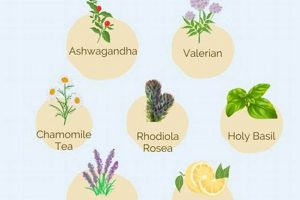
The utilization of botanicals and plant-derived substances to alleviate the discomfort associated with menstruation is a practice with deep historical roots. This approach seeks to manage symptoms like cramps, bloating, and mood swings through natural remedies, often employed as alternatives or complements to conventional pharmaceutical interventions. For example, consuming chamomile tea is a common method people use to reduce menstrual cramps.
The potential of botanical remedies to support menstrual well-being is considerable, offering accessible and often affordable options for managing cyclical discomfort. Many cultures have traditionally relied on such remedies for centuries, accumulating empirical evidence regarding their efficacy and safety. This historical usage provides a valuable foundation for contemporary research exploring the active compounds and mechanisms of action within these botanical agents. This can include reducing inflammation, acting as antispasmodics, and positively influencing hormonal balance.
The subsequent discussion will explore specific herbal options known for their potential to alleviate menstrual symptoms, alongside a careful consideration of safety profiles, potential interactions, and the current state of scientific evidence supporting their use. Furthermore, guidance will be provided on responsible sourcing and appropriate application of these natural remedies.
Guidance on Botanical Approaches to Menstrual Discomfort
The following guidelines aim to provide a framework for the responsible and informed use of botanical interventions in managing menstrual symptoms. These are not substitutes for professional medical advice.
Tip 1: Consultation with a Healthcare Professional: Prior to initiating any botanical regimen, a thorough discussion with a qualified healthcare provider is essential. This ensures the suitability of the chosen remedies, consideration of potential interactions with existing medications, and assessment of underlying medical conditions.
Tip 2: Prioritization of Evidence-Based Remedies: Focus on herbal options supported by scientific research demonstrating efficacy in alleviating specific menstrual complaints. While traditional use offers valuable insights, empirical validation strengthens confidence in the chosen approach. For instance, studies have investigated the effects of ginger on menstrual pain reduction.
Tip 3: Adherence to Recommended Dosages: Diligent adherence to recommended dosages is crucial for maximizing benefits while minimizing the risk of adverse effects. Dosage guidelines vary depending on the specific herb, formulation, and individual factors. Overconsumption does not necessarily enhance efficacy and may introduce unnecessary risks.
Tip 4: Consideration of Potential Interactions: Be aware of potential interactions between botanical remedies and prescription medications, over-the-counter drugs, and other herbal supplements. Many herbs can influence drug metabolism, potentially altering the effectiveness or safety of conventional treatments. St. John’s Wort, for example, is known to interact with numerous pharmaceuticals.
Tip 5: Monitoring for Adverse Reactions: Close monitoring for any adverse reactions is important. Discontinue use immediately and seek medical attention if any unexpected or concerning symptoms develop, such as allergic reactions, gastrointestinal distress, or changes in menstrual bleeding patterns.
Tip 6: Sourcing from Reputable Suppliers: Procurement of high-quality herbal products from reputable suppliers is paramount. Ensure that products are tested for purity, potency, and contaminants, such as heavy metals and pesticides. Third-party certification can offer assurance of product quality.
Tip 7: Integration with Holistic Lifestyle Measures: Augment botanical approaches with complementary lifestyle measures, such as regular exercise, stress management techniques, and a balanced diet rich in anti-inflammatory foods. These holistic practices can synergistically enhance the effectiveness of botanical interventions.
These recommendations underscore the necessity for a cautious and informed approach when utilizing botanical remedies. Prioritizing safety, seeking professional guidance, and integrating these approaches with a broader focus on overall well-being can optimize outcomes.
The subsequent sections will delve into specific botanical options, examining their individual characteristics, mechanisms of action, and appropriate use strategies.
1. Anti-inflammatory Properties

Inflammation plays a significant role in the pathophysiology of menstrual pain, also known as dysmenorrhea. Prostaglandins, inflammatory compounds released during menstruation, contribute to uterine contractions and associated discomfort. Thus, mitigating inflammation represents a key strategy in managing menstrual pain, and certain herbs possess inherent anti-inflammatory properties.
- Inhibition of Prostaglandin Synthesis
Several herbs demonstrate the capacity to inhibit the production of prostaglandins, thereby reducing the inflammatory cascade. Compounds within these herbs interfere with the cyclooxygenase (COX) enzymes, specifically COX-1 and COX-2, which are crucial in the synthesis of prostaglandins. For example, ginger’s active components disrupt prostaglandin production, leading to a reduction in uterine contractions and pain.
- Reduction of Inflammatory Cytokines
Herbal interventions can influence the production and release of inflammatory cytokines, such as interleukin-1 (IL-1) and tumor necrosis factor- (TNF-), which contribute to the overall inflammatory response during menstruation. Some botanicals suppress the activity of these cytokines, diminishing inflammation and associated discomfort. Turmeric, for instance, contains curcumin, a compound known for its potent anti-inflammatory effects on cytokine production.
- Antioxidant Activity and Free Radical Scavenging
Oxidative stress, arising from an imbalance between free radical production and antioxidant defenses, can exacerbate inflammation. Certain herbs contain antioxidant compounds that scavenge free radicals, mitigating oxidative damage and indirectly reducing inflammation. Green tea, rich in polyphenols, exhibits antioxidant properties that can contribute to the reduction of inflammation during the menstrual cycle.
- Modulation of the Arachidonic Acid Pathway
The arachidonic acid pathway is a critical biochemical pathway involved in the production of inflammatory mediators, including prostaglandins and leukotrienes. Certain herbs possess the ability to modulate this pathway, either by inhibiting the formation of arachidonic acid or by diverting its metabolism towards less inflammatory compounds. Evening primrose oil, containing gamma-linolenic acid (GLA), can modulate the arachidonic acid pathway, potentially reducing inflammation and associated pain.
The utilization of herbs with anti-inflammatory properties offers a targeted approach to alleviating menstrual pain by addressing the underlying inflammatory mechanisms. The modulation of prostaglandin synthesis, cytokine production, oxidative stress, and the arachidonic acid pathway represent key mechanisms by which these herbs exert their therapeutic effects, offering a potential alternative or adjunct to conventional pain management strategies.
2. Muscle Relaxant Effects

Uterine contractions are a primary cause of menstrual pain. Excessive or prolonged contractions reduce blood flow to the uterine muscles, leading to ischemia and pain. Herbs with muscle relaxant properties can alleviate menstrual discomfort by reducing the intensity and frequency of these contractions.
- Direct Smooth Muscle Relaxation
Certain herbs contain compounds that directly interact with smooth muscle cells in the uterus, promoting relaxation. These compounds may interfere with calcium channels, which are crucial for muscle contraction. By blocking or modulating calcium influx, these herbs reduce the excitability of uterine smooth muscle, leading to a decrease in contractility. For instance, valerian root contains compounds that have a direct relaxing effect on smooth muscle tissue.
- Antispasmodic Action
Spasms contribute significantly to menstrual pain. Herbs with antispasmodic properties can reduce the incidence and severity of uterine spasms. These herbs often contain volatile oils or other active constituents that exert a calming effect on the nervous system and smooth muscle. Peppermint, for example, contains menthol, which acts as an antispasmodic agent, reducing muscle spasms in the uterus.
- Influence on Neurotransmitters
Neurotransmitters, such as gamma-aminobutyric acid (GABA), play a crucial role in regulating muscle tone and nerve excitability. Some herbs influence GABA activity, promoting relaxation and reducing pain perception. Herbs that enhance GABA activity may have a calming effect on the central nervous system, indirectly reducing uterine contractions. Chamomile, containing apigenin, interacts with GABA receptors, potentially reducing anxiety and muscle tension associated with menstruation.
- Regulation of Magnesium Levels
Magnesium is essential for muscle function and relaxation. Magnesium deficiency can contribute to muscle cramps and spasms, including those experienced during menstruation. Some herbs enhance magnesium absorption or retention, promoting muscle relaxation. Dong Quai, for example, may contribute to improved magnesium levels, which supports muscle relaxation and reduces the incidence of cramps.
The muscle relaxant effects of herbal remedies offer a targeted approach to alleviating menstrual pain by directly addressing uterine contractions and spasms. By directly relaxing smooth muscle, acting as antispasmodics, influencing neurotransmitter activity, and regulating magnesium levels, these herbs offer potential alternatives or complements to conventional pain management strategies, contributing to improved comfort and well-being during menstruation.
3. Hormonal balance support

Hormonal imbalances, particularly those involving estrogen and progesterone, can significantly exacerbate menstrual symptoms, including pain. An imbalance can lead to irregularities in the uterine lining shedding, increased inflammation, and heightened pain sensitivity. Herbal interventions targeting hormonal equilibrium aim to mitigate these effects, providing a holistic approach to managing period pain. The efficacy of these approaches hinges on the specific hormonal dysregulation present and the herb’s capacity to modulate the affected hormonal pathways.
Certain herbs, such as chasteberry (Vitex agnus-castus), have demonstrated potential in influencing the production and regulation of hormones involved in the menstrual cycle. Chasteberry is believed to affect the pituitary gland, modulating the secretion of luteinizing hormone (LH) and follicle-stimulating hormone (FSH), thereby influencing progesterone and estrogen levels. This mechanism could prove beneficial in cases of luteal phase defect, a condition characterized by insufficient progesterone production during the second half of the menstrual cycle, which can contribute to increased menstrual pain. Another example is the use of Dong Quai in traditional medicine, purported to regulate estrogen levels, although scientific evidence remains limited and inconclusive. These herbs do not directly introduce hormones into the body; instead, they encourage the body’s natural hormonal regulatory mechanisms.
Achieving hormonal balance through herbal interventions is not without its complexities. Individual responses to herbal remedies can vary significantly, and careful monitoring is essential. Furthermore, the long-term effects of prolonged herbal use on hormonal function require comprehensive investigation. While some herbs may offer promising support, they should be approached with caution, and under the guidance of a healthcare professional. Ultimately, the integration of hormonal support into the management of period pain emphasizes the importance of addressing the underlying causes of menstrual discomfort, rather than solely focusing on symptomatic relief.
4. Pain Relief Potential
The capacity of herbal treatments to alleviate menstrual pain is a critical determinant of their utility. The presence or absence of analgesic properties dictates the effectiveness of these remedies in managing dysmenorrhea. Herbal treatments with demonstrated pain relief potential offer a viable option for individuals seeking alternatives to conventional pharmaceutical interventions. The mechanism of action can involve several pathways, from reducing inflammation to directly affecting pain receptors.
For instance, ginger has been shown in clinical trials to possess analgesic properties comparable to non-steroidal anti-inflammatory drugs (NSAIDs) for managing menstrual pain. Its active components inhibit prostaglandin synthesis, a key mediator of inflammation and pain. Another example is chamomile, which contains compounds that interact with GABA receptors in the brain, potentially reducing pain perception and promoting relaxation. The practical significance of understanding pain relief potential lies in enabling informed choices, allowing individuals to select herbal treatments best suited to their specific pain profile and preferences. Understanding the duration and intensity of pain relief provided by different herbal remedies can aid in their appropriate and effective utilization.
In summary, pain relief potential constitutes a fundamental aspect of herbal treatments for period pain. Evidence-based evaluation of analgesic properties is necessary to ensure that these remedies provide tangible benefits in managing menstrual discomfort. The identification of effective herbs, along with an understanding of their mechanisms of action, contributes to the broader goal of providing accessible and personalized options for menstrual pain management.
5. Traditional Usage History

The historical employment of botanicals for addressing menstrual discomfort represents a rich tapestry of empirical knowledge accumulated over centuries across diverse cultures. This traditional use provides a valuable foundation for contemporary investigations into the efficacy and safety of herbal treatments for period pain, offering insights into potential therapeutic candidates and application methods.
- Cultural Specificity and Regional Variations
The selection and application of herbal remedies for menstrual pain exhibit significant cultural and regional variations. Specific herbs are favored in certain geographical areas due to availability, cultural beliefs, and accumulated experience. For example, Traditional Chinese Medicine utilizes specific formulations of herbs believed to balance Qi and blood flow, while Ayurvedic medicine emphasizes herbs to balance the doshas. This cultural specificity highlights the importance of considering regional context when evaluating traditional practices.
- Empirical Evidence and Observational Learning
Traditional usage relies heavily on empirical evidence and observational learning passed down through generations. The effectiveness of a particular herb is often determined by its observed impact on menstrual symptoms, such as pain reduction, bloating relief, or mood stabilization. While lacking rigorous scientific validation, this accumulated experience provides valuable clues for identifying potentially effective botanical compounds. Documented accounts from herbalists and healers offer insights into the application and effectiveness of various herbal approaches.
- Integration with Holistic Healthcare Practices
Traditional herbal medicine is often integrated with broader holistic healthcare practices, including dietary modifications, lifestyle adjustments, and spiritual or emotional support. Menstrual pain is not viewed in isolation but rather as a symptom of underlying imbalances within the individual. Herbal treatments are often combined with other practices aimed at restoring overall well-being, such as acupuncture, massage therapy, or meditation. This holistic approach acknowledges the interconnectedness of physical, emotional, and spiritual health in managing menstrual symptoms.
- Limitations and the Need for Scientific Validation
While traditional usage offers valuable insights, it is essential to acknowledge its limitations. Lack of standardized dosages, potential misidentification of herbs, and absence of controlled studies pose challenges in directly translating traditional practices into contemporary clinical applications. Scientific validation through rigorous research is necessary to confirm the efficacy and safety of traditional herbal remedies. This validation process involves identifying active compounds, elucidating mechanisms of action, and conducting clinical trials to assess effectiveness and potential adverse effects.
The study of traditional usage history illuminates the potential of herbal treatments for period pain, providing a rich source of knowledge and inspiration for modern research and clinical practice. By acknowledging the cultural context, empirical basis, and limitations of traditional practices, a comprehensive and informed approach to herbal medicine can be fostered, maximizing its potential benefits while ensuring patient safety.
6. Safety profile review

The safety profile review of herbal treatments for period pain is a critical component of responsible healthcare. Given the widespread use of such remedies, a thorough understanding of potential adverse effects, interactions, and contraindications is essential to mitigate risks and ensure patient well-being. A comprehensive safety assessment involves evaluating pre-clinical and clinical data, as well as considering traditional knowledge and post-market surveillance reports.
- Assessment of Potential Adverse Effects
Herbal treatments, like any therapeutic intervention, carry the potential for adverse effects. These effects can range from mild gastrointestinal distress to more severe allergic reactions or organ damage. A safety profile review involves systematically identifying and characterizing these potential adverse effects, including their frequency, severity, and reversibility. For instance, certain herbs may cause photosensitivity, while others may interact with specific medications, leading to adverse outcomes. Clinical trials and post-market surveillance play a crucial role in detecting and characterizing these effects, enabling healthcare providers to make informed decisions about the use of herbal treatments.
- Evaluation of Drug Interactions
Herbal treatments can interact with conventional pharmaceuticals, altering their absorption, metabolism, or excretion. These interactions can result in either decreased efficacy of the pharmaceutical or increased toxicity. A safety profile review must include a thorough evaluation of potential drug interactions, considering both pharmacokinetic and pharmacodynamic mechanisms. For example, St. John’s Wort, an herbal antidepressant, is known to interact with numerous medications, including oral contraceptives and anticoagulants. Understanding these interactions is essential to avoid adverse outcomes and ensure the safe and effective use of both herbal and pharmaceutical treatments.
- Identification of Contraindications and Precautions
Certain medical conditions, medications, or individual characteristics may contraindicate the use of specific herbal treatments. A safety profile review involves identifying these contraindications and outlining necessary precautions to minimize risks. For example, pregnant or breastfeeding women may need to avoid certain herbs due to potential teratogenic or lactogenic effects. Individuals with bleeding disorders may need to exercise caution when using herbs with anticoagulant properties. Clear communication of contraindications and precautions is essential to prevent adverse events and protect vulnerable populations.
- Quality Control and Standardization
The safety and efficacy of herbal treatments are dependent on the quality and consistency of the herbal products used. A safety profile review must consider the quality control measures in place to ensure the purity, potency, and authenticity of herbal ingredients. Standardization of herbal extracts, which involves specifying the concentration of key active compounds, is crucial to ensure consistent therapeutic effects and minimize variability in product quality. Contamination with heavy metals, pesticides, or other adulterants can pose significant safety risks. Robust quality control procedures are essential to safeguard consumers and ensure the safety of herbal treatments.
The safety profile review forms the cornerstone of responsible herbal medicine practice. By comprehensively assessing potential adverse effects, drug interactions, contraindications, and quality control measures, healthcare providers can make informed decisions about the use of herbal treatments for period pain. This rigorous approach ensures that these remedies are used safely and effectively, minimizing risks and maximizing benefits for individuals seeking relief from menstrual discomfort.
7. Formulation Considerations
The formulation of herbal treatments for period pain significantly influences their efficacy, safety, and overall therapeutic potential. The method of preparation, dosage, and combination of herbs are not arbitrary; they are critical determinants of the remedy’s impact on menstrual symptoms.
- Extraction Methods and Bioavailability
The extraction method employed to obtain active compounds from herbs directly impacts their bioavailability, or the extent to which the compounds are absorbed into the bloodstream and reach their target tissues. Aqueous extracts, such as teas, may be suitable for water-soluble compounds, while alcohol-based tinctures may be more effective for extracting resinous or lipophilic constituents. The choice of extraction method should align with the solubility characteristics of the desired active compounds to maximize their bioavailability and therapeutic effect in addressing period pain.
- Dosage and Standardization
Accurate dosage is essential for achieving the desired therapeutic effect while minimizing the risk of adverse events. Herbal products can vary significantly in potency due to factors such as plant variety, growing conditions, and processing techniques. Standardization, which involves specifying the concentration of key active compounds, helps to ensure consistency and predictability in dosing. For example, a standardized ginger extract for period pain should specify the concentration of gingerols, the active compounds responsible for its anti-inflammatory and analgesic effects. Consistent dosing is critical for achieving reproducible results and mitigating potential risks.
- Combination of Herbs and Synergistic Effects
Traditional herbal medicine often involves the combination of multiple herbs to achieve synergistic effects, where the combined action of the herbs is greater than the sum of their individual effects. Specific herbal combinations may target multiple aspects of period pain, such as inflammation, muscle spasms, and hormonal imbalances. However, the rationale behind herbal combinations should be based on a clear understanding of the individual properties of each herb and their potential interactions. The combination should be carefully chosen to avoid antagonistic effects or potential toxicity. Herbal formulas for period pain often include herbs with anti-inflammatory, antispasmodic, and analgesic properties to provide comprehensive relief.
- Delivery Systems and Patient Compliance
The choice of delivery system, such as capsules, tablets, teas, or topical creams, can significantly impact patient compliance and the overall effectiveness of the herbal treatment. Factors such as ease of administration, taste, and personal preference influence adherence to the treatment regimen. The delivery system should also be appropriate for the specific herbal formulation and the desired route of administration. For example, topical creams may be suitable for localized pain relief, while capsules or tablets may be preferred for systemic effects. Improving patient compliance is crucial for maximizing the benefits of herbal treatments for period pain.
In conclusion, formulation considerations are paramount in the context of herbal treatments for period pain. The careful selection of extraction methods, dosage standardization, herbal combinations, and delivery systems is essential for optimizing therapeutic efficacy, ensuring patient safety, and improving treatment adherence. Understanding these factors enables practitioners and individuals to make informed choices and maximize the potential benefits of herbal interventions for managing menstrual discomfort.
Frequently Asked Questions
This section addresses common inquiries regarding the utilization of herbal treatments for the mitigation of menstrual pain. The information presented aims to provide clarity on prevalent concerns and misconceptions.
Question 1: Is herbal treatment for period pain a scientifically proven approach?
While some herbs have demonstrated potential benefits in clinical studies, the evidence base varies. Certain herbs, like ginger, have shown promise in alleviating menstrual pain, comparable to NSAIDs. However, many herbal remedies lack extensive scientific validation, and further research is necessary to establish their efficacy and safety definitively.
Question 2: Are there potential side effects associated with herbal treatment for period pain?
Yes, herbal treatments can carry risks of adverse effects. These effects vary depending on the specific herb and individual sensitivities. Common side effects include gastrointestinal upset, allergic reactions, and interactions with medications. Consultation with a healthcare professional is imperative before initiating any herbal regimen to assess potential risks.
Question 3: Can herbal treatment for period pain be used in conjunction with conventional medications?
The concomitant use of herbal remedies and conventional medications requires careful consideration due to potential interactions. Some herbs can alter the metabolism or efficacy of prescription drugs. Professional guidance from a physician or pharmacist is necessary to evaluate potential interactions and ensure patient safety.
Question 4: How long does it take to experience the effects of herbal treatment for period pain?
The time to onset of effects varies depending on the herb, dosage, and individual response. Some individuals may experience relief within a few hours, while others may require several weeks of consistent use to notice a significant improvement. It is important to adhere to recommended dosages and allow sufficient time for the herbal treatment to exert its effects.
Question 5: Are all herbal products for period pain regulated for quality and safety?
No, herbal products are not always subject to stringent regulation. This can result in variations in quality, potency, and purity. To minimize risks, it is crucial to source herbal products from reputable suppliers who adhere to quality control standards and provide certificates of analysis. Third-party certification can offer additional assurance of product quality.
Question 6: Is herbal treatment for period pain a suitable alternative to medical consultation?
Herbal treatments should not be considered a substitute for professional medical consultation. Persistent or severe menstrual pain may indicate underlying medical conditions that require diagnosis and treatment. A healthcare provider can conduct a thorough evaluation and recommend appropriate interventions, which may include conventional medications, lifestyle modifications, or herbal remedies, depending on the individual’s needs.
In summary, while herbal treatments may offer potential benefits for managing period pain, a comprehensive understanding of their risks, limitations, and interactions is crucial. Professional guidance and informed decision-making are essential to ensure the safe and effective use of these remedies.
The subsequent section will explore specific herbal options known for their potential to alleviate menstrual symptoms.
Conclusion
The preceding discussion has explored various facets of herbal treatment for period pain, encompassing its historical context, potential mechanisms of action, safety considerations, and formulation aspects. The available evidence indicates that certain herbal remedies may offer relief from menstrual discomfort, though the strength of evidence varies considerably among different botanicals. A critical assessment of potential benefits, risks, and interactions remains paramount.
Responsible utilization of herbal treatment for period pain necessitates a collaborative approach between individuals and qualified healthcare professionals. Further research is essential to elucidate the efficacy and safety profiles of various herbal interventions. Only through rigorous scientific investigation can the true potential of botanical remedies in managing menstrual pain be fully realized and safely integrated into contemporary healthcare practices.