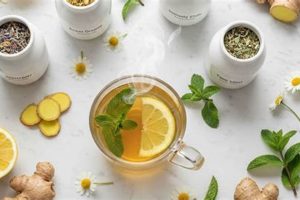
A beverage crafted by infusing mint leaves, commonly spearmint or peppermint, in hot water, represents a caffeine-free alternative to traditional teas. This infusion process extracts the volatile oils and flavor compounds from the leaves, resulting in a refreshing and aromatic drink. For example, steeping fresh peppermint leaves in boiling water for several minutes yields a beverage prized for its invigorating properties.
Its significance stems from its potential health benefits and widespread cultural use. Traditionally, it has been employed to aid digestion, soothe upset stomachs, and relieve headaches. Historically, various cultures have utilized mint infusions for medicinal purposes and as a palatable refreshment, demonstrating its enduring appeal and therapeutic applications.
The subsequent sections will explore the specific varieties of mint used, the preparation methods that optimize flavor and efficacy, and a detailed examination of the scientific evidence supporting its purported health advantages. Furthermore, potential contraindications and considerations for consumption will be addressed.
Maximizing the Benefits of Mint Herbal Infusions
The following guidelines aim to optimize the preparation and consumption of mint-based herbal infusions, ensuring a palatable experience and maximizing potential health benefits.
Tip 1: Select High-Quality Mint. Opt for fresh, organically grown mint leaves whenever possible. Dried mint should be sourced from reputable suppliers, ensuring proper storage and minimal degradation of volatile oils.
Tip 2: Employ Proper Infusion Techniques. Utilize water heated to just below boiling (around 200F or 93C). Overly hot water can scorch the leaves, resulting in a bitter flavor profile. Infuse for 5-7 minutes, adjusting to desired strength.
Tip 3: Cover During Steeping. Covering the steeping vessel prevents the escape of volatile oils, preserving the aroma and beneficial compounds. A lid or inverted saucer serves this purpose effectively.
Tip 4: Strain Thoroughly. Remove the leaves after steeping to prevent over-extraction and bitterness. Fine-mesh strainers or tea infusers facilitate complete removal.
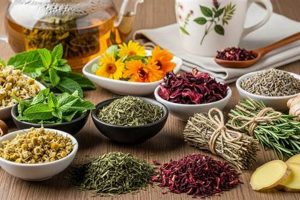
Tip 5: Consider Blending. Enhance the flavor profile by blending with other herbs such as lemon balm, chamomile, or ginger. These additions can also complement the purported benefits.
Tip 6: Moderate Consumption. While generally safe, excessive intake may lead to gastrointestinal discomfort in some individuals. Moderate consumption to 2-3 cups daily is generally recommended.
Tip 7: Be Mindful of Interactions. Mint can interact with certain medications. Consult with a healthcare professional if taking prescription drugs, particularly those related to blood pressure or diabetes, prior to regular consumption.
Adhering to these tips enhances the enjoyment and potential benefits derived from mint herbal infusions. Careful attention to sourcing, preparation, and consumption practices ensures an optimal experience.
The following section will provide a detailed exploration of potential health considerations and contraindications associated with mint consumption.
1. Variety (Spearmint, Peppermint)

The selection of mint variety, specifically spearmint or peppermint, significantly influences the characteristics of mint herbal tea. This choice dictates the flavor profile, aroma, and, to some extent, the perceived therapeutic benefits of the final beverage.
- Menthol Content
Peppermint exhibits a substantially higher menthol concentration compared to spearmint. This elevated menthol level imparts a distinctly cooling sensation and a more intense, pungent aroma. Conversely, spearmint offers a milder, sweeter, and less pronounced menthol flavor.
- Flavor Profile Differences
The flavor profiles diverge considerably. Peppermint presents a sharp, invigorating, and almost medicinal taste, while spearmint offers a gentler, more palatable, and subtly sweet flavor. This distinction makes spearmint a preferable choice for individuals sensitive to strong or bitter flavors.
- Traditional Uses
Historically, both varieties have been employed for medicinal purposes, but their specific applications differ. Peppermint is frequently used to alleviate digestive discomfort and tension headaches due to its higher menthol content. Spearmint, with its milder properties, is often favored for easing nausea and promoting relaxation.
- Aromatic Compounds
Beyond menthol, spearmint and peppermint contain distinct aromatic compounds that contribute to their unique scents and flavors. These compounds, including carvone in spearmint and menthone in peppermint, further differentiate their sensory experiences.
In summary, the decision to use spearmint or peppermint in crafting mint herbal tea is a deliberate choice that impacts the sensory and potential therapeutic qualities of the drink. The menthol concentration, flavor profile, and traditional uses of each variety contribute to a unique beverage experience. Understanding these differences allows for a tailored approach to preparation, catering to individual preferences and desired outcomes.
2. Infusion Temperature

Infusion temperature significantly impacts the extraction of flavor compounds and volatile oils from mint leaves during the preparation of herbal tea. The temperature of the water directly influences the solubility and release of these compounds, thereby determining the overall quality, aroma, and potential benefits of the beverage. Insufficiently heated water fails to adequately extract these essential oils, resulting in a weak and flavorless infusion. Conversely, excessively hot water can degrade delicate flavor compounds, leading to a bitter and less palatable outcome. For example, using boiling water (212F/100C) on peppermint leaves may release unwanted tannins, imparting a harsh, astringent taste that masks the mint’s natural sweetness.
The ideal infusion temperature for extracting optimal flavor from mint leaves typically falls within the range of 190-200F (88-93C). This temperature range allows for efficient extraction of the desired volatile oils without causing degradation. Practical application involves using a thermometer to monitor the water temperature or allowing boiling water to cool slightly before pouring it over the mint leaves. Precise temperature control ensures a balanced flavor profile, highlighting the refreshing and aromatic qualities of the mint. Furthermore, the health-promoting properties of certain compounds present in mint leaves, such as antioxidants, are best preserved within this temperature range.
In conclusion, infusion temperature represents a critical variable in crafting a high-quality mint herbal tea. Adhering to the recommended temperature range optimizes flavor extraction, preserves delicate aromatic compounds, and avoids undesirable bitterness. This understanding highlights the importance of precision in preparation, leading to a more enjoyable and potentially beneficial beverage. Overcoming the challenge of estimating water temperature through careful measurement ensures consistent and desirable results. This aspect of the preparation process underscores the broader theme of maximizing the potential of natural ingredients through informed and controlled techniques.
3. Steeping Duration

Steeping duration directly influences the flavor profile and chemical composition of mint herbal tea. The length of time mint leaves are immersed in hot water determines the extent to which volatile oils and other soluble compounds are extracted. Shorter steeping times, typically one to three minutes, result in a lighter-bodied tea with a more subtle mint flavor. Insufficient steeping fails to fully draw out the characteristic aroma and beneficial compounds from the leaves. Conversely, prolonged steeping durations, exceeding seven to ten minutes, can lead to a more intense flavor but also increase the extraction of bitter compounds, potentially detracting from the overall palatability. A practical example involves comparing the flavor of a peppermint infusion steeped for two minutes versus one steeped for eight minutes; the latter will likely exhibit a noticeable bitterness alongside the mint flavor.
The optimal steeping time for mint herbal tea varies depending on individual preferences and the specific type of mint used. Factors such as the freshness and quality of the mint leaves also play a role. Experimentation with steeping times allows individuals to tailor the beverage to their desired taste and strength. Shorter durations may be preferred for a refreshing afternoon drink, while longer durations could be chosen for a more potent digestive aid. Monitoring the color and aroma of the tea during steeping provides valuable feedback, signaling when the desired level of extraction has been achieved. For instance, a gradual darkening of the liquid and intensification of the mint aroma typically indicate sufficient steeping.
In summary, steeping duration represents a crucial variable in the preparation of mint herbal tea. Understanding the relationship between steeping time and the resulting flavor profile allows for precise control over the final product. Balancing the extraction of desirable compounds with the avoidance of bitterness is key to achieving a palatable and beneficial beverage. Mastering this aspect of preparation contributes significantly to a consistently satisfying and enjoyable experience. Failure to consider steeping time can lead to disappointment with an underwhelming or unpleasantly bitter tea.
4. Potential Interactions

The consumption of mint herbal tea, while generally considered safe, presents potential interactions with certain medications and pre-existing health conditions. These interactions arise from the bioactive compounds present in mint, such as menthol and other volatile oils, which can influence drug metabolism, absorption, and efficacy. Understanding these potential interactions is crucial for ensuring safe and responsible consumption, particularly for individuals with underlying health concerns or those taking prescription medications. Failure to recognize potential interactions could lead to adverse effects or diminished therapeutic outcomes. For instance, the consumption of peppermint tea alongside certain calcium channel blockers, used to manage blood pressure, may potentiate the hypotensive effects of the medication, leading to excessively low blood pressure.
Furthermore, individuals with gastroesophageal reflux disease (GERD) should exercise caution when consuming peppermint-containing herbal teas. Peppermint can relax the lower esophageal sphincter, potentially exacerbating reflux symptoms by allowing stomach acid to flow back into the esophagus. In this context, spearmint tea, with its lower menthol content, may represent a more suitable alternative. Additionally, mint can affect the absorption of iron. Individuals taking iron supplements should consume mint herbal tea at a different time of day to avoid hindering iron absorption. The U.S. National Institutes of Health (NIH) advises consulting healthcare professionals when combining herbal remedies with prescription drugs, acknowledging the intricate interactions that may arise.
In summary, the potential for interactions between mint herbal tea and medications or pre-existing conditions necessitates careful consideration. While often perceived as a harmless beverage, awareness of these interactions allows for informed decision-making and safe consumption practices. Consulting with a healthcare professional or pharmacist prior to incorporating mint herbal tea into a regular regimen, especially for individuals on medication or with underlying health issues, is advisable. This precautionary approach mitigates the risk of adverse events and ensures the continued well-being of the individual. Addressing these challenges proactively underscores the importance of informed self-care and responsible use of herbal remedies.
5. Digestive Benefits
Mint herbal tea possesses digestive benefits attributed to compounds that exert antispasmodic and carminative effects. These properties contribute to the relaxation of gastrointestinal muscles and the reduction of gas, thereby alleviating symptoms of indigestion, bloating, and flatulence. For example, postprandial consumption may ease discomfort following a heavy meal. The importance of these digestive benefits lies in their capacity to improve overall gastrointestinal function and enhance comfort, rendering mint herbal tea a traditional remedy for mild digestive ailments. This underscores its practical significance as a natural aid for maintaining digestive well-being.
Furthermore, clinical studies suggest that peppermint oil, a concentrated form of the active compounds found in peppermint leaves, can be effective in managing symptoms of irritable bowel syndrome (IBS). While mint herbal tea contains a lower concentration of these compounds, regular consumption may still provide some relief from IBS-related discomfort. For example, individuals experiencing mild abdominal cramping associated with IBS may find that drinking peppermint tea helps to soothe the digestive tract. The application of this knowledge extends to dietary recommendations, where mint herbal tea can be included as part of a broader approach to managing digestive disorders. The practical implications involve incorporating the tea into daily routines and monitoring its effects on digestive symptoms, noting any improvements or adverse reactions.
In summary, the digestive benefits associated with mint herbal tea stem from its antispasmodic and carminative properties, offering a natural approach to alleviating common digestive complaints. The challenge lies in determining individual tolerance and responsiveness, as effects can vary. These digestive benefits support the broader theme of utilizing natural remedies for promoting well-being and improving quality of life through simple dietary choices. Consistent integration of this practice can result in significant improvements in individual satisfaction in general.
Frequently Asked Questions About Mint Herbal Tea
This section addresses common inquiries and misconceptions regarding the preparation, consumption, and potential effects of mint herbal tea, providing evidence-based information for informed decision-making.
Question 1: Does all mint herbal tea contain caffeine?
No, genuine mint herbal tea, crafted solely from mint leaves (such as spearmint or peppermint), is inherently caffeine-free. Caffeine is naturally present in tea derived from the Camellia sinensis plant (e.g., black tea, green tea, oolong tea). Blends that combine mint with true teas will contain caffeine, proportionate to the amount of true tea included.
Question 2: Can mint herbal tea interfere with sleep?
Due to its lack of caffeine, mint herbal tea is unlikely to disrupt sleep patterns. In fact, some individuals find its calming properties conducive to relaxation and sleep. However, individual responses vary, and excessive fluid intake before bedtime may lead to nocturnal awakenings.
Question 3: Is mint herbal tea safe for pregnant women?
Pregnant women should exercise caution when consuming any herbal remedy, including mint herbal tea. While generally considered safe in moderation, the potential effects on hormone levels and uterine contractions remain a subject of ongoing research. Consulting a healthcare provider before regular consumption is advisable.
Question 4: Can mint herbal tea alleviate heartburn?
The impact on heartburn varies individually. While some experience relief due to mint’s antispasmodic properties, others may find that it exacerbates symptoms by relaxing the lower esophageal sphincter, leading to acid reflux. Monitoring individual responses is crucial for determining its suitability.
Question 5: How should mint herbal tea be stored to maintain freshness?
Dried mint leaves should be stored in an airtight container, away from direct sunlight, heat, and moisture. Proper storage preserves the volatile oils responsible for the characteristic flavor and aroma. Fresh mint leaves are best stored in the refrigerator, wrapped in a damp paper towel.
Question 6: Can mint herbal tea be consumed daily?
Moderate daily consumption of mint herbal tea is generally considered safe for most individuals. However, excessive intake may lead to gastrointestinal discomfort or interact with certain medications. Paying attention to individual tolerance and consulting a healthcare professional when necessary is recommended.
In essence, while generally safe and beneficial, it is important to consider individual circumstances and consult with healthcare professionals, especially when pre-existing conditions or medications are involved.
The following section will delve into a comparative analysis of various brands and preparations of mint herbal tea, evaluating factors such as quality, flavor, and sourcing practices.
Conclusion
This exploration has examined the multifaceted aspects of mint herbal tea, encompassing its preparation, potential health effects, and associated considerations. The analysis extended to varietal differences, optimal infusion techniques, potential interactions with medications, and documented digestive benefits. Individualized factors, such as pre-existing health conditions and personal preferences, significantly influence the suitability and effects of consuming this beverage.
The informed and responsible consumption of mint herbal tea necessitates a comprehensive understanding of its properties and potential impacts. Further research is warranted to elucidate the long-term effects and to quantify the benefits suggested by traditional use and preliminary studies. Individuals are encouraged to engage in informed self-care practices and to consult with healthcare professionals when integrating herbal remedies into their wellness routines.