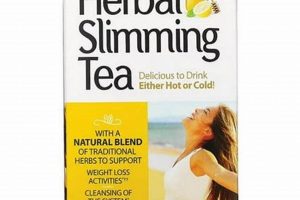
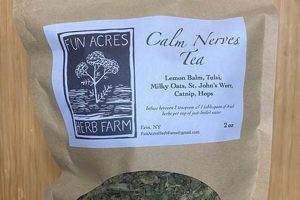
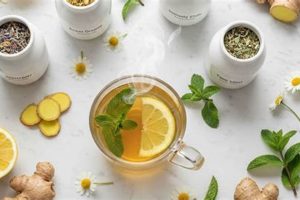
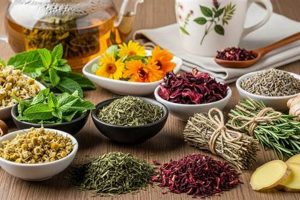
Combinations of various dried herbs, flowers, and spices steeped in hot water create beverages that offer a spectrum of flavors and potential wellness properties. These infusions are distinct from traditional teas derived from the Camellia sinensis plant, as they utilize a diverse range of botanicals. A common example includes a chamomile and lavender blend intended to promote relaxation.
The consumption of these botanical infusions has a long-standing history in numerous cultures, often employed for their perceived therapeutic benefits. Many blends are formulated with ingredients known to possess antioxidant, anti-inflammatory, or calming effects. Historically, they have been used to support digestion, improve sleep quality, and alleviate mild symptoms associated with common ailments. Their role extends beyond mere refreshment, serving as a potential component of holistic wellness practices.
The following sections will delve into the specific categories of commonly used herbs, discuss potential considerations for consumption, and explore the scientific understanding of their documented effects.
Considerations for Optimizing Botanical Infusion Consumption
The responsible and informed utilization of herbal infusions can maximize potential benefits and minimize adverse effects. The following points outline key considerations for incorporating these beverages into a wellness regimen.
Tip 1: Prioritize Ingredient Sourcing. Opt for reputable suppliers who provide detailed information regarding the origin and quality of the herbs used in their blends. Organic certification can minimize exposure to pesticides and herbicides.
Tip 2: Understand Potential Interactions. Certain herbs can interact with prescription medications. Consult with a healthcare professional or qualified herbalist before consuming new infusions, particularly if taking prescription drugs.
Tip 3: Be Aware of Allergic Sensitivities. Individuals with known allergies to plants in the Asteraceae (e.g., chamomile, echinacea) or Lamiaceae (e.g., mint, lavender) families should exercise caution and initially consume small quantities to assess tolerance.
Tip 4: Moderate Consumption Frequency. While generally considered safe, excessive consumption of any single herb or blend may lead to undesirable effects. Varying herbal infusions can prevent overexposure to specific compounds.
Tip 5: Research Individual Herb Properties. Familiarize oneself with the documented effects and potential contraindications of each herb within a blend. Reputable sources such as scientific journals and evidence-based herbal databases provide reliable information.
Tip 6: Consider Preparation Methods. Proper steeping time and water temperature can influence the extraction of beneficial compounds. Adhering to recommended brewing instructions optimizes the potency of the infusion.
Tip 7: Monitor Individual Responses. Pay attention to any changes in well-being following consumption. Discontinue use if adverse effects are observed and seek professional advice.
Diligent attention to sourcing, potential interactions, and individual sensitivities enables a more informed and responsible approach to botanical infusion consumption. A balanced perspective, integrating traditional knowledge with scientific understanding, ensures a safe and potentially beneficial experience.
The subsequent section will provide an overview of the scientific research supporting the purported benefits associated with various herbal infusions.
1. Ingredient Synergy
The efficacy of herbal tea blends often hinges on the concept of ingredient synergy, where the combined effects of multiple herbs surpass the sum of their individual contributions. This phenomenon arises from the complex interplay of phytochemicals, potentially enhancing absorption, modulating metabolic pathways, or providing complementary therapeutic actions. An illustrative example is a blend of ginger, chamomile, and peppermint for digestive support; ginger’s anti-inflammatory properties may synergize with chamomile’s calming effect and peppermint’s antispasmodic action to alleviate gastrointestinal discomfort more effectively than any single herb in isolation.
Understanding ingredient synergy is paramount in formulating efficacious herbal tea blends. Formulators carefully select herbs with complementary properties, considering their known pharmacological actions and potential interactions. The rational design of synergistic blends necessitates a robust understanding of phytochemistry and pharmacology, moving beyond simplistic combinations based solely on tradition. For instance, a blend targeting sleep improvement might combine valerian root, known for its sedative effects, with lemon balm, which may reduce anxiety, and passionflower, potentially enhancing GABAergic activity. The synergistic interaction of these herbs could promote more restful sleep than any single herb alone.
In summary, ingredient synergy represents a critical determinant of the therapeutic potential of herbal tea blends. Thoughtful selection and combination of herbs, grounded in an understanding of their synergistic interactions, can result in more potent and effective remedies. While further research is warranted to fully elucidate the mechanisms underlying these synergistic effects, the principle of ingredient synergy offers a powerful framework for optimizing the formulation and application of herbal tea blends for health and wellness.
2. Targeted Effects

The formulation of botanical infusions often aims to produce specific, predictable physiological responses, aligning the selection of herbs with the desired health outcome. This objective-driven approach underscores the importance of understanding the distinct properties of individual herbs and their potential application in addressing specific wellness needs.
- Digestive Support
Specific herbal blends are designed to alleviate common digestive complaints such as bloating, indigestion, and mild gastrointestinal discomfort. Ingredients such as peppermint, ginger, and chamomile are frequently incorporated due to their carminative, anti-inflammatory, and antispasmodic properties, respectively. The combination of these herbs in a single infusion can provide a multi-faceted approach to supporting healthy digestion.
- Stress and Anxiety Reduction
Certain botanical infusions are formulated to promote relaxation and reduce symptoms of stress and anxiety. Lavender, chamomile, and lemon balm are commonly utilized for their calming effects on the nervous system. These herbs contain compounds that may interact with neurotransmitter systems, potentially promoting a sense of tranquility and improving sleep quality.
- Immune System Modulation
Blends aimed at supporting immune function often include herbs with known immunostimulatory or antiviral properties. Echinacea, elderberry, and ginger are frequently incorporated due to their potential to enhance immune cell activity and combat viral infections. These infusions are typically consumed during periods of increased immune challenge, such as during cold and flu season.
- Sleep Enhancement
Botanical infusions designed to improve sleep quality typically include herbs with sedative or calming properties. Valerian root, chamomile, and passionflower are frequently employed due to their ability to promote relaxation and reduce sleep latency. These infusions are often consumed before bedtime to facilitate a more restful sleep experience.
The deliberate selection of herbs to achieve specific targeted effects highlights the potential of botanical infusions as a tool for supporting various aspects of health and wellness. By understanding the unique properties of individual herbs and their synergistic interactions, formulators can create blends that address specific needs and contribute to overall well-being.
3. Preparation Methods

The effectiveness of herbal tea blends in delivering their purported health benefits is inextricably linked to preparation methodologies. Proper preparation maximizes the extraction of bioactive compounds and ensures the optimal potency and bioavailability of the herbal constituents.
- Water Temperature
Water temperature significantly influences the extraction of various phytochemicals. Delicate herbs, such as chamomile and lavender, require lower temperatures (around 170-180F or 77-82C) to prevent damage to volatile oils and maintain their therapeutic properties. Heartier herbs, such as roots and barks, may benefit from higher temperatures (around 200-212F or 93-100C) to facilitate the release of their constituents. Incorrect water temperature can lead to suboptimal extraction or even degradation of beneficial compounds, thereby diminishing the potential health benefits.
- Steeping Time
The duration of steeping directly impacts the concentration of extracted compounds. Insufficient steeping may result in a weak infusion with limited therapeutic value, whereas excessive steeping can lead to the release of bitter tannins or other undesirable constituents. General recommendations typically range from 5 to 15 minutes, depending on the specific herbs used and the desired strength of the infusion. Adherence to recommended steeping times optimizes the extraction process and ensures a balanced flavor profile.
- Herb-to-Water Ratio
The ratio of herbs to water determines the concentration of the final infusion. Insufficient herb quantity will result in a diluted beverage with limited therapeutic effects, while excessive herb quantity can lead to an overly concentrated and potentially unpalatable brew. A standard ratio of 1-2 teaspoons of dried herbs per 8 ounces (240 ml) of water is generally recommended, but adjustments may be necessary based on the specific blend and individual preferences.
- Vessel Material
The material of the steeping vessel can influence the flavor and quality of the infusion. Inert materials, such as glass or ceramic, are preferred as they do not interact with the herbal constituents. Avoid using reactive materials, such as aluminum or certain plastics, which may leach chemicals into the infusion or alter the flavor profile.
In conclusion, meticulous attention to preparation methods is paramount in maximizing the potential health benefits of botanical infusions. By optimizing water temperature, steeping time, herb-to-water ratio, and vessel material, consumers can ensure the optimal extraction and preservation of bioactive compounds, thereby enhancing the therapeutic value of these herbal beverages.
4. Quality Sourcing

The relationship between ingredient origin and the potential health benefits of botanical infusions is direct and significant. The source of herbs profoundly influences their chemical composition, presence of contaminants, and overall therapeutic efficacy. Neglecting this aspect undermines the intent of using botanical infusions for wellness purposes, potentially rendering them ineffective or even harmful. For example, herbs cultivated in polluted environments may accumulate heavy metals or pesticides, negating any inherent benefits. Similarly, herbs harvested at improper times or improperly dried may exhibit diminished concentrations of active compounds.
The ramifications of inferior sourcing practices extend to adulteration and misidentification. Instances of substituting authentic herbs with cheaper, less potent alternatives are not uncommon. This deception not only deprives consumers of the intended therapeutic benefit but also raises safety concerns if the substitute herbs possess allergenic or toxic properties. Authentic chamomile, for instance, could be replaced with look-alike species lacking the same calming effects or, worse, containing compounds that trigger adverse reactions. Reputable suppliers prioritize transparency in their sourcing practices, providing detailed information about the origin, cultivation methods, and processing techniques employed for their herbs.
In summary, the integrity of botanical infusions as a source of potential health benefits depends critically on prioritizing the origin and quality of the constituent herbs. Responsible sourcing mitigates the risks of contamination, adulteration, and diminished potency. This focus ensures that consumers receive products that are both safe and effective, aligning with the intended purpose of using herbal tea blends to support overall well-being. The selection of vendors committed to transparent and sustainable sourcing practices represents a fundamental step in harnessing the true potential of these botanical beverages.
5. Safe consumption

The integration of botanical infusions into a wellness regimen necessitates a thorough understanding of safe consumption practices. Erroneous assumptions regarding the inherent safety of natural products can have deleterious consequences, particularly when pre-existing medical conditions or pharmacological interventions are present. The intersection of safe consumption and these blends for health demands an informed approach, encompassing due diligence and a critical awareness of potential adverse effects. For instance, an individual taking anticoagulant medication who regularly consumes infusions containing high concentrations of coumarin-containing herbs, such as sweet clover, could experience an elevated risk of bleeding complications. This exemplifies the importance of considering potential herb-drug interactions.
The potential for adverse reactions is further influenced by factors such as individual sensitivities, allergies, and the presence of contaminants. Certain individuals may exhibit allergic responses to specific herbs, manifesting as skin rashes, respiratory distress, or anaphylaxis. To mitigate this risk, individuals should initiate consumption with small quantities to assess tolerance. Furthermore, the quality of the herbal source significantly affects safety. Poorly sourced herbs may be contaminated with pesticides, heavy metals, or pathogenic microorganisms. Selection of reputable suppliers committed to rigorous quality control measures minimizes these risks. A real-world example involves instances where herbal products sourced from unregulated markets were found to contain undeclared pharmaceuticals, posing a serious health hazard to consumers.
In conclusion, the responsible incorporation of botanical infusions into a health-conscious lifestyle hinges on the implementation of safe consumption practices. Awareness of potential herb-drug interactions, individual sensitivities, and the importance of sourcing high-quality ingredients is paramount. This understanding ensures that these beverages contribute to overall well-being without compromising safety. Challenges remain in educating consumers about the nuances of herbal safety and promoting responsible self-care practices. Continued research and collaboration between healthcare professionals and herbal practitioners are essential to refining safety guidelines and maximizing the benefits of herbal infusions.
Frequently Asked Questions
This section addresses prevalent inquiries and misconceptions surrounding the use of botanical infusions for potential health benefits. It is intended to provide clarity and evidence-based information to inform responsible consumption.
Question 1: Are all botanical infusions inherently safe?
While generally regarded as safe for most individuals, botanical infusions are not entirely without risk. Certain herbs can interact with medications, exacerbate existing medical conditions, or trigger allergic reactions. Individual sensitivities and the quality of the herbal source play crucial roles in determining safety.
Question 2: How can the effectiveness of a botanical infusion be maximized?
Optimizing preparation methods, including water temperature, steeping time, and herb-to-water ratio, is essential. Selecting high-quality ingredients from reputable suppliers minimizes the risk of contamination and ensures optimal potency. Adherence to recommended guidelines enhances the likelihood of experiencing the intended therapeutic effects.
Question 3: Can botanical infusions replace conventional medical treatments?
Botanical infusions should not be considered substitutes for conventional medical care. They may complement traditional treatments but should not be used as a primary therapy for serious health conditions. Consultation with a qualified healthcare professional is imperative for appropriate diagnosis and treatment.
Question 4: What are the potential risks associated with combining multiple herbs in a single blend?
Combining multiple herbs can lead to synergistic or antagonistic interactions. While synergistic interactions may enhance therapeutic effects, antagonistic interactions can diminish efficacy or increase the risk of adverse reactions. Careful consideration of potential interactions is necessary when formulating or selecting herbal blends.
Question 5: How does the origin of herbs affect the quality and safety of botanical infusions?
The geographical origin, cultivation practices, and processing methods significantly impact the quality and safety of herbs. Herbs grown in contaminated environments may accumulate heavy metals or pesticides. Selecting suppliers with transparent sourcing practices minimizes the risk of exposure to contaminants and ensures the authenticity of the herbs.
Question 6: Are there specific populations that should exercise caution when consuming botanical infusions?
Pregnant and breastfeeding women, individuals with pre-existing medical conditions (particularly liver or kidney disorders), and those taking prescription medications should exercise caution and consult with a healthcare professional before consuming botanical infusions. Certain herbs may be contraindicated in these populations.
The information provided in this FAQ section is intended for educational purposes and should not be construed as medical advice. Responsible consumption of botanical infusions requires a comprehensive understanding of potential risks and benefits, coupled with informed decision-making.
The following section will summarize the key considerations discussed throughout this article.
Conclusion
The preceding exploration of herbal tea blends for health has underscored the multifaceted nature of these botanical infusions. Key points include the importance of ingredient synergy, targeted formulation for specific health needs, meticulous preparation methods, quality sourcing practices, and adherence to safe consumption guidelines. The responsible use of herbal tea blends for health requires an informed and discerning approach.
The integration of herbal tea blends for health should be approached with both optimism and caution. While offering potential benefits, they are not panaceas and should not replace conventional medical treatments. As research continues to elucidate the complex interactions between herbs and the human body, a balanced perspective, incorporating traditional knowledge and scientific evidence, is crucial for maximizing the potential of herbal tea blends for health in promoting overall well-being.