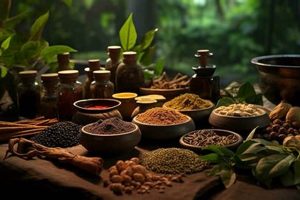
The utilization of botanical remedies to address a fluid-filled lump that typically develops near joints or tendons is a practice with varying degrees of support. Such approaches aim to reduce inflammation, alleviate discomfort, or potentially diminish the size of the swelling. For instance, topical applications involving natural anti-inflammatory agents are sometimes explored.
The appeal of these methods lies in their perceived natural origin and potentially fewer side effects compared to conventional medical interventions. Throughout history, different cultures have employed various plants and preparations for their supposed healing properties. However, it is crucial to acknowledge that scientific validation for the effectiveness of these approaches in resolving the specific condition is often limited, and results can be highly variable.
The subsequent discussion will delve into specific botanical agents that have been proposed for managing this common ailment, examine the evidence supporting their use, and emphasize the necessity of consulting with qualified healthcare professionals prior to initiating any complementary or alternative therapies. A balanced perspective considering both potential benefits and risks is paramount.
Considerations for Botanical Interventions
The following points offer guidance when contemplating the application of plant-derived solutions for addressing a synovial cyst. Thorough research and consultation with medical professionals are strongly advised.
Tip 1: Identify Anti-Inflammatory Agents: Research plants known for their inherent capacity to modulate inflammatory responses. Examples include turmeric (Curcuma longa) and ginger (Zingiber officinale), though their efficacy in directly shrinking a cyst lacks robust scientific support.
Tip 2: Prioritize Topical Applications: Opt for external applications of herbal preparations. This approach minimizes systemic absorption and potential interactions with other medications. Compresses or poultices are common methods.
Tip 3: Ensure Proper Preparation: Adhere to established protocols for preparing botanical remedies. Improper extraction or dilution can compromise potency or introduce contaminants. Source preparations from reputable suppliers.
Tip 4: Monitor for Allergic Reactions: Conduct a patch test prior to widespread application to assess sensitivity. Discontinue use immediately if any adverse reactions, such as redness, itching, or swelling, develop.
Tip 5: Maintain Realistic Expectations: Recognize that botanical approaches may provide symptomatic relief but are unlikely to eliminate the cyst entirely. Improvement might be gradual and vary significantly between individuals.
Tip 6: Integrate with Conventional Therapies: View these interventions as complementary rather than replacements for established medical treatments. Maintain open communication with healthcare providers regarding all approaches being utilized.
Tip 7: Document Progress: Maintain a detailed record of symptoms, treatments used, and any observed changes. This information can assist in evaluating the effectiveness of the botanical approach and inform subsequent treatment decisions.
In summary, judicious and informed application of plant-based solutions may contribute to managing discomfort associated with the condition, but should not supersede conventional medical care. Safety and realistic expectations are paramount.
The subsequent sections will address the importance of proper diagnosis and explore alternative medical interventions for this specific condition.
1. Anti-inflammatory Properties

The rationale behind utilizing botanical remedies for ganglion cysts frequently centers on the premise that these cysts are, at least in part, influenced by localized inflammation. Thus, plant-derived compounds possessing anti-inflammatory properties are theorized to potentially alleviate symptoms associated with the condition. This approach assumes that reducing inflammation around the cyst may decrease associated pain and potentially impact the size or pressure exerted on surrounding tissues. For example, compounds such as curcumin, found in turmeric, and gingerol, present in ginger, have demonstrated anti-inflammatory effects in various in vitro and in vivo studies. Consequently, topical preparations containing these ingredients are sometimes explored in attempts to manage cyst-related discomfort.
However, it is crucial to acknowledge the complex pathophysiology of ganglion cysts. While inflammation may contribute to symptoms, the underlying cause typically involves a herniation of synovial fluid from a joint or tendon sheath. Therefore, while botanical agents with anti-inflammatory properties might offer symptomatic relief, they are unlikely to address the root cause of the cyst formation. Moreover, the extent to which these compounds can penetrate the skin and effectively reach the targeted tissues surrounding the cyst remains a significant consideration. The concentration of active compounds in herbal preparations can also vary widely, impacting their therapeutic potential.
In summary, the potential of botanical interventions with anti-inflammatory properties for managing ganglion cysts should be approached with cautious optimism. While symptomatic relief may be achievable in some cases, a comprehensive understanding of the cyst’s etiology and the limitations of topical herbal applications is paramount. The reliance solely on anti-inflammatory botanicals is unlikely to provide a definitive solution, and consultation with qualified healthcare professionals regarding appropriate medical interventions remains essential.
2. Topical Application

The strategy of topical application represents a cornerstone in the context of botanical remedies aimed at managing ganglion cysts. This method involves directly applying herbal preparations to the skin overlying the cyst. The rationale hinges on the premise that active compounds within the herbs can be absorbed through the skin, reaching the underlying tissues and potentially exerting therapeutic effects. A practical illustration involves the use of compresses soaked in herbal infusions, such as chamomile or calendula, applied directly to the affected area. The objective is to deliver anti-inflammatory or analgesic agents to the site of the cyst, potentially reducing discomfort or swelling. The purported benefit lies in minimizing systemic absorption, thereby reducing the risk of adverse effects associated with oral administration.
However, the efficacy of topical application is subject to several limitations. The skin’s inherent barrier function restricts the penetration of many substances, including herbal constituents. The molecular size and lipophilicity of the active compounds influence their ability to traverse the epidermal and dermal layers. Furthermore, the concentration of these compounds in commercially available preparations can vary significantly, affecting the therapeutic potential. While anecdotal evidence may suggest symptomatic relief in some cases, rigorous scientific evidence supporting the effectiveness of topical herbal applications in definitively resolving ganglion cysts remains scarce. Independent laboratories that adhere to scientific method are necessary to validate such studies.
In conclusion, while topical application offers a targeted approach for delivering botanical agents to the site of a ganglion cyst, its effectiveness is contingent on several factors, including skin permeability, compound characteristics, and formulation quality. Although it may provide symptomatic relief for some individuals, it should not be considered a definitive treatment and should be approached in conjunction with professional medical advice. The limitations of topical application underscore the necessity for a balanced perspective and the exploration of alternative or adjunctive treatment modalities.
3. Herbal Source
The origin and quality of plant-derived materials constitute a critical determinant in the potential effectiveness and safety of botanical interventions aimed at managing ganglion cysts. The specific plant species, its geographical location, cultivation practices, and harvesting methods all influence the concentration and composition of active constituents within the herb. For instance, organically grown herbs are less likely to contain pesticide residues, mitigating a potential source of adverse reactions. Similarly, the timing of harvest can significantly impact the levels of therapeutically relevant compounds, such as anti-inflammatory agents or analgesics. The origin traceability matters when the treatment is herbal treatment for ganglion cyst.
The preparation methods employed after harvesting also play a crucial role. Improper drying, storage, or extraction techniques can degrade active compounds, rendering the resulting product less potent or even harmful. Adulteration with other plant species or synthetic substances is a further concern, potentially leading to unexpected side effects or interactions. Consequently, reliance on reputable suppliers who adhere to stringent quality control measures and provide detailed information regarding the source and processing of their herbal products is paramount. For example, certifications such as Good Manufacturing Practices (GMP) offer a degree of assurance regarding product quality and consistency. A well controlled herbal source allows a reliable herbal treatment for ganglion cyst.
In summary, the herbal source represents an integral component of any botanical approach to managing ganglion cysts. The origin, cultivation, harvesting, and processing methods collectively influence the safety and efficacy of the final product. While botanical remedies may offer potential benefits for some individuals, the importance of selecting high-quality, well-characterized herbal sources cannot be overstated. Prioritizing transparency and quality control when sourcing herbal products contributes significantly to minimizing risks and maximizing the potential for therapeutic benefit.
4. Potential Allergens

The inherent risk of allergic reactions associated with botanical substances necessitates careful consideration when evaluating herbal treatments for ganglion cysts. Allergic responses can range from mild skin irritation to severe systemic reactions, potentially negating any therapeutic benefits and posing significant health risks. Identifying and avoiding potential allergens is therefore paramount.
- Cross-Reactivity
Individuals with known allergies to certain plants or pollen may exhibit cross-reactivity to related botanical species. For instance, those allergic to ragweed might also react to chamomile or echinacea. The implication for individuals seeking herbal remedies is the necessity of researching potential cross-reactivities before initiating treatment. A prior history of allergic reactions should prompt caution and thorough investigation of the herbal composition.
- Topical Sensitization
Repeated topical application of herbal preparations can lead to sensitization, whereby the immune system becomes increasingly reactive to a specific substance over time. Even initially tolerated herbs may trigger allergic contact dermatitis upon subsequent exposure. Regular monitoring for signs of skin irritation, such as redness, itching, or swelling, is essential during prolonged use. Patch testing prior to widespread application is advisable to assess individual sensitivity.
- Contaminants and Adulterants
Herbal products may contain contaminants or adulterants that trigger allergic reactions. Pollen from unrelated plants, mold spores, or even synthetic additives can inadvertently be present in herbal preparations. Selecting products from reputable suppliers who adhere to strict quality control measures minimizes the risk of exposure to unintended allergens. Comprehensive labeling that lists all ingredients, including inactive components, is crucial for informed decision-making.
- Severity of Reaction
Allergic reactions to herbal substances can manifest in varying degrees of severity. While mild reactions may resolve with discontinuation of the product and topical application of soothing emollients, severe reactions can necessitate medical intervention. Anaphylaxis, a life-threatening systemic allergic reaction characterized by difficulty breathing, throat swelling, and a drop in blood pressure, requires immediate emergency treatment. Individuals with a history of severe allergic reactions should exercise extreme caution and consult with an allergist before considering herbal treatments.
The multifaceted nature of potential allergens in herbal remedies underscores the importance of thorough research, cautious application, and vigilant monitoring. While botanical interventions may offer potential benefits, the risk of allergic reactions must be carefully weighed, and appropriate precautions should be taken to ensure patient safety. A collaborative approach involving healthcare professionals, including allergists and dermatologists, is often necessary to navigate the complexities of herbal allergy and optimize treatment strategies.
5. Limited Efficacy

The connection between “limited efficacy” and “herbal treatment for ganglion cyst” is a critical consideration for individuals exploring alternative approaches to managing this condition. While anecdotal evidence and traditional practices may suggest potential benefits, rigorous scientific data supporting the definitive efficacy of herbal remedies in resolving ganglion cysts remains scarce. This limitation stems from several factors, including the complex etiology of ganglion cysts, the variability in herbal preparations, and the challenges in conducting well-controlled clinical trials.
The practical significance of understanding the limited efficacy of botanical interventions lies in managing expectations and avoiding delays in seeking appropriate medical care. Reliance solely on herbal treatments without consulting a healthcare professional can potentially lead to prolonged discomfort, cyst enlargement, or even complications. For instance, an individual with a rapidly growing ganglion cyst that is causing significant pain or functional impairment might delay seeking surgical intervention or aspiration, opting instead for herbal remedies with unproven effectiveness. This delay could result in further complications or a more challenging treatment course in the long term. While herbal remedies may offer symptomatic relief, they should not be considered a substitute for evidence-based medical treatments.
In summary, acknowledging the limited efficacy of herbal treatments for ganglion cysts is essential for making informed decisions and ensuring optimal patient outcomes. While botanical interventions may play a complementary role in managing symptoms, their potential benefits should be carefully weighed against the risks of delaying or forgoing conventional medical care. A collaborative approach involving healthcare professionals and a realistic understanding of the limitations of herbal remedies is crucial for achieving the best possible results.
6. Professional Consultation

The intersection of “professional consultation” and “herbal treatment for ganglion cyst” represents a critical juncture in ensuring patient safety and optimizing treatment outcomes. Self-diagnosis and treatment of any medical condition, including ganglion cysts, can pose inherent risks. A qualified healthcare professional, such as a physician or advanced practice provider, possesses the necessary expertise to accurately diagnose the condition, differentiate it from other potential causes of wrist or hand pain, and recommend the most appropriate treatment strategy. This assessment is pivotal because other conditions, such as arthritis or tumors, can mimic the symptoms of a ganglion cyst and necessitate distinct management approaches. In the context of exploring botanical remedies, a consultation serves to determine the suitability of such interventions, assess potential interactions with existing medications, and identify any contraindications based on individual health history.
The significance of professional guidance extends beyond initial diagnosis. Herbal preparations are not subject to the same rigorous regulatory oversight as pharmaceutical medications, leading to variability in potency, purity, and potential contaminants. A healthcare professional can provide recommendations regarding reputable sources of herbal products and advise on appropriate dosages. Moreover, botanical remedies may not be effective for all individuals, and a professional can monitor treatment progress, adjust the therapeutic plan as needed, and identify any adverse effects. For example, if an individual with a ganglion cyst attempts to manage the condition solely with topical herbal applications without consulting a healthcare professional, they may inadvertently delay definitive treatment, allowing the cyst to enlarge or cause nerve compression. In such cases, a timely consultation could have facilitated a more effective and evidence-based approach, such as aspiration or surgical excision, to alleviate symptoms and prevent complications.
In summary, professional consultation is an indispensable component of responsible healthcare decision-making, particularly when considering herbal treatments for ganglion cysts. It ensures accurate diagnosis, personalized treatment plans, appropriate product selection, and ongoing monitoring to mitigate risks and optimize outcomes. While botanical remedies may offer potential benefits for some individuals, they should not replace the guidance and expertise of qualified healthcare professionals. A collaborative approach that integrates professional consultation with informed self-care strategies is essential for achieving safe and effective management of ganglion cysts.
7. Complementary Role

The designation of “herbal treatment for ganglion cyst” as a complementary modality underscores its position as an adjunct to, rather than a replacement for, conventional medical interventions. This characterization acknowledges that botanical remedies may provide symptomatic relief or support the body’s natural healing processes, but are unlikely to definitively resolve the underlying structural abnormality associated with the cyst formation. The complementary role acknowledges the limitations of herbal treatments in directly addressing the pathogenesis of the cyst, which typically involves a herniation of synovial fluid from a joint or tendon sheath. Therefore, the potential benefits of botanical interventions are best realized when integrated within a comprehensive treatment plan that may include observation, aspiration, corticosteroid injection, or surgical excision, as determined by a healthcare professional. The consideration of the complementary role helps set realistic expectations and encourages a balanced approach to managing the condition.
The practical application of this understanding involves utilizing herbal remedies in conjunction with, rather than instead of, conventional medical care. For example, an individual undergoing physical therapy to improve range of motion after ganglion cyst excision may incorporate topical herbal preparations with anti-inflammatory properties to manage residual discomfort. Similarly, individuals awaiting surgical intervention may employ botanical remedies to alleviate pain and reduce swelling in the interim, thereby enhancing their overall comfort and function. However, it is crucial to maintain open communication with healthcare providers regarding all treatment modalities being utilized to ensure safety and avoid potential interactions. Real-life example might show that a patient using herbal compresses to manage pain alongside a prescribed anti-inflammatory, experienced less symptoms and was able to better manage the pain.
In summary, the complementary role of herbal treatments for ganglion cysts emphasizes the need for an integrated approach to care, wherein botanical interventions are utilized judiciously in conjunction with conventional medical practices. This perspective acknowledges the limitations of herbal remedies while recognizing their potential to enhance symptomatic relief and support overall well-being. The challenge lies in navigating the complexities of herbal medicine and integrating it safely and effectively within a comprehensive treatment plan, guided by the expertise of healthcare professionals.
Frequently Asked Questions
The following questions address common inquiries regarding the use of botanical remedies for managing ganglion cysts. The information presented is intended for educational purposes and should not be construed as medical advice.
Question 1: Is it likely that a topical herbal treatment can completely eliminate a ganglion cyst?
The probability of a topical herbal application completely eradicating a ganglion cyst is low. The underlying cause of a ganglion cyst is often a structural issue (herniation), which botanical treatments cannot resolve.
Question 2: Which specific herbs possess properties most conducive to reducing discomfort associated with ganglion cysts?
Certain herbs, such as turmeric and ginger, are known for their anti-inflammatory properties. However, scientific validation of their efficacy in specifically treating ganglion cysts is limited.
Question 3: What are the potential risks associated with using herbal treatments for ganglion cysts?
Risks include allergic reactions, skin irritation, and potential interactions with other medications. The lack of regulation in herbal product manufacturing also raises concerns about quality control and adulteration.
Question 4: How can one ascertain the quality and safety of herbal preparations intended for topical use?
Select products from reputable suppliers who adhere to Good Manufacturing Practices (GMP) and provide detailed information about sourcing, processing, and quality control measures.
Question 5: Should a healthcare professional be consulted before initiating herbal treatment for a ganglion cyst?
Consultation with a qualified healthcare professional is strongly recommended. This ensures accurate diagnosis, assessment of potential risks, and integration of herbal remedies within a comprehensive treatment plan.
Question 6: What alternatives exist for managing ganglion cysts if herbal treatments prove ineffective?
Alternatives include observation, aspiration, corticosteroid injection, and surgical excision. The most appropriate course of action is determined by a healthcare professional based on individual circumstances.
In summary, the application of botanical remedies for ganglion cysts requires careful consideration of potential benefits, risks, and limitations. Professional guidance is essential to ensure safe and effective management of the condition.
The subsequent section will delve into alternative medical interventions commonly employed in the treatment of ganglion cysts.
Conclusion
The foregoing exploration of “herbal treatment for ganglion cyst” reveals a nuanced landscape of potential benefits and inherent limitations. While botanical remedies may offer symptomatic relief through anti-inflammatory or analgesic properties, their capacity to definitively resolve the underlying structural cause of the cyst remains unsubstantiated by rigorous scientific evidence. The quality of herbal sources, potential for allergic reactions, and the absence of standardized regulatory oversight further necessitate cautious consideration. The potential for a positive result with herbal treatment for ganglion cyst is slim.
Given these considerations, individuals contemplating the utilization of “herbal treatment for ganglion cyst” are strongly encouraged to prioritize consultation with qualified healthcare professionals. Integration of botanical interventions within a comprehensive, evidence-based treatment plan, coupled with realistic expectations and meticulous monitoring, is paramount. The responsible application of such approaches requires a thorough understanding of both their potential benefits and their inherent limitations, ensuring that patient safety and optimal outcomes remain the primary focus.