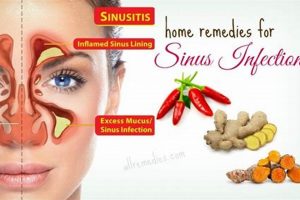
The application of Zingiber officinale rhizome preparations for therapeutic purposes represents a time-honored practice in various traditional medicine systems. This approach often involves utilizing the plant’s constituents, such as gingerols and shogaols, to address specific health concerns. An example includes the consumption of ginger tea to alleviate nausea or employing ginger poultices to reduce inflammation.
The significance of harnessing ginger’s properties lies in its potential to provide natural support for well-being. Historically, it has been valued for its reported digestive, anti-inflammatory, and antioxidant effects. These attributes contribute to its continued relevance in contemporary wellness practices and have led to scientific investigations into its efficacy for managing diverse conditions.
The subsequent sections will delve into specific applications of ginger preparations, exploring its potential roles in managing digestive discomfort, supporting joint health, and contributing to overall wellness. Each topic will present an overview of current scientific understanding and practical considerations.
Guidance on Utilizing Ginger Preparations
The following provides practical guidance on incorporating ginger preparations into a wellness regimen. Consult a healthcare professional before making significant changes to one’s health routine.
Tip 1: Addressing Nausea: Consume ginger in small, frequent doses, such as ginger tea or candied ginger, to mitigate nausea. Observe individual tolerance levels and adjust intake accordingly.
Tip 2: Supporting Digestive Health: Integrate ginger into meals as a spice or flavoring agent. Its reported ability to stimulate digestive enzymes may aid in nutrient absorption and reduce bloating.
Tip 3: Managing Joint Discomfort: Explore topical applications of ginger-infused oils or creams. These may offer localized relief for joint pain and inflammation. Conduct a patch test to assess for skin sensitivity before widespread use.
Tip 4: Selecting Quality Products: Prioritize ginger products from reputable sources. Verify third-party testing for purity and potency to ensure product quality.
Tip 5: Monitoring Potential Interactions: Be mindful of potential interactions with medications. Individuals on blood thinners or diabetes medications should exercise caution and consult with their healthcare provider.
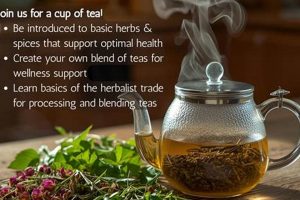
Tip 6: Preparing Ginger Tea: Steep fresh ginger slices in hot water for 10-15 minutes to create a soothing tea. Adjust the quantity of ginger to achieve the desired strength and flavor profile.
Tip 7: Incorporating into a Balanced Diet: While ginger can be a beneficial addition, it should be part of a comprehensive and balanced dietary approach. Prioritize whole foods and nutrient-rich meals.
Adhering to these guidelines can assist in safely and effectively integrating ginger preparations into one’s health practices, fostering a more holistic approach to personal wellness.
The subsequent sections will provide a deeper analysis of ginger’s specific chemical constituents and their potential mechanisms of action.
1. Anti-inflammatory Properties

The established role of inflammation in various disease states highlights the significance of identifying agents with anti-inflammatory capabilities. Ginger ( Zingiber officinale) possesses such properties, making it a candidate for investigation and application within the framework of herbal remedies.
- Inhibition of Prostaglandin Synthesis
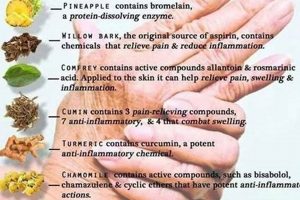
Ginger compounds, notably gingerols and shogaols, can inhibit the cyclooxygenase (COX) enzymes, particularly COX-2, which are critical in the synthesis of prostaglandins signaling molecules involved in inflammatory responses. This mechanism contributes to the reduction of pain and swelling associated with inflammatory conditions. For example, studies suggest that ginger extract may alleviate symptoms in individuals with osteoarthritis by modulating prostaglandin production within affected joints.
- Modulation of Cytokine Production
Cytokines, such as interleukin-1 (IL-1) and tumor necrosis factor-alpha (TNF-), are key mediators in inflammatory processes. Research indicates that ginger can suppress the production and release of these pro-inflammatory cytokines from immune cells. This modulation contributes to the overall anti-inflammatory effect of ginger. Examples include in vitro studies demonstrating a decrease in IL-1 secretion from stimulated macrophages treated with ginger extracts.
- Antioxidant Activity and Free Radical Scavenging
Inflammation is often accompanied by increased oxidative stress and the generation of free radicals. Ginger’s antioxidant properties, stemming from its phenolic compounds, enable it to scavenge these free radicals and reduce oxidative damage. This antioxidant activity indirectly contributes to its anti-inflammatory effects by preventing the amplification of the inflammatory cascade. For instance, the protective effects of ginger on liver inflammation are partly attributed to its ability to neutralize free radicals and reduce oxidative stress in hepatic cells.
- Impact on Neutrophil Function
Neutrophils, a type of white blood cell, play a crucial role in the inflammatory response. Excessive neutrophil activation can lead to tissue damage. Some studies suggest that ginger can modulate neutrophil function, reducing their adhesion to endothelial cells and limiting the release of damaging enzymes. This modulation potentially attenuates the inflammatory response in conditions such as rheumatoid arthritis, where excessive neutrophil activity contributes to joint destruction.
These facets of ginger’s anti-inflammatory propertiesinhibition of prostaglandin synthesis, modulation of cytokine production, antioxidant activity, and influence on neutrophil functionunderscore its potential as a component of herbal remedies targeting inflammatory conditions. While further research is needed to fully elucidate its mechanisms and optimize its application, current evidence supports its role as a natural anti-inflammatory agent.
2. Digestive aid applications

The utilization of Zingiber officinale as a digestive aid is a long-standing practice, with its efficacy rooted in several physiological effects relevant to gastrointestinal function. The ensuing discussion elucidates specific mechanisms through which ginger preparations influence digestive processes.
- Stimulation of Gastric Emptying
Ginger has been demonstrated to accelerate the rate at which the stomach empties its contents into the small intestine. This effect is primarily attributed to gingerols, which appear to stimulate gastric motility and reduce the duration of food retention in the stomach. For example, in individuals experiencing delayed gastric emptying due to gastroparesis, ginger supplementation has shown promise in alleviating symptoms such as bloating and nausea. The implications of this effect are significant in the context of promoting overall digestive efficiency and reducing postprandial discomfort.
- Enhancement of Digestive Enzyme Activity
Ginger’s consumption is associated with increased activity of digestive enzymes, particularly pancreatic lipase and amylase. These enzymes are crucial for the breakdown of fats and carbohydrates, respectively. Increased enzyme activity can improve nutrient absorption and reduce the likelihood of undigested food fermenting in the lower digestive tract. Illustratively, studies suggest that ginger supplementation can enhance the digestion of high-fat meals, mitigating symptoms of indigestion such as heartburn and abdominal pain.
- Reduction of Intestinal Spasms
Ginger possesses antispasmodic properties that can help alleviate intestinal spasms and cramping. This is thought to occur through the relaxation of smooth muscle tissue in the digestive tract, primarily mediated by gingerol compounds. This effect is beneficial in managing conditions such as irritable bowel syndrome (IBS), where intestinal spasms contribute to abdominal pain and altered bowel habits. Empirical evidence indicates that ginger may reduce the frequency and severity of abdominal cramps in individuals with IBS.
- Alleviation of Bloating and Flatulence
Gingers carminative properties contribute to the reduction of bloating and flatulence. By promoting the expulsion of gas from the digestive tract, ginger alleviates abdominal distension and discomfort. This effect is partly attributed to its ability to stimulate digestive motility and reduce the accumulation of gas-producing bacteria in the gut. For instance, ginger tea has been traditionally used to alleviate post-meal bloating and reduce the frequency of flatulence, particularly after consuming gas-inducing foods.
These digestive aid applications underscore the potential of ginger as a valuable component of herbal remedies aimed at supporting gastrointestinal health. The demonstrated effects on gastric emptying, digestive enzyme activity, intestinal spasms, and gas reduction provide a rational basis for its use in managing various digestive discomforts. Further research is warranted to fully elucidate the underlying mechanisms and optimize its application in specific clinical contexts.
3. Nausea relief benefits

The capacity of ginger preparations to mitigate nausea constitutes a prominent aspect of its therapeutic application. The demonstrated efficacy of ginger in alleviating nausea across diverse etiologies warrants a detailed examination of its underlying mechanisms and practical implications.
- Modulation of Gastric Motility
Gingers antiemetic effect is partially attributed to its influence on gastric motility. By accelerating gastric emptying and reducing gastric stasis, ginger helps prevent the accumulation of substances that can trigger nausea. A common example is its use during pregnancy to manage morning sickness, where hormonal changes often lead to delayed gastric emptying. Clinical trials have shown that ginger supplementation can reduce the frequency and severity of nausea episodes in pregnant women, offering a non-pharmacological alternative to conventional antiemetics.
- Influence on Serotonin Receptors
Serotonin, a neurotransmitter, plays a significant role in the emetic pathway. Ginger compounds, such as gingerols and shogaols, interact with serotonin receptors in the gastrointestinal tract and the chemoreceptor trigger zone (CTZ) in the brainstem, modulating their activity. This interaction can reduce the sensitivity of the CTZ to emetic stimuli, thereby inhibiting nausea. Patients undergoing chemotherapy, who often experience nausea as a side effect, may benefit from ginger’s ability to modulate serotonin receptor activity, reducing the incidence of chemotherapy-induced nausea and vomiting (CINV).
- Impact on the Vomiting Center
The vomiting center in the brainstem coordinates the complex physiological response of vomiting. Ginger’s antiemetic effect involves modulating the activity of the vomiting center, reducing its responsiveness to various stimuli that induce nausea and vomiting. For instance, individuals prone to motion sickness may find relief from ginger consumption before or during travel. Gingers ability to influence the vomiting center can mitigate the neural signals that trigger the vomiting reflex, reducing the sensation of nausea and the occurrence of vomiting.
- Reduction of Vasopressin Secretion
Vasopressin, a hormone involved in fluid balance and stress response, can contribute to nausea by increasing gastrointestinal motility and stimulating the CTZ. Ginger can reduce vasopressin secretion, thereby diminishing its pro-emetic effects. This mechanism may be particularly relevant in cases of postoperative nausea and vomiting (PONV), where vasopressin release is often elevated due to surgical stress. Clinical studies suggest that ginger administration can lower vasopressin levels and reduce the incidence of PONV in patients recovering from surgery.
These integrated actionsmodulation of gastric motility, influence on serotonin receptors, impact on the vomiting center, and reduction of vasopressin secretion collectively contribute to ginger’s efficacy as a nausea relief agent. Its versatile mechanisms of action make it a valuable component of herbal remedies for various nausea-inducing conditions, offering a natural alternative to conventional pharmaceutical interventions. Further investigation into optimizing its application and dosage is warranted to maximize its therapeutic potential.
4. Bioactive compound extraction

The efficacy of ginger as a therapeutic agent is intrinsically linked to the methods employed for bioactive compound extraction. These processes dictate the concentration and purity of key constituents, such as gingerols, shogaols, and zingerone, ultimately influencing the potency and predictability of the resulting remedy. The selection of extraction techniques, therefore, becomes a critical determinant in achieving consistent and reliable therapeutic outcomes. For instance, supercritical fluid extraction (SFE) with carbon dioxide can selectively extract gingerols, yielding a highly concentrated extract with enhanced anti-inflammatory properties compared to traditional solvent-based methods. This level of precision allows for targeted therapeutic applications, optimizing the potential benefits of ginger.
Variations in extraction methodologies can significantly impact the chemical profile of the ginger extract. Traditional water-based infusions, while preserving a broad range of compounds, may result in lower concentrations of specific bioactive molecules compared to solvent-based extractions utilizing ethanol or methanol. Furthermore, heat-sensitive compounds can degrade during high-temperature extraction processes, potentially diminishing the therapeutic value of the final product. Consider the case of formulating a ginger-based anti-nausea remedy; an extract rich in gingerols, obtained through low-temperature solvent extraction, is likely to be more effective than a simple ginger tea prepared through boiling water infusion due to the higher concentration of the active constituents. This distinction highlights the practical significance of understanding extraction techniques for tailoring ginger remedies to specific health needs.
In conclusion, the connection between bioactive compound extraction and the efficacy of ginger preparations is undeniable. The chosen extraction method directly influences the chemical composition, concentration, and stability of key bioactive constituents, ultimately determining the therapeutic potential of the final product. Addressing the challenges associated with optimizing extraction techniques, such as preserving heat-sensitive compounds and achieving targeted extraction of specific bioactive molecules, is essential for advancing the development of standardized and reliable ginger-based herbal remedies. This understanding links directly to the broader theme of ensuring quality and consistency in herbal medicine, underscoring the importance of scientific rigor in traditional practices.
5. Traditional medicine integration

The incorporation of ginger preparations within diverse traditional medical systems underscores its enduring recognition as a therapeutic agent. This integration reflects centuries of empirical observation and established usage protocols, thereby providing a foundation for contemporary research and clinical applications.
- Ayurvedic Applications
In Ayurveda, ginger is utilized to balance Vata and Kapha doshas, addressing digestive disorders, respiratory ailments, and inflammatory conditions. It is prescribed in various forms, including powders, decoctions, and medicated oils, reflecting a nuanced understanding of its properties and applications. An example includes the use of ginger formulations to stimulate digestion and reduce ama (undigested toxins) accumulation within the system.
- Traditional Chinese Medicine (TCM)
TCM employs ginger to warm the body, dispel cold, and strengthen the Spleen and Stomach Qi. It is often combined with other herbs in complex formulas to treat conditions such as common colds, coughs, and abdominal pain. The distinction between fresh ginger (Sheng Jiang) and dried ginger (Gan Jiang) highlights the emphasis on specific preparations for targeted therapeutic effects, with fresh ginger commonly used for external pathogenic influences and dried ginger for internal cold patterns.
- Unani Medicine
Unani medicine recognizes ginger for its warming and digestive properties, classifying it as a Muqawwi-e-meda (stomachic) and Muqawwi-e-asab (nerve tonic). It is employed to address digestive weakness, flatulence, and rheumatic complaints. Formulations containing ginger are often prescribed to enhance appetite and promote the assimilation of nutrients, reflecting a holistic approach to health and well-being.
- African Traditional Medicine
Various African traditional medical systems utilize ginger for its anti-inflammatory and analgesic properties, employing it to treat musculoskeletal pain, respiratory infections, and gastrointestinal disturbances. Preparations may involve fresh or dried ginger rhizomes, often combined with other locally sourced medicinal plants. For instance, ginger infusions are traditionally used to alleviate menstrual cramps and reduce inflammation associated with arthritis.
The sustained integration of ginger preparations across these diverse traditional medical systems validates its therapeutic potential and provides a rich source of knowledge for contemporary research. Comparative analyses of traditional usage patterns and modern scientific findings can inform the development of standardized ginger-based remedies, optimizing their efficacy and safety for clinical applications. This synthesis of traditional wisdom and scientific investigation represents a valuable approach to harnessing the full therapeutic potential of ginger.
Frequently Asked Questions Regarding Ginger Herbal Remedy
The following elucidates common inquiries pertaining to the use of ginger ( Zingiber officinale) as a therapeutic agent, providing evidence-based responses intended to clarify misconceptions and offer practical guidance.
Question 1: What are the primary bioactive components responsible for the purported benefits of ginger?
Ginger’s therapeutic properties are primarily attributed to its bioactive compounds, including gingerols, shogaols, and zingerone. Gingerols are abundant in fresh ginger, exhibiting anti-inflammatory and antioxidant activities. Shogaols, produced upon heating or drying ginger, possess similar but often more potent anti-inflammatory effects. Zingerone contributes to ginger’s characteristic aroma and flavor, also demonstrating antioxidant capabilities.
Question 2: Is there scientific evidence to support ginger’s efficacy in alleviating nausea?
Clinical trials have consistently demonstrated ginger’s effectiveness in reducing nausea and vomiting associated with various conditions, including pregnancy-induced nausea (morning sickness), chemotherapy-induced nausea and vomiting (CINV), and postoperative nausea and vomiting (PONV). Its mechanism of action involves modulating gastrointestinal motility and influencing serotonin receptors in the brainstem.
Question 3: What are the potential risks or side effects associated with ginger consumption?
While generally considered safe for most individuals, excessive ginger consumption may lead to mild gastrointestinal discomfort, such as heartburn, bloating, or diarrhea. Individuals with bleeding disorders or those taking anticoagulant medications should exercise caution, as ginger may possess mild antiplatelet properties. Consultation with a healthcare professional is advisable prior to incorporating ginger into one’s regimen, especially for individuals with pre-existing medical conditions.
Question 4: What is the recommended dosage for utilizing ginger as a digestive aid?
The optimal dosage of ginger for digestive support varies depending on the individual and the specific condition being addressed. A common recommendation involves consuming 1-3 grams of fresh ginger or 0.25-1 gram of dried ginger per day, divided into multiple doses. Ginger tea, prepared by steeping fresh ginger slices in hot water, is a convenient method for ingestion. Adherence to product-specific dosage guidelines is also warranted.
Question 5: How should ginger be stored to preserve its potency and freshness?
Fresh ginger should be stored in a cool, dark, and dry place, ideally wrapped in a paper towel and placed within a plastic bag in the refrigerator. This method can help extend its shelf life for several weeks. Dried ginger powder should be stored in an airtight container away from moisture and direct sunlight to prevent degradation of its bioactive components.
Question 6: Can ginger interact with prescription medications?
Ginger may interact with certain prescription medications, including anticoagulants (e.g., warfarin), antiplatelet drugs (e.g., aspirin, clopidogrel), and diabetes medications (e.g., metformin, insulin). Its potential to enhance the effects of these medications necessitates caution and close monitoring. Consultation with a healthcare provider or pharmacist is essential to assess potential drug interactions before initiating ginger supplementation.
The preceding responses provide foundational knowledge regarding the safe and effective use of ginger as a therapeutic agent. Adhering to these guidelines can contribute to a more informed and responsible approach to utilizing this herbal remedy.
The subsequent sections will delve into the regulatory aspects and quality control measures associated with ginger-based products.
Conclusion
The preceding discourse has explored various facets of the ginger herbal remedy, encompassing its historical context, therapeutic applications, and potential mechanisms of action. The presented evidence underscores its utility in alleviating nausea, mitigating inflammation, and supporting digestive health. The integration of ginger into traditional medical systems further validates its enduring relevance as a natural therapeutic agent. Critical examination of bioactive compound extraction methods and potential risks associated with its consumption facilitates a more informed approach to its utilization.
Further research remains essential to fully elucidate the intricacies of ginger’s pharmacological profile and optimize its application across diverse clinical contexts. Strict adherence to quality control measures and informed consultation with healthcare professionals are imperative to ensure the safe and effective incorporation of ginger herbal remedy into individual wellness practices. The continuous synthesis of empirical knowledge and scientific investigation will pave the way for a deeper understanding and broader utilization of this valuable natural resource.