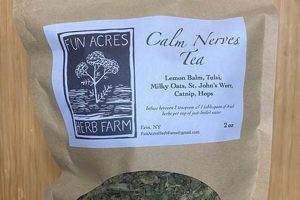
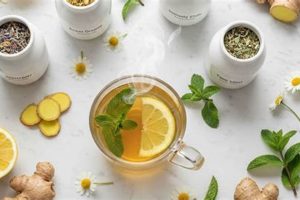
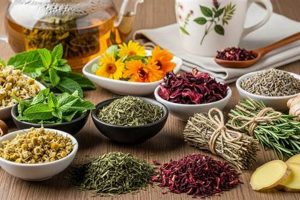
Beverages crafted from infusions or decoctions of herbs, spices, flowers, or other plant material, distinguished by the absence of caffeine, offer a broad range of flavors and potential health advantages. Chamomile, peppermint, and rooibos are common examples, each possessing unique characteristics derived from their botanical sources.
These infusions serve as alternatives to caffeinated beverages, providing hydration and potential therapeutic benefits without the stimulant effects of caffeine. Historically, various cultures have utilized plant-based infusions for medicinal and ritualistic purposes, acknowledging their capacity to promote relaxation, aid digestion, or alleviate minor ailments. The consumption of these beverages aligns with a growing interest in natural wellness practices.
The subsequent sections will delve into the specific types of these caffeine-free plant infusions, examining their individual properties, potential health implications, and considerations for responsible consumption.
Guidance on Consumption and Selection
Optimal utilization of caffeine-free herbal infusions involves informed choices and mindful consumption practices. These considerations contribute to maximizing potential benefits while minimizing potential adverse effects.
Tip 1: Ingredient Verification: Examine product labels to ensure the absence of caffeine-containing ingredients such as guarana or yerba mate. Mislabeling can inadvertently introduce stimulants.
Tip 2: Brewing Technique: Adhere to recommended brewing times and temperatures to extract optimal flavor and beneficial compounds. Over-steeping may result in bitterness or the release of undesirable elements.
Tip 3: Source Transparency: Prioritize products from reputable suppliers who disclose the origin and processing methods of their herbal ingredients. Transparency ensures quality and reduces the risk of contamination.
Tip 4: Individual Sensitivities: Be cognizant of potential allergic reactions or sensitivities to specific herbs. Introduce new varieties gradually to monitor for adverse responses.
Tip 5: Moderation in Consumption: While generally safe, excessive intake of any single herbal infusion may disrupt electrolyte balance or interact with medications. Moderate consumption is advisable.
Tip 6: Consultation with Healthcare Professionals: Individuals with pre-existing medical conditions or those taking prescription medications should consult a healthcare professional before incorporating herbal infusions into their routine. This ensures safety and avoids potential interactions.
Tip 7: Storage Practices: Proper storage in airtight containers, away from direct sunlight and moisture, preserves the potency and flavor of the herbal ingredients.
Adherence to these guidelines promotes responsible and informed utilization of caffeine-free herbal infusions, enhancing the overall experience and maximizing potential health benefits.
The subsequent section will provide a concise summary of the preceding points and offer concluding remarks regarding the role of these beverages in promoting well-being.
1. Botanical Origins

The fundamental characteristic of herbal infusions devoid of caffeine lies in their botanical origins. These beverages are derived from a variety of plant sources, including flowers, leaves, roots, seeds, and bark, excluding the Camellia sinensis plant (true tea) and other naturally caffeinated plants like Coffea arabica or Ilex paraguariensis. The specific botanical origin dictates the chemical composition, flavor profile, and potential therapeutic properties of the resulting infusion. For example, chamomile flowers ( Matricaria chamomilla) yield a beverage known for its calming effects, while peppermint leaves ( Mentha piperita) produce a refreshing and digestive aid. The absence of caffeine is directly attributable to the selection of plants that do not naturally synthesize this stimulant.
The importance of botanical origins extends beyond the simple absence of caffeine. The selection of a particular plant determines the presence of various bioactive compounds, such as flavonoids, terpenes, and phenolic acids, which may contribute to health benefits. Rooibos ( Aspalathus linearis), originating from South Africa, is rich in antioxidants, while ginger root ( Zingiber officinale) possesses anti-inflammatory properties. This understanding empowers consumers to make informed choices based on their specific health and wellness goals. Furthermore, the sustainable sourcing and cultivation of these plants are crucial considerations for environmental responsibility within the herbal infusion industry.
In summary, botanical origins are not merely a starting point but rather the defining characteristic of caffeine-free herbal infusions. The selection of specific plants dictates the beverage’s composition, flavor, and potential health effects. Recognizing the significance of botanical origins allows for informed consumer choices and promotes responsible sourcing practices, thereby enhancing the overall value and benefits associated with these caffeine alternatives. The key challenge resides in the complex interplay of the many bioactive compounds and the sustainability.
2. Varietal Diversity

The realm of caffeine-free herbal infusions is characterized by substantial varietal diversity, a direct consequence of the extensive range of plant species employed in their production. This diversity manifests in a multitude of flavor profiles, chemical compositions, and potential health effects. The absence of caffeine, a unifying trait, is complemented by a spectrum of sensory and physiological characteristics determined by the specific plant or blend of plants utilized. For example, the calming properties attributed to chamomile differ considerably from the digestive support associated with peppermint, illustrating the significant impact of varietal selection. This variety is not merely superficial; it represents a fundamental differentiation in the bioactive compounds present in each infusion. Rooibos, with its high antioxidant content, contrasts sharply with the properties of hibiscus, known for its potential to support healthy blood pressure levels. The conscious selection of varieties allows individuals to target specific health needs or flavor preferences, transforming the consumption of herbal infusions from a simple act of hydration into a tailored wellness practice.
The practical significance of understanding this varietal diversity extends to several domains. Firstly, it empowers consumers to make informed choices, aligning their selection of herbal infusions with specific health goals. Secondly, it drives innovation within the herbal tea industry, encouraging the exploration of novel plant sources and the development of unique flavor combinations. Thirdly, it highlights the importance of sustainable sourcing and ethical harvesting practices, as the demand for diverse plant species can place pressure on ecosystems and local communities. The economic viability of many rural communities relies on the cultivation and harvesting of specific herbs, underscoring the socioeconomic implications of varietal diversity. The sourcing of yerba mate leaves, for example, has a direct impact on the economic output.
In summary, varietal diversity is a defining characteristic of caffeine-free herbal infusions, influencing their flavor, composition, and potential benefits. This diversity enables consumers to personalize their tea consumption, supports innovation in the industry, and necessitates responsible sourcing practices. Addressing the challenges associated with sustainable harvesting and ethical trade is crucial for preserving this valuable diversity and ensuring the long-term viability of the herbal infusion sector. Future studies may focus on identifying more sustainable and environmental friendly source.
3. Brewing Methods

Brewing methods exert a significant influence on the flavor, potency, and overall quality of herbal infusions devoid of caffeine. The extraction of bioactive compounds and volatile aromatics is directly affected by variables such as water temperature, steeping time, and the type of brewing vessel employed. Therefore, understanding and optimizing brewing techniques is crucial for maximizing the benefits and sensory experience associated with these beverages.
- Water Temperature
The temperature of the water used for brewing significantly impacts the extraction of flavor and beneficial compounds from herbal ingredients. Overly hot water can scorch delicate herbs, resulting in a bitter or astringent taste. Conversely, water that is too cool may fail to adequately extract the desired components, leading to a weak and flavorless infusion. The ideal temperature varies depending on the specific herb. Delicate flowers like chamomile typically require lower temperatures (around 170-180F), while hardier ingredients like roots or barks may benefit from slightly hotter water (around 200-212F). Accurate temperature control is essential for achieving the optimal flavor profile.
- Steeping Time
The duration of the steeping process directly affects the concentration of extracted compounds in the final infusion. Insufficient steeping results in a weak and underdeveloped flavor, while excessive steeping can lead to bitterness or the release of undesirable compounds. The optimal steeping time depends on the herb and the desired intensity of flavor. Generally, a steeping time of 5-10 minutes is suitable for most herbal infusions. However, some herbs, such as those containing volatile oils, may require shorter steeping times to prevent the loss of delicate aromas. Careful monitoring and experimentation are recommended to determine the ideal steeping time for each specific herb.
- Brewing Vessel
The type of brewing vessel can also influence the quality of the infusion. Materials such as glass, ceramic, or stainless steel are generally preferred, as they are inert and do not impart any unwanted flavors to the beverage. Plastic vessels, on the other hand, may leach chemicals into the infusion, particularly at higher temperatures. The size and shape of the vessel can also affect the brewing process. A vessel with adequate space allows the herbal ingredients to fully expand and release their flavors. Furthermore, a vessel with a lid helps to retain heat and volatile aromatics during steeping.
- Filtration Method
The method used to filter the infused liquid from the herbal solids can impact the final clarity and taste. Options include tea bags, infusers, and strainers. Tea bags offer convenience but may restrict the expansion of the herbs and potentially impart a papery taste. Infusers provide more space for the herbs to unfurl, but the mesh size can affect the amount of sediment that passes through. Strainers offer the most control over filtration and allow for the use of loose-leaf herbs. The choice of filtration method depends on personal preference and the desired level of clarity.
In conclusion, brewing methods are intrinsically linked to the quality and characteristics of caffeine-free herbal infusions. By carefully controlling water temperature, steeping time, selecting appropriate brewing vessels, and employing effective filtration techniques, individuals can optimize the extraction of flavor and beneficial compounds, resulting in a more satisfying and healthful beverage. The interplay of these factors underscores the importance of a mindful and informed approach to brewing these herbal drinks.
4. Flavor Profiles

Flavor profiles constitute a defining characteristic of caffeine-free herbal infusions, serving as a primary driver of consumer preference and influencing the overall sensory experience. The absence of caffeine permits the inherent flavors of the constituent herbs, flowers, roots, or spices to be fully expressed, resulting in a diverse range of taste sensations. These profiles range from the floral and subtly sweet notes of chamomile to the minty and refreshing qualities of peppermint, and the earthy and slightly tart flavor of rooibos. The composition of volatile compounds, non-volatile organic acids, sugars, and tannins present in each herb contributes to its unique flavor signature. The deliberate blending of various herbs allows for the creation of complex and nuanced flavor combinations that cater to a wide spectrum of palates. Therefore, flavor profiles are not merely an aesthetic consideration but an integral component of the value proposition of these herbal beverages.
Understanding flavor profiles in these plant infusions has practical significance across multiple domains. For consumers, it facilitates informed selection, enabling them to choose varieties that align with their individual taste preferences and intended use. For example, an individual seeking relaxation might opt for chamomile, while someone desiring digestive support might select ginger or peppermint. In the food and beverage industry, a deep understanding of flavor profiles is crucial for product development, allowing manufacturers to create innovative and appealing herbal tea blends that meet evolving consumer demands. Furthermore, recognizing flavor interactions and potential synergies between different herbs is essential for crafting balanced and harmonious blends. The application of sensory evaluation techniques and analytical chemistry can further refine the understanding and manipulation of flavor profiles in herbal infusions.
In summary, flavor profiles are intrinsically linked to the appeal and utility of caffeine-free herbal infusions. The vast array of taste sensations offered by these beverages stems from the unique chemical composition of the various plant materials used. A comprehensive understanding of flavor profiles empowers consumers, guides product development, and promotes the creation of innovative and delightful herbal tea blends. Challenges remain in accurately predicting flavor interactions and ensuring consistent flavor profiles across different batches and sources. Continuous research and development in sensory science and analytical chemistry are crucial for advancing the understanding and application of flavor profiles in the herbal infusion sector.
5. Potential Benefits
The inherent value of herbal infusions lacking caffeine resides substantially in their potential health benefits. These advantages stem from the unique phytochemical composition of the plant materials used, offering a range of therapeutic properties absent in caffeinated beverages. The absence of caffeine, a stimulant, allows these infusions to provide benefits without the side effects associated with stimulants, such as anxiety, insomnia, or elevated heart rate. For example, chamomile, widely recognized for its calming effects, contains compounds that may promote relaxation and improve sleep quality. Peppermint, conversely, offers potential benefits for digestive health, alleviating symptoms of indigestion and bloating. This cause-and-effect relationship between the herbal composition and the physiological response underscores the importance of understanding the specific properties of each herbal variety.
The practical significance of recognizing these potential benefits lies in the ability to make informed dietary choices and to potentially manage mild health conditions through natural means. Individuals seeking to reduce stress may incorporate chamomile into their evening routine, while those experiencing digestive discomfort may find relief through peppermint or ginger infusions. Furthermore, the antioxidant properties found in many herbal varieties, such as rooibos, may contribute to overall health and well-being by protecting against cellular damage caused by free radicals. The responsible consumption of these infusions, guided by an understanding of their potential effects, can serve as a complementary approach to health maintenance, although it should not replace conventional medical treatment when necessary. Caution must be taken to avoid unsubstantiated claims and to seek professional medical advice regarding serious health issues.
In summary, the potential benefits represent a critical dimension of caffeine-free herbal infusions, influencing consumer preferences, driving research, and shaping their role in promoting well-being. Understanding the connection between specific herbal compositions and their potential health effects empowers individuals to make informed choices and to harness the therapeutic properties of these plant-based beverages. Challenges remain in fully elucidating the mechanisms of action and in conducting rigorous clinical trials to validate the claimed benefits. However, the growing body of evidence supporting the potential benefits of these infusions underscores their value as a component of a holistic approach to health and wellness.
6. Consumption Considerations
Consumption considerations constitute an integral element of the experience associated with herbal infusions devoid of caffeine. These considerations, encompassing aspects such as sourcing transparency, ingredient verification, individual sensitivities, and moderation in intake, directly impact the safety, efficacy, and overall enjoyment derived from these beverages. The absence of caffeine, while a defining characteristic, does not negate the need for mindful consumption practices. The potential for allergic reactions to specific herbs, for instance, necessitates careful ingredient review prior to consumption. Similarly, the presence of certain bioactive compounds may interact with prescription medications, requiring consultation with healthcare professionals to mitigate potential adverse effects. The responsible selection and consumption of these beverages are therefore predicated on a comprehensive understanding of potential risks and benefits. A practical example of this is observing the ingredient list for Senna, a natural laxative.
Practical applications of these considerations extend to various domains. Retailers and manufacturers bear the responsibility of providing accurate and comprehensive product labeling, including information on ingredient sourcing, potential allergens, and recommended usage guidelines. Consumers, in turn, are expected to exercise diligence in reviewing this information and making informed purchasing decisions. Healthcare practitioners play a crucial role in educating patients about the potential interactions between herbal infusions and medications, as well as addressing any concerns regarding individual sensitivities. Public health agencies may also establish guidelines and regulations to ensure the safety and quality of herbal products. The convergence of these efforts promotes a culture of responsible consumption and safeguards public health.
In summary, consumption considerations are inextricably linked to the responsible and beneficial use of caffeine-free herbal infusions. The absence of caffeine does not eliminate the need for careful attention to factors such as sourcing, ingredients, and individual sensitivities. The collaborative efforts of manufacturers, retailers, healthcare professionals, and consumers are essential for fostering a culture of informed decision-making and promoting the safe and effective integration of these beverages into a healthy lifestyle. One remaining challenge is addressing consumer misinformation or misconceptions around natural remedies.
Frequently Asked Questions
This section addresses common inquiries and clarifies misconceptions regarding herbal infusions that are devoid of caffeine, providing objective and informative answers to enhance understanding.
Question 1: Are all herbal teas naturally caffeine-free?
No. While many herbal infusions are inherently caffeine-free due to their botanical origins, certain blends may contain ingredients from caffeinated plants such as Guarana or Yerba Mate. Always verify the product label.
Question 2: Can herbal teas interact with medications?
Yes. Certain herbal constituents may interact with prescription or over-the-counter medications, potentially altering their efficacy or increasing the risk of adverse effects. Consultation with a healthcare professional is advised.
Question 3: Do herbal teas offer the same benefits as caffeinated teas?
Herbal and caffeinated teas provide distinct benefits. While caffeinated teas offer stimulant effects due to caffeine, herbal teas offer therapeutic benefits stemming from their varied phytochemical compositions. The absence of caffeine is the major difference.
Question 4: Are herbal teas safe for pregnant or breastfeeding women?
Certain herbs are contraindicated during pregnancy or breastfeeding due to potential adverse effects on fetal development or infant health. Consultation with a healthcare provider is recommended before consuming herbal infusions during these periods.
Question 5: How should herbal teas be stored to maintain freshness?
Herbal infusions should be stored in airtight containers, away from direct sunlight, heat, and moisture. Proper storage preserves the potency and flavor of the herbal ingredients.
Question 6: Can excessive consumption of herbal teas be harmful?
While generally safe, excessive consumption of any single herbal infusion may lead to adverse effects, such as digestive upset or electrolyte imbalances. Moderation and variety are advisable.
In conclusion, informed selection and mindful consumption are paramount when incorporating herbal teas without caffeine into one’s routine. Understanding potential interactions and individual sensitivities is essential.
The subsequent section will provide a concluding summary of the key topics discussed in this exploration of caffeine-free herbal teas.
Conclusion
This exploration of herbal teas without caffeine has underscored their diverse botanical origins, varietal diversity, and the critical role of brewing methods in optimizing flavor and potential benefits. Responsible consumption necessitates consideration of ingredient verification, potential interactions, and individual sensitivities. These aspects collectively define the characteristics and impact of these caffeine-free alternatives.
The future of herbal teas without caffeine lies in continued research into their therapeutic properties, coupled with a commitment to sustainable sourcing and transparent labeling practices. Embracing informed choices and promoting responsible consumption will ensure the continued value and safety of these plant-based beverages for future generations.