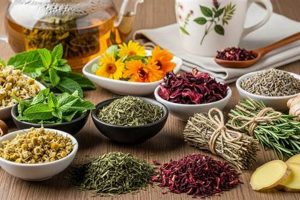
Beverages formulated to promote relaxation and improve sleep quality through the inclusion of specific herbs fall under the category of calming infusions. Chamomile, lavender, and valerian root are common ingredients in these formulations, chosen for their purported sedative and anxiolytic properties. These infusions are typically consumed before bedtime as a natural aid to facilitate sleep.
The consumption of such preparations can offer several potential benefits. Historically, various cultures have employed herbal remedies for their sleep-inducing effects. Modern research suggests that certain herbs may interact with neurotransmitter systems in the brain, contributing to a sense of calm and reducing sleep latency. Furthermore, choosing this alternative over pharmaceutical options may appeal to individuals seeking a natural approach to managing sleep disturbances.
The subsequent discussion will delve into the specific herbs frequently utilized in these calming infusions, explore the scientific evidence supporting their efficacy, and address potential considerations regarding their use, including possible interactions and contraindications.
Guidance for Optimal Enjoyment and Benefit
The following recommendations aim to maximize the potential advantages derived from consuming calming herbal blends while minimizing potential adverse effects. Adherence to these guidelines can promote a more restful and beneficial sleep experience.
Tip 1: Ingredient Awareness: Scrutinize the ingredient list before consumption. Identify any known allergens or substances that may interact with existing medications. Consult a healthcare professional if uncertainty persists.
Tip 2: Optimal Timing: Consume the beverage approximately 30-60 minutes prior to the desired bedtime. This allows sufficient time for the herbs’ purported effects to manifest and promote relaxation.
Tip 3: Temperature Consideration: Serve the infusion at a comfortable temperature. Excessively hot beverages can be stimulating, potentially counteracting the intended sedative effect. A lukewarm temperature is generally recommended.
Tip 4: Moderation is Key: Adhere to the recommended serving size indicated on the product packaging. Exceeding the suggested dosage does not necessarily amplify the benefits and may increase the risk of undesirable side effects.
Tip 5: Consistent Routine: Incorporate the beverage into a consistent pre-sleep routine. Establishing a predictable pattern can signal to the body that it is time to rest, enhancing the overall effectiveness.
Tip 6: Environmental Factors: Optimize the sleep environment by minimizing distractions. Ensure the bedroom is dark, quiet, and cool to further promote relaxation and sleep onset.
Tip 7: Monitor Effects: Pay close attention to the body’s response to the beverage. If any adverse reactions, such as gastrointestinal distress or allergic symptoms, occur, discontinue use immediately.
Consistent application of these recommendations can contribute to a more positive and effective experience, potentially leading to improved sleep quality and overall well-being.
The subsequent section will provide a concluding summary of the key points discussed in this article.
1. Ingredients

The composition of any sleep-promoting herbal infusion is fundamental to its purported efficacy. Careful selection of botanicals, each possessing distinct chemical properties, dictates the potential physiological effects on the consumer. Understanding these individual components is critical for both safety and expected outcome.
- Chamomile’s Role in Relaxation
Chamomile, often present in these blends, contains apigenin, an antioxidant that binds to certain brain receptors which may decrease anxiety and initiate sleep. For example, a meta-analysis of several studies suggests that chamomile can improve sleep quality. However, individuals with allergies to ragweed or related plants should exercise caution due to potential cross-reactivity.
- Valerian Root: A Potent Sedative
Valerian root is another common inclusion, known for its impact on GABA levels in the brain, potentially inducing a calming effect. Clinical trials have shown that valerian may reduce the time it takes to fall asleep. It’s important to note that while generally safe, valerian can cause drowsiness and shouldn’t be combined with other sedatives or alcohol.
- Lavender’s Aromatic Influence
Lavender is valued for its aromatic properties, with studies indicating that its scent can promote relaxation and reduce stress. The linalool compound found in lavender is thought to contribute to these effects. Its inclusion often relies on aromatherapy principles, and it’s typically considered safe for consumption in small quantities within these formulations.
- Lemon Balm: An Anxiolytic Herb
Lemon balm, a member of the mint family, is frequently added for its calming and mood-enhancing properties. It is thought to inhibit the breakdown of GABA, leading to increased levels in the brain. Research indicates that lemon balm may reduce anxiety and improve sleep quality. While side effects are rare, some individuals may experience digestive upset.
The synergistic combination of these ingredients aims to provide a holistic approach to promoting relaxation and improving sleep quality. The careful consideration of individual herb properties, potential interactions, and individual sensitivities is paramount in utilizing these sleep-promoting herbal infusions safely and effectively.
2. Preparation

The process of preparing sleep-promoting herbal infusions significantly impacts their effectiveness. Variations in water temperature, steeping time, and the use of specific brewing methods can alter the concentration of active compounds extracted from the herbs. Improper preparation may lead to a weak and ineffective beverage, failing to deliver the desired sedative effects. Conversely, excessive steeping could release bitter compounds, rendering the infusion unpalatable and potentially counteracting its relaxing properties. For instance, chamomile requires a specific water temperature and steeping duration to adequately extract apigenin without causing bitterness. Adhering to recommended preparation guidelines is, therefore, not merely a procedural detail, but a crucial factor influencing the infusion’s efficacy.
Different herbs demand specific preparation techniques to optimize the extraction of their active constituents. For example, delicate flowers like lavender may require lower water temperatures and shorter steeping times to prevent the degradation of their aromatic oils, which contribute to their calming effects. In contrast, denser roots like valerian may benefit from a longer steeping period to adequately release their sedative compounds. The selection of appropriate brewing equipment, such as teapots with infusers or French presses, can also affect the quality of the final product. Furthermore, water quality itself plays a role; filtered water is generally recommended to avoid interference from minerals or chlorine, which could alter the flavor profile or interact with the herbal compounds.
In conclusion, the preparation of sleep-promoting herbal infusions is not a standardized procedure, but a nuanced process requiring attention to detail and an understanding of the specific herbs employed. Deviation from recommended guidelines can compromise the effectiveness and palatability of the beverage, ultimately impacting its intended sleep-promoting benefits. Consistent and accurate preparation is, therefore, an essential element in realizing the full potential of these herbal remedies.
3. Timing

The temporal aspect of consuming sleep-promoting herbal infusions is critical for maximizing their intended benefits. The specific timeframe in relation to the desired sleep onset plays a significant role in the efficacy of these preparations.
- Pre-Sleep Consumption Window
The optimal timeframe for consuming these infusions typically falls within 30 to 60 minutes before bedtime. This allows sufficient time for the active compounds within the herbs to be absorbed and exert their physiological effects, promoting relaxation and preparing the body for sleep. Consuming the infusion too far in advance may diminish its effectiveness, while drinking it immediately before lying down may not provide adequate time for its effects to manifest.
- Circadian Rhythm Alignment
Consistent timing of consumption can contribute to the entrainment of the body’s natural circadian rhythm. Establishing a regular pre-sleep routine, including the consumption of the infusion at a similar time each night, can signal to the body that it is time to rest and promote more predictable sleep patterns. Irregular timing may disrupt the circadian rhythm, potentially negating some of the infusion’s intended benefits.
- Dietary Considerations and Timing
The timing of herbal infusion consumption should also consider dietary factors. Consuming a large meal immediately before or after drinking the infusion may affect its absorption rate or digestive processes, potentially influencing its effectiveness. Ideally, the infusion should be consumed on a relatively empty stomach or at least one to two hours after a heavy meal to optimize its absorption and minimize potential digestive interference.
- Individual Metabolic Variation
Individual metabolic rates and physiological characteristics can influence the optimal timing. Factors such as age, body weight, and overall health may affect how quickly the body processes and responds to the herbal compounds. Some individuals may find that they require a longer lead time for the infusion to take effect, while others may experience a more rapid response. Experimentation and observation are crucial to determine the most effective timing for individual needs.
In summary, the timing of sleep-promoting herbal infusion consumption is a multifaceted consideration that impacts its overall efficacy. Factors such as the pre-sleep consumption window, circadian rhythm alignment, dietary considerations, and individual metabolic variation all contribute to the optimal timeframe for achieving the desired sleep-promoting effects. Careful attention to these temporal elements can enhance the benefits of these herbal preparations and promote more restful sleep.
4. Dosage

The quantity of sleep-promoting herbal infusion consumed directly influences its efficacy and safety. Precise adherence to recommended serving sizes is paramount to achieve the desired effects without incurring adverse reactions. Deviations from established guidelines can lead to either insufficient sleep induction or undesirable side effects.
- Standardized Recommendations and Variability
Many commercial sleep-promoting herbal preparations provide standardized dosage recommendations based on average adult consumption. However, individual responses to herbal remedies can vary significantly due to factors such as body weight, metabolism, and pre-existing health conditions. What constitutes an effective dose for one individual may prove either inadequate or excessive for another. Therefore, caution is advised when relying solely on generalized dosage instructions.
- Concentration of Active Compounds
The concentration of active compounds within the herbal infusion is directly proportional to the dosage. Higher concentrations may lead to more pronounced sedative effects but also increase the risk of potential side effects. Conversely, lower concentrations may provide insufficient relaxation, failing to promote sleep onset. Variations in herbal quality and preparation methods can also affect the concentration of active ingredients, further complicating dosage considerations. For example, an infusion prepared with a double dose of valerian root may induce excessive drowsiness, while one prepared with insufficient chamomile may offer negligible calming benefits.
- Potential for Interactions and Contraindications
Dosage considerations become particularly critical when individuals are concurrently taking medications or have underlying health conditions. Certain herbal compounds can interact with pharmaceuticals, either enhancing or diminishing their effects. Exceeding the recommended dosage of a sleep-promoting herbal infusion in combination with sedatives or antidepressants can lead to dangerous levels of central nervous system depression. Similarly, individuals with specific medical conditions, such as liver or kidney dysfunction, may require adjusted dosages to minimize the risk of adverse reactions. Consulting a healthcare professional before initiating the use of any sleep-promoting herbal remedy, especially when other medications are involved, is strongly advised.
- Gradual Titration and Monitoring
A conservative approach to dosage involves gradual titration, starting with a lower-than-recommended amount and incrementally increasing the quantity until the desired effects are achieved. This allows individuals to assess their sensitivity to the herbal infusion and identify the minimum effective dose. Regular monitoring of sleep patterns and any potential side effects is essential throughout this process. Maintaining a sleep journal can provide valuable data to track the impact of dosage adjustments and optimize the overall therapeutic regimen. This gradual approach emphasizes safety and personalization in the utilization of sleep-promoting herbal preparations.
Accurate dosage and individual consideration are paramount when utilizing sleep-promoting herbal infusions. By understanding the standardized recommendations, the concentration of active compounds, potential interactions, and the benefits of gradual titration, consumers can make informed decisions to enhance sleep without compromising their health. Understanding and adapting to recommended dosage levels are necessary for optimizing the efficacy and safety of sleep-promoting herbal infusions.
5. Effects

The physiological consequences resulting from the consumption of calming herbal infusions are central to their utility as sleep aids. These effects, encompassing both subjective experiences and measurable physiological changes, dictate the value of such beverages as tools for promoting restfulness. An understanding of these effects requires careful consideration of the individual herbs involved, their respective mechanisms of action, and the interplay between these factors within the context of human physiology. For example, an individual may report a subjective reduction in anxiety following chamomile consumption, while polysomnography might reveal an objective decrease in sleep latency. The alignment of subjective and objective data strengthens the validity of the infusion’s effects.
The connection between specific ingredients and observed effects is pivotal. Valerian root, for instance, is believed to interact with GABA receptors in the brain, potentially leading to a reduction in nervous system activity and facilitating sleep onset. Lavender, on the other hand, may exert its influence through olfactory pathways, promoting relaxation via the limbic system. The magnitude and nature of these effects can vary significantly based on factors such as dosage, individual sensitivity, and the presence of other substances. A clinical trial might assess the impact of a standardized valerian extract on sleep efficiency, measuring the percentage of time spent asleep while in bed. Such trials provide quantifiable data on the practical effectiveness of these infusions.
In conclusion, the demonstrable effects of calming herbal infusions form the foundation for their use as sleep aids. The careful investigation of these effects, through both subjective reporting and objective measurement, is essential for validating their efficacy and ensuring their responsible application. The continued exploration of the mechanisms underlying these effects, coupled with rigorous clinical testing, will further refine the understanding and utilization of such beverages in the promotion of healthy sleep patterns.
6. Safety
The safe consumption of sleep-promoting herbal infusions necessitates a thorough understanding of potential risks associated with their ingredients and preparation. A primary concern involves the possibility of allergic reactions. Individuals with known sensitivities to plants within the Asteraceae family (e.g., chamomile, ragweed) may experience adverse reactions ranging from mild skin irritation to severe anaphylaxis. Careful scrutiny of product labels and awareness of personal allergy history is, therefore, paramount. For example, an unsuspecting consumer with a ragweed allergy could unknowingly ingest chamomile tea, triggering a significant allergic response. Proactive measures, such as consulting an allergist, are advisable for individuals with suspected sensitivities.
Drug interactions represent another significant safety consideration. Certain herbs, such as valerian root, possess sedative properties that can potentiate the effects of prescription medications, including benzodiazepines and opioids. Concurrent use of these substances may lead to excessive drowsiness, impaired cognitive function, and increased risk of accidents. Individuals undergoing pharmacological treatment for sleep disorders or other medical conditions must seek professional medical guidance before incorporating sleep-promoting herbal infusions into their routine. Additionally, the potential for contamination during herbal cultivation and processing raises concerns about the presence of pesticides, heavy metals, or other harmful substances. Reputable manufacturers adhere to rigorous quality control standards to mitigate these risks, but consumers should exercise caution and prioritize products from trusted sources. Third-party certification, such as those offered by the U.S. Pharmacopeia (USP), can provide an additional layer of assurance regarding product purity and potency.
In summary, prioritizing safety is crucial when using sleep-promoting herbal infusions. Awareness of potential allergic reactions, drug interactions, and contamination risks is essential for informed decision-making. Individuals with pre-existing medical conditions or those taking prescription medications should consult with a healthcare professional to ensure the safe and appropriate use of these herbal remedies. Responsible consumption, coupled with vigilance regarding product quality, can help minimize the potential for adverse events and maximize the intended benefits of sleep-promoting herbal infusions.
Frequently Asked Questions Regarding Sleep-Promoting Herbal Infusions
The following questions and answers address common inquiries and misconceptions concerning the use of calming herbal beverages as sleep aids. The information presented aims to provide clarity and promote responsible utilization.
Question 1: Are these infusions a suitable replacement for prescription sleep medication?
Sleep-promoting herbal infusions are generally considered milder in their effects compared to prescription sleep medications. Individuals with chronic or severe sleep disorders should consult with a healthcare professional to determine the most appropriate treatment plan. These infusions may serve as a complementary approach, but are not typically a direct replacement for pharmaceutical interventions.
Question 2: Can these infusions cause dependency or withdrawal symptoms?
The risk of dependency or withdrawal symptoms associated with sleep-promoting herbal infusions is generally considered low. However, prolonged and excessive use may lead to psychological dependence in some individuals. Discontinuing use should be gradual to minimize any potential rebound effects.
Question 3: Are there any specific populations who should avoid these infusions?
Pregnant and breastfeeding women should exercise caution and consult with a healthcare provider before consuming these infusions. Infants and young children should generally avoid these preparations due to a lack of sufficient safety data. Individuals with pre-existing medical conditions, particularly liver or kidney disorders, should also seek professional medical advice.
Question 4: How long does it take to experience the effects of these infusions?
The onset of effects can vary depending on individual factors such as metabolism, dosage, and the specific herbs contained in the infusion. Most individuals report experiencing a sense of relaxation and mild sedation within 30 to 60 minutes of consumption. Consistent use over several days or weeks may be required to achieve optimal results.
Question 5: Can these infusions interact with alcohol?
Combining sleep-promoting herbal infusions with alcohol is generally discouraged. Both substances possess sedative properties, and their concurrent use can lead to additive effects, resulting in excessive drowsiness, impaired coordination, and increased risk of accidents.
Question 6: How should these infusions be stored to maintain their potency?
Sleep-promoting herbal infusions should be stored in a cool, dry place, away from direct sunlight and moisture. Airtight containers are recommended to prevent degradation of the herbal components. Check the expiration date on the product packaging and discard any expired infusions.
These frequently asked questions highlight crucial aspects concerning the use of sleep-promoting herbal infusions. Adherence to these guidelines can enhance safety and efficacy.
The following section will provide a concluding summary of the key points discussed in this article.
In Conclusion
This exploration has provided a comprehensive overview of formulations designed to promote relaxation and improve sleep quality. Topics addressed include the composition of such preparations, appropriate preparation methods, optimal timing for consumption, dosage considerations, potential effects, and safety precautions. A thorough understanding of these facets is crucial for informed and responsible utilization.
The information presented serves as a foundation for individuals seeking non-pharmaceutical approaches to sleep enhancement. However, it is imperative to acknowledge that individual responses may vary, and consultation with qualified healthcare professionals is strongly recommended, especially in cases involving pre-existing medical conditions or concurrent medication use. Continued research into the efficacy and safety of these preparations remains vital for optimizing their potential benefits and minimizing potential risks.