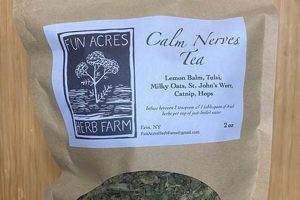
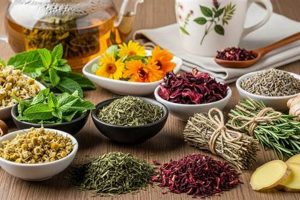
A beverage crafted from a blend of herbs, spices, and other plant-based ingredients, often steeped in hot water, this infusion is rooted in the principles of traditional Indian medicine. These preparations aim to support overall well-being by balancing the body’s energies, or doshas, according to individual constitutions. For instance, a blend of ginger, cardamom, and cinnamon might be used to support digestion and warmth.
Valued for its potential to promote health and wellness, this traditional preparation has a rich historical background spanning thousands of years. It’s often employed to support a range of health goals, including relaxation, improved digestion, and enhanced immunity. These beverages are considered a holistic approach to self-care, connecting mind, body, and spirit through carefully selected natural ingredients.
Further exploration will delve into the specific herbs and spices frequently utilized in these preparations, the principles guiding their selection, and potential considerations for their consumption. This will involve examining the characteristics of common ingredients and their intended effects on the body, offering a deeper understanding of these traditional practices.
Guidance on Integrating Ayurvedic Herbal Infusions
Effective incorporation of plant-based infusions, aligned with Ayurvedic principles, requires a mindful and informed approach. The following guidelines aim to optimize potential benefits and ensure safety.
Tip 1: Identify Your Dosha. Determine your primary dosha (Vata, Pitta, or Kapha) to select formulations that promote balance. An imbalance in these energies may be addressed with specific herbal combinations.
Tip 2: Consult with a Practitioner. Prioritize consultation with a qualified Ayurvedic practitioner or healthcare provider, especially if underlying health conditions are present, or medications are being taken. This ensures that the chosen formulation is appropriate for individual needs.
Tip 3: Choose High-Quality Ingredients. Opt for preparations made with certified organic or sustainably sourced herbs to minimize exposure to pesticides and ensure potency. Reputable suppliers should be prioritized.
Tip 4: Begin with Small Quantities. Introduce new formulations gradually, starting with a small amount, such as half a cup per day, to monitor for any adverse reactions. Incremental increases are preferable.
Tip 5: Observe Body’s Response. Pay close attention to how the body responds to the specific herbal combination. Note any changes in digestion, energy levels, or sleep patterns. Adjustments should be made accordingly.
Tip 6: Be Mindful of Timing. Consume herbal infusions at appropriate times of day, based on their intended effects. For example, calming blends are often best consumed in the evening, while stimulating blends are more suitable for morning consumption.
Tip 7: Maintain Hydration. Adequate hydration is crucial when integrating plant-based remedies. Ensure sufficient water intake throughout the day, apart from the herbal infusion.
Adherence to these guidelines facilitates a safer and more effective integration of plant-based infusions into a holistic wellness regimen, potentially maximizing the benefits and minimizing risks.
Further analysis will delve into the specific considerations for long-term integration of these practices into daily life, examining the role of lifestyle and dietary factors.
1. Dosha Balance

The concept of dosha balance forms the core rationale behind the selection and application of ingredients in traditional Indian medicine. These energiesVata, Pitta, and Kaphaare believed to govern physiological and psychological processes. Herbal infusions, therefore, are specifically formulated to address imbalances within these doshas, aiming to restore equilibrium and promote overall well-being. For instance, an individual experiencing symptoms of excess Vata, such as dryness and restlessness, might benefit from a preparation containing warming, grounding herbs like ashwagandha and ginger. The selection directly targets the perceived imbalance, serving as a corrective measure through dietary intervention.
The importance of dosha balance in this context extends beyond symptom management. Consistent and appropriate application of tailored formulations is purported to have preventative effects, bolstering the body’s resilience against potential stressors. A Pitta-dominant individual, prone to inflammation and acidity, might regularly consume cooling herbal infusions during the summer months, preemptively mitigating the effects of seasonal heat. This proactive approach underscores the practical significance of understanding one’s constitution and selecting herbal combinations accordingly. The aim is not merely to treat existing ailments but to maintain a state of dynamic equilibrium.
However, achieving and maintaining dosha balance through herbal infusions is not without its challenges. Individual responses to specific herbs can vary, and the accuracy of self-assessed dosha imbalances is often questionable. The complexity of herbal interactions also necessitates careful consideration, highlighting the value of guidance from experienced practitioners. Ultimately, awareness of dosha principles provides a framework for understanding the potential benefits of carefully selected plant-based combinations. It is not a substitute for professional medical advice, but rather a complementary approach that emphasizes the interconnectedness of mind, body, and environment.
2. Herbal Synergy

Herbal synergy, the enhanced effect resulting from combining different herbs, is a core principle within the framework of traditional Indian medicine. This concept dictates that the therapeutic potential of a combination surpasses the sum of its individual components, playing a vital role in crafting effective formulations.
- Enhanced Bioavailability
Certain herbs can enhance the absorption and utilization of other compounds within the formulation. For instance, piperine, found in black pepper, is known to increase the bioavailability of curcumin from turmeric, thereby amplifying its anti-inflammatory effects. This synergistic action ensures that the body can more effectively utilize the beneficial properties of the herbs included in the tea.
- Balancing Effects
Formulations often combine herbs with opposing qualities to mitigate potential side effects or to create a more balanced overall effect on the doshas. For example, a warming herb like ginger might be combined with a cooling herb like mint to balance its heat and make it suitable for a wider range of individuals. This approach ensures that the formulation addresses specific needs without causing undue stress on the system.
- Amplified Therapeutic Action
Specific combinations of herbs can target multiple pathways in the body, leading to a more potent therapeutic effect. For example, a formulation aimed at promoting relaxation may combine herbs with sedative, anxiolytic, and muscle relaxant properties. This multi-pronged approach enhances the overall efficacy of the remedy compared to using a single herb.
- Counteracting Toxicity
Some herbs contain compounds that can be toxic in high doses. Combining these herbs with others can neutralize or reduce their toxicity, making them safer for consumption. This approach allows for the utilization of powerful herbs without risking adverse effects.
Understanding herbal synergy is crucial for appreciating the complexity and sophistication of formulations. It highlights the importance of carefully considering the interplay between different plant constituents. Proper application requires in-depth knowledge of each herb’s properties and potential interactions, which can optimize the benefits and minimize potential risks. This holistic approach ensures that these beverages serve as a powerful tool for promoting health and well-being.
3. Digestive Support
Digestive health, a cornerstone of well-being according to traditional Indian medicine, is intricately linked to the use of plant-based infusions. These preparations frequently incorporate herbs and spices known for their carminative, anti-inflammatory, and digestive properties. The underlying principle is that proper digestion, or agni, is essential for the assimilation of nutrients and the elimination of waste, both critical for maintaining physiological balance. For example, post-meal consumption of a ginger, fennel, and cumin infusion is a common practice aimed at stimulating digestive enzymes, reducing bloating, and preventing gas formation. A compromised digestive system can lead to the accumulation of undigested material, known as ama, which is believed to contribute to various health issues. Therefore, formulations are often designed to strengthen agni and facilitate efficient digestion.
The selection of specific ingredients within these infusions is not arbitrary but rather based on their perceived effects on the digestive process. Ginger, a common component, possesses warming properties that stimulate digestive fire and aid in the breakdown of food. Triphala, a combination of three fruits (Amalaki, Bibhitaki, and Haritaki), is often used as a gentle laxative to promote regular bowel movements and cleanse the digestive tract. Peppermint and chamomile are frequently included for their soothing and anti-inflammatory effects, helping to relieve indigestion and reduce intestinal spasms. The practical application of these infusions extends beyond immediate symptom relief. Regular consumption, in conjunction with appropriate dietary and lifestyle choices, aims to foster long-term digestive resilience.
While the use of plant-based infusions to support digestion is a time-honored practice, it is essential to approach this method with informed awareness. Individual responses to specific herbs can vary, and underlying digestive disorders may require a comprehensive diagnostic assessment and medical intervention. Furthermore, the quality and preparation of the infusion are critical factors influencing its effectiveness. Opting for certified organic ingredients and adhering to traditional brewing methods can enhance the therapeutic potential. In summary, herbal infusions can offer valuable support for digestive health, but their integration should be approached with consideration of individual needs and a commitment to quality and appropriate use.
4. Seasonal Relevance

The practice of traditional Indian medicine emphasizes adapting to the cyclical changes of seasons. This includes aligning dietary habits and lifestyle choices to maintain equilibrium. Plant-based infusions are tailored according to seasonal characteristics, addressing the specific imbalances that may arise due to environmental factors. During the colder months, when Kapha dosha tends to accumulate, formulations incorporating warming spices such as ginger, cinnamon, and cloves are favored. These ingredients counteract the cold, damp qualities of the season, promoting circulation and supporting respiratory health. Conversely, in the heat of summer, when Pitta dosha is easily aggravated, cooling and refreshing infusions containing ingredients like mint, coriander, and fennel are preferred. These preparations help to alleviate excess heat, reduce inflammation, and maintain digestive comfort. This seasonal adaptation is not merely a matter of preference; it represents a proactive approach to health management, aligning with the rhythms of nature.
The practical significance of seasonal considerations extends beyond immediate comfort. Regular consumption of seasonally appropriate plant-based beverages is believed to have preventative effects, strengthening the body’s resilience against seasonal ailments. For example, frequent use of immune-boosting herbs like tulsi and ginger during the transition from fall to winter can help to ward off colds and flu. Similarly, incorporating cooling herbs into the diet during summer can reduce the likelihood of heatstroke and skin irritations. The knowledge of seasonal influences enables individuals to make informed choices, customizing their herbal intake to support optimal health throughout the year. This is particularly relevant in regions with distinct seasonal variations, where the impact of the environment on the body is more pronounced.
However, the application of seasonal guidelines requires a nuanced understanding. Individual constitutions and specific health conditions must also be taken into account. A Pitta-dominant individual may still benefit from warming herbs during the winter, while a Kapha-dominant person may need to moderate their intake of cooling herbs during the summer. Moreover, the quality and preparation of plant-based ingredients are crucial factors influencing their effectiveness. Therefore, seasonal adaptation serves as a general guideline, requiring individual tailoring and careful consideration of specific needs. Ultimately, awareness of seasonal influences empowers individuals to engage in a proactive and sustainable approach to health, aligning their habits with the natural world.
5. Mind-Body Connection

The use of plant-based preparations, within traditional Indian medicine, is inherently linked to the concept of the mind-body connection. This paradigm posits that mental, emotional, and physical states are interconnected and mutually influential. Consequently, the selection and consumption of these formulations are intended to harmonize these aspects, fostering holistic well-being.
- Stress Reduction and Mental Clarity
Certain herbal ingredients, such as Brahmi and Ashwagandha, are traditionally used to promote mental clarity and reduce stress. Their consumption, through herbal preparations, may facilitate a calming effect on the nervous system, potentially mitigating the physiological impacts of stress, such as elevated cortisol levels. This, in turn, may positively influence cognitive function and emotional regulation.
- Enhanced Sensory Awareness
The act of preparing and consuming plant-based infusions can cultivate heightened sensory awareness. The aroma, taste, and warmth of the beverage can provide a grounding experience, encouraging mindfulness and present moment awareness. This sensory engagement can promote a sense of relaxation and foster a deeper connection with the body’s internal signals.
- Emotional Balancing
Specific herbal combinations are believed to influence emotional states by interacting with neurotransmitter systems. For example, formulations containing St. John’s Wort or Saffron are traditionally used to elevate mood and alleviate symptoms of mild depression. By modulating these neurotransmitter pathways, these preparations may contribute to emotional stability and overall psychological well-being.
- Cultivation of Ritual and Intention
The traditional preparation and consumption of plant-based infusions often involve a ritualistic approach, encompassing mindfulness and intention. The act of preparing the beverage with conscious awareness and consuming it with gratitude can enhance its perceived benefits. This intentionality may amplify the placebo effect and foster a stronger sense of connection between mind, body, and spirit.
These facets illustrate the integral role of the mind-body connection in understanding the holistic benefits ascribed to plant-based preparations. The selection of ingredients, the method of preparation, and the manner of consumption are all intended to synergistically influence mental, emotional, and physical states, promoting an integrated sense of well-being. Further exploration into the neurobiological mechanisms underlying these effects warrants continued scientific investigation.
6. Preparation Method

The preparation method significantly influences the therapeutic efficacy and overall experience of the beverage. Adherence to specific guidelines ensures the extraction of beneficial compounds, while deviations can diminish potency or introduce undesirable elements. The type of water used, the duration of steeping, and the specific order in which ingredients are added all affect the final product. For instance, using filtered water, as opposed to tap water containing chlorine, preserves the delicate flavors and prevents unwanted chemical interactions with the herbal constituents. A precise steeping time, typically ranging from 5 to 15 minutes depending on the specific herbs, allows for optimal extraction without releasing bitter tannins. These seemingly minor details collectively determine the infusion’s quality and its intended physiological effects.
Variations in preparation methods are often dictated by the specific herbs and desired outcomes. Decoction, involving simmering tougher plant parts such as roots and bark for an extended period, is employed to extract their potent medicinal properties. Infusion, on the other hand, is more suitable for delicate leaves and flowers, preserving their volatile oils and subtle flavors. The addition of spices, such as ginger or cardamom, at different stages of the preparation process can modify the infusion’s flavor profile and enhance its therapeutic action. For example, adding ginger early in the process results in a stronger, more pungent flavor, while adding it towards the end preserves its fresh, aromatic qualities. Precise application of preparation techniques, tailored to the specific ingredients and intentions, is crucial for maximizing the therapeutic benefits. It requires more than simply steeping herbs in hot water; it demands a mindful approach that respects the unique properties of each ingredient.
In conclusion, the preparation method represents a pivotal step in realizing the intended effects. It is not a mere formality but an integral aspect that directly influences the extraction of beneficial compounds, the enhancement of flavor, and the overall therapeutic potential. A mindful and precise approach, taking into account the specific herbs and desired outcomes, ensures that this preparation delivers its intended benefits, fostering overall well-being. Disregarding this aspect can diminish the inherent value, underscoring the importance of adhering to established guidelines.
7. Ingredient Quality

Ingredient quality is a critical determinant of the efficacy and safety of formulations rooted in traditional Indian medicine. The composition of these products relies heavily on the inherent properties of the herbs, spices, and other natural elements used. When substandard materials are employed, the therapeutic benefits are compromised, and potential risks, such as contamination or adulteration, are amplified. For instance, the use of organically cultivated herbs, free from pesticides and heavy metals, ensures a purer, more potent final product. Conversely, if ingredients are sourced from regions with polluted soil or are processed with inadequate methods, the resulting tea may contain harmful substances that counteract the intended health benefits. This direct cause-and-effect relationship underscores the importance of scrutinizing the origin and processing of each element.
The practical significance of ingredient quality extends beyond the mere absence of contaminants. The potency of active compounds within herbs, such as the level of curcumin in turmeric or the concentration of ginsenosides in ginseng, is directly influenced by factors like the plant’s growing conditions, harvesting time, and drying techniques. A formulation made with poorly grown or improperly processed ingredients may lack the necessary concentration of active compounds to elicit the desired therapeutic response. In real-world applications, individuals seeking the anti-inflammatory benefits of turmeric may find little relief if the turmeric used in their tea is of low quality and contains only trace amounts of curcumin. Therefore, consumers should prioritize products that specify the source and quality control measures implemented during the cultivation and processing of ingredients.
In summary, the quality of ingredients is not merely a desirable attribute but a fundamental requirement for ensuring the effectiveness and safety. It determines the presence of beneficial compounds, the absence of harmful contaminants, and the overall therapeutic value. While challenges remain in verifying the authenticity and purity of herbal ingredients, prioritizing products from reputable sources with transparent sourcing practices mitigates risk. Recognizing the connection between ingredient quality and desired outcomes empowers individuals to make informed choices, enhancing their potential to benefit from these traditional practices.
Frequently Asked Questions
The following questions and answers address common inquiries and misconceptions concerning herbal infusions prepared according to Ayurvedic principles. This information is intended to provide clarity and promote informed decision-making regarding the consumption of these beverages.
Question 1: What distinguishes a herbal preparation from a standard herbal tea?
The distinguishing factor lies in the intent and formulation. Standard herbal teas are often selected primarily for flavor and general wellness, while traditional Indian medicine formulations are crafted with specific therapeutic objectives, tailored to individual constitutions and imbalances as assessed by qualified practitioners.
Question 2: Are there potential side effects associated with consumption?
While generally considered safe for many individuals, the consumption of these infusions can present potential side effects, particularly in cases of inappropriate use, pre-existing health conditions, or interactions with pharmaceutical medications. Consultation with a healthcare professional or Ayurvedic practitioner is advised prior to regular consumption.
Question 3: Can these herbal drinks be used to treat specific medical conditions?
These beverages are intended to support overall wellness and balance and are not a replacement for conventional medical treatment. Individuals with specific medical conditions should consult with a qualified healthcare provider for diagnosis and appropriate treatment strategies. Herbal preparations may be used as a complementary approach under professional guidance.
Question 4: How does one determine the appropriate blend for individual needs?
Determining the correct formulation requires an understanding of one’s unique constitution (dosha) and any existing imbalances. Self-assessment can be inaccurate. Consulting with a qualified Ayurvedic practitioner facilitates a personalized assessment and tailored recommendations.
Question 5: Is the organic certification of ingredients essential?
While not strictly essential, the use of certified organic ingredients is highly recommended. Organic certification minimizes exposure to pesticides, herbicides, and other synthetic chemicals, contributing to a purer and potentially more potent final product.
Question 6: Can these herbal drinks be consumed during pregnancy or breastfeeding?
Specific herbal combinations can be contraindicated during pregnancy and breastfeeding due to potential risks to the mother and child. Consultation with a qualified healthcare professional or experienced Ayurvedic practitioner is essential prior to consumption during these periods.
In conclusion, understanding the principles, potential benefits, and potential risks associated with these herbal preparations is crucial for responsible consumption. Professional guidance should be sought to personalize recommendations and ensure safety.
The following section will delve into the future outlook and evolving trends associated with these traditional beverages.
Conclusion
The preceding exploration has illuminated multifaceted aspects surrounding traditional Indian medicine preparations. These beverages, characterized by carefully selected combinations of herbs and spices, are rooted in the principles of dosha balance, herbal synergy, and holistic well-being. The efficacy of these infusions hinges upon factors such as preparation method, ingredient quality, and the intended mind-body connection. A comprehensive understanding of these elements is crucial for responsible integration into a health-conscious lifestyle.
As interest in holistic wellness practices continues to grow, individuals are encouraged to seek guidance from qualified practitioners and prioritize informed decision-making. The potential benefits must be weighed against potential risks, and individual needs should be carefully considered. Further research is necessary to fully elucidate the mechanisms of action and substantiate claims of therapeutic efficacy. These traditional beverages offer a pathway towards enhanced well-being when approached with diligence, knowledge, and respect for established principles.