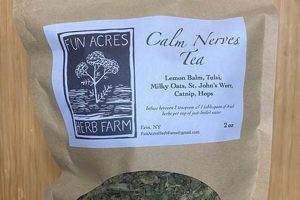
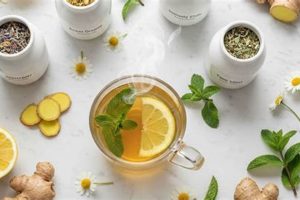
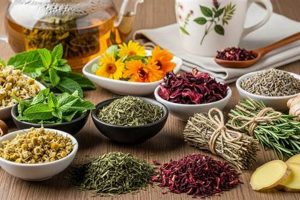
Infusions derived from plants, excluding Camellia sinensis, prepared and consumed with the intent to alleviate symptoms associated with illness, constitute a category of remedies with a long history. These beverages utilize the chemical compounds present in various plant parts to exert physiological effects. For instance, a beverage prepared with ginger may be ingested to address nausea.
The value of these botanical preparations stems from their potential to provide relief from a range of ailments, often with fewer adverse effects compared to pharmaceutical interventions. Traditional medical systems across the globe have historically relied on them, demonstrating an enduring belief in their therapeutic properties. The practice is rooted in generations of accumulated knowledge regarding the specific benefits of different plant species and their applications in promoting well-being during periods of diminished health.
The subsequent discussion will delve into specific plant-based infusions commonly employed to combat particular symptoms, examining their purported mechanisms of action, and highlighting considerations related to their preparation and consumption. Potential interactions and contraindications will also be addressed.
Practical Considerations for Plant-Based Infusions During Illness
The effective and safe utilization of plant-based infusions requires careful consideration of several key factors. These guidelines aim to maximize potential benefits while mitigating potential risks.
Tip 1: Precise Identification. Accurately identify the plant source. Misidentification can lead to ingestion of toxic substances. Consult with experienced herbalists or botanists when uncertainty exists.
Tip 2: Dosage and Concentration. Adhere to recommended dosage guidelines. Excessive consumption can result in adverse effects. Start with diluted preparations, gradually increasing concentration as tolerated.
Tip 3: Preparation Methods. Use appropriate preparation techniques, such as decoction or infusion, depending on the plant material. Decoction, involving boiling, is generally used for roots and bark, while infusion, using hot water, is suitable for leaves and flowers.
Tip 4: Source Quality. Obtain plant material from reputable sources that adhere to quality control standards. Ensure the absence of contaminants, such as pesticides or heavy metals.
Tip 5: Allergy Awareness. Exercise caution if known allergies to related plants exist. Conduct a patch test before consuming larger quantities to assess potential allergic reactions.
Tip 6: Medication Interactions. Be aware of potential interactions with pharmaceutical medications. Consult a healthcare professional to evaluate potential synergistic or antagonistic effects.
Tip 7: Hydration Maintenance. Supplement infusion consumption with adequate water intake. Some botanicals possess diuretic properties, potentially leading to dehydration.
By observing these guidelines, individuals can enhance the safety and efficacy of plant-derived remedies during periods of illness. Responsible usage maximizes the potential benefits while minimizing the risk of adverse reactions.
The subsequent section will provide detailed information on specific botanicals frequently used to address common ailments.
1. Plant Identification

The accurate identification of plants is paramount to the safe and effective use of botanical infusions for alleviating illness. Erroneous identification can lead to the ingestion of toxic species, resulting in adverse health consequences ranging from mild discomfort to life-threatening conditions. The therapeutic properties attributed to a specific infusion are directly linked to the unique chemical constituents present within that particular plant. Substitution with a different, even seemingly similar, plant can negate the intended benefits or introduce harmful substances. An example of such a risk is the mistaken use of foxglove ( Digitalis purpurea ) in place of comfrey ( Symphytum officinale ), where the former contains potent cardiac glycosides capable of causing severe cardiac arrhythmias.
The importance of precise plant identification extends beyond avoiding toxicity. Even amongst non-toxic plants, variations in chemical composition can significantly alter the therapeutic effects. For instance, different varieties of mint ( Mentha spp. ) possess varying concentrations of menthol and other volatile oils. Using the incorrect variety could render the infusion less effective for its intended purpose, such as easing digestive discomfort or clearing nasal congestion. Educational resources, field guides, and expert consultation are critical tools in ensuring correct identification. Herbarium specimens serve as physical references, and skilled botanists can provide confirmation in cases of doubt.
In summary, the relationship between plant identification and the safe utilization of botanical infusions for illness is one of direct causality. Accurate identification is not merely a desirable precaution; it is a fundamental prerequisite for ensuring both efficacy and safety. The challenges associated with plant identification underscore the need for caution, diligence, and the utilization of reliable resources to prevent potential harm and to harness the potential benefits that these natural remedies may offer.
2. Bioactive Compounds

The efficacy of plant-based infusions in addressing illness is fundamentally linked to the presence and activity of bioactive compounds. These compounds, synthesized naturally within the plant, exert a range of pharmacological effects on the human body. When plants are prepared as infusions, these substances are extracted into the water, making them readily available for absorption upon consumption. The therapeutic benefit, or lack thereof, is directly attributable to the specific types and concentrations of these constituents. For instance, the anti-inflammatory properties attributed to chamomile tea are primarily due to compounds such as apigenin, while the antiviral effects of elderberry infusions are associated with anthocyanins. The absence or degradation of these compounds would negate the expected therapeutic outcome.
The extraction process plays a crucial role in determining the bioavailability of bioactive compounds. Factors such as water temperature, steeping time, and the particle size of the plant material influence the quantity and type of compounds released into the infusion. For example, a higher water temperature might increase the extraction of certain compounds but simultaneously degrade others that are heat-sensitive. Furthermore, the solubility of the compounds determines their extent of extraction; some compounds are more readily soluble in water than others. Real-life application demonstrates the value of standardized extraction procedures to create reliable and reproducible infusions to ensure consistent therapeutic benefits.
In summary, bioactive compounds are the active agents that enable botanical infusions to elicit physiological responses relevant to illness management. Comprehending their nature, concentration, and the factors influencing their extraction is paramount to both the responsible preparation and the rational expectation of therapeutic benefits. Challenges remain in fully characterizing the complex interplay of multiple compounds within a single plant and in standardizing extraction methods to achieve predictable outcomes. Continued research is necessary to optimize the use of plant-derived infusions for therapeutic purposes.
3. Symptom Specificity

The selection of a botanical infusion for therapeutic purposes necessitates a precise alignment between the intended effect and the specific symptoms being addressed. Symptom specificity refers to the degree to which a particular botanical targets a specific set of physiological manifestations of illness. The effectiveness of plant-based remedies is maximized when the pharmacological properties of the infusion directly counteract the underlying mechanisms responsible for the presented symptoms.
- Targeted Action
Botanical infusions contain a diverse array of chemical compounds that interact with various biological pathways within the body. Symptom specificity requires that the dominant effects of these compounds align with the desired therapeutic outcome. For example, an infusion intended to alleviate insomnia should primarily contain compounds that promote sedation and relaxation, such as valerian root or chamomile. The presence of stimulating compounds would be counterproductive and negate the desired effect.
- Precision in Application
Real-world application demonstrates the importance of precision in selecting an infusion based on symptom profile. For instance, using an infusion traditionally used for cough suppression in a patient experiencing productive cough could be detrimental. Similarly, administering an infusion with diuretic properties to a patient already dehydrated could exacerbate the condition. A meticulous evaluation of the symptoms is necessary to ensure the infusion is appropriate for the individual’s condition.
- Variability in Response
Individual variability in response to botanical infusions introduces a degree of complexity. Factors such as genetics, age, underlying health conditions, and concurrent medication use can influence the extent to which an individual responds to a particular infusion. What is effective for one person may be ineffective or even harmful for another. Therefore, symptom specificity must be considered in conjunction with a thorough understanding of the individual’s unique circumstances.
- Potential for Misdirection
While an herbal remedy may show great effectiveness for a range of symptoms, it can also mask underlying illnesses which can be a potential for misdirection that delays more focused treatment. Choosing an improper herbal tea for sickness may show effectivity but, it does not deal with the illness in the long run. It is important to know the details of the effect of the remedy for the disease and treatment for it.
In summary, the concept of symptom specificity underscores the importance of a deliberate and informed approach to selecting botanical infusions for therapeutic purposes. A successful intervention necessitates a clear understanding of the intended actions of the infusion, a meticulous evaluation of the presenting symptoms, and a careful consideration of individual patient factors. Failure to adhere to these principles can diminish the potential benefits and potentially lead to adverse outcomes. It is important to consult with a healthcare professional to ensure the correct treatment for your sickness.
4. Preparation Methods

The preparation methods employed in creating botanical infusions exert a profound influence on the chemical composition and, consequently, the therapeutic potential of the final product. Variations in technique directly impact the extraction of bioactive compounds, affecting both the concentration and profile of active constituents. The following details outline key facets of preparation impacting the quality and efficacy of “herbal tea for sickness”.
- Water Temperature
Water temperature significantly affects the solubility and stability of plant-derived compounds. Excessive heat can degrade delicate volatile oils and thermolabile compounds, diminishing their therapeutic value. Insufficiently heated water may fail to extract the desired constituents effectively. The optimal temperature varies depending on the plant material; delicate flowers and leaves typically require lower temperatures than roots and barks.
- Steeping Time
The duration of steeping directly influences the extent of compound extraction. Insufficient steeping may result in an under-extracted infusion lacking the full therapeutic potential, while prolonged steeping can lead to the release of undesirable compounds, such as tannins, which impart a bitter taste and may interfere with the absorption of beneficial constituents. The ideal steeping time depends on the plant material and the desired therapeutic effect.
- Plant Material Preparation
The physical form of the plant material affects the surface area exposed to the water and, therefore, the efficiency of extraction. Coarsely ground or chopped material generally yields a slower, more controlled extraction compared to finely powdered material, which can result in a rapid but potentially incomplete extraction. The choice of preparation method should consider the density and structure of the plant material.
- Water Quality
The mineral content and pH of the water used for infusion can influence the extraction and stability of certain plant-derived compounds. Hard water, containing high levels of minerals, may interfere with the solubility of some compounds, while acidic water can promote the degradation of others. Filtered or purified water is generally recommended to ensure consistent and predictable results.
In summary, meticulous attention to preparation methods is crucial for maximizing the therapeutic benefits of plant-based infusions. These considerations, from water temperature to plant material preparation, collectively determine the chemical composition and overall effectiveness of the remedy. Improper preparation can undermine the therapeutic potential, highlighting the need for standardized protocols and informed practices. To attain its medical purpose, follow a strict preparation methods.
5. Dosage Control
Dosage control is a critical determinant in the safety and efficacy of plant-based infusions employed for therapeutic purposes. The physiological effects elicited by these remedies are directly related to the concentration of bioactive compounds ingested. Insufficient dosage may render the infusion ineffective, failing to produce the desired alleviation of symptoms. Conversely, excessive dosage can lead to adverse effects, ranging from mild gastrointestinal discomfort to severe toxicological reactions. The therapeutic window, representing the range between ineffective and toxic doses, varies significantly depending on the plant species, the specific chemical constituents involved, and individual patient factors. For example, chamomile, when administered in low concentrations, may promote relaxation, while excessive consumption can paradoxically induce anxiety or gastrointestinal distress.
The implementation of precise dosage control necessitates a multifaceted approach. This entails accurate plant identification, standardized preparation techniques, and careful consideration of individual patient characteristics. Plant identification ensures that the correct species, with its associated chemical profile, is utilized. Standardized preparation methods, such as controlled steeping times and water temperatures, contribute to consistent extraction of bioactive compounds. Consideration of individual factors, including age, weight, medical history, and concurrent medication use, enables dosage adjustments to minimize the risk of adverse reactions. The common example of peppermint infusion intended to alleviate digestive discomfort may trigger heartburn in individuals with pre-existing gastroesophageal reflux disease, highlighting the importance of individualized dosage adjustments. The knowledge of potential side-effects and a deep understanding of human physiology and biology in connection to the chemical components of a tea.
In summary, dosage control represents a cornerstone of safe and effective use of botanical infusions for managing illness. The relationship between dosage and therapeutic outcome is non-linear, with both insufficient and excessive doses potentially leading to undesirable consequences. A combination of accurate plant identification, standardized preparation methods, and individualized patient assessment is essential for optimizing therapeutic benefits and minimizing the risk of adverse effects. The lack of standardized dosing guidelines for many herbal remedies remains a challenge, necessitating caution and professional guidance. The effects of herbal tea for sickness may vary depending on the quantity, proper use and biological adaptation to the substance. A doctor or trusted healthcare provider is still best to contact.
6. Potential Interactions

The consumption of botanical infusions, while often perceived as a benign practice, carries the potential for interactions with prescription medications, over-the-counter drugs, and even other herbal supplements. These interactions can manifest in various ways, including altered drug metabolism, enhanced or diminished therapeutic effects, and increased risk of adverse events. The complexity arises from the diverse array of bioactive compounds present in plant materials, which can interfere with enzymatic pathways responsible for drug absorption, distribution, metabolism, and excretion. The co-administration of St. John’s Wort, for instance, a common herbal remedy for depression, with selective serotonin reuptake inhibitors (SSRIs) can lead to serotonin syndrome, a potentially life-threatening condition characterized by agitation, confusion, and autonomic instability. Understanding these potential interactions is a crucial element of the safe use of plant-based infusions.
The mechanisms underlying these interactions are multifaceted. Certain plant compounds can inhibit or induce cytochrome P450 enzymes, a family of enzymes primarily responsible for metabolizing drugs in the liver. Inhibition of these enzymes can lead to increased drug concentrations, prolonging their effects and increasing the risk of toxicity. Conversely, induction of these enzymes can accelerate drug metabolism, reducing drug concentrations and diminishing their therapeutic efficacy. Further, some herbal constituents may directly interact with drug targets, either enhancing or antagonizing their effects. Coumarin-containing botanicals, such as sweet clover, possess anticoagulant properties and may potentiate the effects of warfarin, increasing the risk of bleeding. The potential for interactions extends beyond pharmaceutical drugs. Certain herbal combinations can result in additive or synergistic effects, increasing the likelihood of adverse events.
In summary, the concurrent use of botanical infusions and pharmaceutical medications necessitates careful consideration of potential interactions. The risk of adverse outcomes can be mitigated through a comprehensive review of the patient’s medication history, including all prescription drugs, over-the-counter medications, and herbal supplements. Healthcare providers should actively inquire about the use of herbal remedies and educate patients about the potential risks. Pharmacovigilance programs play a vital role in identifying and characterizing these interactions, providing valuable information for healthcare professionals and patients. It is important to consult with doctors or healthcare professionals about the specific herbal tea for sickness to avoid unwanted potential interactions.
Frequently Asked Questions
This section addresses common inquiries regarding the use of botanical infusions for alleviating symptoms of illness. The information presented aims to provide clarity and guidance based on current understanding.
Question 1: Is “herbal tea for sickness” a substitute for conventional medical treatment?
No. Plant-based infusions should not be considered a replacement for professionally prescribed medical interventions. They may serve as a complementary approach to symptom management but are not intended to treat underlying medical conditions. Consultation with a qualified healthcare professional is essential for accurate diagnosis and appropriate treatment planning.
Question 2: What constitutes a “safe” dosage of “herbal tea for sickness”?
Dosage recommendations vary depending on the specific plant species, the concentration of bioactive compounds, and individual physiological factors. General guidelines may be available, but adherence to these should be approached with caution. Exceeding recommended dosages can lead to adverse effects. Professional guidance from a qualified herbalist or healthcare provider is advisable to determine an appropriate dosage.
Question 3: How can one ascertain the purity and authenticity of “herbal tea for sickness”?
The sourcing of botanical materials from reputable suppliers is crucial. These suppliers should adhere to quality control standards, ensuring the absence of contaminants such as pesticides, heavy metals, and adulterants. Third-party testing can provide further assurance of product purity and authenticity. Visual inspection and sensory evaluation of the material can also offer clues, but laboratory analysis is the most reliable method.
Question 4: Are there specific populations who should avoid “herbal tea for sickness”?
Certain populations should exercise caution or avoid the use of botanical infusions altogether. Pregnant and breastfeeding women, infants, young children, and individuals with pre-existing medical conditions, such as liver or kidney disease, may be at increased risk of adverse effects. Individuals taking prescription medications should consult with a healthcare professional to assess potential interactions.
Question 5: How quickly should one expect to experience therapeutic effects from “herbal tea for sickness”?
The onset of therapeutic effects varies depending on the specific plant species, the severity of symptoms, and individual physiological factors. Some infusions may provide rapid relief of acute symptoms, while others may require prolonged use to achieve noticeable benefits. If symptoms persist or worsen, medical evaluation is warranted.
Question 6: What are the most common side effects associated with “herbal tea for sickness”?
Potential side effects vary depending on the specific plant species. Common adverse reactions include gastrointestinal upset, allergic reactions, and interactions with medications. Severe side effects are possible, but less frequent. Discontinuation of use and consultation with a healthcare professional are recommended if adverse symptoms occur.
In conclusion, the information presented provides a general overview of important considerations regarding the use of plant-based infusions for symptom management. Responsible utilization necessitates careful attention to sourcing, dosage, potential interactions, and individual health factors. Professional guidance from qualified healthcare providers is highly recommended.
The subsequent section will summarize key takeaways and provide concluding remarks.
Conclusion
This exploration has addressed the use of botanical infusions to mitigate symptoms associated with illness. Key considerations include the accurate identification of plant species, an understanding of bioactive compounds, the necessity of symptom specificity, the importance of proper preparation methods, the need for dosage control, and the potential for interactions with medications or pre-existing conditions. Plant-derived infusions, while possessing a long history of traditional use, are not without potential risks. Their efficacy and safety are contingent upon a responsible and informed approach.
The information presented serves as a foundation for further inquiry and discussion. The responsible utilization of plant-based remedies requires diligence, prudence, and when appropriate, the guidance of qualified healthcare professionals. Further research into the efficacy and safety of individual botanical species, combined with standardized preparation and dosage guidelines, will contribute to a more evidence-based approach to their use in supporting health and well-being. Seeking medical advice or treatment is still highly advised.