The application of botanicals to address skin conditions characterized by inflammation and lesions represents a longstanding approach to dermatological care. These treatments, derived from plant sources, are intended to alleviate the symptoms and underlying causes of blemishes and related skin problems. For example, tea tree oil, known for its antimicrobial properties, is often used topically to reduce bacterial presence on the skin.
Utilizing plants for dermatological wellness has a rich history across various cultures. The potential advantages lie in the availability of natural compounds that may offer anti-inflammatory, antibacterial, or antioxidant effects. These natural treatments are seen by some as a gentler alternative to conventional pharmaceuticals, potentially minimizing adverse reactions and supporting overall skin health. Early uses have been traced back centuries in traditional medicine system.
An exploration of specific botanical options, their mechanisms of action, evidence supporting their effectiveness, and potential risks are crucial for individuals seeking alternative or complementary approaches to managing skin conditions. This article will delve into various options, examining scientific evidence and considerations for their appropriate use.
Important Considerations
Careful selection and appropriate usage are crucial for achieving optimal results and minimizing potential adverse effects when considering plant-derived solutions for skin conditions. Individuals should approach these options with a comprehensive understanding of their properties and potential interactions.
Tip 1: Research Specific Botanicals. Thoroughly investigate the properties and traditional uses of any plant-derived substance intended for topical application. Focus on understanding its potential benefits, contraindications, and documented side effects.
Tip 2: Perform a Patch Test. Prior to widespread application, conduct a small-scale test on a discreet area of skin. Observe for any signs of irritation, redness, or allergic reaction over a 24-48 hour period.
Tip 3: Choose Reputable Sources. Procure plant-derived products from established and reliable suppliers. Ensure that the products are properly sourced, processed, and tested for purity and potency.
Tip 4: Follow Dilution Guidelines. Adhere strictly to recommended dilution ratios, particularly for essential oils or concentrated extracts. Overuse can lead to skin sensitivity or adverse reactions.
Tip 5: Be Mindful of Interactions. Consider potential interactions with other topical medications or systemic treatments. Consult with a qualified healthcare professional if combining plant-derived options with existing therapies.
Tip 6: Monitor Skin Response. Regularly assess the skin’s response to plant-derived applications. Discontinue use immediately if any adverse effects are observed and seek professional medical advice.
Tip 7: Maintain Realistic Expectations. Understand that plant-derived treatments may require consistent and prolonged use to achieve noticeable results. Individual responses may vary.
The successful integration of plant-derived treatments into a skincare regimen depends on informed decision-making, responsible usage, and close monitoring of the skin’s response. While some reports has shown improvement it still requires long and consistence use.
The following section will address potential risks and contraindications associated with specific plant-derived substances commonly used in dermatological care.
1. Anti-inflammatory Properties

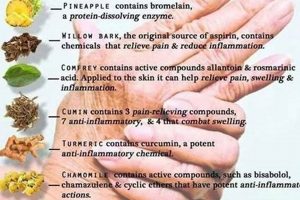
The reduction of inflammation is a critical component in addressing skin conditions. Many plant-derived treatments exert their beneficial effects through the modulation of inflammatory pathways within the skin. Inflammation contributes directly to the formation and persistence of lesions by triggering redness, swelling, and pain. By targeting this inflammatory response, plant-derived substances can alleviate symptoms and potentially prevent the progression of outbreaks. For example, chamomile, containing compounds like chamazulene, has demonstrated the ability to inhibit the release of inflammatory mediators, thus reducing skin irritation.
The efficacy of plant-derived solutions in addressing inflammatory responses is often linked to their bioactive compounds. These compounds interact with cellular targets, such as enzymes and receptors, involved in the inflammatory cascade. The suppression of pro-inflammatory molecules, like cytokines and prostaglandins, is a common mechanism through which plant-derived treatments exert their influence. Furthermore, anti-inflammatory action can reduce tissue damage and promote healing, minimizing the risk of scarring. Aloevera example can effectively reduce the redness and swelling associated with breakouts due to the presence of compounds like polysaccharides and antioxidants.
The strategic application of substances with anti-inflammatory properties represents a valuable approach to managing skin conditions. By mitigating inflammatory processes, these options can contribute to symptom relief, improved skin appearance, and reduced risk of long-term complications. However, the specific mechanisms and effectiveness of individual botanical options may vary. Consequently, a comprehensive understanding of their properties and potential limitations is essential for informed decision-making and responsible usage.
2. Antimicrobial Action

The proliferation of Cutibacterium acnes (C. acnes), a bacterium residing within skin follicles, is a significant contributing factor in the development of skin conditions. Addressing this bacterial overgrowth is a critical target in managing acne. Various plant-derived treatments possess antimicrobial properties that can inhibit the growth of C. acnes and other skin pathogens, thereby reducing inflammation and lesion formation.
- Inhibition of Bacterial Growth
Certain plant extracts and essential oils contain compounds that directly inhibit the growth and reproduction of C. acnes. For instance, tea tree oil, containing terpinen-4-ol, disrupts bacterial cell membranes, leading to cell death. This action reduces the bacterial load on the skin, minimizing the likelihood of outbreaks.
- Disruption of Biofilm Formation
C. acnes can form biofilms, which are communities of bacteria encased in a protective matrix. Biofilms are more resistant to conventional treatments. Some botanicals, such as rosemary extract, have demonstrated the ability to disrupt biofilm formation, making the bacteria more susceptible to antimicrobial agents.
- Reduction of Inflammation Triggered by Bacteria
Bacterial presence can trigger inflammatory responses in the skin, exacerbating lesions. Certain plant-derived compounds, like those found in green tea, possess both antimicrobial and anti-inflammatory properties. They inhibit bacterial growth while simultaneously reducing the inflammatory response, promoting faster healing.
- Prevention of Secondary Infections
Compromised skin barriers due to breakouts are vulnerable to secondary infections by other bacteria. Some plant-derived treatments exhibit broad-spectrum antimicrobial activity, protecting against a wider range of potential pathogens. This action minimizes the risk of complications and promotes overall skin health.
The integration of plant-derived substances with antimicrobial activity into a skincare regimen can offer a multifaceted approach to managing skin conditions. By inhibiting bacterial growth, disrupting biofilms, reducing inflammation, and preventing secondary infections, these substances can contribute to clearer, healthier skin. However, sensitivity testing and careful monitoring are essential to minimize the risk of adverse reactions.
3. Skin Barrier Support

The integrity of the skin barrier is paramount in maintaining overall skin health and managing conditions like acne. A compromised barrier can exacerbate inflammation, increase susceptibility to bacterial infections, and impede healing processes. Plant-derived treatments can play a significant role in supporting and restoring this essential barrier function.
- Ceramide Enhancement
Ceramides, essential lipids that constitute the skin barrier, are crucial for retaining moisture and preventing the entry of irritants. Certain herbal extracts, such as those derived from oats, can stimulate ceramide production, thereby strengthening the barrier. A fortified barrier reduces transepidermal water loss (TEWL), preventing dryness and irritation. For example, topical application of oat extract has demonstrated improved skin hydration and reduced inflammation in individuals with compromised skin barriers.
- Emollient and Occlusive Properties
Emollients soften the skin by filling in gaps between skin cells, while occlusives create a protective layer that prevents moisture loss. Plant oils, such as jojoba and shea butter, possess both emollient and occlusive properties. Jojoba oil mimics the skin’s natural sebum, providing hydration without clogging pores. Shea butter forms a protective barrier, reducing TEWL and shielding the skin from environmental aggressors. These properties are valuable in managing acne-prone skin, which is often subjected to harsh treatments that can compromise the barrier.
- Antioxidant Protection
Free radicals, generated by environmental factors and inflammatory processes, can damage the skin barrier. Antioxidants neutralize these free radicals, protecting the barrier from oxidative stress. Green tea extract, rich in polyphenols, provides antioxidant protection, preventing barrier damage and promoting healing. Topical application of green tea extract has been shown to reduce inflammation and improve skin barrier function in individuals with various skin conditions.
- pH Balance Regulation
Maintaining an optimal skin pH (around 5.5) is essential for barrier function. Alkaline environments can disrupt the skin’s natural enzymes and lipid structure. Certain plant-derived substances, such as apple cider vinegar (when properly diluted), can help restore and maintain the skin’s pH balance. By regulating pH, these substances support the enzymes involved in lipid synthesis and barrier repair.
The multifaceted approach of plant-derived treatments in supporting the skin barrier is crucial for managing skin conditions. By enhancing ceramide production, providing emollient and occlusive properties, offering antioxidant protection, and regulating pH balance, these treatments can contribute to a stronger, healthier barrier. This, in turn, reduces inflammation, minimizes bacterial infections, and promotes effective healing within an skincare approach.
4. Scarring Reduction

The potential for scar formation following acne outbreaks represents a significant concern for individuals seeking to manage this dermatological condition. Plant-derived treatments offer a potential avenue for minimizing scar development through various mechanisms aimed at promoting tissue regeneration and reducing inflammation.
- Collagen Synthesis Promotion
Collagen, a structural protein essential for skin integrity, plays a crucial role in wound healing and scar formation. Certain botanicals, such as Centella asiatica (Gotu Kola), stimulate collagen synthesis, leading to improved tissue repair and reduced scar visibility. Compounds within Centella asiatica enhance fibroblast activity, resulting in increased collagen production at the site of the lesion. This effect promotes a more organized and less pronounced scar.
- Anti-Inflammatory Action During Healing
Inflammation during the healing process can contribute to excessive collagen deposition, leading to hypertrophic scars or keloids. Plant-derived treatments with anti-inflammatory properties can modulate this inflammatory response, promoting a more balanced healing process. Aloe vera, for example, contains compounds that suppress the production of pro-inflammatory cytokines, reducing the likelihood of excessive scarring.
- Antioxidant Protection of New Tissue
Newly formed tissue is particularly vulnerable to oxidative stress, which can disrupt the healing process and contribute to abnormal scar formation. Antioxidant-rich plant extracts, such as those from green tea or rosehip, protect new tissue from oxidative damage, promoting healthy regeneration and reducing the risk of scarring. These antioxidants scavenge free radicals, preventing cellular damage and supporting optimal healing conditions.
- Enhancement of Skin Cell Turnover
Promoting the turnover of skin cells can aid in the removal of damaged tissue and the formation of new, healthy skin. Certain plant-derived exfoliants, such as willow bark extract (a natural source of salicylic acid), gently remove dead skin cells, stimulating cell renewal and reducing the appearance of scars. This process encourages the formation of new collagen and elastin fibers, improving skin texture and reducing scar prominence.
The potential of plant-derived treatments to minimize acne scarring stems from their multifaceted effects on collagen synthesis, inflammation modulation, antioxidant protection, and skin cell turnover. Integrating these remedies into a skincare regimen can support tissue regeneration and reduce the long-term impact of acne lesions. However, it’s essential to consider the type and severity of scarring, as well as individual skin sensitivities, when selecting and using these treatments.
5. Potential Side Effects

The application of botanicals for the management of skin conditions, while often perceived as gentler than conventional treatments, carries inherent risks of adverse reactions. The phrase, “potential side effects,” underscores the critical need for informed decision-making when considering plant-derived remedies for skin conditions. These adverse effects can range from mild irritations to severe allergic reactions, depending on the individual’s sensitivity, the specific botanical used, and the method of application.
A primary cause of side effects stems from the complex chemical composition of plant extracts. While certain compounds within these extracts may possess therapeutic properties, others can act as irritants or allergens. For instance, tea tree oil, renowned for its antimicrobial properties, can induce contact dermatitis in some individuals. Similarly, the use of concentrated essential oils without proper dilution can lead to skin burns or sensitization. Another example is arnica, which has been linked to allergic reactions. It is essential to understand that the term “natural” does not equate to “safe” or “universally tolerated.” The practical significance of recognizing potential side effects lies in the ability to mitigate risks through patch testing, proper dilution, and procurement of products from reputable sources.
In conclusion, the acknowledgment of “potential side effects” is an indispensable component of any discussion surrounding plant-derived treatments for skin conditions. Vigilance, comprehensive research, and adherence to safety guidelines are essential for maximizing the benefits while minimizing the risks associated with these remedies. Ignoring the possibility of adverse reactions can lead to unnecessary discomfort and, in severe cases, necessitate medical intervention. The integration of plant-derived treatments into a skincare regimen should be undertaken with a complete understanding of their properties and potential hazards.
Frequently Asked Questions
This section addresses common inquiries and clarifies prevalent misconceptions concerning the application of botanicals to manage skin conditions. The information provided aims to promote informed decision-making regarding complementary and alternative treatments.
Question 1: Are plant-derived treatments universally effective for all types of skin conditions?
The efficacy of botanicals varies significantly depending on the specific skin condition, its severity, and individual responses. Plant-derived solutions may offer relief for mild to moderate cases, but severe or persistent conditions typically necessitate conventional medical interventions.
Question 2: Is “natural” synonymous with “safe” when considering plant-derived treatments?
The designation “natural” does not guarantee safety. Some botanicals contain potent compounds that can induce allergic reactions, skin irritation, or interact negatively with other medications. Thorough research and patch testing are essential to mitigate risks.
Question 3: How long does it typically take to observe noticeable improvements with plant-derived treatments?
The timeline for visible improvements can vary widely. Unlike conventional treatments, plant-derived options often require consistent and prolonged use (several weeks or months) to yield noticeable results. Patience and realistic expectations are crucial.
Question 4: Can plant-derived treatments be combined with conventional medications?
The concurrent use of plant-derived treatments and conventional medications carries the potential for interactions. Consultation with a qualified healthcare professional is imperative to ensure safety and avoid adverse effects.
Question 5: Are all commercially available plant-derived products subject to rigorous quality control standards?
Quality control standards for plant-derived products can vary significantly. It is essential to source products from reputable manufacturers who adhere to Good Manufacturing Practices (GMP) and provide transparent information regarding sourcing, processing, and testing.
Question 6: Are plant-derived treatments a suitable substitute for professional medical advice?
Plant-derived treatments should not be considered a replacement for professional medical advice. A qualified dermatologist or healthcare provider can offer accurate diagnoses, evidence-based treatment options, and personalized recommendations tailored to individual needs.
Plant-derived treatments can play a beneficial role in overall management, they are not always effective and has potential risk.
This discussion has provided essential information concerning the usage of plant-derived treatments for the management of skin condition. The following section will address other approaches to support healthy skin.
Herbal Remedies for Acne
The preceding exploration has detailed the potential role of botanical treatments in managing skin conditions. From anti-inflammatory to antimicrobial actions, these natural options offer multifaceted support for skin health. However, the importance of informed decision-making, diligent research, and a thorough understanding of potential side effects cannot be overstated. Individual responses vary, and plant-derived solutions are not a substitute for professional medical advice.
The pursuit of clear, healthy skin necessitates a comprehensive approach. While botanical treatments may complement conventional therapies, their integration requires careful consideration and ongoing monitoring. Individuals must prioritize safety, consult with healthcare professionals, and maintain realistic expectations. Further research is warranted to fully elucidate the efficacy and long-term impact of plant-derived options in dermatological care.