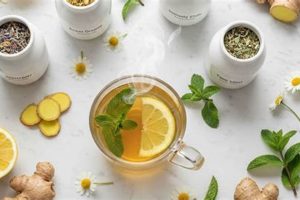
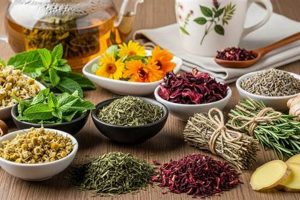
Floral infusions, crafted from the blossoms of various herbs, provide a flavorful and aromatic beverage. These infusions offer a caffeine-free alternative to traditional teas and coffees. Common examples include chamomile, lavender, and hibiscus, each lending unique characteristics to the resulting drink.
The consumption of these botanical beverages extends back centuries, valued not only for their palatability but also for perceived wellness properties. Historically, different cultures have utilized specific blossoms to promote relaxation, aid digestion, or support immune function. Their preparation and enjoyment are often intertwined with cultural traditions and ritualistic practices.
The following sections will delve deeper into the selection, preparation, and potential therapeutic applications of these floral beverages, offering a guide to their responsible and informed consumption.
Tips for Optimal Floral Infusion Enjoyment
Achieving the best possible experience requires careful consideration of several key factors. The following guidelines are designed to enhance both the flavor and potential benefits of your chosen floral beverage.
Tip 1: Source Quality Blossoms: The origin and handling of the blossoms significantly impact the final product. Opt for suppliers known for their commitment to sustainable harvesting and proper drying techniques to ensure maximum flavor and potency.
Tip 2: Master Water Temperature Control: Different blossoms require specific water temperatures for optimal extraction. Consult resources to determine the ideal temperature range for your chosen infusion. Overly hot water can scorch delicate blossoms, resulting in a bitter taste.
Tip 3: Adhere to Recommended Steeping Times: Steeping time directly affects the strength and flavor profile of the infusion. Exceeding the recommended time can lead to an overly bitter or astringent taste, while insufficient steeping may result in a weak and underwhelming beverage.
Tip 4: Utilize Appropriate Filtration Methods: Fine mesh strainers or muslin cloths are recommended to prevent small particles from ending up in the final beverage. This ensures a smoother and more pleasant drinking experience.
Tip 5: Store Blossoms Properly: To maintain freshness and potency, store dried blossoms in airtight containers away from direct sunlight, heat, and moisture. Properly stored blossoms will retain their flavor and aroma for an extended period.
Tip 6: Experiment with Blends: Do not hesitate to combine different blossoms or add complementary ingredients such as citrus peels or spices to create unique and personalized flavor profiles. Careful experimentation can yield unexpected and delightful results.
Tip 7: Consider Potential Interactions: While generally safe, some blossoms may interact with certain medications or have contraindications for specific health conditions. Consult a healthcare professional if you have any concerns regarding potential interactions.
By following these guidelines, one can ensure a flavorful, aromatic, and potentially beneficial experience with floral infusions.
The concluding section will provide additional resources and guidance for further exploration of these captivating botanical beverages.
1. Floral Variety

The efficacy and character of botanical beverages are fundamentally determined by the specific floral variety employed. Distinct species possess unique chemical compositions, influencing the resulting infusion’s flavor, aroma, and potential therapeutic properties. The selection of a particular blossom represents a crucial initial step in the creation of these herbal concoctions.
Consider, for example, the divergent profiles of chamomile and hibiscus infusions. Chamomile, derived from Matricaria chamomilla, is widely recognized for its calming and anxiolytic properties, attributed to compounds such as apigenin. Its infusion exhibits a mild, slightly sweet flavor with floral notes. Conversely, hibiscus, typically Hibiscus sabdariffa, produces a tart, vibrantly colored infusion rich in antioxidants, with documented potential for supporting cardiovascular health. These examples underscore the direct and significant impact of the chosen floral variety.
Understanding the implications of floral selection allows for targeted beverage creation. Informed consumers can choose blossoms based on desired flavor profiles or intended health benefits. Moreover, appreciating the distinct characteristics inherent in different varieties fosters a deeper engagement with the tradition of botanical infusions, transforming the experience from mere consumption to a mindful practice. Furthermore, inappropriate or misidentified floral varieties may lead to undesirable effects, emphasizing the importance of accurate species identification and sourcing.
2. Brewing Technique

Brewing technique is paramount in extracting the desired flavors and beneficial compounds from botanical materials. The method employed directly influences the chemical composition of the resulting infusion, thereby impacting both its taste profile and potential therapeutic effects. Proper brewing is essential for maximizing the benefits and minimizing any potential drawbacks associated with consumption.
- Water Temperature
Water temperature is a critical determinant of the extraction process. Different botanical materials release their constituents optimally within specific temperature ranges. Excessive heat can degrade delicate aromatic compounds, leading to a bitter or astringent taste, while insufficient heat may result in a weak and flavorless infusion. Precise temperature control is therefore essential for achieving the desired sensory and chemical profile.
- Steeping Time
Steeping time governs the extent to which soluble compounds are extracted from the blossoms. Prolonged steeping can over-extract tannins and other undesirable components, resulting in a bitter and unpleasant taste. Conversely, insufficient steeping may fail to fully extract the desired flavors and therapeutic compounds. The optimal steeping time varies depending on the specific blossom and desired strength of the infusion.
- Water Quality
The quality of the water used in brewing directly impacts the taste and appearance of the final infusion. Hard water, containing high mineral concentrations, can alter the flavor profile and inhibit the extraction of certain compounds. Filtered or spring water is generally recommended to ensure a clean and unadulterated taste. The presence of chlorine or other chemicals in tap water can also negatively affect the flavor and aroma of the infusion.
- Material-to-Water Ratio
The ratio of botanical material to water influences the strength and concentration of the resulting infusion. Using too little material will result in a weak and watery beverage, while using too much can lead to an overly strong and potentially bitter infusion. Adhering to recommended ratios, typically specified by the blossom vendor or brewing guide, is essential for achieving a balanced and flavorful product.
Effective brewing technique is not merely a matter of following instructions; it requires a nuanced understanding of the interplay between water, temperature, time, and botanical material. By carefully controlling these variables, it is possible to tailor the brewing process to extract the maximum flavor and benefits from a given botanical preparation, while mitigating any potential negative consequences. The proper execution of these techniques ensures that the full potential of each floral variety is realized, leading to a more satisfying and beneficial experience.
3. Aromatic Profile
The aromatic profile constitutes a defining characteristic of floral infusions, directly influencing consumer perception and contributing significantly to the overall sensory experience. The volatile compounds present in the blossoms, released during the infusion process, create a complex olfactory signature that differentiates one botanical beverage from another. This aromatic complexity is a direct consequence of the plant’s inherent biochemical composition and is subject to modulation by factors such as cultivation practices, drying methods, and storage conditions. Consider the stark contrast between the calming, subtly sweet fragrance of chamomile and the invigorating, citrusy aroma of lemon verbena. These divergent olfactory experiences are integral to the distinct perceived benefits and usage occasions associated with each infusion.
The importance of the aromatic profile extends beyond mere sensory gratification. Specific volatile compounds, responsible for characteristic scents, also possess documented therapeutic properties. For example, linalool, a prevalent component of lavender aroma, exhibits anxiolytic and sedative effects, contributing to the plant’s reputation as a sleep aid. Similarly, the characteristic aroma of peppermint, derived from menthol and other volatile oils, is associated with decongestant and digestive aid properties. Accurate assessment of the aromatic profile, therefore, serves as a preliminary indicator of an infusion’s potential therapeutic benefits, guiding informed selection and consumption.
In summary, the aromatic profile is an indispensable aspect of floral infusions, shaping both sensory experience and potential therapeutic benefits. Cultivation practices, drying methods, and storage conditions all contribute to the aromatic signature of these beverages. Understanding and appreciating the complexities of the aromatic profile, consumers can make informed choices and maximize the enjoyment and potential advantages of these herbal preparations.
4. Therapeutic Potential

The therapeutic potential of botanical infusions derived from various floral sources is a complex and evolving area of study. The historical use of specific blooms for medicinal purposes suggests inherent value; however, rigorous scientific validation is often necessary to substantiate traditional claims and to establish safe and effective usage guidelines.
- Anti-inflammatory Properties
Many floral infusions exhibit anti-inflammatory effects attributed to the presence of various bioactive compounds, such as flavonoids and polyphenols. Chamomile, for example, contains apigenin, which has demonstrated anti-inflammatory activity in vitro and in vivo. These properties suggest potential applications in managing inflammatory conditions, although further research is required to confirm efficacy and optimal dosage in humans. Evidence is accruing, but robust, large-scale clinical trials remain a critical need.
- Anxiolytic and Sedative Effects
Certain floral varieties are traditionally used to alleviate anxiety and promote relaxation. Lavender, rich in linalool and linalyl acetate, is widely recognized for its anxiolytic properties. These compounds interact with neurotransmitter systems in the brain, potentially reducing anxiety and improving sleep quality. While many individuals report subjective benefits, controlled studies are essential to determine the specific mechanisms of action and to identify the most effective preparations and dosages.
- Antioxidant Capacity
Many blossoms are rich sources of antioxidants, substances that neutralize free radicals and protect cells from oxidative damage. Hibiscus, with its high concentration of anthocyanins, exhibits particularly strong antioxidant activity. Consumption of antioxidant-rich infusions may contribute to overall health and potentially reduce the risk of chronic diseases, but these effects are complex and depend on a multitude of factors including individual physiology and dietary habits.
- Digestive Support
Some floral infusions are traditionally used to aid digestion and alleviate gastrointestinal discomfort. Peppermint, for example, contains menthol, which has antispasmodic properties and may help to relieve bloating and indigestion. Ginger blossoms may also provide digestive benefits, although research in this area is still emerging. The mechanisms underlying these effects are complex and likely involve multiple pathways, including modulation of gastrointestinal motility and reduction of inflammation.
The therapeutic potential associated with floral infusions is undeniably multifaceted, and ongoing research continues to reveal new insights into the bioactive compounds present in various blossoms and their effects on human health. While traditional uses provide valuable historical context, rigorous scientific investigation is essential to validate claims, establish safe usage guidelines, and fully elucidate the therapeutic capabilities of these botanical beverages.
5. Storage Longevity

Storage longevity represents a critical factor influencing the quality and efficacy of botanical infusions derived from floral materials. The inherent properties of these blossoms, specifically their volatile oil content and susceptibility to degradation, necessitate careful storage practices to maintain their desired aromatic and therapeutic characteristics. Improper storage can lead to diminished flavor, reduced potency, and potentially, the development of undesirable compounds, thereby compromising the overall quality of the intended beverage. The causal link between proper storage and the preservation of beneficial constituents is direct and significant.
The preservation of these floral products hinges on mitigating factors that promote degradation. Exposure to light, heat, and moisture accelerates the breakdown of volatile oils and other sensitive compounds. For instance, chamomile blossoms stored in transparent containers under direct sunlight will experience a rapid decline in their characteristic aroma and potentially, a reduction in their anxiolytic properties. In contrast, storage in airtight, opaque containers, kept in cool, dark environments, significantly extends the shelf life and preserves the integrity of the blossoms. Examples from commercial settings reveal that suppliers adhering to stringent storage protocols consistently provide products with superior flavor and potency compared to those neglecting these measures. The practical significance lies in the consumer’s ability to obtain a consistent and reliable product, maximizing both sensory enjoyment and potential health benefits.
In summary, storage longevity is not merely a peripheral concern but an integral component of ensuring the quality and therapeutic value of floral infusions. Challenges remain in educating consumers about optimal storage practices and in developing cost-effective packaging solutions that effectively protect delicate blossoms from environmental degradation. However, recognizing the direct connection between storage conditions and the preservation of desirable characteristics is paramount for both suppliers and consumers seeking to maximize the benefits of these botanical beverages.
Frequently Asked Questions About Herbal Tea Flowers
The following section addresses common inquiries regarding floral infusions, providing information to promote informed consumption and dispel potential misconceptions.
Question 1: What is the appropriate method for preparing herbal tea flowers?
The preparation method depends on the specific blossom. Generally, the use of near-boiling water (around 200-212F or 93-100C) is recommended. Steeping time varies, typically ranging from 5-10 minutes. Consult specific guidelines for the particular floral variety to optimize flavor and potential benefits.
Question 2: Are there any potential side effects associated with consuming floral infusions?
While generally safe, some individuals may experience adverse reactions. Certain blossoms can interact with medications, and others may be unsuitable for pregnant or breastfeeding individuals. Researching the specific floral variety and consulting a healthcare professional is advisable prior to regular consumption.
Question 3: How can one ensure the quality and authenticity of floral infusions?
Sourcing blossoms from reputable suppliers known for sustainable harvesting practices and rigorous quality control measures is crucial. Examining the appearance and aroma of the dried blossoms can also provide clues to their quality. Avoid products with faded colors, musty odors, or signs of insect infestation.
Question 4: What is the ideal storage method for herbal tea flowers to maximize their shelf life?
Dried blossoms should be stored in airtight containers away from direct sunlight, heat, and moisture. This minimizes degradation of volatile oils and other sensitive compounds, preserving flavor and potency. Proper storage can extend shelf life to several months or even years.
Question 5: Can herbal tea flowers be combined or blended to create unique flavors and potential benefits?
Blending different floral varieties is a common practice, allowing for the creation of personalized flavor profiles and potentially synergistic therapeutic effects. However, it is essential to research potential interactions between different blossoms before combining them.
Question 6: Are all flowers safe for consumption as herbal tea flowers?
No. Many flowers are toxic and should never be ingested. Thoroughly research the safety of any flower before consuming it. Only use flowers specifically identified as safe for culinary or medicinal purposes.
Understanding these key aspects of floral infusions empowers individuals to make informed choices and enjoy these botanical beverages responsibly.
The subsequent section will explore the environmental and ethical considerations associated with the sourcing and production of these beverages.
Conclusion
The preceding analysis has explored various dimensions of floral infusions, from sourcing and preparation to potential therapeutic benefits. Key considerations include the selection of appropriate floral varieties, adherence to optimal brewing techniques, an appreciation of aromatic profiles, and an understanding of both therapeutic potential and proper storage methods. The careful application of this knowledge enables informed and responsible consumption of these botanical beverages.
The continued investigation into the properties and responsible utilization of herbal tea flowers represents a worthwhile endeavor. A commitment to sourcing ethically, preparing mindfully, and consuming knowledgeably will ensure that the benefits of these natural infusions are realized while mitigating potential risks. Further research and responsible practices will undoubtedly enhance appreciation for these unique resources.