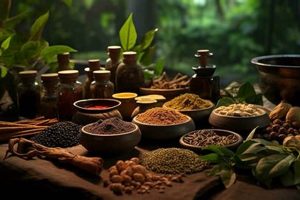
Remedies derived from plants, intended to alleviate discomfort and promote healing within the nasal passages and sinuses, represent a category of therapeutic approaches. These interventions often incorporate herbs known for their anti-inflammatory, decongestant, and antimicrobial properties. An example includes the use of eucalyptus oil via steam inhalation to reduce nasal congestion and ease breathing.
The significance of such approaches lies in offering potential alternatives or complements to conventional medical treatments, particularly for individuals seeking natural options or those experiencing adverse effects from standard medications. Throughout history, various cultures have employed botanicals to address respiratory ailments, highlighting a long-standing tradition of utilizing nature’s resources for well-being. The potential advantages encompass reduced reliance on pharmaceuticals and the promotion of self-care practices.
The subsequent discussion will delve into specific botanical options, examining their mechanisms of action and exploring evidence-based research supporting their use. Furthermore, potential risks and considerations for safe implementation will be addressed, providing a balanced perspective on the integration of these methods into a comprehensive sinus care regimen.
Guidance for Botanical Sinus Relief
The following recommendations outline practical steps for incorporating plant-based therapies to manage sinus discomfort. These are intended as general guidelines and do not substitute professional medical advice.
Tip 1: Steam Inhalation with Eucalyptus: Add a few drops of eucalyptus essential oil to a bowl of hot (not boiling) water. Inhale the steam with a towel draped over the head to trap the vapors. This can assist in loosening congestion.
Tip 2: Nasal Irrigation with Saline and Herbal Additives: Employ a neti pot or nasal rinse bottle with a saline solution. Consider adding a small amount of herbs such as goldenseal or thyme (in appropriate concentrations and forms) for their potential antimicrobial effects. Ensure the solution is sterile.
Tip 3: Consumption of Spicy Foods: Incorporate foods like horseradish, wasabi, or chili peppers into the diet. These contain compounds that may help to temporarily clear sinus passages. Exercise caution to avoid digestive upset.
Tip 4: Hydration with Herbal Teas: Consume warm herbal teas containing ingredients such as ginger, turmeric, or licorice root. These herbs possess anti-inflammatory and decongestant properties, while increased fluid intake thins mucus.
Tip 5: Supplementation with Quercetin: Quercetin, a flavonoid found in various fruits and vegetables, exhibits anti-inflammatory and antihistamine effects. Consult with a healthcare provider to determine appropriate dosage and potential interactions.
Tip 6: Utilize Peppermint Oil: Diffuse peppermint oil or apply it topically (diluted in a carrier oil) to the temples and forehead. The menthol content can provide temporary relief from sinus pressure and headaches.
Tip 7: Consider Bromelain Supplementation: Bromelain, an enzyme extracted from pineapple, possesses anti-inflammatory characteristics. Consider taking bromelain supplements following consultation with a healthcare professional, especially if on blood-thinning medications.
Implementing these suggestions, when appropriate, may contribute to improved sinus health. However, individual results may vary, and persistence of symptoms necessitates consultation with a qualified healthcare provider for proper diagnosis and treatment.
The subsequent section will address potential risks and necessary precautions associated with the use of botanical remedies for sinus conditions, underscoring the importance of informed decision-making.
1. Botanical Properties

The inherent characteristics of plants, specifically their chemical composition and resulting pharmacological actions, form the bedrock of effectiveness in plant-derived sinus therapies. Understanding these attributes is critical for discerning appropriate applications and potential limitations.
- Phytochemical Composition and Bioactivity
Specific compounds within plants, such as flavonoids, terpenes, and alkaloids, exert distinct biological effects. For example, quercetin, a flavonoid found in onions and apples, possesses anti-inflammatory and antihistamine properties that can mitigate sinus irritation. Similarly, the volatile oils in eucalyptus exhibit expectorant and decongestant actions, aiding in the clearance of nasal passages. The precise combination and concentration of these constituents determine the overall therapeutic potential.
- Traditional Use and Empirical Evidence
Historical applications of specific plants for sinus ailments provide valuable insights. For instance, traditional Chinese medicine has long utilized herbs like magnolia flower for its ability to unblock nasal passages and relieve congestion. While anecdotal evidence alone is insufficient, a history of safe and effective use can guide modern research efforts aimed at validating these claims through rigorous scientific study.
- Standardization and Quality Control
The concentration of active constituents can vary significantly depending on factors such as growing conditions, harvesting methods, and processing techniques. Standardization ensures consistent levels of key compounds across different batches of a botanical product. Rigorous quality control measures, including identification testing and analysis of contaminants, are essential for ensuring product safety and efficacy. This is particularly critical for extracts and concentrated formulations.
- Synergistic Effects and Herbal Combinations
The combined effects of multiple compounds within a plant, or the combination of several different plants, can result in synergistic actions that exceed the individual contributions of each component. This “whole plant” approach recognizes that the therapeutic effects of a botanical are often more complex than the action of any single isolated compound. Traditional herbal formulas frequently incorporate multiple ingredients to address different aspects of a condition, such as inflammation, congestion, and infection.
These botanical properties are directly related to the efficacy of plant-based interventions. The appropriate selection and application of botanicals depend on a thorough understanding of their chemical constituents, historical uses, quality control, and potential for synergistic interactions. The integration of this knowledge is essential for maximizing benefits and minimizing risks within a sinus care approach.
2. Anti-Inflammatory Action

Inflammation of the sinus passages, often triggered by allergens, infections, or irritants, contributes significantly to the symptoms of sinusitis. This inflammation leads to swelling of the sinus lining, increased mucus production, and subsequent blockage of the sinus openings. Consequently, targeting inflammation becomes a central objective in managing sinus-related discomfort. Many botanical agents possess inherent anti-inflammatory properties, presenting a potential avenue for alleviating these symptoms through the incorporation of compounds to modulate the inflammatory response within the sinus tissues. For example, curcumin, derived from turmeric, inhibits inflammatory pathways, and may alleviate sinus inflammation.
The practical application of these principles involves selecting botanical interventions with documented anti-inflammatory effects. Nasal irrigation with saline solution containing chamomile, known for its anti-inflammatory properties, provides a localized delivery method, reducing swelling and promoting drainage. Similarly, incorporating ginger or garlic into the diet may contribute to a systemic reduction in inflammatory markers, potentially reducing the severity of sinus symptoms. The key is identifying and utilizing herbs with targeted anti-inflammatory mechanisms relevant to the specific inflammatory processes occurring within the sinuses. This can be achieved through targeted use of essential oils in steam inhalation, as well as through the consumption of plant extracts.
In summary, the anti-inflammatory action of certain botanical agents offers a strategically important approach to managing sinus-related inflammation. While not a substitute for medical treatment in severe or chronic cases, the incorporation of targeted botanical remedies can potentially complement existing treatment strategies, by reducing inflammation and contributing to overall sinus health. The efficacy relies on understanding the specific inflammatory processes involved and selecting botanical agents with appropriate and validated anti-inflammatory properties, as well as on the appropriate method of administration.
3. Decongestant Capabilities

Decongestant capabilities represent a crucial aspect of plant-based approaches targeting sinus congestion, a primary symptom of sinusitis. Botanical agents possessing decongestant properties aim to alleviate nasal obstruction by reducing swelling of nasal passages and promoting drainage of accumulated mucus.
- Volatile Oils and Mucus Clearance
Certain plant-derived volatile oils, such as those found in eucalyptus, peppermint, and tea tree, exhibit decongestant activity. These oils stimulate sensory nerve endings in the nasal passages, leading to a sensation of coolness and increased airflow. Furthermore, they can help to thin and loosen mucus, facilitating its expulsion from the sinuses. Steam inhalation with these oils is a common delivery method.
- Sympathomimetic-Like Effects
While not directly mimicking the action of synthetic sympathomimetic decongestants, some herbs may exhibit similar effects through indirect mechanisms. Certain constituents can stimulate the release of endogenous catecholamines, resulting in vasoconstriction and reduced nasal congestion. However, these effects are typically milder and shorter-lasting compared to pharmaceutical options.
- Anti-Inflammatory Effects on Congestion
Sinus congestion is often exacerbated by inflammation of the nasal and sinus lining. Herbs with anti-inflammatory properties can indirectly alleviate congestion by reducing swelling and edema in these tissues. Examples include herbs containing flavonoids or phenolic compounds, which can modulate inflammatory pathways and reduce congestion resulting from inflammation.
- Nasal Irrigation and Mucus Removal
Though not strictly a botanical property, nasal irrigation with saline solutions, sometimes enhanced with herbal extracts, can mechanically remove mucus and debris from the nasal passages. This physical decongestion complements the effects of other botanicals. Adding small amounts of herbs with decongestant properties, such as eucalyptus or peppermint, to the saline solution may augment the effects of irrigation.
The effectiveness of plant-derived decongestants varies depending on the specific botanical agent, its method of administration, and individual factors. While these options may provide relief from sinus congestion, they are not a substitute for appropriate medical care in severe or persistent cases. The integration of decongestant botanicals should be considered a complementary approach, utilized under the guidance of a healthcare professional.
4. Antimicrobial Effects

The role of antimicrobial agents in sinus treatment is pivotal, given that bacterial, viral, or fungal infections are frequent contributors to sinusitis. Certain botanical compounds demonstrate antimicrobial activity, suggesting their potential utility in addressing the underlying infectious component of sinus ailments.
- Direct Inhibition of Pathogens
Certain herbal extracts and essential oils exhibit direct antimicrobial effects against common sinus pathogens. For example, tea tree oil demonstrates in vitro activity against bacteria such as Staphylococcus aureus, a frequent culprit in sinus infections. Similarly, components of garlic, such as allicin, possess broad-spectrum antimicrobial properties. The application of such agents may inhibit pathogen growth, thereby aiding in infection resolution.
- Biofilm Disruption
Microbial biofilms, structured communities of microorganisms encased in a protective matrix, can complicate sinus infections. Some botanical agents possess the ability to disrupt these biofilms, rendering the pathogens more susceptible to antimicrobial agents and the host’s immune defenses. Compounds found in cranberry extract, for instance, have shown promise in disrupting biofilm formation by certain bacteria.
- Immune Modulation
While not directly antimicrobial, certain herbs may enhance the host’s immune response to infection. Echinacea, for example, has been shown to stimulate various immune cells, potentially augmenting the body’s ability to clear pathogens from the sinuses. Modulation of the immune system contributes to holistic treatment, not only addressing current conditions but also potentially improving resilience against future infections.
- Prevention of Secondary Infections
By creating a less hospitable environment for pathogens, certain botanicals may contribute to the prevention of secondary infections in individuals with compromised sinus function. This can be particularly relevant for those with chronic sinusitis or recurrent infections. A routine utilizing antimicrobial botanical components can reduce the risk of opportunistic pathogens establishing themselves within the sinus passages.
The integration of botanicals with antimicrobial properties into a sinus treatment regimen necessitates careful consideration of factors such as the specific pathogen involved, the potential for resistance development, and the individual’s overall health status. While promising, further research is needed to fully elucidate the clinical efficacy and safety of these agents in the context of sinus infections. Additionally, their application must be balanced with the need to preserve the natural microbiome of the nasal passages.
5. Method of Administration

The method of administration fundamentally dictates the efficacy and safety profile of any therapeutic intervention, particularly within the realm of botanical remedies. In the context of addressing sinus ailments through herbal means, the route by which the active compounds are delivered significantly impacts their bioavailability, target tissue exposure, and potential for both therapeutic benefit and adverse reactions. Inhalation, topical application, oral ingestion, and nasal irrigation represent distinct avenues, each presenting unique considerations.
Consider the case of eucalyptus oil. When administered via steam inhalation, the volatile compounds directly access the nasal passages, exerting localized decongestant and anti-inflammatory effects. This targeted delivery minimizes systemic exposure, thereby reducing the risk of systemic side effects. Conversely, oral ingestion of eucalyptus oil, while potentially offering systemic benefits, carries a heightened risk of gastrointestinal irritation and other adverse reactions due to increased systemic absorption and potential interactions with metabolic pathways. Nasal irrigation, utilizing saline solutions infused with herbal extracts like goldenseal, facilitates direct cleansing of the sinus passages and localized delivery of antimicrobial compounds, addressing both congestion and potential infection. Topical application, such as the application of diluted peppermint oil to the temples, aims to alleviate sinus-related headaches through transdermal absorption, providing a localized analgesic effect.
The selection of the appropriate administration method must be carefully tailored to the specific botanical agent, the nature of the sinus condition, and the individual’s overall health status. Factors such as age, pre-existing medical conditions, and concurrent medications can influence the suitability of a particular route. In summary, understanding the connection between method of administration and herbal sinus treatment is crucial for maximizing therapeutic outcomes and minimizing potential harm. The optimal approach involves a deliberate consideration of the benefits and risks associated with each route, guided by evidence-based principles and, where appropriate, the advice of a qualified healthcare practitioner.
6. Potential Side Effects

Consideration of potential adverse reactions is paramount when contemplating the use of plant-derived interventions for sinus complaints. While often perceived as inherently safe due to their natural origin, botanical remedies are not devoid of risk, and their effects on individuals can vary significantly. A comprehensive understanding of possible side effects is critical for informed decision-making and responsible utilization.
- Allergic Reactions
Hypersensitivity responses represent a significant concern with botanical products. Individuals may exhibit allergies to specific plants or their constituents, leading to symptoms ranging from mild skin irritation and sneezing to severe anaphylaxis. Prior exposure is not always necessary for sensitization to occur. Careful review of product ingredients and initial use with caution are advised to mitigate this risk. Cross-reactivity between related plants is also possible; thus, individuals with known allergies to specific pollens or plants should exercise increased vigilance.
- Drug Interactions
Botanical remedies can interact with conventional medications, potentially altering their efficacy or increasing the risk of adverse effects. For example, certain herbs may inhibit or induce cytochrome P450 enzymes, affecting the metabolism of various drugs. Individuals taking prescription medications should consult with a healthcare provider or pharmacist before incorporating plant-based treatments to assess the potential for clinically significant interactions. Specifically, individuals on blood thinners, immunosuppressants, or anti-depressants should exercise caution.
- Gastrointestinal Disturbances
Oral consumption of some botanical agents can cause gastrointestinal side effects, such as nausea, vomiting, diarrhea, or abdominal discomfort. These effects may result from the inherent irritant properties of certain plant compounds or from alterations in gut microbiota. Starting with low doses and gradually increasing intake, if tolerated, may help minimize gastrointestinal distress. Encapsulation of the herbal product can sometimes help as well.
- Toxicity and Overdose
Certain botanical remedies, particularly when used in high concentrations or for prolonged periods, can exhibit toxic effects. Hepatic toxicity, nephrotoxicity, and cardiotoxicity have been reported in association with specific plants. Adhering to recommended dosages and consulting with a qualified herbalist or healthcare provider is essential to avoid potential toxicity. The sourcing of botanical products is also a factor, as contaminants or adulterants can pose a health hazard.
These facets underscore the importance of approaching plant-derived therapies for sinus ailments with caution and awareness. While botanical remedies offer potential benefits, their use is not without risk, and a thorough evaluation of individual factors and potential side effects is necessary for responsible and effective implementation. Discontinuing use and seeking medical advice are warranted if any concerning symptoms arise. The key message is: the designation herbal does not mean that the product is entirely safe.
7. Individual Suitability

The selection and application of plant-based remedies for sinus complaints are inherently contingent upon individual factors. The effectiveness and safety of herbal approaches are not universally applicable; rather, they are modulated by a complex interplay of physiological, pathological, and lifestyle variables unique to each person. This necessitates a careful assessment of individual characteristics prior to initiating any herbal regimen.
- Pre-existing Medical Conditions
Underlying health conditions can significantly influence the suitability of botanical treatments. Individuals with compromised immune function, hepatic or renal impairment, or cardiovascular disease may experience altered responses to herbal interventions. For example, decongestant herbs containing pseudoephedrine-like compounds may exacerbate hypertension or cardiac arrhythmias. Similarly, individuals with autoimmune disorders may experience adverse reactions to immune-modulating herbs. A comprehensive medical history is essential to identify potential contraindications and mitigate risks.
- Medication Interactions
The potential for herb-drug interactions represents a critical consideration. Many botanical compounds can interfere with the absorption, metabolism, or excretion of pharmaceutical medications, leading to altered drug levels and increased risk of adverse effects. For instance, St. John’s Wort, a known inducer of cytochrome P450 enzymes, can reduce the effectiveness of various drugs, including certain antibiotics and antihistamines commonly used in sinus treatment. Careful review of concurrent medications and consultation with a healthcare provider or pharmacist are imperative to avoid clinically significant interactions.
- Allergies and Sensitivities
Allergic reactions to plants or their constituents are common and can manifest as a range of symptoms, from mild skin irritation and sneezing to severe anaphylaxis. Individuals with known allergies to specific pollens, molds, or plant-based foods should exercise caution when considering herbal sinus remedies. Cross-reactivity between related plant species is also possible. Patch testing or incremental introduction of new herbal products may help to identify potential sensitivities before initiating a full-scale treatment regimen.
- Age and Physiological Status
Age-related physiological changes can affect the response to herbal interventions. Infants, children, and the elderly may be more vulnerable to adverse effects due to differences in metabolism, organ function, and immune system development. Similarly, pregnancy and lactation necessitate careful consideration of the safety and potential teratogenic or lactogenic effects of botanical compounds. Consulting with a qualified healthcare provider with expertise in pediatric or geriatric herbal medicine is essential to ensure appropriate and safe use in these populations.
These facets of individual suitability collectively underscore the importance of a personalized approach to herbal sinus care. While plant-based remedies offer potential benefits, their application should be guided by a thorough assessment of individual risk factors, medical history, and concurrent medications. A collaborative approach involving the individual, a qualified herbalist, and a healthcare provider is essential to optimize outcomes and minimize the potential for adverse effects. The pursuit of sinus relief necessitates a deep understanding of individual conditions, and only then herbal alternatives can be properly considered.
Frequently Asked Questions
The following questions address prevalent concerns and misconceptions regarding the utilization of plant-derived approaches for sinus conditions. The intent is to provide clear, concise, and evidence-based information to facilitate informed decision-making.
Question 1: Are plant-based sinus treatments a substitute for medical care?
Plant-derived interventions should not be considered a replacement for conventional medical treatment, particularly in cases of acute bacterial sinusitis or chronic sinus conditions. They may serve as complementary approaches to manage symptoms and promote overall sinus health, but professional medical evaluation is essential for accurate diagnosis and appropriate treatment.
Question 2: How quickly do plant-based sinus treatments provide relief?
The onset of symptom relief varies depending on the specific herbal agent, the method of administration, and individual factors. Some individuals may experience noticeable improvement within a few days, while others may require several weeks of consistent use to observe significant benefits. Patience and realistic expectations are important. If symptoms worsen or fail to improve within a reasonable timeframe, seeking medical attention is recommended.
Question 3: Are plant-based sinus treatments safe for pregnant or breastfeeding individuals?
The safety of plant-derived interventions during pregnancy and lactation remains a subject of ongoing research. Many herbs are contraindicated or require caution during these periods due to potential teratogenic or lactogenic effects. Consulting with a qualified healthcare provider with expertise in botanical medicine is essential before using any herbal remedies during pregnancy or breastfeeding.
Question 4: Can plant-based sinus treatments interact with prescription medications?
Yes, plant-derived remedies can interact with prescription medications, potentially altering their efficacy or increasing the risk of adverse effects. Certain herbs may affect the absorption, metabolism, or excretion of drugs, leading to altered drug levels in the body. Disclosing all medications and supplements to a healthcare provider or pharmacist is crucial to identify and manage potential interactions.
Question 5: How can one ensure the quality and purity of herbal sinus products?
Selecting reputable brands that adhere to stringent quality control standards is essential. Look for products that have been third-party tested for purity, potency, and contaminants. Standardization of herbal extracts ensures consistent levels of active constituents. Purchasing from trusted sources and scrutinizing product labels can help minimize the risk of encountering adulterated or ineffective products.
Question 6: Are there specific plant-based sinus treatments that are more effective than others?
The effectiveness of different plant-derived interventions varies depending on the underlying cause and specific symptoms of the sinus condition. Some herbs, such as eucalyptus, are primarily effective for decongestion, while others, like turmeric, possess anti-inflammatory properties. A personalized approach, guided by a healthcare provider or qualified herbalist, is recommended to select the most appropriate remedies based on individual needs and circumstances.
In summary, plant-derived interventions may offer potential benefits for sinus conditions, but their use should be approached with caution and informed by evidence-based principles. Seeking professional medical advice is essential for accurate diagnosis, appropriate treatment, and to ensure the safe and effective integration of herbal remedies into a comprehensive sinus care plan.
The subsequent discussion will transition towards a comprehensive conclusion, summarizing the key considerations and outlining future directions in the realm of plant-derived sinus interventions.
Conclusion
The preceding exploration of herbal sinus treatment underscores both the potential benefits and inherent limitations associated with these approaches. While certain botanical agents demonstrate anti-inflammatory, decongestant, or antimicrobial properties relevant to sinus conditions, they are not uniformly effective or risk-free. Responsible integration of herbal sinus treatment necessitates careful consideration of individual suitability, potential drug interactions, and the quality and purity of herbal products. Self-treatment without proper medical evaluation poses potential health risks.
The scientific community should continue to investigate the efficacy and safety of herbal sinus treatment options through rigorous clinical trials. Individuals experiencing persistent or severe sinus symptoms must seek professional medical advice for accurate diagnosis and appropriate management. The responsible and informed application of botanical remedies requires a balanced perspective, recognizing their potential role as complementary, but not primary, interventions within a comprehensive sinus care strategy. Further research is crucial to establish definitive guidelines for safe and effective use.