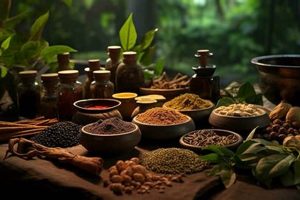
The convergence of traditional medicine and contemporary health concerns has led to increased interest in plant-derived remedies for various conditions. This interest extends to the realm of auditory health, where individuals experiencing persistent or intermittent ringing in the ears, a condition often referred to as tinnitus, may seek alternative therapies. Some may explore the potential of botanicals as a method of addressing the underlying causes or symptoms of this auditory disturbance.
The appeal of utilizing plant-based approaches stems from a desire for natural and potentially less invasive interventions. Historically, many cultures have incorporated herbal preparations into their medical practices, using them to address a wide spectrum of ailments. The potential benefits, as perceived by proponents, include a reduced risk of adverse side effects compared to conventional pharmaceuticals, and a holistic approach that considers the individual’s overall well-being alongside the specific symptom.
This article will delve into the specific botanicals frequently mentioned in connection with alleviating tinnitus, examining available evidence, potential mechanisms of action, and safety considerations. The information presented aims to provide a balanced perspective on this multifaceted subject, enabling informed decision-making regarding auditory health management.
Considerations Regarding Plant-Based Approaches to Auditory Discomfort
Individuals exploring plant-derived options for tinnitus management should prioritize comprehensive research and consultation with qualified healthcare professionals. Self-treating without proper guidance may delay appropriate medical intervention and potentially lead to adverse outcomes.
Tip 1: Prioritize Professional Evaluation: A thorough audiological assessment is essential to determine the underlying cause of the auditory issue. This evaluation guides subsequent treatment decisions and helps rule out potentially serious medical conditions.
Tip 2: Research Specific Botanicals Diligently: Not all herbal remedies are created equal. Investigate the available scientific literature regarding the efficacy and safety of each botanical considered. Focus on peer-reviewed studies rather than anecdotal evidence.
Tip 3: Understand Potential Interactions: Plant-derived compounds can interact with prescription medications, over-the-counter drugs, and other herbal supplements. Inform healthcare providers of all substances being consumed to avoid potentially harmful interactions.
Tip 4: Verify Product Quality and Purity: The herbal supplement industry lacks stringent regulation. Choose products from reputable manufacturers who adhere to Good Manufacturing Practices (GMP) and provide third-party testing for purity and potency.
Tip 5: Start with Low Doses: When initiating any new herbal regimen, begin with a low dose and gradually increase as tolerated. Monitor for any adverse effects or allergic reactions. Discontinue use immediately if any concerning symptoms arise.
Tip 6: Manage Expectations Realistically: Plant-based interventions may offer some symptom relief, but they are unlikely to provide a complete cure for all types of tinnitus. A holistic approach incorporating lifestyle modifications and other therapies may be necessary for optimal management.
Tip 7: Document Progress and Changes: Maintain a detailed record of symptoms, dosages, and any perceived changes in auditory perception. This documentation aids in evaluating the effectiveness of the herbal approach and facilitates communication with healthcare providers.
These tips underscore the importance of approaching plant-based remedies for auditory discomfort with prudence and informed awareness. Prioritizing safety and evidence-based practices is crucial for responsible self-care.
The subsequent sections will explore various known herbal approaches and the scientific data surrounding their use to improve individual auditory experiences.
1. Botanical identification accuracy

The accuracy of botanical identification is paramount when considering plant-derived interventions for tinnitus. Misidentification can lead to the use of ineffective or even harmful plant species, negating any potential therapeutic benefit and potentially exacerbating health concerns. For instance, if a formulation intended to contain Ginkgo biloba is contaminated with or replaced by a different Ginkgo species lacking the key bioactive compounds, individuals would not experience the anticipated effects and could be exposed to unknown risks. The cause-and-effect relationship here is direct: inaccurate identification results in compromised treatment efficacy and potential safety hazards.
Botanical identification accuracy ensures that the chemical profile of the plant material aligns with the expected therapeutic properties. This is achieved through various methods, including macroscopic and microscopic analysis, chemical fingerprinting (e.g., high-performance liquid chromatography), and DNA barcoding. Reputable herbal product manufacturers employ these techniques to verify the authenticity of their raw materials. A real-life example would be the case of herbal supplements adulterated with undeclared pharmaceuticals. Accurate identification procedures can detect such adulteration, safeguarding consumers from potentially dangerous drug interactions or adverse effects. The practical significance lies in ensuring that individuals receive the intended therapeutic compounds, in the correct concentrations, to address their auditory symptoms safely and effectively.
In summary, precise botanical identification forms a cornerstone of safe and effective plant-derived auditory therapies. Challenges remain in maintaining quality control across the herbal supply chain, underscoring the need for robust authentication methods and stringent regulatory oversight. This foundational step directly influences the reliability and trustworthiness of plant-derived interventions for tinnitus, connecting directly to the overall objective of improving individual well-being.
2. Dosage standardization challenges

The standardization of dosages represents a critical hurdle in the effective application of plant-derived substances for tinnitus management. Unlike pharmaceutical medications, which undergo rigorous development to ensure precise and consistent concentrations of active ingredients, herbal preparations often exhibit significant variability in their chemical composition. This variability arises from numerous factors, including differences in plant genetics, growing conditions (soil, climate, and harvesting practices), and extraction methods. Consequently, achieving uniform dosages across different batches or brands becomes exceedingly difficult. The cause-and-effect relationship is clear: inconsistent dosages can lead to unpredictable therapeutic effects, ranging from a complete lack of efficacy to potential adverse reactions. As a component of responsible auditory health strategies, addressing dosage standardization is paramount. Without it, plant-based approaches remain subject to uncertainty and risk.
Real-life examples illustrate the practical significance of this challenge. Consider two different brands of Ginkgo biloba extract, both marketed for tinnitus relief. One brand might contain a significantly higher concentration of the beneficial Ginkgolides and Bilobalide than the other, even if both are labeled as containing the same total amount of extract. An individual consuming the lower-potency product may experience little to no improvement in their tinnitus symptoms, despite adhering to the recommended dosage. Conversely, an individual consuming an unexpectedly high dose could experience unwanted side effects, such as gastrointestinal upset or increased bleeding risk. Such variability undermines the potential benefits and increases the potential harms associated with plant-derived remedies.
In conclusion, dosage standardization presents a fundamental obstacle to the widespread and reliable application of plant-derived compounds for tinnitus. Overcoming this challenge requires greater emphasis on quality control measures throughout the herbal product supply chain, including the use of standardized extracts, rigorous testing for active ingredient concentrations, and transparent labeling practices. Addressing dosage standardization is not merely a technical issue; it is essential for ensuring the safety and efficacy of plant-based approaches and for fostering confidence in their potential to alleviate auditory distress.
3. Interaction potential awareness

Awareness of interaction potential is a critical component when considering plant-derived therapies for tinnitus. The simultaneous use of herbal remedies and conventional medications presents a risk of pharmacokinetic or pharmacodynamic interactions, altering the absorption, distribution, metabolism, or excretion of either substance. The cause-and-effect relationship is direct: inadequate awareness and subsequent concurrent use can lead to reduced therapeutic efficacy of prescribed medications, increased risk of adverse effects from either the herbal product or medication, or unpredictable pharmacological responses. Consequently, healthcare professionals must actively elicit a complete medication and supplement history from individuals exploring plant-derived interventions for tinnitus. Failure to do so can have significant clinical consequences.
Real-life examples underscore the practical significance of this understanding. Ginkgo biloba, frequently suggested for tinnitus, possesses antiplatelet properties. When combined with anticoagulant medications such as warfarin, the risk of bleeding complications is substantially increased. Similarly, St. John’s Wort, an herb sometimes used for its mood-altering effects, can induce hepatic enzymes, accelerating the metabolism and reducing the effectiveness of various medications, including certain antidepressants and birth control pills. These examples highlight the necessity for healthcare providers to be vigilant and proactive in identifying potential interactions and advising individuals accordingly. Comprehensive drug interaction databases and pharmacological resources are essential tools in this process. Practical application involves not only identifying potential interactions but also educating individuals on the importance of informing all healthcare providers about all substances they are consuming.
In conclusion, awareness of the interaction potential between plant-derived substances and conventional medications is paramount for patient safety and treatment efficacy. Challenges persist in the form of incomplete information on herbal product composition and a lack of standardized reporting of adverse events associated with herbal-drug interactions. However, by prioritizing thorough medication histories, utilizing reliable interaction resources, and fostering open communication between healthcare providers and individuals, the risks associated with concurrent use can be mitigated, ultimately contributing to more informed and safer approaches to tinnitus management. Such awareness is not merely a precautionary measure; it is an essential element of responsible and effective healthcare.
4. Evidence based approach

The application of an evidence-based approach is critical in evaluating the efficacy and safety of plant-derived interventions for tinnitus. Given the subjective nature of tinnitus perception and the potential for placebo effects, rigorous scientific methodology is essential to distinguish genuine therapeutic benefits from spurious associations. An evidence-based framework mandates the reliance on well-designed clinical trials, systematic reviews, and meta-analyses to assess the impact of specific herbal substances on tinnitus symptoms. The cause-and-effect relationship dictates that purported benefits must be demonstrably linked to the intervention, rather than arising from confounding factors or biases. The importance of this approach as a component of plant-derived therapies lies in ensuring that individuals are not exposed to ineffective or potentially harmful treatments based on anecdotal evidence or unsubstantiated claims. Real-life examples include instances where initial enthusiasm for certain herbal remedies, based on preliminary studies or traditional use, has been tempered by subsequent, more robust research demonstrating a lack of significant benefit or even potential harm. The practical significance of this understanding is that it guides clinicians and patients toward evidence-supported interventions, optimizing the chances of positive outcomes and minimizing the risk of adverse events. The lack of an evidence-based approach is very dangerous.
Further analysis reveals that the challenge in applying this framework to plant-derived substances lies in the inherent variability of herbal products and the complexities of conducting rigorous clinical trials. Standardizing dosages, identifying active constituents, and controlling for placebo effects are all significant methodological hurdles. Despite these challenges, there are examples of herbal remedies for tinnitus that have been subjected to some degree of scientific scrutiny. For instance, Ginkgo biloba has been investigated in multiple clinical trials, with mixed results. While some studies suggest a potential benefit for certain subtypes of tinnitus, others have found no significant effect. This highlights the importance of critically evaluating the available evidence, considering study design, sample size, and outcome measures. Practical applications include utilizing evidence-based guidelines to inform clinical decision-making, prioritizing interventions with the strongest scientific support, and carefully monitoring patients for both benefits and adverse effects. The approach can lead to better outcomes of a lot of tinnitus herbal approaches.
In conclusion, an evidence-based approach is paramount in navigating the landscape of plant-derived options for tinnitus. While traditional use and anecdotal reports may offer initial insights, rigorous scientific evaluation is necessary to establish efficacy and safety. Challenges remain in conducting high-quality research, but by prioritizing evidence-based decision-making, healthcare professionals and individuals can make more informed choices, optimizing the potential for positive outcomes and minimizing the risks associated with unsubstantiated claims. The best way to treat auditory health issues is by having evidence based results.
5. Regulation transparency required

Regulation transparency is an essential component when considering plant-derived therapies for tinnitus. The herbal supplement industry lacks the stringent regulatory oversight applied to pharmaceutical medications, resulting in significant variability in product quality, ingredient accuracy, and safety. The cause-and-effect relationship is this: a lack of transparency in regulations surrounding “herbal treatment tinnitus” leads to consumer vulnerability, compromised product integrity, and potential adverse health outcomes. The importance of regulation transparency as a component of “herbal treatment tinnitus” lies in ensuring that individuals have access to reliable information about product composition, manufacturing processes, and potential risks, enabling them to make informed decisions about their auditory health management. For example, products marketed as containing a specific concentration of Ginkgo biloba may, in reality, contain significantly less or be adulterated with other substances. Such opacity undermines consumer trust and jeopardizes their well-being.
Further examination reveals that increased transparency would involve several key aspects. These include mandating clear and accurate labeling of herbal products, requiring manufacturers to disclose the source and quality control procedures for their raw materials, and establishing independent testing and certification programs to verify product authenticity and purity. Real-life examples of regulatory shortcomings include cases where herbal supplements have been found to contain undeclared pharmaceuticals or heavy metals, posing serious health risks to consumers. Practical applications of enhanced transparency would include empowering individuals to compare products from different manufacturers, assess the credibility of their claims, and report adverse events to regulatory agencies. This would foster a more accountable and responsible herbal supplement industry, ultimately benefiting consumers seeking plant-derived therapies for tinnitus.
In conclusion, regulation transparency is not merely desirable but essential for ensuring the safety, efficacy, and ethical marketing of plant-derived compounds for tinnitus. Addressing the current regulatory gaps requires a multi-faceted approach involving stricter enforcement of existing regulations, the establishment of new standards for product quality and labeling, and increased collaboration between regulatory agencies, manufacturers, and healthcare professionals. By prioritizing transparency, the industry can build consumer trust and enable individuals to make informed decisions about their auditory health, minimizing risks and maximizing the potential benefits of responsible plant-derived approaches. This is a crucial part for overall well being, to improve auditory health.
Frequently Asked Questions Regarding Herbal Treatment Tinnitus
This section addresses common inquiries concerning plant-derived interventions for tinnitus, providing evidence-based information and clarifying potential misconceptions.
Question 1: Is “herbal treatment tinnitus” a scientifically proven cure for tinnitus?
No definitive scientific evidence supports the claim that “herbal treatment tinnitus” offers a universally effective cure. While some botanical substances may provide symptomatic relief for certain individuals, the effectiveness varies depending on the underlying cause of the tinnitus and individual factors.
Question 2: Are herbal remedies for tinnitus safe for everyone to use?
Plant-derived options for tinnitus are not universally safe. Potential side effects and interactions with medications exist. Consultation with a qualified healthcare professional is essential before initiating any new herbal regimen, particularly for individuals with pre-existing medical conditions or those taking prescription medications.
Question 3: How can one ensure the quality and purity of herbal products marketed for tinnitus?
Ensuring product quality requires careful evaluation. Select products from reputable manufacturers who adhere to Good Manufacturing Practices (GMP) and provide third-party testing for purity and potency. Scrutinize product labels for complete ingredient information and verify the authenticity of the botanical species.
Question 4: Can herbal remedies eliminate the need for conventional medical treatments for tinnitus?
Plant-derived substances should not be considered a replacement for conventional medical treatments for tinnitus without professional guidance. A comprehensive medical evaluation is necessary to determine the underlying cause of the condition and guide appropriate treatment strategies.
Question 5: What specific herbal ingredients are most commonly associated with tinnitus relief?
Ginkgo biloba is frequently cited in connection with tinnitus relief. However, the scientific evidence regarding its effectiveness is mixed. Other botanicals, such as zinc and magnesium, are sometimes suggested, but their impact on tinnitus remains inconclusive.
Question 6: Where can individuals find reliable information about the potential risks and benefits of “herbal treatment tinnitus”?
Reliable information can be obtained from reputable sources, including peer-reviewed medical journals, evidence-based healthcare databases, and consultations with qualified healthcare professionals, such as audiologists, otolaryngologists, and herbalists with appropriate clinical experience.
In summary, individuals considering plant-derived interventions for tinnitus should exercise caution, prioritize evidence-based information, and seek professional guidance to ensure safety and optimize treatment outcomes.
The subsequent section will delve into potential lifestyle adjustments that may complement or enhance the impact of tinnitus management strategies.
Conclusion Regarding Plant-Derived Approaches to Tinnitus
The exploration of “herbal treatment tinnitus” reveals a landscape characterized by both potential and complexity. While the appeal of natural remedies for auditory disturbances is understandable, the evidence supporting their efficacy remains limited and often inconsistent. Critical considerations include botanical identification accuracy, dosage standardization challenges, the potential for interactions with conventional medications, and the imperative of adhering to an evidence-based approach. Regulation transparency within the herbal supplement industry remains a crucial need to ensure product quality and consumer safety. The responsible and informed evaluation of these treatments is paramount.
Ultimately, the management of tinnitus necessitates a holistic and individualized strategy. Individuals experiencing persistent or bothersome tinnitus symptoms should seek comprehensive medical evaluation to determine the underlying cause and explore all available treatment options. While some plant-derived substances may offer adjunctive relief for certain individuals, they should not be viewed as a substitute for evidence-based medical care. A continued commitment to rigorous research and transparent regulation is essential to better understand the potential role of plant-derived compounds in the management of this complex and often debilitating condition, with the goal of enhancing individual well-being and auditory health outcomes.