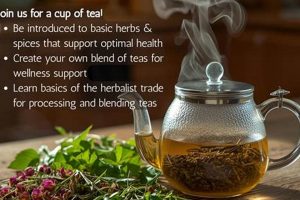
Plant-derived treatments utilized to alleviate bacterial vaginosis symptoms represent a category of therapeutic approaches gaining consideration. These treatments encompass a range of preparations, from teas and topical applications to capsules and suppositories, each employing different botanical elements thought to possess antibacterial or anti-inflammatory properties. For example, some individuals explore the use of tea tree oil, garlic, or yogurt douches containing specific probiotic strains in an attempt to restore the natural balance of vaginal flora.
The allure of natural options for managing vaginal infections stems from several factors, including concerns about antibiotic resistance and potential side effects associated with conventional medications. Historically, diverse cultures have employed various plants and natural substances to address gynecological ailments. Investigating these historical applications provides insight into traditional knowledge surrounding women’s health. The potential to empower individuals with accessible and potentially gentler alternatives contributes to the growing interest in such methods.
Understanding the evidence supporting the efficacy and safety of these alternative approaches requires careful examination. Evaluating the current scientific literature concerning specific botanical preparations and their impact on bacterial vaginosis will allow a balanced perspective on their role in managing this common condition. Exploring the specific herbs and applications commonly cited, alongside a discussion of potential risks and contraindications, will provide a comprehensive overview.
Guidance on Utilizing Plant-Based Options for Bacterial Vaginosis
The following provides insights regarding the informed consideration of plant-derived methods in managing bacterial vaginosis. Consultation with a qualified healthcare professional is paramount prior to implementing any alternative regimen.
Tip 1: Prioritize Professional Consultation. Seek guidance from a physician or qualified healthcare provider before initiating any plant-based treatment. This ensures accurate diagnosis and evaluation of potential interactions with existing medications or health conditions.
Tip 2: Investigate Reputable Sources. Scrutinize the information source regarding specific plant applications. Rely on peer-reviewed research, professional medical organizations, or established herbalists with verifiable credentials.
Tip 3: Understand Potential Interactions. Be aware that herbal constituents can interact with pharmaceutical drugs. Disclose all medications and supplements to the healthcare provider to mitigate potential adverse effects.
Tip 4: Focus on Probiotic Support. Consider incorporating probiotic-rich foods or supplements to promote a healthy vaginal microbiome. Certain Lactobacillus strains may contribute to restoring the natural balance and inhibiting the growth of harmful bacteria.
Tip 5: Employ Gentle Cleansing Practices. Avoid harsh soaps, douches, or perfumed products that can disrupt the vaginal environment. Opt for mild, pH-balanced cleansers specifically designed for sensitive areas.
Tip 6: Emphasize a Holistic Approach. Recognize that overall health contributes to vaginal health. Maintain a balanced diet, manage stress levels, and engage in regular physical activity to support the immune system.
Tip 7: Monitor for Adverse Reactions. Observe closely for any signs of allergic reaction or irritation when introducing new plant-based treatments. Discontinue use immediately if any adverse effects occur and seek medical attention.
Informed application, combined with professional oversight, forms the bedrock for responsible exploration of plant-based avenues to manage bacterial vaginosis. A measured approach, prioritizing safety and evidence-based information, is crucial.
Moving forward, a thorough understanding of individual herbal properties and their potential impacts on vaginal health allows for a more informed and effective approach to this common condition.
1. Botanical Properties

The chemical composition of plants forms the foundational element for their potential therapeutic application. In the context of botanical approaches to bacterial vaginosis (BV), the specific compounds present within a plant dictate its potential to influence the vaginal microbiome and alleviate infection symptoms. Understanding these properties is paramount when evaluating the suitability of a plant for managing BV.
- Antimicrobial Constituents
Certain plants contain compounds with known antimicrobial activity. Examples include volatile oils, alkaloids, and flavonoids, which can inhibit the growth of bacteria implicated in BV. For instance, tea tree oil contains terpinen-4-ol, demonstrated to possess antibacterial properties against Gardnerella vaginalis, a common causative agent of BV. However, the concentration and delivery method significantly influence its effectiveness and safety.
- Anti-Inflammatory Compounds
Inflammation often accompanies BV, contributing to discomfort and irritation. Plants with anti-inflammatory properties may help mitigate these symptoms. Compounds such as tannins and phenolic acids can reduce inflammation by modulating the body’s inflammatory response. Chamomile, for instance, contains compounds that exhibit anti-inflammatory effects, offering potential relief from associated symptoms.
- pH-Modifying Capacity
The pH balance within the vagina plays a crucial role in maintaining a healthy microbiome. Some plants possess the ability to influence pH levels, either directly or indirectly. Lactic acid-producing bacteria, often found in fermented foods or probiotic preparations, can lower the vaginal pH, creating an environment less conducive to the growth of harmful bacteria. The impact of other plants on vaginal pH requires further investigation to determine their safety and efficacy.
- Bioavailability and Absorption
The effectiveness of plant-derived compounds depends on their ability to be absorbed and utilized by the body. Factors such as the plant’s preparation method, the route of administration (oral, topical, etc.), and individual physiological characteristics influence bioavailability. For example, certain compounds may be poorly absorbed orally, necessitating topical application for localized effect. Understanding bioavailability is critical for determining optimal dosages and delivery methods.
In summary, botanical properties encompass a wide range of chemical attributes that can potentially impact the management of BV. Understanding these properties, including their antimicrobial, anti-inflammatory, and pH-modifying capabilities, alongside considerations of bioavailability, is vital for evaluating the suitability and safety of plant-based approaches. Rigorous scientific investigation is essential to validate traditional uses and establish evidence-based guidelines for the use of specific plants in the treatment of BV.
2. Antimicrobial Activity

The capacity of plant-derived compounds to inhibit or eradicate microorganisms implicated in bacterial vaginosis (BV) constitutes a central element of their therapeutic potential. Antimicrobial activity, in this context, refers to the ability of specific plant constituents to disrupt the growth, replication, or survival of bacteria such as Gardnerella vaginalis, Atopobium vaginae, and other anaerobic species associated with BV.
- Mechanisms of Action
Plant-based antimicrobials employ various mechanisms to exert their effects on bacterial cells. These mechanisms may include disrupting bacterial cell membranes, interfering with metabolic processes, inhibiting protein synthesis, or preventing bacterial adhesion to vaginal epithelial cells. For example, certain volatile oils found in plants like tea tree and thyme can disrupt bacterial cell membranes, leading to cell death. The diversity of mechanisms suggests that some plant-derived antimicrobials may target multiple bacterial species simultaneously.
- Selective Toxicity
An important consideration is the selective toxicity of plant-derived antimicrobials. Ideally, these compounds should exhibit a greater inhibitory effect on pathogenic bacteria associated with BV while sparing beneficial bacteria, such as Lactobacillus species, which contribute to a healthy vaginal microbiome. Some plant extracts demonstrate a broad-spectrum antimicrobial activity, while others show more selective effects. Evaluating the impact of specific plant extracts on both pathogenic and beneficial bacteria is crucial for determining their potential therapeutic value.
- Minimum Inhibitory Concentration (MIC)
The minimum inhibitory concentration (MIC) represents the lowest concentration of a substance required to inhibit the growth of a specific microorganism. Determining the MIC of plant extracts against BV-associated bacteria provides valuable information about their potency. Studies that report MIC values can help to identify plants with promising antimicrobial activity and inform the selection of appropriate dosages for clinical applications. However, MIC values obtained in laboratory settings may not always correlate with clinical efficacy due to factors such as bioavailability and interactions with the vaginal environment.
- Resistance Development
The potential for bacteria to develop resistance to antimicrobial compounds represents a significant concern. While resistance development is less well-studied for plant-derived antimicrobials compared to conventional antibiotics, it remains a possibility. Employing strategies such as using combinations of different plant extracts or cycling between different treatments may help to minimize the risk of resistance development. Further research is needed to assess the long-term impact of plant-based antimicrobials on bacterial resistance patterns in the vaginal microbiome.
The antimicrobial activity of plant-derived compounds represents a complex and multifaceted area of investigation within the context of botanical approaches to BV. Understanding the mechanisms of action, selective toxicity, MIC values, and the potential for resistance development is crucial for evaluating the efficacy and safety of these remedies. Rigorous scientific research, including well-designed clinical trials, is essential to validate the use of specific plants for managing BV and to establish evidence-based guidelines for their application.
3. Vaginal Microbiome

The vaginal microbiome, a complex community of microorganisms, plays a critical role in maintaining vaginal health and preventing infections, including bacterial vaginosis (BV). Its composition and stability are vital considerations when exploring the potential of plant-derived therapies for BV.
- Dominant Species: Lactobacilli
A healthy vaginal microbiome is typically dominated by Lactobacillus species, which produce lactic acid, maintaining a low pH (3.5-4.5) that inhibits the growth of many pathogenic bacteria. Some plant compounds may selectively promote the growth of beneficial Lactobacillus, while others could negatively impact their populations. For example, certain herbal preparations might inadvertently disrupt the pH balance or introduce substances detrimental to lactobacilli, thereby exacerbating BV or increasing susceptibility to other infections.
- Dysbiosis and BV Development
BV is characterized by a disruption of the vaginal microbiome, leading to a decrease in Lactobacillus and an overgrowth of anaerobic bacteria such as Gardnerella vaginalis. Plant-based interventions for BV aim to restore a balanced microbiome by suppressing the growth of pathogenic bacteria and promoting the re-establishment of Lactobacillus dominance. However, the effectiveness of such interventions depends on their ability to selectively target pathogens without harming beneficial flora. Improper use of certain plant extracts may worsen the dysbiosis, leading to treatment failure or recurrence of BV.
- Impact of Herbal Constituents on Microbial Balance
Different plant constituents can have varying effects on the vaginal microbiome. Some compounds, like certain volatile oils, exhibit broad-spectrum antimicrobial activity, potentially affecting both pathogenic and beneficial bacteria. Others may possess more selective activity, targeting specific pathogens while sparing Lactobacillus. Understanding the specific impact of herbal constituents on the microbial balance is crucial for designing effective and safe plant-based therapies for BV. For example, garlic, often cited for its antibacterial properties, contains allicin, which might indiscriminately kill both beneficial and harmful bacteria if not used carefully.
- Assessing Microbiome Changes Post-Treatment
Evaluating the impact of plant-based treatments on the vaginal microbiome requires objective assessment methods, such as vaginal swabs analyzed by PCR or sequencing techniques to identify and quantify microbial populations. These methods can determine whether a treatment has successfully reduced the abundance of pathogenic bacteria and promoted the recovery of a Lactobacillus-dominated microbiome. Longitudinal studies that monitor microbiome changes over time are essential to assess the long-term efficacy and stability of plant-based interventions for BV.
The interplay between plant-derived compounds and the vaginal microbiome is complex and requires careful consideration when exploring herbal remedies for BV. A thorough understanding of how specific plant constituents affect the microbial balance is essential for developing safe and effective treatments that restore vaginal health. Future research should focus on identifying plant-based interventions that selectively target pathogens while preserving or promoting the growth of beneficial lactobacilli, ultimately leading to more sustainable and microbiome-friendly approaches to managing BV.
4. Administration Methods

The route of administration significantly influences the efficacy and safety of herbal remedies for bacterial vaginosis (BV). The chosen method affects the bioavailability of active compounds, their interaction with the vaginal microbiome, and the potential for both local and systemic effects. Therefore, selecting the appropriate administration method is a critical determinant in the successful application of plant-derived treatments for BV.
- Topical Creams and Ointments
Topical application allows for direct delivery of herbal constituents to the affected area. Creams and ointments are often used to deliver antimicrobial and anti-inflammatory compounds directly to the vaginal mucosa. Examples include creams containing tea tree oil or calendula extract, which are applied to alleviate itching, irritation, and inflammation associated with BV. This method minimizes systemic absorption, reducing the risk of systemic side effects, but requires careful consideration of potential local irritant reactions.
- Vaginal Suppositories
Suppositories offer another method for delivering herbal remedies directly into the vaginal cavity. These solid dosage forms melt at body temperature, releasing active compounds over time. Suppositories may contain herbs such as garlic, boric acid, or tea tree oil, formulated with a base material like cocoa butter or coconut oil. This method allows for sustained release of medication and is generally considered more effective for delivering larger doses compared to topical creams. Careful formulation is required to ensure proper drug release and to avoid irritation of the vaginal tissues.
- Douches and Vaginal Washes
Historically, douches and vaginal washes have been used to cleanse the vaginal area and deliver herbal treatments. However, this method is controversial due to its potential to disrupt the natural vaginal microbiome. While some herbal douches, such as those containing diluted vinegar or chamomile tea, are used to relieve symptoms, healthcare professionals generally advise against regular douching as it can exacerbate BV or increase the risk of other infections. If considering a vaginal wash, it should be used sparingly and with caution, ensuring it does not disrupt the beneficial lactobacilli.
- Oral Administration
Oral administration of herbal remedies for BV is less common but may be considered in certain situations. This method involves ingesting herbal capsules, teas, or tinctures that are believed to have systemic effects that can indirectly support vaginal health. Examples include oral probiotics to promote a healthy gut microbiome, which can indirectly influence the vaginal microbiome, or herbs with immune-boosting properties. However, the systemic absorption and metabolism of oral herbs can vary widely, and the effectiveness for treating BV directly is less certain compared to topical or vaginal methods. Furthermore, the potential for drug interactions and systemic side effects is higher with oral administration.
In conclusion, the choice of administration method significantly affects the efficacy and safety of herbal remedies for BV. Topical creams and suppositories offer direct delivery with minimal systemic exposure, while douches should be used cautiously due to their potential to disrupt the vaginal microbiome. Oral administration may provide indirect support but carries a higher risk of systemic effects and interactions. The optimal administration method depends on the specific herbal remedy, the severity of the infection, and the individual’s health status, necessitating consultation with a qualified healthcare provider.
5. Safety Profile
The safety profile of herbal remedies for bacterial vaginosis (BV) constitutes a critical aspect of their responsible use. Unlike conventional pharmaceuticals that undergo rigorous testing protocols, herbal preparations often lack comprehensive evaluations regarding potential adverse effects, drug interactions, and appropriate dosages. This absence of extensive data necessitates a cautious approach, emphasizing the need for thorough investigation and informed decision-making. The inherent complexity of plant-based compounds introduces challenges in predicting their impact on individuals, underscoring the significance of understanding the specific risks associated with each herbal remedy. For instance, while tea tree oil is often touted for its antimicrobial properties, direct application without proper dilution can lead to severe skin irritation and mucosal damage. Therefore, a comprehensive understanding of the safety profile is not merely a recommendation, but a prerequisite for the safe and effective utilization of such remedies.
Evaluating the safety profile involves scrutinizing potential allergic reactions, considering contraindications based on pre-existing medical conditions, and assessing the risk of interactions with other medications. For example, certain herbs may interfere with blood-thinning medications, posing a significant risk to individuals undergoing anticoagulant therapy. The concentration of active compounds within herbal preparations can vary considerably depending on factors such as plant origin, harvesting methods, and processing techniques, contributing to inconsistent and potentially unpredictable effects. Regulatory oversight of herbal products is often less stringent than that for pharmaceuticals, resulting in variability in product quality and labeling accuracy. This variability further amplifies the importance of individual diligence in researching and selecting reputable sources for herbal remedies. The reliance on anecdotal evidence or traditional use without robust scientific validation can lead to unwarranted assumptions about safety, highlighting the ethical responsibility of both consumers and practitioners to prioritize evidence-based decision-making.
In summary, the safety profile of herbal remedies for BV represents a complex and nuanced domain demanding meticulous attention. The limited regulatory oversight, inherent variability in product composition, and potential for adverse reactions underscore the need for informed decision-making and professional guidance. By prioritizing rigorous research, transparent labeling, and individualized risk assessment, the responsible exploration of herbal remedies for BV can be facilitated, minimizing potential harm and maximizing the likelihood of therapeutic benefit. The ultimate goal is to integrate these treatments safely and effectively within a comprehensive approach to managing BV, supported by robust scientific evidence and guided by qualified healthcare professionals.
Frequently Asked Questions
The following addresses common inquiries regarding plant-derived approaches to managing bacterial vaginosis (BV), emphasizing evidence-based information and the importance of professional guidance.
Question 1: Are plant-based options a suitable substitute for conventional antibiotics in treating BV?
Plant-based options are not universally considered a direct replacement for antibiotics. While some may offer symptom relief or possess antimicrobial properties, the efficacy and safety are contingent on various factors, including the specific herbs used, the severity of the infection, and individual health conditions. Consultation with a healthcare professional is crucial for determining the most appropriate treatment approach.
Question 2: What are the potential risks associated with employing herbal remedies for BV?
Potential risks include allergic reactions, skin irritation, interactions with other medications, and the disruption of the natural vaginal microbiome. Some herbs may also be contraindicated in individuals with certain medical conditions, such as pregnancy or liver disease. It is essential to conduct thorough research and seek professional advice before initiating any herbal treatment.
Question 3: How can one ensure the quality and safety of herbal products used for BV?
To ensure quality and safety, herbal products should be sourced from reputable manufacturers with established quality control standards. Look for products that have been tested for purity and potency and are free from contaminants. Furthermore, verify that the product labeling provides clear information regarding ingredients, dosage, and potential side effects.
Question 4: Can herbal remedies effectively prevent the recurrence of BV?
While some herbal remedies may help manage BV symptoms, their efficacy in preventing recurrence is not definitively established. Maintaining a healthy lifestyle, including a balanced diet and stress management, and practicing good hygiene are important factors in preventing BV recurrence. Probiotics may also be beneficial in restoring and maintaining a healthy vaginal microbiome.
Question 5: Is it safe to use herbal remedies for BV during pregnancy?
The use of herbal remedies during pregnancy requires extreme caution, as some herbs can be harmful to the developing fetus. Consultation with a healthcare provider is essential before using any herbal product during pregnancy to ensure the safety of both the mother and the baby.
Question 6: Where can reliable information about herbal remedies for BV be found?
Reliable information can be found from reputable sources such as peer-reviewed scientific publications, professional medical organizations, and qualified herbalists with verifiable credentials. Avoid relying solely on anecdotal evidence or information from unverified sources.
In conclusion, while plant-derived approaches may offer some benefits in managing BV, their use requires careful consideration, thorough research, and professional guidance to ensure safety and efficacy. It is crucial to approach these remedies with a critical and informed perspective.
Moving forward, exploring the regulatory landscape surrounding herbal products will further elucidate the complexities of utilizing these remedies responsibly.
Conclusion
The foregoing exploration of herbal remedies for bv reveals a landscape characterized by both potential and complexity. While certain plant-derived compounds demonstrate antimicrobial or anti-inflammatory properties in laboratory settings, the translation of these findings into clinically effective and consistently safe treatments remains a significant challenge. The absence of rigorous regulatory oversight, coupled with the inherent variability in herbal product composition, necessitates a cautious and informed approach. The vaginal microbiome’s intricate dynamics, and the potential for disruption by even seemingly benign substances, further underscores the need for judicious application of these remedies.
Given the limitations in current scientific evidence and the potential for adverse effects, individuals considering herbal remedies for bv are strongly advised to prioritize consultation with qualified healthcare professionals. Such consultations should encompass a comprehensive evaluation of potential risks and benefits, consideration of individual health status, and the integration of herbal approaches within a broader, evidence-based treatment plan. Further research, adhering to stringent methodological standards, is essential to definitively establish the efficacy and safety of specific herbal interventions for this common condition. A responsible approach, grounded in scientific rigor and professional guidance, remains paramount.