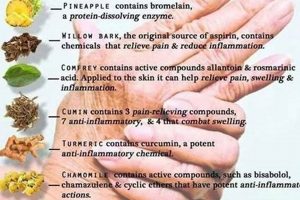
The utilization of botanicals to alleviate symptoms associated with benign growths within the uterus represents a significant area of interest in integrative medicine. These plant-derived treatments are often considered as complementary or alternative approaches to conventional medical interventions. As an example, certain plant extracts with anti-inflammatory properties may be explored for their potential to reduce discomfort related to these growths.
The appeal of these botanical interventions stems from a desire for natural approaches to wellness and a perceived reduction in side effects compared to pharmaceutical options. Historically, various cultures have employed plant-based therapies for reproductive health concerns. The investigation into the efficacy of these traditional practices seeks to validate their potential benefits and understand their mechanisms of action.
The following sections will explore specific botanicals commonly discussed in this context, examine the scientific evidence supporting their use, and outline important considerations regarding safety and potential interactions with other medications. It is crucial to consult with qualified healthcare professionals before initiating any new treatment regimen.
Guidance on Botanical Approaches
The following guidelines address important considerations when exploring plant-based options for uterine fibroid management. Individual responses can vary, and professional medical advice remains paramount.
Tip 1: Research Specific Botanicals: Thoroughly investigate the properties of any proposed botanical intervention. Determine its mechanism of action, potential benefits, and established safety profile through reputable scientific sources.
Tip 2: Consult a Qualified Herbalist: Seek guidance from a certified herbalist with experience in reproductive health. Expertise can ensure appropriate selection and preparation of botanicals, as well as address potential contraindications.
Tip 3: Consider Formulation and Dosage: Botanical preparations vary in concentration and form (e.g., teas, tinctures, capsules). Adherence to recommended dosages is critical, and understanding bioavailability impacts effectiveness.
Tip 4: Be Aware of Potential Interactions: Many botanicals can interact with prescription medications, over-the-counter drugs, and other supplements. Disclose all treatments to healthcare providers to avoid adverse effects.
Tip 5: Monitor for Side Effects: Closely observe for any adverse reactions, such as allergic responses, digestive upset, or changes in menstrual cycles. Discontinue use if concerning symptoms arise and consult a medical professional.
Tip 6: Integrate with Conventional Care: These botanical approaches are best considered as complementary to, not replacements for, conventional medical treatment. Regular monitoring by a gynecologist is essential.
Tip 7: Adopt a Holistic Approach: Dietary modifications, stress management techniques, and regular exercise can synergistically enhance the potential benefits of these botanical strategies.
These recommendations emphasize the significance of informed decision-making, qualified guidance, and careful monitoring. These factors increase the likelihood of safe and effective integration of botanical options into a comprehensive management plan.
The subsequent sections will provide more in-depth information on commonly discussed botanicals and their potential roles within an overall health strategy.
1. Phytoestrogens

Phytoestrogens, compounds found in various plants, exhibit structural similarities to mammalian estrogen. Their presence in botanical preparations marketed for uterine fibroid management raises complex considerations. While some proponents suggest phytoestrogens may exert a balancing effect on estrogen levels, potentially mitigating fibroid growth, the reality is more nuanced. The binding affinity of phytoestrogens to estrogen receptors is generally weaker than that of endogenous estrogen, and their effects can be either estrogenic or anti-estrogenic depending on the tissue type, receptor subtype, and the individual’s hormonal milieu. For instance, soy isoflavones, a common class of phytoestrogens, have demonstrated mixed results in studies related to reproductive health. Some research suggests potential benefits in alleviating menopausal symptoms, while other studies raise concerns about their impact on hormone-sensitive tissues. Therefore, the assumption that phytoestrogens inherently provide a beneficial effect on uterine fibroids lacks definitive scientific support.
The potential influence of phytoestrogens contained in a particular botanical preparation also depends on factors beyond their mere presence. The concentration of these compounds, the specific type of phytoestrogen present (e.g., isoflavones, lignans, coumestans), and the overall composition of the herbal remedy all contribute to the final effect. Moreover, individual variations in metabolism and gut microbiome composition can significantly alter how phytoestrogens are processed and utilized within the body. Due to this complexity, relying solely on phytoestrogenic activity as the primary mechanism of action for a herbal remedy targeting uterine fibroids is an oversimplification. Other components and mechanisms, such as anti-inflammatory or anti-angiogenic effects, may play a more significant role in the overall therapeutic outcome. The effects of phytoestrogen will influence, alter or sometimes worsen the condition of uterine fibroids.
In summary, the connection between phytoestrogens and herbal remedies for uterine fibroids is not a straightforward one. While phytoestrogens may possess certain hormonal activities, their impact on fibroid growth and symptom management remains uncertain. A more holistic view, considering the multifaceted nature of herbal remedies and the complexity of individual physiology, is essential. Claims suggesting that phytoestrogens offer a definitive solution for uterine fibroids require careful scrutiny and should be evaluated within the context of rigorous scientific evidence and professional medical guidance.
2. Anti-inflammatory properties

The reduction of inflammation represents a significant therapeutic target in the context of benign uterine growths. Chronic inflammation can exacerbate symptoms associated with these growths, contributing to pain, heavy bleeding, and other complications. Certain plant-derived compounds possess documented anti-inflammatory properties, suggesting a potential role in managing these conditions.
- Inhibition of Prostaglandin Synthesis
Some botanicals contain constituents that inhibit the production of prostaglandins, hormone-like substances that promote inflammation and pain. For example, compounds found in ginger and turmeric have demonstrated the ability to suppress prostaglandin synthesis. By reducing prostaglandin levels, these botanicals may alleviate pain and discomfort associated with uterine fibroids. It is essential to note that the efficacy of these botanicals may vary based on individual factors and the specific formulation used.
- Modulation of Cytokine Production
Cytokines are signaling molecules that regulate immune responses and inflammation. Dysregulation of cytokine production can contribute to chronic inflammatory conditions. Certain plant extracts have been shown to modulate cytokine production, shifting the balance towards an anti-inflammatory state. For instance, compounds found in green tea have demonstrated the ability to suppress the production of pro-inflammatory cytokines. By modulating cytokine production, these botanicals may help to reduce inflammation within the uterine environment.
- Antioxidant Activity
Oxidative stress, an imbalance between free radical production and antioxidant defenses, can contribute to inflammation. Many botanicals possess antioxidant properties, scavenging free radicals and reducing oxidative stress. For example, compounds found in rosemary and grape seed extract exhibit potent antioxidant activity. By mitigating oxidative stress, these botanicals may help to reduce inflammation and protect tissues from damage.
- Reduction of Mast Cell Activation
Mast cells are immune cells that release inflammatory mediators in response to various stimuli. Excessive mast cell activation can contribute to chronic inflammation. Certain plant-derived compounds have demonstrated the ability to reduce mast cell activation, thereby limiting the release of inflammatory mediators. For example, compounds found in quercetin have been shown to stabilize mast cells and inhibit their activation. By reducing mast cell activation, these botanicals may help to control inflammation and alleviate symptoms associated with uterine fibroids.
The anti-inflammatory properties of certain botanicals may offer a complementary approach to managing uterine fibroid-related symptoms. However, it is critical to recognize that the efficacy and safety of these interventions require further investigation. Individuals considering the use of these botanicals should consult with qualified healthcare professionals to ensure appropriate integration with conventional medical care.
3. Hormonal modulation

Hormonal modulation, the process of influencing hormone levels and activity, is a central concept in the investigation of plant-derived interventions for uterine fibroids. Uterine fibroid growth is, in part, responsive to estrogen and progesterone. Consequently, the hypothesis is that compounds capable of altering the body’s hormonal milieu could potentially affect fibroid development or symptom expression. Certain botanicals are theorized to exert their effects through diverse mechanisms that impact hormone production, metabolism, or receptor activity. For instance, some plants contain compounds believed to inhibit aromatase, the enzyme responsible for converting androgens to estrogens. A reduction in estrogen synthesis could, theoretically, slow fibroid growth. Another example involves botanicals affecting progesterone receptors, either directly binding to them or modulating their sensitivity to progesterone. However, it is essential to emphasize that these hormonal mechanisms are often complex and not fully elucidated.
The complexity of hormonal modulation extends beyond simple adjustments to estrogen or progesterone levels. The balance between different hormones, their metabolites, and the sensitivity of target tissues all play critical roles. Furthermore, individual variability in hormonal status, influenced by age, genetics, and other health conditions, can significantly affect the response to any intervention designed to alter hormone activity. Therefore, while the theoretical basis for hormonal modulation in managing uterine fibroids is plausible, its practical application demands careful consideration. Ill-advised attempts at hormonal manipulation, particularly without proper medical supervision, can result in unintended consequences, including hormonal imbalances, adverse effects on other hormone-sensitive tissues, and interactions with existing medical conditions or medications.
In summary, the link between hormonal modulation and plant-derived interventions for uterine fibroids is a subject of ongoing scientific inquiry. While certain botanicals possess the capacity to influence hormone activity, the specific mechanisms involved and their overall impact on fibroid growth and symptoms remain areas of active investigation. Responsible and informed use of these botanical options necessitates a comprehensive understanding of the complex interplay of hormones and a cautious approach that prioritizes patient safety and evidence-based practices.
4. Circulation enhancement

Adequate blood flow to the uterus is integral to tissue health and physiological function. Impaired circulation can contribute to various uterine conditions, potentially exacerbating the symptoms associated with benign growths. The rationale for circulation enhancement as a component of plant-based therapies targeting these growths centers on the premise that improved blood supply can deliver essential nutrients, oxygen, and immune factors to the affected tissues while facilitating the removal of metabolic waste products. Certain botanicals are believed to possess properties that promote vasodilation, reduce inflammation within blood vessels, or otherwise improve blood flow to the pelvic region. For instance, compounds found in ginger and Ginkgo biloba are traditionally used to enhance circulation. The purported mechanism involves increasing nitric oxide production, a potent vasodilator that relaxes blood vessel walls, thereby increasing blood flow. Improved circulation may alleviate discomfort and promote tissue regeneration.
The practical significance of understanding the link between circulation enhancement and the use of plant-derived therapies lies in the potential for targeted interventions. For example, individuals experiencing pelvic congestion or vascular constriction may benefit from botanicals known to promote vasodilation. Similarly, formulations that combine circulation-enhancing herbs with other ingredients aimed at addressing hormonal imbalances or inflammation may offer a synergistic effect. However, caution is warranted. Certain botanicals with potent circulatory effects may interact with anticoagulant medications or pose risks for individuals with bleeding disorders. Furthermore, the efficacy of circulation-enhancing herbs for treating uterine conditions requires rigorous scientific evaluation. Clinical trials are needed to determine the optimal dosage, duration of treatment, and specific patient populations most likely to benefit.
In summary, the enhancement of uterine circulation represents a plausible adjunct to conventional or alternative therapeutic strategies. The strategic integration of plant-based therapies with known circulatory benefits may contribute to improved tissue health and symptom management. While the existing evidence base remains limited, ongoing research holds the promise of clarifying the role of circulation enhancement and the potential benefits of specific botanical interventions. The approach should emphasize informed decision-making, professional medical guidance, and an awareness of potential risks and interactions.
5. Traditional usage

The historical application of plant-based treatments provides a context for examining contemporary uses of botanical interventions. Traditional systems of medicine, developed over centuries, offer insights into potential therapeutic approaches. The exploration of traditional usage in relation to uterine fibroids necessitates a critical assessment of both the documented practices and the underlying rationale.
- Historical Documentation
Traditional medical texts, such as those from Traditional Chinese Medicine (TCM) or Ayurveda, document the use of specific herbs and formulations for addressing gynecological conditions exhibiting symptoms consistent with uterine fibroids. These historical records offer a starting point for identifying botanicals with a long-standing association with uterine health. For example, TCM texts may describe formulations containing herbs like Gui Zhi (cinnamon twig) and Fu Ling (Poria cocos) for addressing blood stasis and dampness, conditions sometimes associated with uterine masses.
- Cultural Context and Interpretation
The interpretation of traditional usage requires consideration of the cultural context in which these practices originated. Diagnostic categories and treatment paradigms in traditional systems often differ significantly from modern biomedical approaches. Therefore, direct translation of traditional remedies to contemporary medical practice may not be appropriate. Understanding the underlying energetic or humoral principles associated with a particular herb is essential for informed application. Traditional usage emphasizes addressing the root cause of imbalance, rather than solely targeting the symptoms.
- Empirical Evidence and Observation
Many traditional herbal remedies are based on empirical evidence derived from centuries of observation. While this historical experience provides valuable clues, it is crucial to recognize the limitations of anecdotal data. Lack of controlled trials, standardized preparations, and rigorous outcome measures makes it challenging to assess the true efficacy of traditional remedies. However, the persistence of certain practices across generations suggests potential therapeutic value warranting further scientific investigation.
- Safety Considerations
Traditional usage does not automatically guarantee safety. Some herbs commonly used in traditional medicine may possess toxic properties or interact negatively with conventional medications. Therefore, a thorough understanding of the potential risks associated with any traditional remedy is essential. Consulting with qualified practitioners experienced in both traditional and modern medicine can help to minimize the risk of adverse effects. Safety considerations must be paramount when integrating traditional remedies into contemporary healthcare practices.
In summary, the exploration of traditional usage offers a valuable perspective for identifying potential botanical interventions. Historical documentation, cultural context, empirical evidence, and safety considerations should be carefully considered when integrating traditional remedies into contemporary healthcare practices.
6. Safety profile

The evaluation of the safety profile is a critical component in the assessment of any herbal remedy for uterine fibroids. The potential for adverse effects, interactions with conventional medications, and contraindications necessitates a thorough understanding of the risk-benefit ratio associated with each botanical intervention. Unlike pharmaceutical drugs, herbal remedies often contain multiple active constituents, making it challenging to isolate specific compounds responsible for observed effects, both therapeutic and adverse. Therefore, a comprehensive safety evaluation should encompass not only individual ingredients but also the potential synergistic or antagonistic interactions among them. For example, a seemingly benign herb, when combined with a prescription medication, could alter its metabolism, leading to either reduced efficacy or increased toxicity. A woman utilizing St. John’s Wort alongside oral contraceptives might experience reduced contraceptive effectiveness, highlighting the practical significance of understanding potential drug-herb interactions.
The absence of standardized manufacturing practices for many herbal remedies presents a further challenge to ensuring safety. Variations in cultivation, harvesting, processing, and storage can significantly affect the concentration of active compounds and the presence of contaminants, such as heavy metals or pesticides. This variability underscores the importance of sourcing herbal products from reputable manufacturers who adhere to Good Manufacturing Practices (GMP). Furthermore, individuals with pre-existing medical conditions, such as liver or kidney disease, may be more susceptible to adverse effects from herbal remedies due to impaired detoxification or excretion. Allergic reactions to plant-derived compounds also represent a potential risk. For instance, someone with a known allergy to ragweed might experience cross-reactivity to echinacea, a commonly used immune-stimulating herb. Prior allergy history must be carefully considered.
In summary, a rigorous evaluation of the safety profile is paramount when considering herbal remedies for uterine fibroids. The potential for adverse effects, drug interactions, variable product quality, and individual susceptibility necessitates a cautious approach. Individuals should seek guidance from qualified healthcare professionals, including physicians and experienced herbalists, to ensure informed decision-making and appropriate integration of herbal remedies with conventional medical care. Transparency regarding the safety profile is essential for fostering trust and promoting responsible use of these interventions.
Frequently Asked Questions
The subsequent section addresses frequently asked questions pertaining to the use of plant-derived interventions for managing benign uterine growths. The responses are intended to provide concise and informative guidance, underscoring the importance of professional medical advice.
Question 1: Are herbal remedies a substitute for conventional medical treatment of uterine fibroids?
Herbal remedies should not be considered a replacement for conventional medical care, such as surgery, hormonal therapies, or other interventions prescribed by a physician. These treatments may be used as a complementary approach under the guidance of a qualified healthcare professional.
Question 2: What evidence supports the effectiveness of herbal remedies for uterine fibroids?
The scientific evidence supporting the efficacy of many herbal remedies remains limited. While some studies suggest potential benefits, rigorous clinical trials are often lacking. Evidence for certain individual herbs, such as green tea extract, is more robust than others. Thorough research of specific interventions is advised.
Question 3: Are herbal remedies safe for all individuals with uterine fibroids?
Herbal remedies are not universally safe. Certain botanicals can interact with prescription medications, exacerbate existing medical conditions, or trigger allergic reactions. Consultation with a healthcare professional is essential to assess individual risk factors before initiating any new treatment.
Question 4: How long does it take to see results from herbal remedies?
The time frame for observing noticeable changes may vary depending on the specific herbal remedy, the severity of the condition, and individual factors. Some individuals may experience symptom relief within weeks, while others may require several months of consistent use. Realistic expectations are important.
Question 5: Where can reliable information about herbal remedies for uterine fibroids be found?
Reliable information can be obtained from reputable scientific databases, peer-reviewed journals, and qualified healthcare professionals, including physicians, herbalists, and pharmacists. Be wary of unsubstantiated claims or testimonials from unreliable sources.
Question 6: What are the potential side effects of herbal remedies?
Side effects can vary depending on the specific herbal remedy. Common side effects may include gastrointestinal upset, allergic reactions, skin rashes, or changes in menstrual cycles. More serious side effects are possible but less frequent. Discontinuation of use and consultation with a healthcare provider are warranted if concerning symptoms arise.
These frequently asked questions emphasize the importance of informed decision-making, realistic expectations, and qualified medical guidance in the context of plant-derived interventions.
The following sections will explore ethical considerations when exploring herbal remedies.
Herbal Remedy for Uterine Fibroids
This exploration has provided a detailed overview of plant-derived interventions and their potential role in managing benign uterine growths. It has addressed aspects ranging from phytoestrogens and anti-inflammatory properties to hormonal modulation, circulation enhancement, traditional usage, and safety considerations. The importance of distinguishing between anecdotal evidence and rigorous scientific validation has been emphasized, alongside the necessity of professional medical guidance in treatment decisions.
Continued research is essential to elucidate the true efficacy and safety profiles of various botanicals. Individuals contemplating herbal remedies are urged to prioritize informed decision-making, transparency with healthcare providers, and realistic expectations. A balanced, evidence-based approach will maximize potential benefits while mitigating potential risks associated with these interventions.