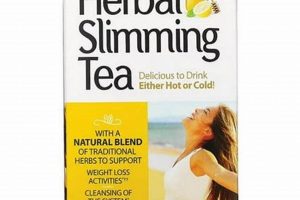
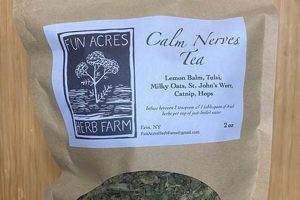
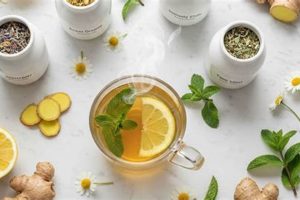
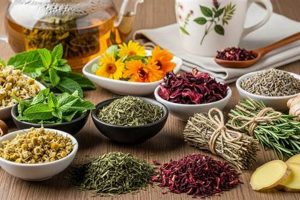
The caloric content of infused herbal beverages is generally quite low. This is because herbal teas are primarily comprised of water and the soluble compounds extracted from herbs during the steeping process. Any calories present typically derive from trace amounts of carbohydrates or other organic compounds found within the plant material itself. For example, a standard cup of brewed chamomile, peppermint, or rooibos tea typically contains fewer than five calories.
Understanding the energy contribution of these beverages is significant for individuals monitoring their dietary intake. These drinks can provide hydration and potential health benefits associated with the specific herbs used, without significantly impacting overall calorie consumption. Historically, herbal infusions have been valued for their medicinal properties and as a calorie-free or low-calorie alternative to sugary drinks, supporting weight management or other dietary goals.
Therefore, examining the specific factors influencing the slight variations in caloric content, the role of additives, and a comparison with other beverage choices provides a more complete understanding of the energy profile of herbal infusions.
Calorie Awareness in Herbal Tea Consumption
The following recommendations are intended to provide clarity regarding the negligible caloric impact of most herbal infusions and factors to consider for those with strict dietary restrictions.
Tip 1: Select Pure Herbal Blends: Prioritize teas composed solely of herbs, flowers, and spices without added sugars or sweeteners. These ingredients naturally contribute minimal calories.
Tip 2: Scrutinize Ingredient Lists: Thoroughly examine packaging labels for any hidden sources of sugar, such as honey powder, fruit juice concentrates, or artificial sweeteners, all of which can increase caloric content.
Tip 3: Brew Appropriately: Adhere to recommended steeping times and avoid over-extraction, which can release more complex carbohydrates and potentially slightly elevate the caloric value.
Tip 4: Be Mindful of Additives: Exercise caution with additions like milk, cream, honey, or sugar. These significantly augment the calorie count and alter the health profile of the beverage.
Tip 5: Consult Nutritional Information: When available, review the nutritional information provided by the tea manufacturer to ascertain the specific calorie content per serving.
Tip 6: Consider Brewing Method: Utilize filtered water for brewing to avoid introducing external contaminants or minerals that could subtly affect the composition and caloric profile.
Tip 7: Maintain Moderation: While generally low in calories, excessive consumption of any beverage, including herbal tea with added sweeteners, can contribute to overall caloric intake.
Adhering to these guidelines ensures that herbal tea consumption remains a virtually calorie-free component of a balanced diet. The focus should remain on the inherent benefits of the herbs themselves.
With a clear understanding of these points, one can confidently integrate herbal infusions into a health-conscious lifestyle, recognizing their minimal contribution to overall energy intake.
1. Minimal inherent calories
The concept of minimal inherent calories is central to the question of whether herbal infusions contribute significantly to daily energy intake. Herbal teas, by definition, are primarily water-based extracts of plant materials. The plants themselves contain carbohydrates, proteins, and fats, which are potential calorie sources. However, the steeping process extracts only a small fraction of these compounds, resulting in a low concentration within the final brewed beverage. For instance, dried hibiscus flowers, when steeped, release vibrant colors and tart flavors, but contribute only a negligible amount of sugar or other calorie-containing substances to the water. This contrasts sharply with beverages like fruit juice or soda, where sugar concentration is substantially higher.
The practical significance of this characteristic is particularly relevant for individuals managing their weight or blood sugar levels. The negligible caloric content allows for the consumption of herbal tea as a hydrating and potentially beneficial beverage without concern for significant energy intake. Furthermore, the low caloric value distinguishes herbal infusions from other beverages that may contribute to weight gain or metabolic imbalances. The selection of an unsweetened herbal tea over a sweetened drink becomes a conscious choice in reducing overall caloric consumption. Even flavored herbal teas are usually low in calories.
In summary, the characteristic of minimal inherent calories is a defining feature of herbal teas and a key determinant in their classification as a low-energy beverage. While other factors like additives can influence the overall caloric content, the inherent composition of most herbal infusions ensures they remain a practical choice for those seeking hydration without a substantial caloric burden. The challenges lie in accurately assessing the impact of additives and ensuring the purity of the herbal ingredients to maintain the integrity of this low-calorie profile.
2. Extraction Variables

The correlation between extraction variables and the caloric contribution of herbal infusions lies in the quantity and type of soluble compounds released from the plant material during brewing. Steeping time, water temperature, and the ratio of herbs to water directly impact the efficiency of extraction. Prolonged steeping or the use of excessively hot water can lead to the release of more complex carbohydrates and other organic molecules from the herbs. While the total caloric increase may still be relatively small, it is a measurable effect. For instance, a tea steeped for five minutes might have a lower caloric value than the same tea steeped for fifteen minutes. The extended brewing period facilitates the dissolution of a greater quantity of plant constituents, including those with energy content.
Consider two scenarios: In one, a tea is brewed according to package instructions, resulting in a light, flavorful infusion with minimal caloric impact. In the other, the same tea is subjected to decoction, a process involving prolonged boiling. The resulting liquid is darker, more concentrated, and possesses a subtly higher caloric value due to the greater extraction of soluble components. This distinction is pertinent for those meticulously tracking dietary intake or managing conditions such as diabetes, where even small variations in carbohydrate consumption can be relevant. Furthermore, the fineness of the herb particles plays a role. Finely ground herbs offer a larger surface area for extraction, potentially increasing the release of soluble compounds, including those contributing to caloric content.
In conclusion, extraction variables are a significant, albeit minor, determinant of the caloric profile of herbal infusions. Understanding these variables allows for a more nuanced assessment of the energy contribution of these beverages. Challenges arise in precisely quantifying the caloric impact of different extraction methods, as it requires sophisticated laboratory analysis. The broader theme remains that while herbal teas are generally low in calories, careful attention to brewing practices can further minimize any potential energy contribution, aligning with the goals of those seeking to optimize their dietary control.
3. Ingredient Purity

Ingredient purity is fundamentally linked to the caloric content of herbal infusions. Contaminants or adulterants within the herbal tea blend can introduce unexpected sources of calories. For instance, the presence of added sugars, even in trace amounts, significantly elevates the energy value of what is ostensibly a low-calorie beverage. Similarly, the inclusion of non-herbal components, such as fruit juice concentrates or maltodextrin (often used as a bulking agent), can contribute hidden calories that are not immediately apparent. The direct effect of decreased purity is a misrepresentation of the infusion’s true energy profile. A tea marketed as “naturally calorie-free” loses credibility if it contains undeclared caloric additives.
The importance of verifying ingredient purity extends beyond mere calorie counting. It relates to the health benefits associated with specific herbs. Adulteration can dilute the active compounds of interest, diminishing the therapeutic potential of the infusion. For example, a chamomile tea containing fillers may offer less of the anxiolytic effect expected from pure chamomile flowers. Real-life examples of this abound in the food and beverage industry, where cost-saving measures sometimes lead to the substitution of genuine ingredients with cheaper alternatives. This practice undermines consumer trust and compromises the nutritional integrity of the product. Therefore, rigorous quality control measures and transparent labeling are essential for maintaining ingredient purity and ensuring accurate caloric information.
In summary, ingredient purity is a critical determinant of the caloric content of herbal infusions. Contamination with caloric additives directly increases the energy value, while adulteration reduces the health benefits of the herbs themselves. The challenge lies in establishing and enforcing strict quality standards to guarantee the integrity of herbal tea blends. By prioritizing ingredient purity, consumers can make informed choices and accurately assess the caloric contribution of these beverages to their overall dietary intake, aligning with the broader theme of health and wellness.
4. Added substances

The addition of substances to herbal infusions directly impacts their caloric content. Herbal teas in their pure form possess minimal calories. However, the inclusion of sweeteners, dairy products, or fruit juices introduces exogenous sources of energy, thereby increasing the overall caloric value. Sweeteners, such as honey, sugar, or artificial substitutes, contribute varying degrees of calories depending on their type and concentration. Dairy products, like milk or cream, introduce fat and carbohydrates, substantially elevating the energy profile. Fruit juices, while seemingly healthy, contain significant amounts of sugar, similarly increasing the caloric load.
The practical significance of understanding the role of added substances lies in accurate dietary management. Individuals seeking to minimize caloric intake or manage blood sugar levels must be aware of the potential impact of these additions. For example, a cup of herbal tea sweetened with a tablespoon of honey can easily contain 60-70 additional calories. Similarly, adding a splash of cream can contribute fat and calories beyond the inherent energy value of the infusion. Furthermore, the types of added substances also matter. Natural sweeteners, like honey or maple syrup, provide some nutritional benefits alongside calories, while artificial sweeteners offer sweetness without a significant caloric contribution but may have other potential health implications. Accurate labeling and transparent ingredient lists are crucial for consumers to make informed choices about added substances.
In summary, added substances represent a primary factor influencing the caloric content of herbal infusions. While pure herbal teas are inherently low in calories, the addition of sweeteners, dairy, or fruit juices can substantially increase their energy value. Understanding the impact of these added substances is essential for effective dietary management and making informed choices about beverage consumption. Challenges exist in consistently and accurately labeling added ingredients and educating consumers about their caloric contributions, linking to the broader theme of nutritional awareness and responsible food and beverage consumption.
5. Preparation methods

The methods employed to prepare herbal infusions exert a measurable influence, albeit generally minor, on the final caloric content of the beverage. While the inherent caloric value of the herbs themselves is low, variations in preparation techniques can either enhance or diminish the extraction of soluble compounds, including those with caloric potential. Thus, understanding these nuances is beneficial for those seeking precise dietary control.
- Steeping Time and Temperature
Extended steeping times and elevated water temperatures facilitate a greater release of soluble carbohydrates and other organic molecules from the herbs into the water. This heightened extraction can subtly increase the caloric value compared to a shorter, cooler infusion. For example, a tea steeped for 10 minutes will typically have a slightly higher caloric content than the same tea steeped for 3 minutes.
- Herb-to-Water Ratio
The ratio of herbs to water also plays a role. A higher concentration of herbs in a given volume of water results in a more concentrated infusion, potentially increasing the extraction of caloric compounds. While still low in absolute terms, the relative increase can be noticeable. For instance, using twice the recommended amount of herbs will likely yield a tea with marginally more calories.
- Filtration Techniques
The filtration method used can influence the presence of particulate matter in the final beverage. Less effective filtration may allow small herb particles to remain suspended, contributing to a slightly higher caloric value. Conversely, thorough filtration removes these particles, minimizing their caloric contribution. A tea strained through a fine-mesh filter will generally have fewer suspended solids and thus a lower caloric content than one strained through a coarser filter.
- Use of Decoction vs. Infusion
Decoction, which involves simmering herbs in water for an extended period, extracts a greater quantity of compounds compared to simple infusion (steeping in hot water). This method is typically reserved for tougher plant parts like roots and bark. The resultant liquid often contains more complex carbohydrates and a slightly higher caloric value. A decoction of ginger root, for instance, will likely have more calories than an infusion of ginger slices.
In conclusion, while preparation methods do influence the caloric content of herbal infusions, the magnitude of this effect is typically small. The inherent low-calorie nature of most herbs ensures that variations in steeping time, herb-to-water ratio, filtration, and decoction have only a subtle impact on the final caloric value. However, awareness of these factors allows for a more precise understanding of the energy profile of these beverages, particularly for individuals with strict dietary requirements.
6. Serving size
Serving size directly correlates with the overall caloric intake from herbal infusions. While a single serving of herbal tea generally contains minimal calories, the cumulative effect of multiple servings can contribute to a measurable, albeit still small, increase in daily energy consumption. Therefore, understanding the recommended serving size and its impact on total caloric intake is essential for individuals monitoring their dietary habits or managing specific health conditions. For instance, a person consuming one cup of unsweetened chamomile tea daily will experience a negligible caloric impact. However, someone drinking five cups throughout the day, even without added sweeteners, may consume a slightly higher, though still relatively low, amount of calories.
The effect is amplified when sweeteners or other additives are included. A serving of herbal tea sweetened with honey will have a higher caloric content than an unsweetened serving. Consequently, frequent consumption of sweetened herbal teas can contribute significantly to overall sugar and calorie intake. The practical significance of this understanding lies in portion control. Being mindful of serving sizes and limiting the number of sweetened servings per day can help individuals maintain a balanced diet and avoid excessive caloric consumption. Furthermore, it enables a more accurate assessment of the dietary impact of herbal teas, allowing for informed decisions regarding beverage choices.
In summary, serving size plays a crucial role in determining the overall caloric contribution of herbal infusions. While individual servings typically contain few calories, the cumulative effect of multiple servings, especially with added sweeteners, can impact daily energy intake. The challenge rests in promoting awareness of recommended serving sizes and encouraging mindful consumption to ensure that herbal teas remain a low-calorie component of a balanced diet, aligning with the broader theme of health and responsible food choices. The interaction with serving size can be overlooked with respect to considering the caloric contribution of herbal tea, highlighting the necessity to consider this potential impact when evaluating consumption.
7. Metabolic impact

The metabolic impact of herbal infusions, while generally subtle, is interconnected with their caloric content, or lack thereof. Herbal teas with negligible caloric contribution have minimal direct influence on blood glucose levels or insulin response, making them a suitable beverage choice for individuals with diabetes or those following low-carbohydrate diets. This near absence of caloric effect distinguishes them from beverages high in sugars or refined carbohydrates, which trigger rapid increases in blood glucose and necessitate insulin secretion. The metabolic impact, therefore, arises not from the presence of calories but from their absence, allowing the body to maintain metabolic homeostasis without significant disruption.
Specific herbs within infusions may possess properties that indirectly influence metabolism. For example, green tea, although technically not an herbal tea, contains catechins that have been shown to modestly increase thermogenesis and fat oxidation in some individuals. Similarly, certain herbal teas are purported to aid digestion or reduce bloating, indirectly impacting metabolic processes. However, these effects are typically subtle and should not be considered a primary means of weight management or metabolic control. The presence of added sweeteners or dairy products can negate these potentially beneficial effects, as the caloric contribution from these additions significantly alters the metabolic response. Therefore, the focus remains on the inherent properties of the herbs themselves and the avoidance of caloric additives.
In summary, the metabolic impact of herbal infusions is closely tied to their caloric content. Infusions with minimal calories have a negligible direct effect on blood glucose or insulin levels, while specific herbs may offer subtle, indirect metabolic benefits. The challenge lies in separating anecdotal claims from scientifically validated effects and ensuring that added substances do not negate the potentially positive metabolic contributions. By prioritizing pure, unsweetened herbal teas, individuals can enjoy a hydrating beverage with minimal metabolic disruption, aligning with broader goals of health and well-being.
Frequently Asked Questions
The following questions address common inquiries and misconceptions regarding the presence and significance of calories in herbal infusions.
Question 1: Are all herbal infusions inherently calorie-free?
While most herbal infusions are very low in calories, a truly calorie-free designation is not universally applicable. Trace amounts of soluble carbohydrates and organic compounds within the herbs contribute a negligible, but measurable, caloric value. The absence of added sugars or sweeteners is crucial in maintaining a minimal caloric profile.
Question 2: Do preparation methods impact the caloric content of herbal teas?
Yes, preparation methods exert a subtle influence. Extended steeping times, higher water temperatures, and the use of decoction (simmering) can enhance the extraction of soluble compounds, including those with caloric potential. However, the magnitude of this effect is typically small.
Question 3: How do added ingredients affect the caloric value of herbal infusions?
Added ingredients, such as honey, sugar, milk, or fruit juices, significantly increase the caloric content of herbal infusions. These additions introduce exogenous sources of energy, thereby altering the beverage’s overall caloric profile. The caloric contribution depends on the type and quantity of the added substance.
Question 4: Is there a significant difference in caloric content between different types of herbal infusions?
Slight variations in caloric content can exist between different types of herbal infusions. This is due to variations in the composition and soluble compound profile of the herbs themselves. However, these differences are generally minor and do not significantly impact overall caloric intake.
Question 5: How does the serving size influence the caloric impact of herbal infusions?
Serving size directly correlates with the overall caloric intake. Multiple servings throughout the day can contribute a measurable, albeit still small, increase in daily energy consumption. Mindful portion control is essential for managing caloric intake effectively.
Question 6: Can herbal infusions contribute to weight gain?
When consumed in their pure, unsweetened form, herbal infusions are unlikely to contribute to weight gain due to their minimal caloric content. However, frequent consumption of sweetened herbal teas or the addition of high-calorie ingredients can contribute to increased energy intake and potential weight gain.
In summary, while herbal infusions are generally low in calories, understanding the nuances of preparation methods, added ingredients, and serving sizes is essential for accurate dietary management.
The following section explores the specific herbs and their impact on weight management.
Caloric Considerations in Herbal Infusions
The inquiry into the caloric content of herbal infusions reveals that while generally low in energy, a nuanced understanding is required. Factors such as ingredient purity, preparation methods, and the inclusion of additives impact the ultimate caloric value. Individuals monitoring dietary intake should remain cognizant of these variables to accurately assess the contribution of these beverages to overall energy consumption. A focus on pure, unsweetened herbal teas ensures minimal caloric impact.
The information presented here underscores the importance of informed consumption. Continued vigilance in scrutinizing ingredient labels and understanding preparation methods will allow for a more precise assessment of caloric content. By prioritizing awareness and adhering to responsible consumption practices, the benefits of herbal infusions can be realized without compromising dietary goals.