Botanical remedies intended to modulate endocrine function have gained attention as potential tools for addressing hormonal imbalances. These products, derived from plants, are often consumed with the goal of alleviating symptoms associated with fluctuating hormone levels. Examples include the use of black cohosh for menopausal symptoms and chasteberry for menstrual irregularities.
Maintaining equilibrium within the endocrine system is critical for overall health. Hormones regulate a wide array of physiological processes, including metabolism, reproduction, and mood. The historical use of plants for medicinal purposes suggests a long-standing interest in leveraging natural compounds to influence these processes, though rigorous scientific evaluation of their efficacy and safety is essential.
The following sections will explore the mechanisms of action, potential risks, and clinical evidence surrounding the use of various botanical interventions for hormonal regulation. The article will also consider the importance of consulting with healthcare professionals before incorporating these substances into a treatment regimen.
Guidance on Botanical Support for Endocrine Harmony
The integration of plant-derived products into a regimen designed to promote hormonal balance requires careful consideration. The subsequent guidelines provide insights into responsible and informed use.
Tip 1: Prioritize Consultation with a Healthcare Professional: Comprehensive evaluation by a qualified physician, endocrinologist, or registered herbalist is essential before initiating any botanical intervention. This ensures accurate diagnosis and personalized recommendations.
Tip 2: Conduct Thorough Research on Specific Botanicals: Investigate the scientific literature pertaining to the intended herb, focusing on its mechanism of action, potential side effects, and interactions with existing medications.
Tip 3: Adhere to Recommended Dosages: Strictly follow the dosage guidelines provided by a qualified practitioner or the manufacturer of the product. Exceeding recommended dosages does not necessarily enhance efficacy and may increase the risk of adverse effects.
Tip 4: Choose Reputable Brands and Quality Products: Select products from manufacturers that adhere to stringent quality control standards, including third-party testing for purity and potency. Opt for standardized extracts when available, as they offer more consistent levels of active compounds.
Tip 5: Monitor for Adverse Reactions: Remain vigilant for any adverse reactions, such as allergic responses, gastrointestinal disturbances, or changes in menstrual cycles. Discontinue use immediately if any concerning symptoms arise and seek medical attention.
Tip 6: Understand Potential Drug Interactions: Be aware that certain botanicals can interact with pharmaceutical medications, either enhancing or diminishing their effects. Provide a complete list of all supplements and medications to the healthcare provider to minimize risk.
Tip 7: Adopt a Holistic Approach: Botanical support is most effective when combined with lifestyle modifications, including a balanced diet, regular exercise, stress management techniques, and adequate sleep. These factors contribute significantly to overall endocrine health.
Responsible and informed utilization of plant-derived remedies, combined with professional guidance and holistic lifestyle choices, constitutes the optimal strategy for supporting endocrine harmony.
The following section will provide further information on the selection and sourcing of appropriate botanical products for endocrine support.
1. Efficacy and Evidence

The efficacy of botanical remedies intended to modulate endocrine function is a subject of ongoing scientific inquiry. Rigorous evaluation requires well-designed clinical trials to establish cause-and-effect relationships between specific herbs and measurable hormonal changes or symptom relief. The presence of robust efficacy data is paramount in validating the use of any plant-derived agent for hormone balance, ensuring that claims are substantiated by demonstrable results rather than anecdotal evidence alone.
For example, while some studies suggest that black cohosh may alleviate certain menopausal symptoms, others have yielded conflicting results. Similarly, the purported benefits of chasteberry for premenstrual syndrome are supported by some research, but the overall evidence base remains limited. The practical significance lies in the ability to differentiate between potentially beneficial treatments and those lacking scientific support, thereby guiding informed decision-making for both healthcare providers and individuals seeking hormonal equilibrium. These assessments must consider factors such as study design, sample size, and the specific formulations used.
In conclusion, establishing efficacy through robust evidence is crucial for the responsible utilization of plant-derived interventions for hormone balance. The challenges lie in conducting methodologically sound research and addressing the complexities inherent in studying botanical substances. A continued emphasis on scientific validation is essential to inform clinical practice and ensure patient safety.
2. Safety Considerations
The integration of botanical agents to modulate hormonal activity necessitates careful evaluation of potential risks. Adverse effects, though not universally experienced, can arise from various mechanisms. These include allergic reactions, interactions with prescription medications, and inherent toxicities associated with certain plant compounds. For instance, some herbs contain compounds that, while potentially beneficial at low doses, can exert detrimental effects on the liver or kidneys when consumed in excess. Consequently, thorough understanding of safety profiles is paramount before initiating use.
Considerations must extend beyond inherent toxicity to encompass manufacturing quality and purity. Botanical supplements are not subject to the same rigorous regulatory oversight as pharmaceutical drugs. This can lead to inconsistencies in product composition and potential contamination with heavy metals, pesticides, or other adulterants. Such contaminants can introduce unexpected risks and undermine the intended therapeutic benefits. Independent third-party testing and certifications from reputable organizations can offer some assurance of product quality. Individuals should also disclose all supplement use to their healthcare provider to avoid potential drug interactions.
The safety of botanical supplements for hormone modulation is not guaranteed. Rigorous scientific investigation, standardized manufacturing processes, and informed consumer choices are essential to minimize potential harm. Healthcare professionals should prioritize patient safety by providing evidence-based guidance and monitoring for adverse effects. Further research into the long-term safety of these supplements is warranted, particularly in vulnerable populations such as pregnant women, nursing mothers, and individuals with pre-existing medical conditions. The informed and judicious use of botanical supplements is key to maximizing potential benefits while mitigating risks.
3. Specific Herb Actions
The therapeutic utility of botanical remedies for hormonal regulation is predicated on the specific pharmacological actions of individual plant constituents. Each herb possesses a unique profile of bioactive compounds that exert influence on the endocrine system through diverse mechanisms. These mechanisms may involve direct interaction with hormone receptors, modulation of hormone synthesis or metabolism, or indirect effects on related physiological pathways. Consequently, understanding the precise actions of individual herbs is crucial for selecting appropriate interventions and predicting potential outcomes.
For example, the purported benefits of chasteberry (Vitex agnus-castus) for premenstrual syndrome are attributed to its ability to bind to dopamine receptors, potentially reducing prolactin secretion. This action can help alleviate symptoms such as breast tenderness and mood swings. Similarly, black cohosh (Actaea racemosa) is believed to exert its effects on menopausal symptoms through interactions with estrogen receptors, although the precise mechanism remains a subject of ongoing research. The practical significance of this understanding lies in the ability to target specific hormonal imbalances with tailored botanical interventions, rather than relying on a one-size-fits-all approach. An informed practitioner can leverage this knowledge to select the most appropriate herb or herbal combination based on an individual’s specific hormonal profile and symptom presentation.
In summary, the efficacy and safety of plant-derived interventions for hormonal regulation are inextricably linked to the specific actions of individual herbs. Comprehensive understanding of these actions, coupled with careful consideration of individual factors, is essential for responsible and effective integration of botanical remedies into a holistic treatment approach. Challenges remain in fully elucidating the complex mechanisms of action of many herbs, highlighting the need for continued research. Such research will allow for more targeted and evidence-based application of these substances in clinical practice, ensuring patient safety and optimizing therapeutic outcomes.
4. Dosage and Quality

The therapeutic efficacy of botanical interventions designed to modulate endocrine function is critically dependent on both dosage and quality. Dosage refers to the quantity of the herbal substance administered, while quality encompasses factors such as purity, potency, and standardization of active compounds. An insufficient dosage may fail to elicit the desired physiological response, while an excessive dosage can increase the risk of adverse effects. Similarly, substandard quality, characterized by adulteration or inconsistent levels of active constituents, can undermine efficacy and potentially introduce harmful contaminants. For example, if a product claiming to contain a specific quantity of chasteberry extract actually contains a lower concentration or is contaminated with other substances, the intended hormonal effects may not be achieved, or unintended consequences may arise.
The practical significance of this understanding extends to several domains. Healthcare practitioners must possess a thorough understanding of recommended dosages for different botanical agents and be able to evaluate the quality of commercially available products. Consumers should prioritize products from reputable manufacturers that adhere to stringent quality control standards and provide transparent information regarding product composition and testing procedures. Furthermore, individual responses to herbal interventions can vary significantly, necessitating careful monitoring and dosage adjustments as needed. In certain clinical scenarios, compounding pharmacies may be utilized to prepare customized formulations with precise dosages of specific herbal ingredients, ensuring greater control over quality and potency.
In conclusion, the interplay between dosage and quality is a critical determinant of the safety and efficacy of botanical therapies aimed at hormone balance. Challenges remain in ensuring consistent product quality and in establishing optimal dosage regimens for diverse populations. A collaborative effort involving healthcare professionals, manufacturers, and regulatory agencies is essential to promote responsible and effective utilization of these interventions. Ongoing research is needed to further elucidate the dose-response relationships and to refine quality control standards for botanical supplements.
5. Individual Variability

Individual variability represents a significant factor influencing the response to botanical interventions for hormonal regulation. The complexity of human physiology and genetics dictates that the same herbal supplement will not produce identical effects across all individuals. This inherent variability necessitates a personalized approach to the selection and application of plant-derived therapies.
- Genetic Predisposition
Genetic polymorphisms, or variations in genes, can influence the metabolism and utilization of herbal compounds. For instance, differences in genes encoding liver enzymes responsible for drug metabolism can alter the bioavailability and clearance rates of certain plant constituents. This can lead to variations in therapeutic response and susceptibility to adverse effects.
- Physiological State
An individual’s physiological state, encompassing factors such as age, sex, body weight, and overall health status, profoundly affects the response to herbal supplements. The aging process can alter hormone receptor sensitivity and metabolic capacity, influencing the effectiveness of endocrine-modulating herbs. Similarly, pre-existing medical conditions, such as liver or kidney dysfunction, can impair the body’s ability to process and eliminate these substances, potentially increasing the risk of toxicity.
- Lifestyle Factors
Lifestyle choices, including diet, exercise habits, and stress levels, exert a substantial influence on hormonal balance and responsiveness to herbal interventions. Nutritional deficiencies can compromise endocrine function and alter the metabolism of plant-derived compounds. Chronic stress can disrupt the hypothalamic-pituitary-adrenal (HPA) axis, affecting the efficacy of adaptogenic herbs intended to modulate stress response.
- Gut Microbiome Composition
The composition of the gut microbiome plays a crucial role in the metabolism and bioavailability of certain herbal constituents. Gut bacteria can transform plant compounds into more active or inactive metabolites, altering their therapeutic effects. Individual differences in gut microbiome composition can therefore contribute to variations in response to botanical interventions.
Acknowledging and accounting for individual variability is crucial for optimizing the use of plant-derived therapies for hormone balance. The complexities of this relationship emphasize the importance of consulting with qualified healthcare practitioners who can assess individual factors and tailor treatment strategies accordingly.
6. Professional Guidance

The utilization of botanical interventions for hormonal modulation necessitates informed oversight. Consulting with qualified healthcare providers is paramount to ensure safe and efficacious outcomes. The complex interactions between plant-derived compounds and human physiology demand expertise beyond readily available information.
- Assessment and Diagnosis
A healthcare professional can conduct a comprehensive assessment to determine the underlying causes of hormonal imbalances. Diagnostic testing, including blood hormone level analysis, may be required to identify specific deficiencies or excesses. Accurate diagnosis is essential for selecting appropriate herbal interventions and avoiding potentially harmful self-treatment. For instance, symptoms of fatigue may stem from thyroid dysfunction, adrenal insufficiency, or other underlying conditions, requiring targeted interventions that a healthcare provider can identify.
- Selection of Appropriate Herbs
Qualified herbalists and physicians possess specialized knowledge of botanical pharmacology and can guide the selection of appropriate herbs based on individual needs and health conditions. The interaction profiles of botanicals and pharmaceuticals are complicated. An expert knows how to combine to achieve the desired result. For example, the interaction of chasteberry with hormonal birth control.
- Dosage and Administration
Determining appropriate dosages of herbal supplements requires careful consideration of individual factors such as age, weight, and health status. Healthcare professionals can provide personalized dosage recommendations based on clinical experience and scientific evidence. The potential for variable potency and bioavailability among different herbal products further underscores the need for expert guidance. Overdosage of certain herbal constituents can lead to adverse effects, emphasizing the importance of adhering to recommended guidelines.
- Monitoring and Evaluation
Regular monitoring is essential to assess the effectiveness and safety of botanical interventions. Healthcare providers can track hormonal levels, assess symptom changes, and monitor for any adverse reactions. Adjustments to the treatment plan may be necessary based on individual responses and emerging clinical evidence. Continuous communication between the individual and healthcare provider is crucial for optimizing therapeutic outcomes. Professional guidance facilitates responsible and evidence-based utilization of botanical resources for hormonal health.
These facets serve as a reminder for comprehensive and collaborative healthcare management, emphasizing the significance of professional expertise in optimizing results and reducing potential risks when considering botanical supplements for hormonal support.
Frequently Asked Questions
The following questions address common inquiries and concerns regarding the use of plant-derived substances to support hormonal balance. The information provided is intended for educational purposes and does not constitute medical advice.
Question 1: Are botanical remedies a universally safe alternative to conventional hormone therapies?
Botanical interventions, like any therapeutic modality, carry potential risks. While certain plant-derived compounds may offer benefits for hormone balance, they are not inherently safer than conventional hormone therapies. Factors such as individual sensitivities, drug interactions, and product quality can significantly impact safety profiles. Consultation with a qualified healthcare provider is essential to assess individual risks and benefits.
Question 2: How is the efficacy of herbal supplements for hormone balance scientifically validated?
Efficacy is ideally established through rigorous clinical trials. However, the scientific evidence supporting the use of many herbal supplements for hormone balance remains limited or inconsistent. Methodological challenges, such as variability in product composition and difficulties in blinding participants, can complicate research efforts. Therefore, critical evaluation of available evidence is essential before considering these interventions.
Question 3: What are the potential risks of combining herbal supplements with prescription medications?
Certain botanical compounds can interact with pharmaceutical drugs, either enhancing or diminishing their effects. For example, St. John’s Wort can interfere with the metabolism of numerous medications, potentially reducing their effectiveness. Individuals taking prescription medications should always inform their healthcare provider of any supplement use to avoid potentially dangerous interactions.
Question 4: How can the quality and purity of herbal supplements be ensured?
Quality and purity can vary significantly among different brands and products. Selecting supplements from reputable manufacturers that adhere to stringent quality control standards is recommended. Third-party testing and certifications from organizations such as USP (United States Pharmacopeia) can provide some assurance of product quality. However, even with these measures, complete assurance of purity and potency is not always possible.
Question 5: Are herbal supplements regulated by governmental agencies?
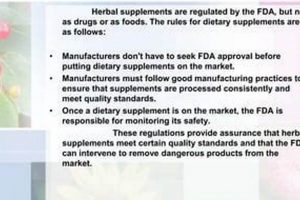
Herbal supplements are generally regulated as dietary supplements rather than drugs. This means that they are not subject to the same rigorous pre-market approval process as pharmaceutical medications. The FDA (Food and Drug Administration) does have the authority to take action against adulterated or misbranded dietary supplements, but its oversight is limited compared to that of prescription drugs.
Question 6: Can herbal supplements effectively address all types of hormonal imbalances?
The effectiveness of herbal supplements varies depending on the specific hormonal imbalance and individual factors. While certain herbs may offer benefits for specific conditions, such as menopausal symptoms or premenstrual syndrome, they are not a panacea for all hormonal issues. Complex hormonal disorders may require conventional medical treatment, and herbal supplements should not be considered a substitute for appropriate medical care.
In summary, the use of botanical supplements for hormone balance requires careful consideration, informed decision-making, and professional guidance. Potential benefits must be weighed against potential risks, and treatment strategies should be tailored to individual needs and circumstances.
The following section will offer a comprehensive overview of specific herbs commonly used for hormone balance, detailing their purported benefits, potential risks, and mechanisms of action.
Herbal Supplements for Hormone Balance
The preceding exploration of botanical remedies for endocrine modulation reveals a landscape characterized by both promise and complexity. While specific plant-derived compounds may offer benefits for hormone balance, a critical evaluation of efficacy, safety, and quality is paramount. The scientific evidence supporting the use of many herbal supplements remains limited, necessitating cautious interpretation of available data. Individual variability in response, potential drug interactions, and the absence of stringent regulatory oversight underscore the need for informed decision-making.
The information presented serves to emphasize the significance of professional guidance and responsible utilization of botanical resources. Individuals seeking to address hormonal imbalances should engage with qualified healthcare providers to assess individual needs, evaluate potential risks, and develop tailored treatment strategies. Continued scientific inquiry and stringent quality control measures are essential to ensure the safe and effective integration of herbal supplements into a holistic approach to endocrine health. Ultimately, a commitment to evidence-based practices and informed consumerism will determine the role of botanical remedies in promoting hormonal well-being.