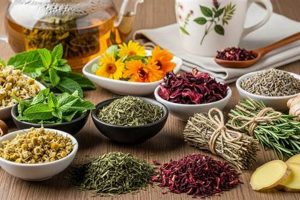
The consumption of infusions made from herbs, spices, and other plant materials as a source of hydration is a common practice. These beverages, distinct from caffeinated teas derived from Camellia sinensis, are generally free from caffeine and offer a flavorful alternative to plain water. A primary consideration involves assessing their contribution to overall fluid intake and their subsequent impact on bodily functions.
Adequate hydration is critical for maintaining physiological processes, including temperature regulation, nutrient transport, and waste removal. Beverages that contribute to this fluid balance provide health benefits that support cellular function and overall well-being. The historical use of herbal infusions spans cultures, often serving dual purposes of hydration and therapeutic remedies. The consumption of such beverages may contribute vital nutrients depending on the ingredients utilized.
Therefore, this exploration will focus on the hydrating properties of these infusions, examining the effects of their diuretic components, and evaluating their potential contribution to daily fluid requirements. Further, consideration will be given to any potential drawbacks associated with their consumption.
Guidance on Incorporating Herbal Infusions for Hydration
The following outlines practical guidance on utilizing herbal infusions as a component of overall hydration strategy. These suggestions emphasize mindful consumption and awareness of individual responses.
Tip 1: Prioritize Variety. Rotate different herbal infusion blends to ensure a diverse intake of nutrients and to minimize potential overexposure to any single compound. Examples include alternating between chamomile, peppermint, and rooibos infusions.
Tip 2: Observe Individual Reactions. Monitor the body’s response to different herbal infusions. While generally mild, some herbs may cause digestive discomfort or allergic reactions in certain individuals. Discontinue use and consult a healthcare professional if adverse effects occur.
Tip 3: Adjust Infusion Strength. Control the concentration of the infusion by adjusting the steeping time and the amount of herb used. A weaker infusion may be preferable for sustained hydration throughout the day, while a stronger infusion can be reserved for specific purposes, such as relaxation before sleep.
Tip 4: Complement Plain Water Intake. Consider herbal infusions as a supplement to, not a replacement for, plain water. Ensure that plain water remains the primary source of hydration.
Tip 5: Time Consumption Strategically. Avoid consuming large quantities of herbal infusions immediately before bed, particularly those with mild diuretic effects. This can minimize nighttime disruptions due to increased urination.
Tip 6: Consider underlying medical condition. Consider any underlying medical conditions or medications. Certain herbs may interact with medications or exacerbate existing health issues. Consult a physician or qualified herbalist for personalized advice.
Effective utilization of herbal infusions requires mindful attention to individual needs and responses. Varied consumption, attentive monitoring, and strategic timing can maximize the benefits of these beverages while minimizing potential drawbacks.
These considerations contribute to a comprehensive understanding of how herbal infusions integrate into a balanced hydration regimen. The subsequent sections will address potential contraindications and long-term considerations.
1. Hydration contribution

The extent to which herbal infusions augment overall hydration levels hinges on their composition and potential diuretic effects. While the water content of these beverages directly contributes to fluid intake, certain herbal constituents may stimulate increased urine production, thereby potentially diminishing the net hydrating effect. For instance, infusions containing dandelion or parsley are known for their diuretic properties. Conversely, infusions like chamomile or rooibos possess minimal diuretic effects, and their water content largely contributes to hydration.
The impact of herbal infusions on hydration must be assessed within the context of daily fluid requirements and individual physiological factors. Individuals with conditions such as kidney dysfunction or those taking diuretic medications may experience a more pronounced diuretic effect from certain herbal infusions. Therefore, the contribution of these beverages to hydration should be balanced against the potential for fluid loss. Practical application involves monitoring urine output and adjusting intake accordingly. For example, if increased urination is observed after consuming a specific herbal infusion, reducing its intake or alternating with plain water may be warranted.
In summary, herbal infusions can contribute to daily fluid intake, but their net hydrating effect depends on their composition and individual physiological responses. Recognizing the potential for diuretic effects is crucial for optimizing hydration strategies. Balancing the benefits of fluid intake with the possible fluid loss ensures these beverages contribute effectively to maintaining overall hydration levels.
2. Diuretic effects

The diuretic potential inherent in certain herbal infusions significantly influences their categorization as contributing to fluid intake. The presence of compounds that promote increased urine production impacts the overall hydrating capability of these beverages.
- Mechanism of Action
Diuretic herbs increase urine production by inhibiting the reabsorption of sodium and water in the kidneys. This process results in a net loss of fluid from the body. For example, dandelion and juniper berries contain compounds that act as natural diuretics. The implications for hydration involve a potential offset of the fluid gained from consuming the infusion.
- Variability Among Herbs
The extent of diuretic effects varies significantly among different herbal infusions. Some herbs, such as chamomile and rooibos, exhibit minimal diuretic activity, while others, like parsley and hibiscus, are known for their pronounced diuretic properties. Understanding this variability is crucial for selecting infusions that contribute effectively to hydration without causing excessive fluid loss.
- Influence of Concentration and Dosage
The concentration and dosage of herbal infusions directly impact their diuretic effects. Higher concentrations or increased consumption frequency may amplify diuretic activity, leading to greater fluid loss. Conversely, weaker infusions or infrequent consumption may have negligible diuretic effects. Adjusting the preparation and intake of herbal infusions allows for modulation of their impact on fluid balance.
- Individual Physiological Factors
Individual physiological factors, such as kidney function, blood pressure, and the use of medications, can influence the response to diuretic herbs. Individuals with compromised kidney function may experience heightened diuretic effects, while those taking diuretic medications may encounter synergistic effects. Awareness of these individual factors is essential for safe and effective consumption of herbal infusions as part of a hydration strategy.
The interplay between diuretic effects and the water content of herbal infusions determines their contribution to overall hydration. An understanding of the mechanisms, variability among herbs, dosage considerations, and individual physiological factors is essential for incorporating these beverages effectively into a hydration plan. Careful selection and mindful consumption are required to optimize the hydrating benefits while minimizing potential fluid loss.
3. Nutrient content

The presence and type of nutrients in herbal infusions are pertinent considerations when evaluating their contribution to hydration. While primarily consumed for their fluid content, the nutritional profile of these beverages can augment their overall value. The specific nutrient composition depends largely on the herbs used, influencing the potential health benefits beyond basic hydration.
- Vitamin and Mineral Infusion
Certain herbal infusions contribute vitamins and minerals to the diet. For instance, rosehip infusions are notable for their Vitamin C content, while nettle infusions provide minerals such as iron and potassium. The bioavailability of these nutrients, however, can vary depending on factors like preparation methods and individual absorption rates. The presence of these micronutrients can enhance the overall health benefit derived from the infusion beyond simply contributing to fluid intake.
- Antioxidant Compounds
Many herbs contain antioxidant compounds, such as flavonoids and polyphenols, which offer protection against cellular damage caused by free radicals. Herbal infusions prepared from these herbs, like green tea or rooibos, deliver these antioxidants along with hydration. The antioxidant activity can contribute to various health benefits, including reduced inflammation and improved cardiovascular function. This adds a dimension of health benefit beyond basic water intake.
- Electrolyte Replenishment
Some herbal infusions contain electrolytes, such as potassium and sodium, which are essential for maintaining fluid balance and nerve function. These electrolytes are particularly relevant for individuals engaged in physical activity or those experiencing dehydration due to illness. While the concentration of electrolytes in most herbal infusions is typically lower than in dedicated electrolyte replacement beverages, they can still contribute to replenishing lost electrolytes and supporting hydration.
- Caloric Contribution
Most herbal infusions are naturally low in calories, making them a suitable choice for individuals monitoring their caloric intake. However, the addition of sweeteners like honey or sugar can significantly increase the caloric content. Awareness of added ingredients is essential for those seeking to maintain a low-calorie diet while benefiting from the hydrating properties of herbal infusions. Choosing unsweetened varieties ensures that the primary benefit remains hydration without unnecessary caloric intake.
The nutrient content of herbal infusions provides added value alongside their hydrating properties. The presence of vitamins, minerals, antioxidants, and electrolytes contributes to overall health and well-being, enhancing the benefits of fluid intake. Careful consideration of the herbal ingredients and any added sweeteners allows for informed selection of infusions that align with individual nutritional needs and health goals. This comprehensive approach ensures that the consumption of herbal infusions serves both to hydrate and to nourish the body.
4. Ingredient safety

The safety profile of herbal infusion ingredients assumes a crucial position in determining whether they contribute positively to hydration strategies. Potential adverse effects from specific herbs can undermine the benefits gained from the infusions’ water content. Thus, a rigorous assessment of ingredient safety is paramount.
- Potential Allergic Reactions
Certain individuals may exhibit allergic reactions to specific herbs, ranging from mild skin irritation to severe anaphylactic responses. Chamomile, for example, can trigger allergic reactions in individuals sensitive to plants in the Asteraceae family, such as ragweed. Allergic reactions can lead to dehydration via vomiting or diarrhea. Therefore, confirming the absence of known allergens is crucial before regular consumption of any herbal infusion, and new infusions should be introduced cautiously.
- Herb-Drug Interactions
Herbs can interact with pharmaceutical medications, altering their efficacy or increasing the risk of adverse effects. St. John’s Wort, for instance, is known to interact with various medications, including antidepressants and birth control pills. These interactions can compromise health and affect fluid balance. A careful review of potential herb-drug interactions is necessary, particularly for individuals taking prescription medications.
- Contamination and Quality Control
Herbal products can be contaminated with heavy metals, pesticides, or microorganisms if not sourced and processed appropriately. Contamination can lead to health complications and negate the hydrating benefits. Purchasing herbal ingredients from reputable suppliers with stringent quality control measures is essential for minimizing these risks. Selecting certified organic products can further reduce the likelihood of exposure to harmful substances.
- Effects During Pregnancy and Breastfeeding
Certain herbs are contraindicated during pregnancy and breastfeeding due to potential adverse effects on the developing fetus or infant. For example, sage is traditionally used to reduce milk supply and should be avoided by breastfeeding mothers. Consulting a healthcare professional or qualified herbalist is necessary to determine the safety of specific herbs during these sensitive periods.
The safety of herbal infusion ingredients fundamentally influences their overall suitability for hydration purposes. Addressing potential allergic reactions, herb-drug interactions, contamination risks, and contraindications during pregnancy and breastfeeding is paramount. Prioritizing ingredient safety ensures that herbal infusions contribute positively to fluid intake without compromising health.
5. Individual response

Physiological variations and personal health conditions determine the extent to which infusions contribute to overall hydration. The impact of herbal infusions on fluid balance and physiological processes is not uniform across all individuals. Factors such as kidney function, metabolic rate, existing medical conditions, and medication use can significantly influence how the body processes and utilizes the fluid and constituents within these beverages. For example, an individual with impaired kidney function may experience a reduced ability to process the fluid load from herbal infusions, potentially leading to fluid retention or electrolyte imbalances. Similarly, individuals taking diuretic medications may experience an amplified diuretic effect when consuming certain herbal infusions, negating their hydrating potential. The practical significance lies in the need for individualized assessment and adjustments when incorporating these infusions into a hydration plan.
Genetic predispositions and lifestyle choices also contribute to variations in individual responses to infusions. Genetic factors may influence the metabolism and absorption of certain herbal compounds, thereby affecting their diuretic or hydrating effects. Lifestyle factors, such as physical activity levels and dietary habits, can also alter fluid requirements and the body’s response to herbal infusions. Athletes, for example, may require a higher fluid intake to compensate for fluid loss through sweat, potentially diminishing the relative contribution of herbal infusions to their overall hydration status. Furthermore, cultural dietary habits can affect the body’s electrolyte balance, influencing how it responds to the mineral content of herbal infusions. Understanding these influences is critical for tailoring hydration strategies to meet individual needs and preferences.
The connection between individual response and the contribution of herbal infusions to hydration underscores the importance of personalized hydration strategies. Generalized recommendations regarding fluid intake may not be suitable for all individuals, particularly those with underlying health conditions or unique physiological characteristics. Careful observation of individual responses to herbal infusions, including monitoring urine output, hydration markers, and any adverse effects, is essential for determining their suitability as a hydration source. This individualized approach enables individuals to optimize their fluid intake and maximize the benefits of herbal infusions while mitigating potential risks.
6. Alternative choice
The selection of herbal infusions as a hydration strategy involves considering them as an alternative to other fluid sources. This consideration necessitates evaluating their benefits and drawbacks compared to conventional options.
- Plain Water Replacement
Herbal infusions offer a flavored alternative to plain water, potentially increasing fluid intake for individuals who find plain water unpalatable. However, plain water lacks the potential for diuretic effects or interactions with medications that some herbs possess, making it a universally safe hydration choice. The decision to substitute plain water with herbal infusions should consider individual preferences and potential health implications.
- Electrolyte Beverages
For individuals requiring electrolyte replenishment, particularly after strenuous activity, commercially available electrolyte beverages are designed to provide a balanced ratio of electrolytes and fluids. While some herbal infusions contain trace amounts of electrolytes, they may not offer the same level of targeted electrolyte replacement. The choice between herbal infusions and electrolyte beverages depends on the specific hydration needs and activity levels.
- Caffeinated Beverages
Compared to caffeinated beverages like coffee or tea, herbal infusions are generally caffeine-free, making them a suitable option for individuals seeking to avoid caffeine’s stimulating effects. Caffeinated beverages can have a diuretic effect, potentially negating some of their hydrating benefits. Choosing herbal infusions over caffeinated beverages can support hydration goals while minimizing caffeine-related side effects.
- Fruit Juice and Sugary Drinks
Fruit juices and sugary drinks offer fluid and some nutrients, but often come with high sugar and calorie contents. These can contribute to weight gain and other health problems. Herbal infusions provide a virtually calorie-free alternative, and unsweetened options prevent excessive sugar intake. Selecting infusions over high-sugar drinks supports healthy hydration choices and minimize adverse metabolic effects.
The selection of herbal infusions as a hydration strategy involves a comparative assessment against other available choices. Considering their advantages, such as flavor and lack of caffeine, alongside potential drawbacks like diuretic effects, allows for informed decision-making. Ultimately, the optimal choice depends on individual preferences, health considerations, and specific hydration needs, ensuring that fluid intake supports overall well-being.
Frequently Asked Questions
The following questions and answers address common concerns and misconceptions regarding the contribution of herbal infusions to daily fluid intake. The information provided aims to clarify the role of these beverages in maintaining hydration.
Question 1: Do all herbal infusions contribute equally to hydration?
No, not all herbal infusions provide equivalent hydration. Certain herbs possess diuretic properties, which can increase urine production and potentially offset the hydrating benefits. The composition of the infusion significantly influences its net contribution to fluid balance.
Question 2: Can herbal infusions replace plain water entirely?
While herbal infusions can contribute to daily fluid intake, they should not entirely replace plain water. Plain water offers pure hydration without potential side effects from herbal constituents. A balanced approach involves consuming both plain water and herbal infusions.
Question 3: Are there specific herbal infusions that are more effective for hydration?
Infusions with minimal diuretic effects, such as chamomile and rooibos, are generally more effective for hydration. These infusions primarily contribute fluid without promoting significant fluid loss. However, individual responses may vary.
Question 4: Do herbal infusions provide electrolytes for hydration?
Some herbal infusions contain trace amounts of electrolytes; however, they are not a primary source of these minerals. For individuals requiring substantial electrolyte replacement, dedicated electrolyte beverages may be more suitable.
Question 5: Are there any safety concerns associated with using herbal infusions for hydration?
Yes, potential safety concerns exist. Certain herbs can cause allergic reactions or interact with medications. Furthermore, quality control and sourcing are critical to avoid contamination. Careful selection and mindful consumption are essential.
Question 6: Does the temperature of the herbal infusion affect its hydrating properties?
The temperature of the herbal infusion does not significantly alter its hydrating properties. Both hot and cold infusions contribute to fluid intake. Individual preferences dictate the preferred temperature of consumption.
In summary, herbal infusions can contribute to daily hydration, but their impact depends on their composition, individual responses, and safety considerations. Plain water remains a fundamental component of a balanced hydration strategy.
The following section will address potential contraindications and long-term considerations when using herbal infusions for hydration.
Concluding Remarks on Herbal Infusions and Hydration
The preceding analysis illustrates that the question of whether herbal infusions contribute to hydration is multifaceted. While these beverages provide fluid, their net hydrating effect is modulated by factors such as diuretic properties, individual physiological responses, and potential ingredient-related risks. A comprehensive understanding of these elements is crucial for effectively incorporating herbal infusions into a balanced hydration strategy.
The discerning consumer should prioritize informed decision-making when selecting hydration sources. Awareness of both the benefits and potential drawbacks associated with herbal infusions facilitates optimal fluid intake and supports overall well-being. Continuous research and consultation with healthcare professionals remain essential for refining personalized hydration strategies and maximizing the health benefits of these beverages.