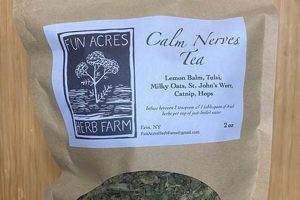
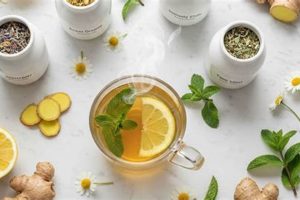
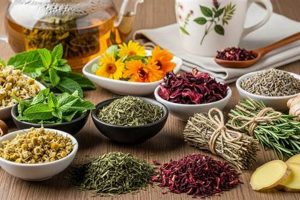
A key distinction exists between beverages categorized as herbal infusions and those identified as green tea. The latter originates exclusively from the Camellia sinensis plant, undergoing minimal oxidation during processing. Conversely, herbal infusions comprise a broad spectrum of plant materialsleaves, flowers, roots, fruits, and seedssteeped in water. A common instance of green tea is sencha, while chamomile serves as a familiar example of an herbal infusion.
Understanding the dissimilarities proves crucial for consumers seeking specific health benefits or flavor profiles. Green tea is often associated with antioxidant properties attributed to its catechin content, potentially supporting cardiovascular health and cognitive function. Herbal infusions, on the other hand, offer a diverse range of potential effects based on the specific plants used. Historically, both have been valued in various cultures for their medicinal properties and culinary uses, underscoring their enduring relevance.
The subsequent discussion will delve into specific compositional variations, examine potential health implications, and offer a comparative analysis of the flavor characteristics presented by each type of beverage. This comprehensive evaluation aims to equip readers with the knowledge necessary to make informed choices based on their individual needs and preferences.
Selecting between herbal infusions and green tea requires considering specific characteristics and desired outcomes. The following guidance offers valuable insights for discerning consumers.
Tip 1: Examine Ingredient Lists: Scrutinize the composition of herbal infusions to identify potential allergens or interactions with medications. Green tea, by definition, contains only Camellia sinensis.
Tip 2: Consider Caffeine Content: Green tea naturally contains caffeine, while most herbal infusions are caffeine-free. Adjust consumption based on individual sensitivity and desired stimulation levels.
Tip 3: Research Potential Health Effects: Investigate the purported benefits associated with specific herbs used in infusions. Green tea’s purported benefits are typically linked to its polyphenol content.
Tip 4: Evaluate Flavor Profiles: Sample a variety of herbal infusions to discover preferred tastes. Green tea typically exhibits vegetal or grassy notes, dependent on processing methods.
Tip 5: Understand Brewing Instructions: Adhere to recommended steeping times and water temperatures to optimize flavor extraction and minimize bitterness.
Tip 6: Prioritize Quality Sourcing: Choose reputable suppliers to ensure product purity and minimize the risk of contamination from pesticides or heavy metals.
Tip 7: Consult a Healthcare Professional: Seek guidance from a qualified practitioner if considering using herbal infusions or green tea for medicinal purposes, especially if pregnant, breastfeeding, or managing chronic health conditions.
Adhering to these suggestions allows for a more informed and responsible approach to integrating both herbal infusions and green tea into one’s lifestyle. A thoughtful understanding of their varying compositions and potential effects is crucial for maximizing benefits and minimizing risks.
The concluding section will consolidate the essential elements discussed, providing a comprehensive overview to reinforce the key distinctions.
1. Source

The origin of the raw materials constitutes a fundamental differentiating factor, significantly influencing the chemical composition, flavor profile, and potential health effects of herbal infusions and green tea. This aspect of provenance holds paramount importance in understanding the core distinctions between these two categories of beverages.
- Botanical Origin
Green tea derives exclusively from the leaves of the Camellia sinensis plant. Cultivars, growing conditions, and processing methods impact the final product’s characteristics. Herbal infusions, conversely, originate from a wide array of plant sources. This encompasses flowers (chamomile), leaves (peppermint), roots (ginger), and fruits (rosehip), among others. The inherent diversity in botanical sources dictates the presence of distinct phytochemicals.
- Geographical Influence
The geographical location where the source plants are cultivated significantly affects their composition. Factors such as soil composition, climate, altitude, and rainfall patterns contribute to variations in the concentration of active compounds. For green tea, regions like Japan, China, and India are known for producing distinct varieties. Similarly, herbal infusions may exhibit regional variations based on the local flora.
- Cultivation Practices
The methods employed in cultivating the source plants also play a crucial role. Organic farming practices, for instance, minimize the use of synthetic pesticides and fertilizers, potentially impacting the final product’s purity and overall health profile. Sustainable harvesting methods are also essential for ensuring the long-term availability of source materials, particularly for wild-harvested herbs.
- Part of Plant Used
For green tea, the young leaves and buds are typically harvested for processing. In contrast, herbal infusions may utilize different parts of the plant, each possessing unique chemical properties. Roots generally contain higher concentrations of certain compounds compared to leaves or flowers. This selective use of specific plant parts contributes significantly to the overall differentiation in composition and flavor.
In summary, the divergence in source, encompassing botanical origin, geographical influence, cultivation practices, and the specific plant parts utilized, forms a cornerstone in differentiating herbal infusions from green tea. Each of these elements contributes uniquely to the final characteristics of the beverage, impacting its sensory qualities and potential physiological effects. Further analysis of these parameters is essential for discerning consumers seeking to make informed choices aligned with their specific needs and preferences.
2. Caffeine

Caffeine content constitutes a primary differentiating characteristic. Green tea, derived from Camellia sinensis, inherently contains caffeine, a stimulant that affects the central nervous system. The level of caffeine in green tea varies depending on factors such as the cultivar, growing conditions, processing techniques (e.g., steaming vs. pan-firing), and brewing methods. For instance, gyokuro, a shade-grown Japanese green tea, typically possesses a higher caffeine concentration compared to sencha. The stimulatory effect of caffeine is a significant consideration for consumers, especially those sensitive to its effects or seeking to avoid stimulants altogether. This aspect of green tea makes it distinct from most herbal infusions.
In contrast to green tea, the majority of herbal infusions are naturally caffeine-free. These infusions, prepared from various plant parts excluding Camellia sinensis, do not contain caffeine unless it is deliberately added. This lack of caffeine makes herbal infusions a suitable alternative for individuals seeking a relaxing or sleep-promoting beverage. Common examples include chamomile and peppermint infusions, often consumed to reduce anxiety or aid digestion, respectively. However, it is important to note that some herbal blends may contain ingredients derived from Camellia sinensis or other caffeine-containing plants such as guarana or yerba mate, thus introducing caffeine into the mixture. Therefore, careful examination of the ingredient list is essential to determine the presence or absence of caffeine.
The presence or absence of caffeine significantly influences the consumption context and physiological effects. Green tea is frequently consumed for its stimulating properties and potential cognitive benefits, whereas herbal infusions are often chosen for their calming or therapeutic effects, independent of caffeine stimulation. Individuals managing conditions such as insomnia, anxiety, or heart arrhythmias must consider the caffeine content when selecting between green tea and herbal infusions. Awareness of this fundamental difference is crucial for consumers to make informed decisions aligned with their health needs and desired experiences.
3. Composition

Chemical composition constitutes a fundamental aspect differentiating green tea from herbal infusions. The distinct array of compounds present in each beverage category dictates not only their flavor profiles but also their potential physiological effects. Understanding these compositional nuances is critical for discerning consumers.
- Polyphenols and Catechins
Green tea’s primary distinguishing feature lies in its high concentration of polyphenols, particularly catechins such as epigallocatechin gallate (EGCG). These compounds are potent antioxidants linked to various health benefits, including cardiovascular protection and potential anti-cancer properties. Herbal infusions, while also containing polyphenols, generally exhibit a different spectrum and lower overall concentration of these specific catechins.
- Volatile Oils and Terpenoids
Herbal infusions derive their characteristic aromas and flavors from volatile oils and terpenoids present in the source plants. These compounds vary significantly depending on the specific herb used. For example, chamomile contains bisabolol, known for its anti-inflammatory properties, while peppermint contains menthol, which provides a cooling sensation. Green tea also possesses volatile compounds, but their contribution to the overall flavor profile is less pronounced compared to the dominant catechin bitterness.
- Mineral Content
Both green tea and herbal infusions contain various minerals, including potassium, magnesium, and calcium. However, the specific mineral composition and concentration can vary depending on the growing conditions of the source plants and the water used for brewing. While minerals contribute to the overall nutritional value, their relative abundance is generally not a primary differentiating factor between the two beverage categories.
- Amino Acids
Green tea contains amino acids, notably L-theanine, which is associated with a calming effect and may enhance cognitive function. L-theanine is relatively unique to tea and is present in higher concentrations in shade-grown varieties. Herbal infusions generally lack significant amounts of L-theanine, although they may contain other amino acids depending on the plant source.
The compositional differences outlined above highlight the significant distinctions between green tea and herbal infusions. The presence of specific catechins in green tea, contrasted with the diverse volatile oils and terpenoids found in herbal infusions, determines their respective flavor characteristics and potential health effects. These compositional attributes are crucial considerations for individuals seeking specific functional or sensory experiences from their beverages.
4. Oxidation

Oxidation plays a crucial role in defining the characteristics of tea and, subsequently, serves as a key point of divergence between green tea and herbal infusions. The degree of oxidation applied to Camellia sinensis leaves significantly influences the final product’s flavor, aroma, and chemical composition. In contrast, the concept of oxidation is largely irrelevant to the processing of herbal infusions.
- Impact on Catechin Content
Green tea undergoes minimal oxidation. This limited exposure to oxygen preserves a high concentration of catechins, particularly EGCG, known for their antioxidant properties. In fully oxidized teas, such as black tea, catechins are converted into thearubigins and theaflavins, altering the chemical profile and reducing the antioxidant potential. As herbal infusions are not derived from Camellia sinensis, they do not undergo oxidation; therefore, this aspect has no relevance to their catechin levels (which are also negligible or non-existent).
- Influence on Flavor Development
The oxidation process directly affects the flavor profile. Green tea, with its minimal oxidation, retains a fresh, vegetal, and sometimes grassy taste. In contrast, fully oxidized teas develop richer, maltier, and sometimes fruity notes. Herbal infusions, lacking oxidation, derive their flavors from the inherent volatile oils and other compounds present in the specific herbs used. Thus, the lack of oxidation differentiates the flavor development process between green tea and herbal infusions.
- Role in Color Change
Oxidation leads to a darkening of the tea leaves. Green tea retains its green hue due to the limited oxidation. Fully oxidized teas, such as black tea, exhibit a dark brown or black color. Herbal infusions, not undergoing oxidation, maintain the color characteristics of the specific plant materials used; for example, chamomile flowers impart a golden yellow color, while hibiscus flowers produce a deep red hue.
In summary, the presence or absence of oxidation distinguishes green tea from herbal infusions. Green tea’s minimal oxidation preserves its catechins and imparts its characteristic flavor and color, while the lack of oxidation in herbal infusions allows the inherent qualities of the specific herbs to dominate. This fundamental processing difference contributes significantly to the distinct sensory and chemical profiles of these two beverage categories.
5. Flavor

Flavor serves as a primary sensory differentiator between green tea and herbal infusions, fundamentally shaping consumer preferences and influencing beverage selection. The flavor profile of green tea results predominantly from the interplay of catechins, amino acids, and volatile compounds inherent to Camellia sinensis. These components contribute to a spectrum of tastes ranging from vegetal and grassy to subtly sweet and umami. Conversely, herbal infusions derive their diverse array of flavors from the inherent aromatic compounds and non-volatile substances present in the specific herbs, flowers, roots, or fruits utilized. The absence of Camellia sinensis in herbal infusions inherently prevents the presence of tea-specific flavor molecules.
The importance of flavor as a distinguishing factor is evident in the commercial landscape. Green tea products are categorized and marketed based on flavor nuances dictated by cultivar, cultivation techniques (shade-grown vs. sun-grown), and processing methods (steamed vs. pan-fired). For example, matcha, with its intense umami and slightly bitter notes, differs significantly from sencha, which exhibits a more balanced vegetal and astringent flavor. Similarly, herbal infusions are selected for their specific flavor profiles. Chamomile is prized for its floral and slightly sweet character, while peppermint delivers a cooling and refreshing sensation. Consumer choice is thus guided by the desired flavor experience, highlighting the practical significance of understanding these distinctions. A critical analysis reveals that the presence of epicatechin, epigallocatechin, epicatechin gallate, and epigallocatechin gallate in green tea directly contributes to astringency and bitterness, absent in herbal infusions. Conversely, presence of limonene in lemon balm, menthol in peppermint, or bisabolol in chamomile each uniquely shapes sensory dimension that sharply differentiates each from green tea
In summary, flavor is a defining attribute that allows consumers to differentiate between green tea and herbal infusions. The flavor of green tea stems primarily from the composition of Camellia sinensis, whereas herbal infusions derive their flavor complexity from the diverse phytochemicals present in various plant sources. Understanding these flavor origins enables informed selection based on individual taste preferences and desired sensory experiences. Challenges may arise from variations in ingredient quality and processing methods, potentially impacting flavor consistency. This central role highlights flavors importance in establishing what exactly makes green tea and herbal infusions unique in the beverage industry.
6. Benefits
The spectrum of health benefits attributed to green tea and herbal infusions constitutes a significant element in differentiating the two beverage categories. Green tea, derived from Camellia sinensis, owes its purported benefits primarily to its high concentration of polyphenols, notably catechins like epigallocatechin gallate (EGCG). These compounds exhibit antioxidant properties, potentially contributing to cardiovascular health, cognitive function, and cancer prevention. The scientific literature supports these claims through various studies, although more extensive research is often warranted. This benefit profile, largely stemming from the unique composition of Camellia sinensis, sets green tea apart from herbal infusions.
Conversely, herbal infusions offer a highly diverse range of potential benefits dictated by the specific herbs used. Chamomile, for example, is traditionally valued for its calming and sleep-promoting properties, while peppermint is often used to alleviate digestive discomfort. These effects are attributed to distinct compounds present in each herb, such as bisabolol in chamomile and menthol in peppermint. The benefit of herbal infusions lies in their targeted action, addressing specific symptoms or promoting overall well-being through the unique properties of each plant. However, scientific evidence supporting the efficacy of specific herbal infusions often varies in quality and quantity, underscoring the need for cautious interpretation.
In summary, the benefits associated with green tea and herbal infusions are inextricably linked to their differing compositions. Green tea offers a concentrated source of catechins with broad antioxidant potential, while herbal infusions provide a targeted approach through the unique properties of individual herbs. Understanding this distinction enables consumers to make informed choices based on their specific health needs and preferences. Challenges arise in interpreting the scientific evidence for both categories, highlighting the importance of consulting healthcare professionals and critically evaluating available information. The disparity in potential benefits serves as a crucial factor in distinguishing these two widely consumed beverage types.
7. Preparation

Preparation methods exert a significant influence on the final characteristics of both green tea and herbal infusions, thereby contributing substantially to the experienced differences between these beverages. The parameters involved in preparing green tea are designed to optimize the extraction of desirable compounds while minimizing the release of undesirable ones, such as excessive tannins that can lead to bitterness. Water temperature, steeping time, and leaf-to-water ratio are carefully controlled. Conversely, herbal infusions often tolerate a wider range of preparation techniques without compromising their fundamental qualities. The heat stability of the active compounds in many herbs allows for longer steeping times and higher water temperatures, whereas these conditions could degrade the delicate catechins in green tea. For example, brewing green tea with boiling water results in a bitter and astringent brew, while many herbal infusions, such as chamomile, benefit from near-boiling water to fully extract their beneficial oils.
The steeping time needed is particularly critical. An over-steeped green tea results in increased extraction of bitter tannins, masking the more subtle flavors. The recommended steeping time generally varies between 1-3 minutes. In contrast, herbal infusions often require longer steeping times, ranging from 5-10 minutes, to allow for complete release of the aromatic compounds and active ingredients. The material used can also affect it. A tea bag generally leaches flavor and antioxidants faster than the full leaves of tea or herbs. The brewing implement also matters; clay and porcelain may enhance flavors, and provide optimal temperatures during heating, for specific tea or herb types.
In summary, preparation methods represent a crucial differentiating factor between green tea and herbal infusions. Precise control of parameters such as water temperature and steeping time is essential for optimizing the flavor and potential health benefits of green tea. Herbal infusions exhibit greater tolerance to variation in preparation techniques, reflecting the inherent stability of their constituent compounds. Understanding these preparation-related distinctions enables consumers to fully appreciate the unique qualities of each beverage category, optimize their sensory experience, and maximize their potential benefits. The variability in sourcing quality might present a challenge, as can differing tastes, but the impact of preparation remains a crucial factor.
Frequently Asked Questions
The following addresses common inquiries regarding the fundamental differences that exist between herbal infusions and green tea.
Question 1: Are herbal infusions and green tea interchangeable in terms of health benefits?
No. While both offer potential health benefits, their mechanisms of action differ significantly. Green tea’s benefits are primarily attributed to its high concentration of catechins, which exhibit antioxidant properties. Herbal infusions, on the other hand, offer a highly diverse range of benefits depending on the specific herbs used, each possessing unique pharmacological properties.
Question 2: Does the presence or absence of caffeine represent the sole difference?
No. Although caffeine content is a significant differentiating factor, the disparities extend far beyond this. Green tea derives exclusively from Camellia sinensis, while herbal infusions utilize a multitude of plant species, resulting in fundamentally different chemical compositions and flavor profiles.
Question 3: Can both be prepared using identical methods?
While the basic process of steeping in hot water is common to both, optimal preparation methods diverge. Green tea generally requires lower water temperatures and shorter steeping times to prevent bitterness, while herbal infusions often benefit from higher temperatures and longer steeping times to fully extract their aromatic compounds.
Question 4: Is the term “herbal tea” technically accurate?
The term “herbal tea” is technically a misnomer. A more accurate term is “herbal infusion” or “tisane,” as true tea derives exclusively from Camellia sinensis. Use of the term “herbal tea” can lead to confusion regarding the origin and composition of the beverage.
Question 5: Are all types of green tea caffeine-containing?
Yes, all true green tea varieties contain caffeine, albeit in varying concentrations. Factors such as cultivar, cultivation techniques, and processing methods influence the final caffeine level. Decaffeinated green tea options are available, but these undergo processing to remove caffeine.
Question 6: Do both offer comparable levels of antioxidant activity?
While both may possess antioxidant properties, the specific antioxidants and their concentrations differ significantly. Green tea is renowned for its high concentration of catechins, potent antioxidants with well-documented health benefits. Herbal infusions also contain antioxidants, but the types and levels vary depending on the specific herb used.
In conclusion, while both are popular beverages, understanding these subtle but important differences ensures informed consumption.
The subsequent discussion will delve into practical applications of this knowledge in crafting personalized beverage choices.
Difference Between Herbal and Green Tea
This exploration has elucidated the fundamental distinctions between herbal infusions and green tea, emphasizing origin, composition, oxidation, and preparation. The beverage derived from Camellia sinensis, possessing unique catechins and requiring precise brewing, stands apart from the broader category of herbal infusions, crafted from diverse plant sources and exhibiting a wide range of flavors and potential effects. These variations dictate appropriate consumption based on individual preferences and physiological considerations.
Comprehending this distinction empowers informed choices, enabling individuals to maximize potential benefits and minimize unintended consequences. Future research may further refine our understanding of these beverages and their interactions with human physiology. The significance of accurately identifying the source and characteristics of botanical beverages remains crucial for both consumers and researchers.