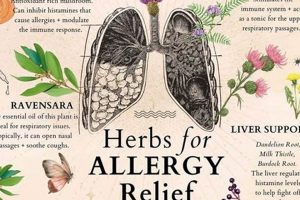
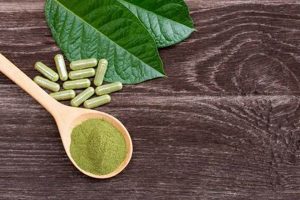
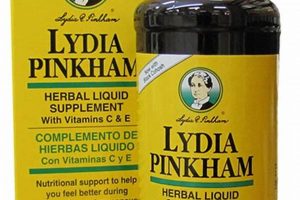
Products derived from plants, intended to be ingested as an addition to the typical diet, fall into this category. These preparations can take many forms, including capsules, tablets, powders, extracts, and teas. For instance, ginseng is often consumed to enhance energy levels, while St. John’s Wort is sometimes used to alleviate symptoms of mild depression.
The utilization of botanical remedies dates back millennia, with various cultures employing them for therapeutic and preventative purposes. Modern interest stems from a perception that these options are more natural or have fewer side effects compared to conventional pharmaceuticals. The consumption of these products is driven by a desire to improve overall well-being, manage specific health concerns, or supplement nutrient intake.
Understanding the composition, potential interactions, and regulatory landscape of plant-based additions to the diet is essential before incorporating them into one’s health regimen. Further discussions will delve into the specific categories, efficacy, safety considerations, and potential adverse effects associated with their use.
Guidance on Plant-Based Dietary Adjuncts
The subsequent recommendations are intended to offer a framework for informed decision-making regarding the use of botanical additions to the diet.
Tip 1: Consultation with Healthcare Professionals: Prior to initiating any regimen involving plant-derived compounds, it is imperative to consult with a qualified healthcare provider. This ensures appropriate assessment, consideration of existing health conditions, and evaluation of potential drug interactions.
Tip 2: Verification of Product Quality: Scrutinize product labels for third-party certifications, indicating adherence to manufacturing standards and verification of ingredient authenticity and potency. This minimizes the risk of contamination or mislabeling.
Tip 3: Adherence to Recommended Dosage: Strictly adhere to the dosage guidelines provided by the manufacturer or a healthcare professional. Exceeding the recommended dose does not necessarily enhance efficacy and may increase the risk of adverse effects.
Tip 4: Awareness of Potential Interactions: Be cognizant of potential interactions with prescription medications, over-the-counter drugs, or other supplements. Certain botanical substances can alter the absorption, metabolism, or excretion of pharmaceutical compounds, leading to unpredictable outcomes.
Tip 5: Monitoring for Adverse Reactions: Closely monitor for any adverse reactions, such as allergic reactions, gastrointestinal disturbances, or changes in mood or energy levels. Discontinue use and seek medical attention if any unexpected or concerning symptoms arise.
Tip 6: Storage Considerations: Store products according to the manufacturer’s instructions to maintain their stability and efficacy. Proper storage typically involves protecting them from excessive heat, light, and moisture.
Tip 7: Realistic Expectations: Maintain realistic expectations regarding the benefits. While some plant-derived compounds may offer therapeutic advantages, they are not panaceas and should not be considered substitutes for conventional medical treatments when indicated.
These recommendations emphasize the need for cautious and informed practices when considering the incorporation of plant-based options into a dietary plan, underlining the importance of healthcare provider oversight and careful product selection.
The following sections will explore specific categories and relevant research concerning their effectiveness and safety profiles.
1. Botanical Origin

The botanical origin is fundamental to understanding the properties and potential effects of dietary herbal supplements. The specific plant species, its geographical location, and the conditions under which it is grown directly influence the chemical composition of the supplement. This, in turn, determines the presence and concentration of bioactive compounds responsible for the supplement’s purported benefits. For example, ginseng cultivated in different regions may exhibit variations in ginsenoside content, impacting its efficacy as an adaptogen. Similarly, the levels of hypericin in St. John’s Wort, a supplement often used for mood support, are influenced by environmental factors and cultivation practices.
The selection of plant parts used in the supplement also plays a significant role. The roots, leaves, stems, flowers, or fruits of a plant may contain varying concentrations of active constituents. An illustration is the use of turmeric, where the rhizome (underground stem) is primarily utilized for its curcumin content, a compound known for its anti-inflammatory properties. Therefore, understanding which part of the plant is used in a given supplement is critical for assessing its potential effectiveness. Furthermore, misidentification or adulteration of plant materials can lead to serious health risks. Cases of supplements containing undeclared pharmaceuticals or toxic plant species highlight the importance of verifying the authenticity and purity of the botanical source.
In summary, the botanical origin of a dietary herbal supplement serves as the cornerstone for its quality, efficacy, and safety. Awareness of the plant species, growing conditions, plant part used, and authentication methods is paramount for both consumers and manufacturers. A thorough understanding of botanical origin allows for informed decisions regarding supplement selection and usage, mitigating potential risks and maximizing the likelihood of achieving desired health outcomes. The complexity inherent in botanical sourcing underscores the need for rigorous quality control measures and regulatory oversight to ensure consumer protection.
2. Formulation Variety
The range of formulations available for botanical dietary adjuncts significantly influences their bioavailability, efficacy, and overall impact on consumer health. The specific preparation method affects the concentration of active compounds and their delivery to the body. Therefore, understanding the different formulation types is crucial for informed selection and usage.
- Crude Extracts
Crude extracts represent minimally processed forms, often involving simple drying and grinding of plant material. While retaining a broad spectrum of phytochemicals, the concentration of individual active compounds may be low and variable. An example is herbal tea, where boiling water extracts compounds from dried leaves or flowers. The resulting brew’s potency depends on factors like brewing time and herb quality. This variability can make it difficult to achieve consistent therapeutic effects.
- Standardized Extracts
Standardized extracts undergo processing to ensure a consistent concentration of one or more identified active compounds. This aims to improve product reproducibility and facilitate dosage control. For instance, a standardized milk thistle extract might guarantee a minimum percentage of silymarin, believed to be the active component responsible for liver support. Standardization enhances the predictability of the supplement’s effects, but it may also remove other potentially beneficial compounds present in the whole herb.
- Encapsulated Powders and Tablets
These formulations involve encapsulating or compressing dried plant material or extracts into a convenient dosage form. Encapsulation can protect sensitive compounds from degradation during storage or digestion. Tablets may contain binding agents or coatings to control the release of active ingredients. For example, Ginkgo biloba is commonly available in tablet form, allowing for standardized dosing and ease of consumption.
- Liquid Extracts and Tinctures
Liquid extracts typically involve extracting active compounds from plant material using a solvent, such as alcohol or water. Tinctures are alcohol-based extracts, often providing a higher concentration of active compounds and longer shelf life. These formulations allow for flexible dosing and may be absorbed more rapidly than solid dosage forms. Examples include Echinacea tinctures used to support immune function.
In conclusion, the formulation variety of botanical dietary adjuncts significantly impacts their properties and effects. From minimally processed crude extracts to highly refined standardized preparations, each type offers distinct advantages and disadvantages. The selection of an appropriate formulation should be guided by an understanding of its composition, bioavailability, and desired therapeutic outcome. Furthermore, consumers should be aware of the potential for variability within and between different formulation types and prioritize products from reputable manufacturers with robust quality control measures.
3. Traditional Use
The historical application of plants for medicinal purposes constitutes the foundation upon which the modern understanding and utilization of many botanical dietary adjuncts is built. Examining traditional use provides insight into the potential therapeutic properties and safety profiles of these substances, informing contemporary research and product development.
- Empirical Observation and Knowledge Accumulation
Traditional use is characterized by centuries of empirical observation and knowledge transmission through generations. Indigenous cultures and traditional medical systems developed extensive pharmacopeias based on observed effects, establishing a framework for identifying plants with specific health benefits. For example, the use of turmeric in Ayurvedic medicine for its anti-inflammatory properties predates modern scientific validation but aligns with current research findings.
- Cultural Context and Preparation Methods
The cultural context surrounding traditional use is integral to understanding preparation methods, dosage, and application. Different cultures employ distinct techniques for extracting and administering plant-derived remedies, influenced by local resources and beliefs. The preparation of traditional Chinese medicine formulas, involving complex combinations of herbs and decoction processes, exemplifies this contextual dependence.
- Potential for Misinterpretation and Inaccurate Claims
While providing valuable leads, traditional use also presents challenges due to the potential for misinterpretation and unsubstantiated claims. Anecdotal evidence and subjective experiences may not always translate to scientifically validated efficacy. The uncritical acceptance of traditional remedies without rigorous testing can lead to ineffective or even harmful health practices.
- Guiding Modern Research and Discovery
Traditional use serves as a valuable starting point for modern pharmacological research. Ethnobotanical studies, which investigate the traditional uses of plants, can guide the identification of novel bioactive compounds and potential drug candidates. The discovery of artemisinin, an antimalarial drug derived from a plant used in traditional Chinese medicine, exemplifies the potential of traditional knowledge to inform pharmaceutical innovation.
In conclusion, traditional use represents a rich source of information regarding the potential benefits and risks associated with botanical dietary adjuncts. While not a substitute for scientific validation, it provides a valuable framework for guiding research, informing product development, and promoting a more comprehensive understanding of these complex substances. The integration of traditional knowledge with modern scientific methods is essential for ensuring the safe and effective utilization of botanical resources in contemporary healthcare.
4. Bioactive Compounds

The efficacy and purported health benefits of plant-derived dietary adjuncts are directly attributable to their inherent bioactive compounds. These naturally occurring substances, present in varying concentrations within different plant species, exert physiological effects on the human body. The presence and activity of these compounds are the primary determinants of a supplement’s therapeutic potential, as well as its potential for adverse effects or interactions with other substances. For instance, the anti-inflammatory properties associated with turmeric are largely due to curcuminoids, while the purported mood-enhancing effects of St. John’s Wort stem from compounds such as hypericin and hyperforin. Understanding the specific bioactive compounds present in a particular supplement is crucial for evaluating its potential benefits and risks.
The isolation, identification, and quantification of bioactive compounds are essential steps in the development and quality control of plant-derived dietary adjuncts. Standardized extracts, which guarantee a consistent concentration of one or more identified bioactive compounds, aim to improve product reproducibility and facilitate dosage control. However, it is important to recognize that the synergistic interactions between multiple bioactive compounds within a plant extract may contribute to its overall effect. This complex interplay, sometimes referred to as the “whole herb effect,” can be lost when focusing solely on isolated compounds. For example, research suggests that the therapeutic effects of milk thistle extend beyond the actions of silymarin alone, and may involve other flavonoids and phenolic compounds present in the extract.
In conclusion, bioactive compounds represent the active components of dietary herbal supplements responsible for their physiological effects. Their presence, concentration, and interactions dictate a supplement’s therapeutic potential and safety profile. Understanding the role of bioactive compounds is crucial for informed decision-making, quality control, and the development of effective and safe plant-derived health products. While the identification and standardization of individual compounds are valuable, it is important to also consider the complex interplay of multiple bioactive compounds and the potential for synergistic effects within the whole plant extract.
5. Potential Interactions
The intersection of plant-derived dietary adjuncts and pharmaceuticals represents a complex area of concern, warranting careful consideration due to the potential for clinically significant interactions. These interactions can alter the efficacy of prescribed medications, increase the risk of adverse effects, or compromise overall patient safety. The unpredictable nature of these interactions underscores the importance of thorough evaluation and proactive management.
- Pharmacokinetic Interactions
Pharmacokinetic interactions occur when a botanical substance alters the absorption, distribution, metabolism, or excretion of a pharmaceutical drug. For example, St. John’s Wort, a commonly used supplement for mood support, is known to induce the activity of CYP3A4, a major enzyme responsible for metabolizing numerous drugs. This induction can lead to decreased blood concentrations of medications such as warfarin, oral contraceptives, and certain antidepressants, potentially reducing their effectiveness. Conversely, other botanicals may inhibit drug-metabolizing enzymes, leading to increased drug concentrations and an elevated risk of toxicity.
- Pharmacodynamic Interactions
Pharmacodynamic interactions arise when a botanical substance and a pharmaceutical drug have additive or antagonistic effects on the same biological target. For example, combining Ginkgo biloba, known for its antiplatelet effects, with anticoagulant medications such as aspirin or warfarin can increase the risk of bleeding. Similarly, combining a sedative herb like valerian with benzodiazepines can potentiate the sedative effects, leading to excessive drowsiness and impaired cognitive function.
- Herb-Nutrient-Drug Interactions
Complex interactions can occur involving botanical substances, nutrients, and pharmaceutical drugs. For example, certain herbs may affect the absorption or metabolism of essential nutrients, impacting their bioavailability and physiological effects. Conversely, nutrient deficiencies can alter the metabolism of drugs, influencing their efficacy and toxicity. These intricate relationships necessitate a holistic assessment of a patient’s dietary intake and supplement use.
- Impact of Patient-Specific Factors
Patient-specific factors, such as age, genetics, and underlying health conditions, can significantly influence the likelihood and severity of potential interactions. Elderly individuals, who often take multiple medications, are particularly vulnerable to adverse interactions. Genetic variations in drug-metabolizing enzymes can also affect the extent to which botanical substances alter drug metabolism. Patients with liver or kidney disease may be more susceptible to drug accumulation and toxicity due to impaired drug elimination.
The potential for interactions between plant-derived dietary adjuncts and pharmaceuticals is a critical consideration for healthcare professionals and consumers alike. Comprehensive medication reviews, thorough patient histories, and proactive communication are essential for identifying and mitigating these risks. Further research is needed to elucidate the complex mechanisms underlying these interactions and develop evidence-based guidelines for safe and effective integrative healthcare practices. The use of these adjuncts should not be undertaken without the knowledge and guidance of a qualified healthcare provider.
6. Quality Control

Effective quality control is paramount to ensuring the safety and efficacy of plant-based dietary adjuncts. Due to the inherent variability in plant material and manufacturing processes, these supplements are particularly susceptible to inconsistencies in composition, contamination, and mislabeling. The absence of rigorous quality control measures can expose consumers to significant health risks, including adverse reactions, interactions with medications, and exposure to adulterants or toxins. Therefore, quality control serves as a critical safeguard, mitigating potential harms and promoting responsible manufacturing practices.
Quality control protocols encompass a range of measures, beginning with the sourcing and authentication of raw plant materials. Adulteration, the intentional or unintentional substitution of plant ingredients, is a pervasive issue in the supplement industry. DNA barcoding and microscopic analysis are employed to verify the identity and purity of botanical ingredients, ensuring that the correct species are used and that no contaminants are present. Manufacturing processes, including extraction, encapsulation, and packaging, are also subject to stringent quality control measures. These measures include monitoring temperature, pressure, and humidity to maintain product stability and prevent degradation of bioactive compounds. Finished products are tested for potency, purity, and the absence of contaminants, such as heavy metals, pesticides, and microbial pathogens. Certificates of analysis, issued by independent laboratories, provide consumers with verifiable evidence of product quality.
In conclusion, stringent quality control is an indispensable component of the dietary herbal supplement industry. Without effective quality control measures, the potential for product variability, contamination, and mislabeling poses unacceptable risks to consumer health. By implementing robust quality control protocols, manufacturers can ensure that their products meet established standards for safety, efficacy, and consistency. This commitment to quality not only protects consumers but also contributes to the credibility and sustainability of the industry. The understanding and enforcement of rigorous quality control practices remain essential for fostering a responsible and trustworthy dietary supplement market.
7. Regulatory Status

The regulatory status of botanical dietary adjuncts exerts a considerable influence on their availability, quality, and marketing. Unlike pharmaceutical drugs, these products often face less stringent regulatory oversight, particularly in certain jurisdictions. This disparity stems from their classification as foods or supplements rather than medications, leading to variations in manufacturing standards, labeling requirements, and pre-market approval processes. The implications of this classification are far-reaching, impacting consumer access to information, product safety, and the ability to make informed decisions about their use. The absence of rigorous pre-market evaluation, as typically required for pharmaceuticals, introduces the potential for unsubstantiated health claims and variations in product quality.
The Dietary Supplement Health and Education Act (DSHEA) in the United States, for example, defines botanical dietary adjuncts as a category distinct from drugs, granting manufacturers considerable latitude in marketing their products without prior FDA approval. While DSHEA mandates that manufacturers ensure product safety, the burden of proof rests primarily on the FDA to demonstrate that a product is unsafe before it can be removed from the market. This post-market surveillance approach contrasts sharply with the pre-market approval process for drugs, which requires manufacturers to provide evidence of both safety and efficacy. Consequently, the level of scientific evidence supporting the health claims made for botanical dietary adjuncts often falls short of that required for pharmaceutical drugs. Real-life examples include instances where supplements have been found to contain undeclared pharmaceuticals or contaminants, highlighting the importance of robust regulatory oversight and consumer awareness.
In conclusion, the regulatory landscape surrounding botanical dietary adjuncts is complex and varies across jurisdictions. While these products may offer potential health benefits, their less stringent regulatory status necessitates a cautious approach. Consumers must exercise due diligence, seeking information from reliable sources and consulting with healthcare professionals before incorporating these supplements into their health regimen. Strengthened regulatory frameworks and enhanced enforcement are essential to ensure product safety, transparency, and responsible marketing practices within the botanical dietary adjunct industry.
Frequently Asked Questions Regarding Botanical Dietary Adjuncts
The following section addresses common inquiries and concerns surrounding botanical dietary adjuncts, providing concise and factual responses to enhance understanding.
Question 1: Are botanical dietary adjuncts subject to the same regulatory scrutiny as pharmaceutical drugs?
No. In many jurisdictions, botanical dietary adjuncts are regulated as foods or supplements, not as drugs. This often results in less stringent requirements for pre-market approval and labeling compared to pharmaceutical products.
Question 2: Are botanical dietary adjuncts inherently safe simply because they are “natural”?
The term “natural” does not automatically equate to safety. Botanical substances contain bioactive compounds that can exert pharmacological effects, potentially leading to adverse reactions or interactions with medications. Careful consideration of potential risks is essential.
Question 3: How can one ensure the quality and purity of botanical dietary adjuncts?
Select products that have undergone third-party certification, indicating adherence to manufacturing standards and verification of ingredient authenticity and potency. Review product labels for detailed information on ingredients and quality control measures.
Question 4: What are the most common potential adverse effects associated with botanical dietary adjuncts?
Potential adverse effects vary depending on the specific botanical substance. Common reactions include allergic responses, gastrointestinal disturbances, and interactions with prescription medications. Monitoring for any unexpected symptoms is crucial.
Question 5: Should botanical dietary adjuncts be used as a substitute for conventional medical treatments?
Botanical dietary adjuncts should not be considered substitutes for conventional medical treatments when indicated. They may be used as complementary therapies under the guidance of a qualified healthcare professional, but they are not panaceas.
Question 6: How can one assess the scientific evidence supporting the use of a particular botanical dietary adjunct?
Evaluate the available scientific literature, focusing on studies published in reputable peer-reviewed journals. Be wary of anecdotal evidence and unsubstantiated claims. Consult with healthcare professionals for guidance on interpreting research findings.
The information provided in this FAQ section underscores the importance of informed decision-making, emphasizing the need for caution, critical evaluation, and professional guidance when considering the use of botanical dietary adjuncts.
The following sections will explore specific categories and relevant research concerning their effectiveness and safety profiles.
Conclusion
This exploration has illuminated the multifaceted nature of dietary herbal supplements, underscoring the significance of botanical origin, formulation variety, traditional use, bioactive compounds, potential interactions, quality control, and regulatory status. These elements collectively define the benefits and risks associated with these products, demonstrating the complexity inherent in their selection and utilization.
The responsible incorporation of dietary herbal supplements into health regimens necessitates diligent research, consultation with healthcare professionals, and a commitment to informed decision-making. Ongoing research, stricter regulatory enforcement, and heightened consumer awareness are imperative to ensure the safe and effective use of these substances, safeguarding public health and fostering a more responsible industry.