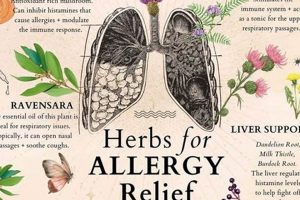
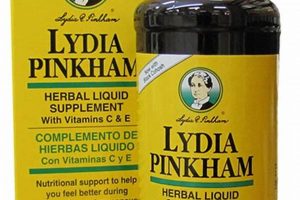
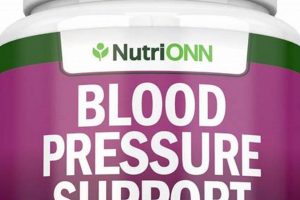
The consumption of concentrated plant extracts, intended to augment nutritional intake or provide therapeutic effects, represents a growing trend. These products, derived from various botanical sources, are presented in forms such as capsules, tablets, powders, and liquids. An example includes concentrated ginger root extract formulated to alleviate inflammation and improve digestion.
The value of these concentrated botanical formulations lies in their potential to offer complementary or alternative health management options. Historically, plants have served as the foundation for numerous traditional medical practices. Modern research endeavors to validate and refine these historical applications, identifying specific compounds responsible for observed benefits and establishing standardized dosages for safety and efficacy.
This exposition will explore factors influencing the selection of a suitable botanical product, including considerations for source quality, standardization processes, potential interactions with conventional medications, and evidence-based research supporting their purported benefits. Subsequent sections will also address regulatory oversight and consumer awareness aspects crucial to informed decision-making.
Guidance on Selecting Concentrated Botanical Formulations
The following constitutes essential guidelines for individuals considering the incorporation of concentrated botanical formulations into their health regimen. Adherence to these principles fosters informed decision-making and mitigates potential risks.
Tip 1: Prioritize Third-Party Certification: Seek products bearing certifications from independent organizations such as USP, NSF International, or ConsumerLab.com. These certifications verify product identity, potency, and purity, ensuring adherence to established quality standards.
Tip 2: Scrutinize Ingredient Lists: Diligently examine the ingredient list for active constituents and potential allergens. Avoid products containing excessive fillers, artificial colors, or undisclosed proprietary blends lacking specific constituent quantification.
Tip 3: Investigate Manufacturer Reputation: Research the manufacturer’s history, manufacturing practices, and adherence to Good Manufacturing Practices (GMP). Reputable manufacturers readily provide information regarding sourcing, quality control, and testing procedures.
Tip 4: Assess Standardization Practices: Favor products standardized to a specific percentage of active compounds. Standardization ensures consistency in potency and predictable therapeutic effects. For example, a milk thistle extract standardized to 80% silymarin guarantees a consistent dosage of the active hepatoprotective compound.
Tip 5: Consult with Healthcare Professionals: Engage in open communication with a qualified healthcare provider prior to initiating use, particularly if currently taking prescription medications or managing pre-existing health conditions. This consultation helps identify potential interactions and contraindications.
Tip 6: Exercise Caution with Dosage: Adhere strictly to recommended dosage guidelines provided by the manufacturer or a healthcare professional. Exceeding recommended dosages does not necessarily amplify benefits and may increase the risk of adverse effects.
Tip 7: Monitor for Adverse Reactions: Vigilantly observe for any adverse reactions or unexpected symptoms following product consumption. Discontinue use immediately and consult with a healthcare provider if concerning symptoms arise.
In summary, discerning selection hinges upon rigorous assessment of product quality, manufacturer credibility, and potential interactions with existing health conditions or medications. Informed consumers are empowered to make responsible choices regarding their health and well-being.
The subsequent discourse will address the legal and ethical considerations surrounding the distribution and marketing of concentrated botanical products.
1. Quality of Raw Materials

The inherent quality of raw materials is a cornerstone determinant in the efficacy and safety profile of any botanical formulation. Without rigorous quality control measures applied from cultivation to extraction, the resulting product risks containing contaminants, lacking therapeutic potency, or exhibiting inconsistent composition. This section explores facets of raw material quality that directly impact the ultimate suitability of such products.
- Species Authentication and Purity
Misidentification of plant species or adulteration with inferior substitutes undermines therapeutic value. A purported ginseng product utilizing Panax quinquefolius instead of Panax ginseng, for instance, may exhibit diminished adaptogenic properties. Third-party DNA barcoding and macroscopic examination are essential for species verification.
- Cultivation Practices and Environmental Factors
The cultivation environment profoundly influences the phytochemical profile of plants. Heavy metal contamination from polluted soil, excessive pesticide use, or inadequate nutrient availability can compromise raw material quality. Organically grown botanicals, cultivated in controlled environments, mitigate these risks.
- Harvesting and Post-Harvest Handling
Improper harvesting techniques or delayed processing can lead to degradation of active compounds. For example, St. John’s Wort harvested after flowering may exhibit reduced hypericin content. Rapid drying and storage in controlled conditions are critical to preserve phytochemical integrity.
- Geographical Origin and Chemotype Variation
Geographical origin can influence the chemotype, or chemical composition, of a plant species. Two populations of the same species grown in different regions may exhibit distinct ratios of active constituents. A formulation sourced from a location known to produce a specific chemotype may exhibit superior therapeutic effects.
The convergence of these factors underscores the critical importance of raw material quality. Formulations sourced from rigorously authenticated, sustainably cultivated, and properly processed botanicals offer a greater likelihood of consistent potency and predictable therapeutic benefits, thus aligning with the characteristics of a superior botanical formulation. Neglecting these considerations invites potential risks and diminishes the overall value of the end product.
2. Standardized Extract Potency

Standardized extract potency is a critical determinant in the assessment of a botanical formulation’s quality and predictable therapeutic effect. It refers to the process of ensuring a consistent level of specific, identified active compounds within each dose. This consistency is paramount; absent standardization, variations in plant source, growing conditions, and extraction methods can lead to unpredictable concentrations of key constituents. Such inconsistency directly undermines the potential efficacy of the formulation, reducing its reliability and hindering its classification as a high-quality product.
The connection between standardized extract potency and botanical formulations deemed of superior quality stems from its direct impact on therapeutic outcomes. For instance, a milk thistle extract standardized to contain 80% silymarin guarantees a predictable dose of the hepatoprotective compounds, allowing for consistent and reliable liver support. Conversely, a non-standardized milk thistle product may contain wildly varying levels of silymarin, rendering its effects unpredictable and potentially ineffective. This underscores that achieving reliable, evidence-based results relies heavily on precise and consistent concentrations of bioactive compounds.
The implementation of standardized extract potency represents a crucial step in transforming botanical remedies from traditional practices to evidence-based therapies. While whole-plant extracts may possess synergistic benefits, knowing the exact dosage of key active constituents allows for more rigorous scientific investigation and the establishment of effective therapeutic ranges. The consistent provision of active compounds is essential for replicable clinical trials and predictable patient outcomes. The commitment to standardization also underscores a manufacturer’s dedication to quality control and scientific integrity. Therefore, standardized extract potency is indispensable to identifying and evaluating a formulation as the most suitable botanical product.
3. Third-Party Testing Validation

Third-party testing validation represents an impartial assessment of botanical products, conducted by independent laboratories, crucial for substantiating label claims and ensuring consumer safety. This process mitigates the inherent biases present in manufacturer self-assessment, providing an objective analysis of product quality.
- Identity Verification
Botanical identity verification confirms the accurate identification of plant species listed on the product label. Analytical techniques, such as DNA barcoding and High-Performance Thin-Layer Chromatography (HPTLC), distinguish authentic ingredients from adulterants or substitutes. A product labeled as containing Echinacea purpurea must undergo testing to verify the presence of the specified species, protecting consumers from ineffective or potentially harmful substitutions.
- Potency Assessment
Potency assessment quantifies the concentration of key bioactive compounds within the product. High-Performance Liquid Chromatography (HPLC) and Gas Chromatography-Mass Spectrometry (GC-MS) are employed to determine the levels of compounds believed responsible for the product’s therapeutic effects. A standardized Ginkgo biloba extract must demonstrate a consistent level of ginkgo flavone glycosides and terpene lactones to ensure predictable pharmacological activity.
- Contaminant Screening
Contaminant screening detects the presence of heavy metals (lead, mercury, arsenic, cadmium), pesticides, herbicides, microbial contaminants (bacteria, mold, yeast), and residual solvents exceeding acceptable limits. Inductively Coupled Plasma Mass Spectrometry (ICP-MS) and microbial assays are used to assess product safety. A botanical product failing to meet established safety standards for contaminants poses a direct threat to consumer health.
- Disintegration and Dissolution Testing
Disintegration and dissolution testing evaluate the product’s ability to break down and release its active ingredients within the digestive system. This is crucial for ensuring bioavailability and therapeutic efficacy. A botanical capsule that fails to properly disintegrate will not effectively deliver its intended dose, regardless of its potency or purity.
The integration of third-party testing validation provides an essential layer of consumer protection and quality assurance. The absence of such validation undermines confidence in product claims and increases the risk of exposure to adulterated, contaminated, or ineffective formulations. Independent verification is a non-negotiable attribute of a genuinely superior botanical product.
4. Bioavailability Enhancement Methods

The efficacy of a botanical formulation hinges not only on the presence of active compounds but also on their bioavailability the extent to which these compounds are absorbed into the bloodstream and become available at the target site of action. Inherent physicochemical properties of many plant-derived substances, such as poor water solubility, large molecular size, or susceptibility to enzymatic degradation in the gastrointestinal tract, often limit their bioavailability. Consequently, even a potent botanical extract may exhibit minimal therapeutic effects if not adequately absorbed. Bioavailability enhancement methods, therefore, constitute a critical aspect in the development of a superior botanical product.
Several strategies exist to improve the bioavailability of botanical compounds. Lipid-based formulations, such as liposomes or phytosomes, encapsulate the active ingredient within a lipid matrix, facilitating absorption through lymphatic pathways and protecting it from degradation. Piperine, a compound found in black pepper, enhances the bioavailability of curcumin by inhibiting its metabolism in the liver and intestine. Complexation with cyclodextrins can improve the water solubility of poorly soluble compounds, increasing their absorption rate. Nanoemulsions and solid dispersions represent additional technologies employed to overcome bioavailability limitations. The selection of a suitable enhancement method depends on the specific properties of the active compound and the desired route of administration. The inclusion of validated bioavailability enhancement techniques signals a commitment to maximizing therapeutic potential.
In conclusion, bioavailability enhancement methods are integral to realizing the full therapeutic potential of botanical formulations. Failure to address bioavailability limitations can result in sub-optimal clinical outcomes, regardless of the extract’s initial potency. Therefore, a discerning evaluation of a botanical product should prioritize formulations incorporating scientifically validated techniques to improve absorption and ensure that the active compounds reach their intended targets in sufficient concentrations. The adoption of these strategies represents a key differentiator between standard and truly effective botanical supplements.
5. Clinically Proven Efficacy

The determination of a superior botanical formulation hinges significantly on the presence of clinical evidence supporting its purported benefits. Rigorous clinical trials, adhering to established scientific methodologies, provide the most reliable assessment of a product’s effectiveness and safety. Without such evidence, claims of therapeutic value remain speculative, diminishing the product’s credibility and undermining consumer confidence.
- Randomized Controlled Trials (RCTs)
RCTs, the gold standard in clinical research, involve randomly assigning participants to either a treatment group receiving the botanical formulation or a control group receiving a placebo or standard treatment. Outcomes are then compared between the groups to determine if the botanical formulation demonstrates a statistically significant benefit. An RCT demonstrating that a specific ginger extract reduces nausea and vomiting during pregnancy more effectively than placebo provides strong evidence supporting its efficacy.
- Meta-Analyses and Systematic Reviews
Meta-analyses and systematic reviews synthesize the findings from multiple clinical trials addressing the same research question. By pooling data from various studies, these analyses can increase statistical power and provide a more comprehensive assessment of a botanical formulation’s overall effectiveness. A meta-analysis concluding that St. John’s Wort is more effective than placebo for treating mild to moderate depression offers compelling evidence supporting its antidepressant properties.
- Dose-Response Relationships
Clinical trials should investigate the relationship between dosage and therapeutic effect to identify the optimal dosage range. Determining that a specific dosage of a ginseng extract improves cognitive function without causing adverse effects is crucial for establishing safe and effective usage guidelines. Demonstrating a clear dose-response relationship strengthens the evidence supporting a product’s efficacy.
- Adverse Event Monitoring
Comprehensive clinical trials meticulously monitor participants for adverse events associated with the botanical formulation. Documenting the incidence and severity of side effects is essential for assessing the product’s safety profile. A clinical trial revealing that a particular herbal supplement increases the risk of bleeding necessitates careful consideration before recommending its use, particularly in individuals taking anticoagulant medications.
The presence of robust clinical evidence, derived from well-designed and rigorously conducted trials, is an indispensable criterion for identifying a botanical formulation as demonstrably effective and safe. While traditional use and anecdotal evidence may offer preliminary insights, they lack the scientific rigor necessary to establish definitive proof of efficacy. Products supported by clinical trials provide consumers and healthcare professionals with the assurance of evidence-based benefits, a defining characteristic of a truly superior botanical product.
6. Minimal Additives, Clean Formulation
The presence of extraneous substances within botanical formulations, beyond the intended active ingredients, directly impacts product quality and potential health consequences. A formulation characterized by minimal additives and a “clean” composition prioritizes the delivery of therapeutic compounds without the burden of unnecessary excipients, artificial colors, preservatives, or fillers. The inclusion of such additives can dilute the concentration of active ingredients, compromise bioavailability, or trigger adverse reactions in sensitive individuals. The inverse relationship dictates that a higher concentration of non-essential additives inversely correlates with the quality and efficacy of the product, moving it further from being categorized as a “best herbal supplement”. A real-world example involves a turmeric supplement containing artificial dyes to enhance color, potentially exposing consumers to unnecessary chemicals with no therapeutic benefit. The absence of these unnecessary elements constitutes a core attribute of a product seeking superior classification.
The practical significance of prioritizing “minimal additives, clean formulation” extends to individuals with allergies, sensitivities, or specific dietary restrictions. A “clean” botanical product reduces the likelihood of exposure to hidden allergens or ingredients that may conflict with individual health conditions or medication regimens. Furthermore, the use of minimal additives often reflects a manufacturer’s commitment to sustainable and ethical sourcing practices, avoiding potentially harmful chemicals during production. This transparency and focus on purity contribute to a higher level of consumer trust and confidence in the product’s safety and efficacy. For example, a herbal sleep aid with only valerian root extract and a vegetable cellulose capsule, as opposed to one with added magnesium stearate, artificial colors, and preservatives, caters to a broader range of users and minimizes potential sensitivities.
In summary, the concept of “minimal additives, clean formulation” represents a fundamental aspect of quality control and product integrity within the context of botanical supplements. By minimizing unnecessary ingredients, manufacturers prioritize the delivery of active compounds in their most bioavailable and least allergenic form. This commitment to purity translates directly to enhanced efficacy, improved safety, and increased consumer confidence, solidifying its position as a critical attribute of the “best herbal supplement.” Potential challenges include the need for advanced extraction and encapsulation technologies to maintain product stability without the use of traditional preservatives, and the need for clear and transparent labeling to inform consumers about the complete ingredient profile.
7. Sustainable Sourcing Practices

Sustainable sourcing practices are intrinsically linked to the concept of a botanical formulation deemed to be of superior quality. Unsustainable harvesting methods, such as the overcollection of wild plants, can lead to habitat destruction, species endangerment, and disruption of local ecosystems. Conversely, sustainable sourcing prioritizes environmental conservation, supports biodiversity, and ensures the long-term availability of medicinal plants. For example, the overharvesting of wild American ginseng (Panax quinquefolius) for export has led to its listing as an endangered species in several states. Sustainable cultivation practices, such as agroforestry and organic farming, provide a viable alternative that reduces pressure on wild populations. The choice of sustainably sourced ingredients directly impacts the ecological footprint of a botanical product, aligning it with environmental responsibility.
The importance of sustainable sourcing extends beyond environmental considerations to encompass ethical and social dimensions. Unsustainable harvesting practices can negatively affect indigenous communities who rely on medicinal plants for their livelihoods and traditional healing practices. Sustainable sourcing often involves fair trade agreements that ensure equitable compensation and empower local communities to manage their resources responsibly. For example, sourcing rosehip oil from communities that practice sustainable harvesting provides an income source for local people while simultaneously protecting the environment and using best herbal supplements. By supporting sustainable sourcing, consumers contribute to the economic well-being of these communities and promote ethical trade practices. Manufacturers who prioritize sustainable sourcing practices demonstrate a commitment to social responsibility, enhancing the overall value of their products.
In summary, sustainable sourcing practices are not merely an optional addendum but rather an essential component of a best herbal supplement. These practices safeguard biodiversity, protect vulnerable ecosystems, and support ethical and social responsibility. The integration of sustainable sourcing into the production process requires transparency, traceability, and a commitment to long-term environmental stewardship. Challenges include verifying the authenticity of sustainability claims and ensuring that fair trade principles are consistently upheld. However, the benefits of sustainable sourcing are far-reaching, contributing to a more resilient and equitable system of botanical medicine.
Frequently Asked Questions Regarding Superior Botanical Formulations
The following section addresses common inquiries concerning the selection, usage, and safety of concentrated plant-derived products.
Question 1: What constitutes a “best herbal supplement”?
A superior botanical product demonstrates verifiable attributes including authenticated botanical identity, standardized extract potency confirmed through third-party testing, demonstrated bioavailability, clinically substantiated efficacy, minimal excipients, and ethical sourcing practices.
Question 2: How does one verify the authenticity of the botanical ingredients?
Authenticity verification involves analytical techniques such as DNA barcoding, macroscopic examination, and High-Performance Thin-Layer Chromatography (HPTLC) to ensure accurate species identification and rule out adulteration.
Question 3: Why is standardized extract potency important?
Standardization ensures a consistent concentration of identified active compounds in each dose, thereby promoting predictable therapeutic effects and facilitating reliable clinical research.
Question 4: What are the potential risks associated with contaminated botanical products?
Contaminated products may contain heavy metals, pesticides, microbial pathogens, or residual solvents exceeding permissible limits, posing potential health hazards including organ damage, neurological dysfunction, and allergic reactions.
Question 5: How can one assess the clinical evidence supporting a botanical formulation?
Clinical evidence is assessed by evaluating randomized controlled trials, meta-analyses, and systematic reviews published in peer-reviewed scientific journals. A critical examination of study design, sample size, and statistical significance is essential.
Question 6: What factors should be considered when evaluating sustainable sourcing practices?
Factors to consider include adherence to fair trade principles, conservation of biodiversity, protection of vulnerable ecosystems, and implementation of traceability measures to ensure ethical and environmental responsibility throughout the supply chain.
In summary, selecting a high-quality botanical product necessitates a comprehensive evaluation of multiple factors encompassing authentication, potency, purity, clinical validation, and ethical sourcing.
The subsequent discourse will explore the regulatory landscape governing the production and marketing of botanical formulations.
In Conclusion
The preceding analysis has explored the multifaceted criteria essential for discerning a superior concentrated botanical product, frequently termed the “best herbal supplement.” Evaluation encompasses authentication, standardized potency, independent verification, bioavailability, clinical validation, formulation purity, and ethical procurement. Attentiveness to these parameters is paramount in distinguishing efficacious and safe formulations from those lacking demonstrable benefit or posing potential risks.
The informed consumer’s role in navigating the botanical marketplace is crucial. Prioritizing evidence-based products from reputable manufacturers, engaging with healthcare professionals, and critically evaluating marketing claims are fundamental to responsible decision-making. The continued pursuit of rigorous scientific investigation and transparent regulatory oversight remains imperative to ensuring the integrity and safety of botanical medicine. The future trajectory of these products hinges on unwavering adherence to scientific rigor and ethical practices.