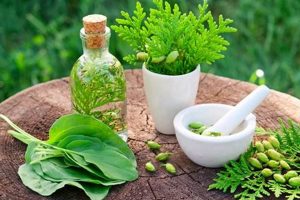
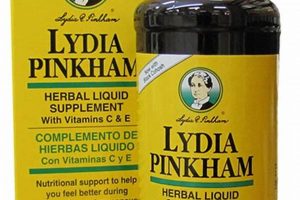
Natural remedies derived from plants and utilized to alleviate symptoms associated with the cessation of menstruation represent a growing area of interest for many individuals. These substances, available in various forms, aim to mitigate the discomfort experienced during this transitional phase of life, targeting issues such as hot flashes, sleep disturbances, and mood fluctuations.
The appeal of plant-based interventions stems from a desire for alternatives to traditional hormone therapies. Historically, diverse cultures have employed botanical solutions to manage female reproductive health. Current interest is fueled by ongoing research exploring the efficacy and safety profiles of these substances, seeking to provide evidence-based support for their use.
The following sections will address specific categories of these natural remedies, examining their potential mechanisms of action, available scientific data, and considerations for safe and informed utilization. Focus will be placed on prevalent options and their role in managing the physiological and psychological changes accompanying this natural life event.
Considerations for Plant-Based Menopause Support
Judicious selection and usage are critical when incorporating plant-derived substances to manage menopausal symptoms. Prior consultation with a healthcare provider is essential. The following points offer guidance for navigating this process.
Tip 1: Research Specific Options. Before initiating any regimen, conduct thorough research on the proposed substance. Examine its purported mechanism of action, potential benefits, and documented side effects. Consult reputable scientific databases and medical literature to assess the available evidence.
Tip 2: Evaluate Product Quality. The market contains a wide variety of products, and quality control can vary significantly. Opt for brands that adhere to established manufacturing practices (e.g., GMP certification) and undergo third-party testing for purity and potency.
Tip 3: Start with a Low Dosage. Initiate usage with the lowest recommended dose and gradually increase as needed, while carefully monitoring for any adverse reactions. This cautious approach allows for individual tolerance assessment.
Tip 4: Monitor for Drug Interactions. Many plant-derived substances can interact with prescription medications. Provide a complete list of current medications to a healthcare provider to assess potential interactions before beginning any regimen.
Tip 5: Be Patient and Consistent. The effects of these substances may not be immediately apparent. Consistent daily use for a period of several weeks or months is often necessary to determine efficacy.
Tip 6: Track Symptom Changes. Maintain a log of menopausal symptoms before and during the use of any plant-derived substance. This record will facilitate an objective assessment of its impact on symptom severity and frequency.
Tip 7: Consider Cycle Timing. Some botanical remedies may influence menstrual cycles in perimenopause. Observation of cycles and adjustments to dosage or choice of remedy may be needed during this time with professional guidances.
Implementing these strategies can help individuals make informed decisions regarding the use of plant-derived substances during menopause, promoting a safer and more effective experience. Remember that individual responses can vary.
The next section will explore potential risks and side effects associated with these plant-based options, emphasizing the importance of a well-informed approach.
1. Efficacy

The efficacy of plant-derived remedies in mitigating menopausal symptoms is a central consideration when evaluating their potential utility. The term refers to the capacity of a given substance to produce a desired therapeutic effect under controlled conditions. However, variations in study design, participant characteristics, and product standardization can significantly influence reported outcomes.
- Clinical Trial Rigor
The strength of evidence supporting the efficacy of a plant-derived remedy relies heavily on the rigor of clinical trials. Randomized, double-blind, placebo-controlled trials are considered the gold standard. These studies minimize bias and allow for a more accurate assessment of the true treatment effect. For example, some studies on black cohosh have shown a statistically significant reduction in hot flash frequency compared to placebo, while others have not, highlighting the importance of methodological quality.
- Specific Symptom Targeting
The effectiveness of these remedies often varies depending on the specific symptom being targeted. Certain substances may be more effective at alleviating vasomotor symptoms (e.g., hot flashes, night sweats), while others may have a greater impact on mood or sleep disturbances. Soy isoflavones, for example, have demonstrated some efficacy in reducing hot flash severity in certain populations, but their impact on other menopausal symptoms may be less pronounced.
- Dosage and Formulation
Efficacy is also closely tied to dosage and formulation. The concentration of active compounds in a product can vary widely, and the bioavailability of these compounds can be affected by factors such as the extraction method and delivery system. A remedy with a low concentration of active compounds or poor bioavailability may be ineffective, even if the active compounds themselves have the potential to alleviate symptoms. Standardized extracts, which contain a consistent and known amount of active compounds, are often preferred to ensure more predictable results.
- Individual Variability
Responses to plant-derived remedies can vary significantly among individuals due to factors such as genetics, metabolism, and overall health status. What works effectively for one person may not work for another. This underscores the importance of personalized approaches and careful monitoring of symptom changes. For example, women with certain genetic variations may metabolize isoflavones differently, affecting their response to soy-based remedies.
Ultimately, determining the true efficacy of plant-derived remedies requires a comprehensive assessment of the available evidence, taking into account the rigor of clinical trials, the specific symptoms being targeted, the dosage and formulation of the product, and individual variability. It is crucial to consult with a qualified healthcare provider to discuss the potential benefits and risks before incorporating these substances into a treatment plan.
2. Safety

The safety profile of plant-derived remedies is a paramount consideration in determining their suitability for managing menopausal symptoms. It is crucial to recognize that “natural” does not automatically equate to “safe.” A thorough understanding of potential adverse effects, contraindications, and drug interactions is essential to minimize risks.
The absence of stringent regulatory oversight, as compared to pharmaceuticals, necessitates careful scrutiny of product quality and sourcing. Contamination with heavy metals, pesticides, or other adulterants can pose significant health risks. For instance, reports of liver toxicity associated with certain black cohosh products have prompted investigations into potential adulteration. Moreover, interactions with prescription medications are a concern. St. John’s Wort, often used for mood regulation, can interfere with the metabolism of various drugs, including anticoagulants and antidepressants, potentially diminishing their effectiveness or increasing the risk of side effects.
The practical significance of prioritizing safety lies in the ability to make informed choices and mitigate potential harm. Prior consultation with a healthcare professional is advisable to assess individual risk factors, evaluate potential interactions, and ensure appropriate monitoring. By recognizing the importance of safety and engaging in responsible decision-making, individuals can maximize the potential benefits of plant-derived remedies while minimizing the risk of adverse events during menopause.
3. Dosage
The efficacy and safety of botanical interventions for managing menopausal symptoms are intricately linked to dosage. Appropriate dosage is not a one-size-fits-all determination; it requires careful consideration of individual factors, product characteristics, and potential interactions.
- Individual Variability in Response
Individual responses to botanical substances can vary substantially due to differences in metabolism, genetics, and overall health. A dosage that provides relief for one individual may be ineffective or even harmful to another. For example, the metabolism of isoflavones from soy differs based on gut microbiota composition, affecting their bioavailability and potential benefits. Therefore, dosages are best determined with healthcare guidance.
- Concentration and Standardization
The concentration of active compounds within herbal products can vary significantly depending on factors such as plant source, extraction method, and manufacturing practices. Standardized extracts, which contain a consistent and known amount of active compounds, offer greater dosage precision. However, even standardized extracts may require dosage adjustments based on individual response and tolerability.
- Potential for Adverse Effects
Higher dosages of herbal remedies do not necessarily translate to greater efficacy and may increase the risk of adverse effects. Some botanicals have a narrow therapeutic window, where the difference between an effective dose and a toxic dose is relatively small. Overdosing on certain herbs can lead to serious health consequences. The risk emphasizes the need for starting with the lowest effective dose and gradually increasing as tolerated, while monitoring for any adverse reactions.
- Interaction with Medications
Herbal remedies can interact with prescription medications, potentially altering their effects or increasing the risk of side effects. Dosage adjustments of either the herbal remedy or the prescription medication may be necessary to minimize these interactions. For example, St. John’s Wort, often used for mood support, can interact with several medications, reducing their effectiveness. Healthcare provider guidance is essential to assess and manage potential interactions.
In summary, dosage is a critical determinant of the safety and effectiveness of plant-derived remedies for menopause management. Individual factors, product characteristics, potential adverse effects, and interactions with medications all influence the optimal dosage. Consultation with a knowledgeable healthcare provider is essential to personalize treatment plans and minimize the risk of adverse outcomes.
4. Interactions

The potential for interactions between plant-derived remedies and prescription or over-the-counter medications, as well as other supplements, represents a significant consideration when evaluating their use for managing menopausal symptoms. These interactions can alter the efficacy or safety of either the botanical substance or the co-administered agent, leading to unintended consequences.
- Pharmacokinetic Interactions
These interactions involve alterations in the absorption, distribution, metabolism, or excretion of a drug or herbal supplement. For example, St. John’s Wort, commonly used for mood support, can induce hepatic enzymes that metabolize numerous medications, potentially reducing their plasma concentrations and therapeutic effects. Conversely, certain herbal constituents may inhibit drug-metabolizing enzymes, leading to increased drug levels and a heightened risk of toxicity. Understanding the pharmacokinetic profiles of both the botanical substance and the concomitant medication is crucial for predicting and managing these interactions.
- Pharmacodynamic Interactions
Pharmacodynamic interactions occur when two or more substances have additive, synergistic, or antagonistic effects on the same physiological system. For instance, combining a sedative herb such as valerian root with a prescription benzodiazepine may result in excessive sedation and respiratory depression. Conversely, an herbal supplement with estrogenic activity may interfere with the efficacy of hormone replacement therapy. Careful evaluation of the pharmacological actions of all substances being used is essential to identify and avoid potential pharmacodynamic interactions.
- Herb-Drug Interactions Affecting Specific Conditions
Certain herb-drug interactions are particularly relevant for individuals managing specific health conditions alongside menopausal symptoms. For example, individuals taking anticoagulants should exercise caution when using herbal supplements with anticoagulant or antiplatelet properties, such as ginger or ginkgo biloba, as this combination may increase the risk of bleeding. Similarly, individuals with diabetes should monitor their blood glucose levels closely when using herbal supplements that can affect insulin sensitivity or glucose metabolism.
- Variability in Product Formulation and Quality
The risk of interactions can be further complicated by variability in the formulation and quality of herbal products. Different brands may contain varying concentrations of active constituents, and some products may be adulterated with undeclared ingredients. This lack of standardization makes it difficult to predict the magnitude and nature of potential interactions. Choosing reputable brands that adhere to good manufacturing practices (GMP) and undergo third-party testing can help mitigate this risk.
In conclusion, the potential for interactions between plant-derived remedies and other substances is a critical factor to consider when evaluating their use for managing menopausal symptoms. A thorough understanding of pharmacokinetic and pharmacodynamic interactions, as well as the impact of underlying health conditions and product quality, is essential for minimizing risks. Consultation with a qualified healthcare provider is strongly recommended to assess individual risk factors, evaluate potential interactions, and ensure appropriate monitoring.
5. Quality
The concept of quality is paramount when evaluating plant-derived remedies intended for menopause symptom management. The term encompasses multiple facets, each contributing significantly to the safety, efficacy, and overall reliability of these products. Failure to address these aspects can compromise therapeutic outcomes and pose potential health risks.
- Source and Cultivation Practices
The origin and cultivation of the plant material directly influence the composition and purity of the final product. Herbs grown in contaminated soils or exposed to pesticides may accumulate toxins that can negate potential benefits or even cause harm. Sustainable and organic cultivation practices minimize these risks and promote the production of high-quality raw materials. Selecting products that specify the source and cultivation methods employed is a prudent step.
- Extraction and Processing Methods
The methods used to extract and process the active compounds from plant material can significantly impact their bioavailability and stability. Inadequate or inappropriate extraction techniques may result in the loss of key constituents or the introduction of contaminants. Superior extraction processes preserve the integrity of the active compounds and ensure their efficient delivery within the body. Standardized extraction methods and quality control measures are essential.
- Standardization of Active Compounds
Standardization refers to the process of ensuring that each batch of a herbal product contains a consistent and specified amount of the active compounds responsible for its therapeutic effects. This is crucial for achieving predictable and reproducible results. Products that lack standardization may exhibit significant variations in potency, making it difficult to determine the appropriate dosage and increasing the risk of inefficacy or adverse effects. Independent laboratory testing for verification is vital.
- Third-Party Testing and Certification
Independent third-party testing and certification provide an additional layer of assurance regarding the quality and purity of herbal products. These organizations conduct rigorous analyses to verify that products meet established standards for identity, potency, and absence of contaminants. Certification seals from reputable organizations indicate that a product has undergone thorough scrutiny and meets stringent quality criteria. These marks serve as valuable indicators for consumers.
Ultimately, ensuring quality in plant-derived remedies requires a comprehensive approach encompassing source verification, appropriate processing, standardization of active compounds, and independent testing. Selecting products that prioritize these aspects is essential for maximizing the potential benefits and minimizing the risks associated with their use for menopause symptom management.
6. Individualization
The selection and application of plant-derived remedies for menopause symptom management necessitates a highly individualized approach. The inherent variability in physiological responses, symptom presentation, and personal health history precludes the use of a uniform protocol. The concept of individualization ensures that interventions are tailored to meet the unique needs and circumstances of each individual, maximizing potential benefits while minimizing risks.
- Symptom Profile Differentiation
Menopausal symptoms manifest differently among individuals, ranging from predominantly vasomotor symptoms (hot flashes, night sweats) to mood disturbances, sleep disruptions, or urogenital changes. The optimal plant-derived remedy will depend on the specific symptom profile. For instance, an individual experiencing primarily hot flashes might benefit from black cohosh or sage, while someone struggling with mood fluctuations may find St. John’s Wort or saffron more helpful, provided no contraindications exist.
- Underlying Health Conditions
Pre-existing health conditions can significantly influence the safety and efficacy of plant-derived remedies. Certain herbs are contraindicated in individuals with specific conditions, such as liver disease, kidney disease, or hormone-sensitive cancers. For example, phytoestrogens, present in soy and red clover, may be unsuitable for individuals with a personal or family history of estrogen-dependent cancers. A comprehensive medical history is essential to identify potential contraindications and select appropriate remedies.
- Medication Interactions Assessment
The potential for interactions between plant-derived remedies and prescription or over-the-counter medications must be carefully evaluated. Certain herbs can alter the metabolism or effects of medications, leading to decreased efficacy or increased toxicity. For example, St. John’s Wort can interact with numerous medications, including antidepressants and anticoagulants. A thorough review of all medications and supplements being taken is necessary to identify and avoid potential interactions.
- Personal Preferences and Values
Personal preferences and values also play a role in the selection of plant-derived remedies. Some individuals may prefer certain forms of administration, such as capsules, teas, or tinctures. Others may have ethical or religious considerations that influence their choice of herbs. Respecting these preferences and values can enhance adherence to the treatment plan and improve overall satisfaction.
The multifaceted nature of menopause and the inherent variability among individuals underscore the importance of individualization when selecting plant-derived remedies. A personalized approach, taking into account symptom profile, underlying health conditions, medication interactions, and personal preferences, optimizes the potential for safe and effective symptom management. Consultation with a knowledgeable healthcare provider is essential to guide this process and ensure that the chosen remedies are appropriate for the individual’s unique needs.
Frequently Asked Questions
This section addresses common inquiries regarding the utilization of plant-derived substances for managing symptoms associated with the menopausal transition.
Question 1: Are plant-derived remedies a safe alternative to hormone therapy?
The safety of plant-derived remedies varies depending on the specific substance, individual health status, and potential interactions with other medications. They may not be suitable for all individuals. Consultation with a healthcare provider is essential to assess individual risks and benefits.
Question 2: How long does it take to experience the effects of botanical interventions?
The timeframe for experiencing noticeable effects can vary. Some individuals may experience symptom relief within a few weeks, while others may require several months of consistent use. Patience and adherence to the recommended dosage are necessary.
Question 3: Can plant-derived remedies completely eliminate menopausal symptoms?
Plant-derived remedies may alleviate symptoms, but complete elimination is not guaranteed. The extent of symptom reduction varies among individuals and depends on the severity of symptoms and the effectiveness of the chosen substance.
Question 4: Are all herbal products for menopause regulated for quality and safety?
Herbal products are not subject to the same stringent regulations as prescription medications. Product quality and purity can vary significantly. Selecting brands with third-party testing and certifications is advisable to ensure quality control.
Question 5: Can plant-derived remedies be used in conjunction with hormone therapy?
Combining plant-derived remedies with hormone therapy requires careful consideration and medical supervision. Potential interactions and additive effects must be evaluated to avoid adverse outcomes.
Question 6: What are the most common side effects associated with these type of supplement?
Side effects vary depending on the specific substance. Common side effects may include gastrointestinal upset, allergic reactions, or interactions with medications. Any adverse reactions should be reported to a healthcare provider.
In summary, plant-derived interventions represent a potential option for managing menopausal symptoms. However, informed decision-making, healthcare provider consultation, and careful monitoring are essential to ensure safe and effective utilization.
The subsequent section will explore lifestyle modifications that can complement plant-derived remedies in managing the challenges of menopause.
Conclusion
This article has explored considerations regarding the use of plant-derived remedies for managing menopausal symptoms. Factors such as efficacy, safety, dosage, potential interactions, product quality, and individualization are crucial when evaluating these substances. Consultation with a qualified healthcare provider is essential to ensure the responsible and informed utilization of such products.
Continued research is needed to fully elucidate the mechanisms of action and long-term effects of these interventions. Informed decision-making, based on scientific evidence and professional guidance, remains paramount in navigating the complexities of menopause management. This approach prioritizes safety and well-being during this natural life transition.