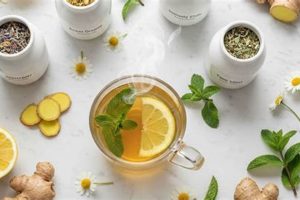
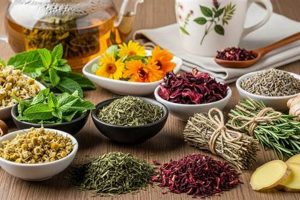
Certain botanical infusions are considered acceptable for consumption during gestation. These beverages, prepared by steeping dried herbs, flowers, or roots in hot water, can offer hydration and potentially mild therapeutic benefits. Chamomile, ginger, and rooibos are frequently cited examples of infusions often regarded as suitable during this period.
Hydration is crucial for both maternal and fetal well-being. Furthermore, some herbal ingredients may alleviate common pregnancy discomforts. For example, ginger has a history of use in mitigating nausea. Prior to widespread availability of modern medicines, herbal preparations played a significant role in managing various health conditions, including those associated with pregnancy.
However, it is imperative to exercise caution when selecting and consuming herbal infusions while pregnant. The subsequent sections will address specific herbs to avoid, factors influencing safety, and the importance of consulting with a healthcare professional before incorporating any herbal beverage into one’s diet during pregnancy.
Considerations for Herbal Tea Consumption During Pregnancy
The following guidelines offer crucial considerations when choosing herbal teas during pregnancy. Adherence to these points can contribute to maternal and fetal well-being.
Tip 1: Research Individual Herbs: Thoroughly investigate each herb’s safety profile during pregnancy. Reputable sources, such as peer-reviewed journals and professional herbalists, provide valuable information. Understand both potential benefits and risks.
Tip 2: Prioritize Single-Ingredient Teas: Opt for teas containing only one known and verified safe herb. Complex blends increase the likelihood of including a potentially harmful ingredient unknowingly.
Tip 3: Source From Reputable Suppliers: Choose herbal teas from established and trusted suppliers. This minimizes the risk of contamination, misidentification, or adulteration with undesirable substances.
Tip 4: Monitor Dosage and Frequency: Even with generally safe herbs, moderation is crucial. Limit consumption to one or two cups per day. Observe for any adverse reactions and discontinue use if necessary.
Tip 5: Be Aware of Potential Drug Interactions: Herbal teas can interact with prescription medications. Consult a healthcare provider or pharmacist to assess potential interactions before consumption.
Tip 6: Avoid Teas with Laxative Effects: Certain herbs possess laxative properties, which can lead to dehydration and electrolyte imbalances. Avoid teas containing senna, cascara, or similar herbs.
Tip 7: Recognize Individual Sensitivities: Even with widely accepted herbs, individual reactions may vary. Discontinue use if any allergic symptoms or adverse effects manifest.
Careful selection and mindful consumption are paramount when incorporating herbal infusions into a pregnancy diet. By understanding the potential risks and benefits, individuals can make informed decisions regarding their well-being.
These considerations are intended to support informed choices and should not replace the advice of a qualified healthcare professional. The next section will delve into specific herbs often cited as unsafe during pregnancy.
1. Herb Identification

The accurate identification of herbs constitutes a critical component of ensuring the safety of herbal tea consumption during pregnancy. Misidentification can lead to the ingestion of herbs possessing harmful properties, potentially resulting in adverse effects on both maternal and fetal health. Consider the example of comfrey (Symphytum officinale), often confused with other, benign leafy plants. Comfrey contains pyrrolizidine alkaloids, known hepatotoxins and potential carcinogens, rendering it unequivocally unsafe during pregnancy. Therefore, proper identification serves as a fundamental safeguard against unintended harm.
The importance of herb identification extends beyond simply knowing the plant’s common name. It requires a thorough understanding of the plant’s botanical characteristics, including its leaf structure, flower morphology, and root system. This knowledge is especially crucial when sourcing herbs from wild environments, where the risk of misidentification is significantly higher. Furthermore, proper identification impacts correct preparation methods; certain herbs require specific processing techniques to neutralize potentially toxic compounds. For instance, some plants must be dried or heated to render them safe for consumption.
In summary, the ability to correctly identify herbs is paramount in determining the safety of herbal tea during pregnancy. The consequences of misidentification can range from mild discomfort to severe health complications. To mitigate this risk, individuals should prioritize purchasing herbs from reputable sources, seeking guidance from qualified herbalists, and investing in comprehensive botanical knowledge. This proactive approach is essential for safeguarding maternal and fetal well-being.
2. Safe Dosage
The concept of safe dosage is intrinsically linked to the selection of appropriate herbal teas during gestation. Even herbs generally considered safe can pose risks if consumed in excessive quantities. Dosage guidelines must therefore be meticulously observed to safeguard maternal and fetal health.
- Concentration of Active Compounds
The concentration of active constituents varies significantly among different herbal preparations. Factors such as the herb’s growing conditions, harvesting methods, and processing techniques influence the potency of the final product. A standardized herbal extract will have a known concentration, whereas a loosely measured quantity of dried herb may be unpredictable in its strength. This variability necessitates careful consideration when determining an appropriate dosage.
- Individual Physiological Factors
Individual physiological characteristics, including body weight, metabolism, and pre-existing health conditions, play a crucial role in determining a safe and effective dosage. Pregnant individuals often experience altered metabolic processes, which can influence the absorption, distribution, and elimination of herbal constituents. Therefore, a dosage deemed safe for one individual may prove excessive or inadequate for another.
- Potential for Cumulative Effects
The long-term consumption of even small doses of certain herbs can lead to cumulative effects. These effects may not be immediately apparent but can manifest over time, potentially resulting in adverse health outcomes. For example, consistent, low-level exposure to certain hepatotoxic herbs, even at doses initially considered safe, may gradually impair liver function. Consequently, both the acute and cumulative effects of herbal tea consumption must be carefully considered.
- Influence of Pregnancy Stage
The stage of pregnancy can affect how the body processes herbal compounds. The first trimester, a period of critical organ development, may warrant more cautious approach due to heightened fetal vulnerability. As pregnancy progresses, changes in maternal physiology, such as increased blood volume and altered kidney function, can impact drug metabolism and elimination, influencing the safety profile of herbal teas. Thus, dosage adjustments may be necessary throughout gestation.
The establishment of appropriate dosage parameters is fundamental to ensuring the safe consumption of herbal teas during pregnancy. The variability in herb potency, individual physiological differences, potential for cumulative effects, and the stage of pregnancy are all critical factors that must be taken into account. A collaborative approach involving healthcare providers and qualified herbalists is recommended to establish safe dosage guidelines tailored to individual needs and circumstances, contributing to optimized maternal and fetal health outcomes.
3. Supplier Trustworthiness

The origin and handling of herbal products significantly impact their safety, particularly during pregnancy. Selecting a reliable supplier is therefore paramount, minimizing potential risks associated with contamination, misidentification, and adulteration of herbal teas. The integrity of the supplier directly influences the composition and quality of the final product consumed.
- Quality Control Measures
Reputable suppliers implement rigorous quality control measures throughout the supply chain. These measures encompass testing for heavy metals, pesticides, and microbial contaminants. They also ensure proper harvesting, drying, and storage practices that maintain the herb’s integrity. Suppliers lacking stringent quality control pose a higher risk of providing compromised products.
- Accurate Product Labeling
Trustworthy suppliers provide accurate and comprehensive product labeling, including the botanical name of the herb, origin information, and any potential allergens or contraindications. Transparency in labeling enables informed decision-making and reduces the likelihood of unintended exposure to harmful substances. Vague or misleading labeling practices raise concerns about the supplier’s integrity.
- Certifications and Regulatory Compliance
Certifications from recognized organizations, such as organic or Good Manufacturing Practices (GMP) certifications, serve as indicators of a supplier’s commitment to quality and safety standards. Compliance with relevant regulatory requirements further demonstrates adherence to established industry practices. Absence of such certifications or regulatory compliance signals a potential disregard for quality assurance.
- Transparency and Traceability
Reliable suppliers maintain transparency regarding their sourcing practices and can trace their products back to their origin. This level of traceability enables accountability and facilitates the identification of potential issues within the supply chain. Opaque sourcing practices obscure the origin of the herbs and make it difficult to verify their safety and authenticity.
Supplier trustworthiness is not merely a matter of convenience but a crucial safeguard for pregnant individuals seeking the benefits of herbal teas. The implementation of quality control measures, accurate product labeling, adherence to certifications and regulatory standards, and commitment to transparency are all indicators of a supplier’s dedication to providing safe and reliable products. Prioritizing suppliers who demonstrate these characteristics is essential for minimizing the risks associated with herbal tea consumption during pregnancy and contributing to positive maternal and fetal health outcomes.
4. Pregnancy Stage

The trimester of pregnancy profoundly influences the safety profile of herbal teas. The first trimester, characterized by rapid organogenesis, represents a period of heightened fetal vulnerability. Exposure to certain herbal constituents during this phase can disrupt developmental processes, potentially leading to congenital anomalies or pregnancy loss. For example, herbs with emmenagogue properties, which stimulate uterine contractions, are generally contraindicated throughout pregnancy, but pose the greatest risk during the first trimester due to their potential to induce miscarriage. Conversely, the second and third trimesters may allow for cautious use of specific herbs under strict medical supervision, as the fetus becomes less susceptible to certain developmental disruptions.
The physiological changes occurring throughout pregnancy further impact herb metabolism and placental transfer. Increased blood volume, altered liver enzyme activity, and modified kidney function can affect the absorption, distribution, metabolism, and excretion of herbal compounds. As the placenta matures, its permeability to various substances, including herbal constituents, may change. For example, some herbs may exhibit minimal placental transfer early in pregnancy but demonstrate increased transfer later in gestation. These factors necessitate a dynamic approach to herbal tea selection, with dosages and choices adjusted to reflect the evolving physiological state of the pregnant individual. The significance of understanding these nuances cannot be overstated; an herb deemed safe in one trimester may pose significant risks in another.
In summary, the pregnancy stage is a critical determinant of herbal tea safety. The first trimester demands the utmost caution due to the fetus’s heightened vulnerability. As pregnancy progresses, physiological changes influence herb metabolism and placental transfer, necessitating adjustments to herbal tea choices and dosages. A thorough understanding of these trimester-specific considerations, coupled with consultation from qualified healthcare professionals, is essential to minimize risks and promote positive pregnancy outcomes. Disregarding the impact of the specific gestational phase could lead to unintended and potentially harmful consequences.
5. Underlying Conditions

Pre-existing medical conditions significantly influence the safety profile of herbal teas during pregnancy. An individual’s health status impacts how their body metabolizes and responds to various substances, including herbal constituents. Conditions such as hypertension, diabetes, autoimmune disorders, and liver or kidney disease can alter the pharmacokinetics and pharmacodynamics of herbal compounds, potentially exacerbating existing symptoms or triggering adverse reactions. For example, a pregnant individual with pre-existing hypertension must exercise extreme caution when selecting herbal teas, as certain herbs, such as those containing licorice, can elevate blood pressure, posing risks to both maternal and fetal well-being.
The interplay between underlying conditions and herbal tea safety necessitates a personalized approach to herbal selection. A blanket recommendation for a particular herbal tea may be entirely inappropriate for an individual with a specific medical history. For instance, chamomile tea, generally considered safe for many, may be contraindicated for individuals with ragweed allergies due to potential cross-reactivity. Similarly, pregnant individuals with gestational diabetes must carefully monitor their blood sugar levels when consuming herbal teas, as some preparations may contain natural sugars or impact insulin sensitivity. The presence of pre-existing conditions demands meticulous scrutiny of each herb’s potential interactions with the individual’s overall health status, accounting for both potential benefits and risks.
In conclusion, underlying medical conditions represent a crucial determinant of the suitability of herbal teas during pregnancy. The presence of pre-existing health issues can alter the body’s response to herbal constituents, potentially leading to adverse effects. A personalized assessment, incorporating a comprehensive understanding of the individual’s medical history and potential herb-condition interactions, is essential. Healthcare professionals should be consulted to provide guidance tailored to the individual’s specific health needs, ensuring that herbal tea consumption is both safe and beneficial throughout pregnancy. Disregarding underlying conditions when selecting herbal teas can pose significant risks to maternal and fetal health.
6. Potential Interactions

The possibility of interactions between herbal tea constituents and other substances represents a significant consideration when evaluating the safety of herbal tea consumption during pregnancy. These interactions can manifest as altered drug metabolism, enhanced or diminished therapeutic effects, or increased risk of adverse reactions. The potential for interactions necessitates a thorough assessment of a pregnant individual’s medication regimen and overall health status prior to incorporating herbal teas into their diet.
- Herb-Drug Interactions
The co-administration of herbal teas and prescription medications can lead to clinically significant interactions. Certain herbal constituents can inhibit or induce cytochrome P450 enzymes, which play a crucial role in drug metabolism. For instance, St. John’s Wort, while not generally recommended during pregnancy, is a potent inducer of CYP3A4, potentially reducing the effectiveness of various medications, including some contraceptives and antidepressants. Conversely, other herbs may inhibit these enzymes, increasing drug levels and the risk of toxicity. Pregnant individuals on medication should consult with a healthcare provider or pharmacist to assess potential herb-drug interactions.
- Herb-Supplement Interactions
Interactions can also occur between herbal teas and dietary supplements. For example, the combination of ginger tea, often used to alleviate nausea, with other blood-thinning supplements, such as omega-3 fatty acids, may increase the risk of bleeding. Similarly, the concurrent use of herbal teas with iron supplements can affect iron absorption. It is essential to consider the combined effects of all supplements and herbal products consumed to avoid potential adverse interactions.
- Herb-Food Interactions
While less commonly emphasized, interactions between herbal teas and food components can also occur. Certain food substances can alter the absorption or metabolism of herbal constituents. For instance, the tannins present in some herbal teas may bind to minerals, such as iron or calcium, reducing their bioavailability. Consuming these teas concurrently with mineral-rich foods may therefore diminish the nutritional benefits of those foods. The timing of herbal tea consumption relative to meals should be considered to minimize potential interactions.
- Additive or Synergistic Effects
In some cases, herbal teas may exhibit additive or synergistic effects with other substances. For example, the combination of chamomile tea, known for its calming properties, with other sedatives or anxiolytics may enhance the sedative effect, potentially leading to excessive drowsiness or impaired cognitive function. While these effects may be desirable in certain circumstances, pregnant individuals must exercise caution to avoid unintended consequences. Consultation with a healthcare provider is essential to assess the potential for additive or synergistic effects.
The potential for interactions underscores the importance of informed decision-making regarding herbal tea consumption during pregnancy. A thorough evaluation of medication and supplement use, along with consideration of potential herb-food interactions and additive effects, is crucial to minimizing risks. Consulting with healthcare professionals provides personalized guidance, ensuring that herbal tea consumption is both safe and appropriate within the context of an individual’s overall health profile.
7. Professional Consultation

The determination of safe herbal tea options during pregnancy necessitates engagement with qualified healthcare professionals. This collaboration ensures individualized recommendations, accounting for specific medical history, current medications, and the nuanced stages of gestation. Reliance solely on generalized information sources, without professional guidance, introduces unacceptable risks to maternal and fetal well-being. Erroneous assumptions regarding herbal safety, stemming from readily available but potentially inaccurate information, can precipitate adverse health outcomes. A licensed physician, certified midwife, or experienced herbalist, possessing comprehensive knowledge of both herbal properties and pregnancy physiology, provides the expertise required to navigate the complexities of herbal tea selection. The absence of professional consultation compromises the safety equation, rendering decision-making inherently unreliable.
Professional guidance facilitates a comprehensive risk-benefit analysis for each potential herbal tea choice. Considerations extend beyond simply identifying “safe” herbs; they encompass evaluating potential interactions with existing medications or supplements, assessing the suitability of specific herbs given pre-existing medical conditions, and determining appropriate dosages based on individual physiological parameters. For example, a pregnant individual with a history of hypertension requires careful assessment to avoid herbal teas that could elevate blood pressure. Similarly, individuals with autoimmune disorders may need to avoid herbs that could stimulate the immune system. A healthcare professional considers these factors holistically, providing tailored recommendations that mitigate potential harm while maximizing potential benefits. Furthermore, professional consultation provides an opportunity to address misinformation or clarify confusing information encountered from unreliable sources.
In conclusion, professional consultation constitutes a cornerstone of safe herbal tea selection during pregnancy. It provides a crucial layer of individualized assessment, risk mitigation, and accurate information dissemination that cannot be replicated by generalized resources. The complexities of herbal properties, pregnancy physiology, and individual health profiles demand expert guidance to ensure optimal maternal and fetal outcomes. Prioritizing collaboration with qualified healthcare professionals is not merely advisable, but essential for responsible decision-making regarding herbal tea consumption during pregnancy. Neglecting this critical step undermines safety and exposes both mother and child to unnecessary risks.
Frequently Asked Questions
The following addresses common inquiries regarding appropriate herbal tea consumption during pregnancy. This information is intended to supplement, not replace, professional medical advice.
Question 1: Is it universally true that herbal teas are safe during pregnancy?
No, the notion that all herbal teas are safe for consumption during pregnancy is inaccurate. Certain herbal constituents possess properties that could be detrimental to maternal or fetal health. A careful assessment of each herb’s safety profile is necessary.
Question 2: How can one ascertain the safety of a specific herbal tea during pregnancy?
Determining safety requires a multifaceted approach. Reputable sources, such as peer-reviewed scientific literature and qualified herbalists, can provide valuable information. A healthcare provider should be consulted for personalized guidance.
Question 3: What are some examples of herbal teas typically considered unsafe during pregnancy?
Examples of herbs often cited as unsafe during pregnancy include, but are not limited to, pennyroyal, blue cohosh, and mugwort. This list is not exhaustive, and individual circumstances may warrant further caution.
Question 4: Does the stage of pregnancy influence the safety of herbal tea consumption?
Yes, the trimester of pregnancy impacts the potential risks associated with certain herbal constituents. The first trimester, a period of critical organ development, often necessitates greater caution. Changes in maternal physiology throughout pregnancy also affect herb metabolism.
Question 5: Is it permissible to consume herbal teas that are labeled as “natural” during pregnancy?
The term “natural” does not guarantee safety. The inherent properties of the herb, irrespective of labeling, determine its suitability for consumption during pregnancy. Diligence in researching specific herbs remains crucial.
Question 6: What steps should one take if experiencing adverse effects after consuming herbal tea during pregnancy?
If adverse effects occur, consumption should be immediately discontinued. Contact a healthcare provider promptly to report the symptoms and receive appropriate medical attention. A detailed account of the herbal tea consumed is essential.
In summary, the safety of herbal teas during pregnancy depends on various factors, including the specific herb, gestational stage, and individual health status. Consultation with a healthcare professional is paramount for informed decision-making.
The next section will provide a concluding overview of the key principles governing herbal tea consumption during pregnancy.
What Herbal Tea is Safe During Pregnancy
The exploration of “what herbal tea is safe during pregnancy” reveals a landscape demanding meticulous consideration. The seemingly simple act of consuming an herbal infusion necessitates a thorough understanding of various factors, including accurate herb identification, appropriate dosage, supplier trustworthiness, pregnancy stage, pre-existing medical conditions, and potential interactions with other substances. The information presented underscores the fallacy of assuming universal safety among herbal teas; each herb presents a unique profile demanding careful evaluation.
In light of the complexities outlined, the pursuit of information regarding “what herbal tea is safe during pregnancy” should culminate in proactive engagement with qualified healthcare professionals. This collaborative approach, ensuring personalized risk assessment and evidence-based guidance, remains paramount in safeguarding both maternal and fetal well-being. Further research and enhanced transparency within the herbal supplement industry are crucial for empowering informed choices and optimizing health outcomes during this critical period.