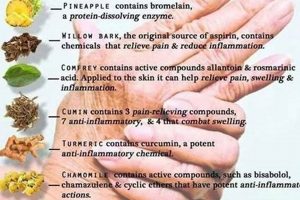
Urinary tract infections (UTIs) are common infections that affect the bladder, urethra, or kidneys. Management strategies often involve antimicrobial agents; however, some individuals explore alternative approaches using plant-derived substances. These substances are intended to alleviate symptoms or potentially prevent recurrence.
The historical use of botanicals for health conditions, including those affecting the urinary system, is extensive. Some plant extracts are believed to possess properties that support urinary tract health. Potential benefits may include assisting in the reduction of inflammation, inhibiting bacterial adhesion, or promoting a healthy urinary environment. These actions could contribute to managing the discomfort associated with UTIs or potentially lowering the frequency of infections.
The following article will discuss commonly used botanical options, their purported mechanisms of action, existing research regarding their efficacy, and important considerations for individuals considering their use in the context of urinary tract infection management. Information regarding potential interactions, contraindications, and the importance of consulting with a healthcare professional will also be addressed.
Guidance on Utilizing Plant-Based Options for Urinary Tract Infections
The following tips offer insights into the informed consideration of botanical approaches for addressing urinary tract infections. These recommendations emphasize safety, evidence-based decision-making, and the importance of professional medical guidance.
Tip 1: Consultation with a Healthcare Provider: Prior to initiating any plant-based regimen, a consultation with a qualified healthcare professional is essential. This step ensures accurate diagnosis, consideration of potential drug interactions, and appropriate monitoring of the condition.
Tip 2: Selection of Reputable Products: When choosing plant-derived products, prioritize brands that adhere to rigorous quality control standards. Look for third-party certifications and verification of ingredient purity and potency. Avoid products with vague labeling or unsubstantiated claims.
Tip 3: Adherence to Recommended Dosage: It is crucial to adhere strictly to the dosage instructions provided by the manufacturer or a healthcare professional. Exceeding the recommended dose does not necessarily enhance efficacy and may increase the risk of adverse effects.
Tip 4: Awareness of Potential Interactions: Plant-derived substances can interact with prescription medications, over-the-counter drugs, and other supplements. A thorough review of all current medications and supplements with a healthcare provider is necessary to mitigate potential risks.
Tip 5: Monitoring for Adverse Reactions: Closely monitor for any adverse reactions, such as allergic responses, gastrointestinal upset, or skin irritation. Discontinue use immediately and seek medical attention if any concerning symptoms arise.
Tip 6: Integration with Conventional Treatment: Botanical approaches should not be considered a substitute for conventional medical treatment, particularly in cases of acute or severe urinary tract infections. Plant-based options may be used as a complementary strategy under the guidance of a healthcare provider.
Tip 7: Focusing on Preventative Measures: Lifestyle modifications, such as adequate hydration, frequent urination, and proper hygiene, are essential components of urinary tract health. These preventative measures should be prioritized alongside any botanical interventions.
These recommendations serve to emphasize the need for a cautious and informed approach when considering plant-derived substances for urinary tract infections. Prioritizing safety, evidence-based decision-making, and professional medical guidance is paramount.
The subsequent sections will delve into the specific botanical options commonly employed, their purported mechanisms of action, and the available scientific evidence supporting their use.
1. Antimicrobial Properties

The presence of antimicrobial properties within certain plant-derived substances is a central rationale for their utilization in addressing urinary tract infections (UTIs). This aspect focuses on the ability of these substances to inhibit the growth or directly eliminate bacteria commonly implicated in UTIs.
- Inhibition of Bacterial Adhesion
Many UTIs are initiated by bacteria, most frequently Escherichia coli (E. coli), adhering to the cells lining the urinary tract. Certain plant compounds, such as proanthocyanidins (PACs) found in cranberries, interfere with this adhesion process. PACs possess a unique structure that prevents E. coli from effectively attaching to the bladder wall, thereby reducing the likelihood of infection. This mechanism does not necessarily kill the bacteria but prevents them from colonizing and causing infection.
- Direct Bactericidal or Bacteriostatic Action
Some botanical extracts exhibit direct antimicrobial activity, either killing bacteria (bactericidal) or inhibiting their growth (bacteriostatic). For example, Uva Ursi contains arbutin, which is converted into hydroquinone in the urinary tract. Hydroquinone possesses antiseptic properties and can directly inhibit the growth of several UTI-causing bacteria. The effectiveness of this mechanism depends on the concentration of hydroquinone achieved in the urine and the susceptibility of the specific bacteria.
- Impact on Biofilm Formation
Bacteria can form biofilms, which are communities of microorganisms encased in a protective matrix. Biofilms are often more resistant to antibiotics and host defenses. Certain plant extracts have demonstrated the ability to disrupt or prevent biofilm formation, potentially enhancing the effectiveness of antimicrobial agents or the body’s natural defenses. This is an area of ongoing research, and the specific mechanisms by which plant extracts interfere with biofilm formation are still being investigated.
- Synergistic Effects with Conventional Antibiotics
Research suggests that certain plant extracts may exhibit synergistic effects when used in combination with conventional antibiotics. This means that the combined effect of the plant extract and the antibiotic is greater than the sum of their individual effects. This could potentially lead to lower doses of antibiotics being required or enhanced efficacy against resistant bacteria. However, further research is needed to fully understand these interactions and determine optimal combinations and dosages.
The aforementioned antimicrobial properties highlight the potential of certain botanical substances to play a role in UTI management. However, it is crucial to recognize that the efficacy of these substances can vary depending on factors such as the specific bacteria involved, the concentration of active compounds in the extract, and individual patient characteristics. Furthermore, the long-term effectiveness and safety of these approaches require ongoing investigation, and it is imperative to consult with a healthcare professional before using these options.
2. Anti-inflammatory Actions

The mitigation of inflammation is a significant consideration in addressing urinary tract infections (UTIs). Certain plant-derived substances possess anti-inflammatory properties that may contribute to alleviating the discomfort and tissue damage associated with these infections, thus forming a rationale for their inclusion in some management approaches.
- Reduction of Cytokine Production
UTIs trigger an inflammatory response characterized by the release of pro-inflammatory cytokines. These signaling molecules contribute to pain, swelling, and tissue damage. Some botanical extracts contain compounds that can inhibit the production or activity of these cytokines, thereby reducing the overall inflammatory burden. For example, certain flavonoids found in herbs like bearberry are believed to possess this ability.
- Inhibition of Inflammatory Enzymes
Enzymes such as cyclooxygenase (COX) and lipoxygenase (LOX) play a crucial role in the inflammatory cascade. Certain plant compounds can inhibit the activity of these enzymes, thereby reducing the production of inflammatory mediators like prostaglandins and leukotrienes. This mechanism is similar to that of nonsteroidal anti-inflammatory drugs (NSAIDs), but with potentially different side effect profiles. Some plant extracts, such as those derived from turmeric (containing curcumin), have demonstrated COX and LOX inhibitory activity in vitro.
- Modulation of Immune Cell Activity
Inflammation involves the activation and recruitment of immune cells to the site of infection. While this is necessary for clearing the infection, excessive immune cell activity can contribute to tissue damage. Certain plant extracts can modulate the activity of immune cells, such as macrophages and neutrophils, preventing them from releasing excessive amounts of inflammatory mediators. This modulation can help to resolve inflammation and promote tissue repair. For example, some studies suggest that certain polysaccharides found in medicinal mushrooms may have immunomodulatory effects.
- Protection Against Oxidative Stress
Inflammation is often accompanied by oxidative stress, which is an imbalance between the production of reactive oxygen species (ROS) and the body’s antioxidant defenses. ROS can damage cells and tissues, exacerbating inflammation. Many plant extracts contain antioxidants that can neutralize ROS and protect against oxidative damage. This protective effect can contribute to reducing inflammation and promoting tissue healing. Examples include extracts rich in vitamin C, vitamin E, and polyphenols.
The anti-inflammatory actions of certain plant-derived substances can contribute to symptomatic relief and potentially promote tissue healing in the context of UTIs. However, it is essential to recognize that these effects are often modest and may not be sufficient to resolve the infection completely. Furthermore, the effectiveness of these substances can vary depending on the individual, the severity of the infection, and the specific botanical extract used. Consultation with a qualified healthcare professional is crucial to determine the appropriateness of these options and to ensure that they are used safely and effectively.
3. Diuretic Effects

The utilization of diuretic agents, including certain plant-derived substances, is considered within the context of urinary tract infection (UTI) management due to their potential to promote increased urine flow. This effect is hypothesized to assist in flushing out bacteria from the urinary tract, thereby potentially reducing the bacterial load and alleviating symptoms.
- Increased Urinary Volume
Diuretics function by increasing the volume of urine produced by the kidneys. This elevated fluid flow through the urinary tract aids in the mechanical removal of bacteria and other debris that may contribute to infection. Increased urinary volume dilutes the concentration of bacteria present, which can reduce their ability to adhere to the urinary tract lining. Examples include dandelion (Taraxacum officinale) and parsley (Petroselinum crispum), which are traditionally used for their mild diuretic properties.
- Reduced Bacterial Adherence
The increased urinary flow resulting from diuretic action can physically dislodge bacteria that have adhered to the epithelial cells of the urinary tract. This effect is particularly relevant in the early stages of infection when bacteria are actively attempting to colonize the bladder and urethra. While not a direct antimicrobial effect, the reduction in bacterial adherence can limit the progression of the infection. Certain preparations containing juniper (Juniperus communis) have been historically used as diuretics in this context.
- Alteration of Urinary pH
Some diuretic substances can influence the pH of the urine. While the direct impact of urinary pH on bacterial growth is complex and dependent on the specific bacterial species, changes in pH can affect the effectiveness of certain antimicrobial compounds and the overall urinary environment. Uva Ursi, for example, contains arbutin, which is converted to hydroquinone and can have a mild alkalinizing effect on urine, potentially influencing bacterial growth.
- Potential for Enhanced Excretion of Antimicrobials
Diuretic action may also contribute to the enhanced excretion of systemically administered antimicrobial agents. Increased urine flow can accelerate the removal of antibiotics from the body, potentially improving their concentration in the urinary tract and enhancing their therapeutic effect. However, this effect must be balanced against the potential for reduced overall drug exposure and the risk of sub-therapeutic levels. The specific impact on antimicrobial pharmacokinetics depends on the properties of the antibiotic and the diuretic agent used.
While the diuretic effects of certain plant-derived substances may offer some benefit in managing UTIs by promoting bacterial flushing, it is crucial to recognize that this approach is not a substitute for appropriate antimicrobial therapy in established infections. The use of diuretics should be considered as a complementary strategy, and the underlying cause of the UTI must be addressed with appropriate medical intervention. It is imperative to consult with a healthcare professional to determine the suitability of diuretic agents and to ensure their safe and effective use in the context of UTI management.
4. Preventative Capacity

The preventative capacity of botanical substances in relation to urinary tract infections (UTIs) centers on their potential to reduce the incidence or severity of recurrent infections. This aspect focuses on sustained, long-term use strategies rather than acute treatment of established infections. The underlying principle involves creating an environment less conducive to bacterial colonization and promoting overall urinary tract health. For instance, regular consumption of cranberry products, containing proanthocyanidins, aims to inhibit bacterial adhesion to the urinary tract lining, potentially decreasing the frequency of UTIs. This approach requires consistent adherence to a regimen and is predicated on the understanding that certain plant compounds can modify the urinary environment over time.
Furthermore, preventative application involves considering individual risk factors for UTIs. Women with a history of recurrent infections, for example, might explore botanical options in conjunction with lifestyle modifications, such as increased fluid intake and proper hygiene practices. The selection of specific botanical substances should be based on their purported mechanisms of action and the individual’s specific needs and circumstances. Examples include the use of D-mannose, a simple sugar that can interfere with bacterial attachment, or the periodic consumption of herbal teas containing diuretic and anti-inflammatory compounds. The efficacy of these preventative strategies is often assessed through monitoring the frequency and severity of subsequent UTIs, providing empirical data to evaluate their effectiveness.
In conclusion, the preventative capacity of plant-derived substances in UTI management represents a proactive approach aimed at reducing the burden of recurrent infections. While not a replacement for conventional medical treatment, the strategic and informed use of certain botanical options can contribute to a comprehensive prevention plan. Challenges remain in establishing standardized dosages and assessing long-term efficacy, underscoring the importance of individualized approaches and ongoing research to optimize the use of these substances for UTI prevention.
5. Quality Control

The efficacy and safety of any botanical approach to urinary tract infection (UTI) management are inextricably linked to rigorous quality control measures. The complexity of plant-derived substances, coupled with the potential for contamination and misidentification, necessitates stringent oversight throughout the production process. Failure to implement adequate quality control can lead to products with inconsistent potency, the presence of harmful adulterants, or the absence of the claimed active compounds, rendering the remedy ineffective or even dangerous.
Specific aspects of quality control relevant to botanical UTI remedies include botanical authentication, ensuring the correct plant species is used; proper harvesting and handling to preserve active constituents; standardized extraction methods to yield consistent potency; testing for heavy metals, pesticides, and microbial contaminants; and accurate labeling to reflect the product’s composition and recommended usage. For example, a cranberry extract marketed for UTI prevention must undergo testing to verify the concentration of proanthocyanidins (PACs), the compounds believed to be responsible for its anti-adhesion properties. Without this verification, consumers cannot be assured they are receiving an effective dose. Similarly, products containing Uva Ursi must be analyzed for arbutin content and assessed for the presence of pyrrolizidine alkaloids, which can be hepatotoxic. These quality control steps safeguard consumers from potential harm and contribute to the overall credibility of botanical approaches to UTI care.
In conclusion, quality control is not merely a regulatory requirement but an ethical imperative in the context of plant-based UTI remedies. The absence of robust quality control undermines the potential benefits of these substances and poses unacceptable risks to public health. Stakeholders, including manufacturers, regulatory agencies, and healthcare practitioners, must prioritize quality control to ensure that botanical UTI remedies are safe, effective, and reliably contribute to patient well-being.
6. Professional Guidance

The integration of botanical remedies for urinary tract infections (UTIs) necessitates the informed oversight of qualified healthcare professionals. The complexity of UTIs, coupled with the potential for interactions between plant-derived substances and conventional treatments, underscores the critical role of professional guidance in ensuring patient safety and optimizing therapeutic outcomes.
- Accurate Diagnosis and Assessment
A healthcare provider can accurately diagnose a UTI, differentiating it from other conditions with similar symptoms. Furthermore, they can assess the severity of the infection and identify any underlying risk factors or complications. This comprehensive evaluation is essential for determining the appropriateness of botanical remedies and for guiding the overall treatment strategy. Self-diagnosis and self-treatment, particularly with herbal remedies, can lead to delayed or inappropriate care, potentially resulting in more severe complications.
- Medication Interactions and Contraindications
Plant-derived substances can interact with prescription medications, over-the-counter drugs, and other supplements. A healthcare professional can evaluate the patient’s current medication regimen and identify any potential interactions that could alter the efficacy or safety of either the conventional treatment or the botanical remedy. For example, certain herbal diuretics may interact with blood pressure medications, while some antimicrobial herbs may interfere with the absorption of antibiotics. Furthermore, certain botanical remedies are contraindicated in individuals with specific medical conditions, such as kidney disease or liver dysfunction. A qualified healthcare provider can assess these risks and advise accordingly.
- Monitoring and Evaluation of Treatment Response
Professional guidance includes ongoing monitoring of the patient’s response to treatment, both conventional and botanical. This involves tracking symptom improvement, assessing for any adverse effects, and conducting follow-up urine cultures to confirm eradication of the infection. If the botanical remedy is not effective or if symptoms worsen, the healthcare provider can adjust the treatment plan as needed, potentially transitioning to a more aggressive antimicrobial approach. Regular monitoring also allows for early detection of any potential complications, such as kidney involvement or antibiotic resistance.
- Integration with Conventional Medical Care
Professional medical advice emphasizes the integration of plant-based strategies with standard medical treatments for urinary tract infections. This integrative approach ensures individuals get well-rounded and suitable care. It also allows for the usage of herbal treatments alongside regular medical interventions, with the objective of boosting therapeutic results while managing safety and efficiency.
The aforementioned facets underscore the indispensable role of professional guidance in the responsible and effective utilization of botanical remedies for UTIs. While plant-derived substances may offer some benefits in managing or preventing UTIs, they are not a substitute for appropriate medical care. Consultation with a qualified healthcare professional is paramount to ensure accurate diagnosis, minimize risks, and optimize therapeutic outcomes.
Frequently Asked Questions Regarding Botanical Approaches to Urinary Tract Infections
The following questions and answers address common inquiries concerning the utilization of plant-derived substances in the management of urinary tract infections (UTIs). The information provided is intended to be informative and should not be construed as medical advice. Consultation with a healthcare professional is essential before initiating any new treatment regimen.
Question 1: Are botanical remedies a substitute for antibiotics in treating a UTI?
Botanical remedies are generally not considered a substitute for antibiotics in the treatment of an active UTI. Antibiotics are often necessary to eradicate the bacterial infection and prevent complications. Botanical approaches may be used as a complementary strategy under the guidance of a healthcare provider, but should not replace conventional medical treatment.
Question 2: What are the potential side effects of using botanical remedies for UTIs?
Botanical remedies, like any therapeutic agent, can have potential side effects. These side effects vary depending on the specific plant-derived substance used and individual patient factors. Common side effects may include gastrointestinal upset, allergic reactions, and interactions with other medications. It is crucial to research the potential side effects of any botanical remedy before using it and to report any adverse reactions to a healthcare provider.
Question 3: How can the quality of botanical remedies for UTIs be assured?
The quality of botanical remedies can vary significantly depending on the manufacturer and the sourcing of the ingredients. To ensure quality, it is advisable to choose products from reputable brands that adhere to rigorous quality control standards. Look for third-party certifications and verification of ingredient purity and potency. Avoid products with vague labeling or unsubstantiated claims.
Question 4: Are botanical remedies safe for pregnant or breastfeeding women?
Many botanical remedies are not recommended for use during pregnancy or breastfeeding due to a lack of safety data. Some plant-derived substances can have adverse effects on the developing fetus or infant. Pregnant or breastfeeding women should consult with a healthcare provider before using any botanical remedy.
Question 5: Can botanical remedies prevent recurrent UTIs?
Some botanical remedies, such as cranberry extract, have shown promise in preventing recurrent UTIs. However, the effectiveness of these remedies can vary depending on the individual and the specific plant-derived substance used. Lifestyle modifications, such as adequate hydration and proper hygiene, are also essential for preventing recurrent UTIs.
Question 6: How long should botanical remedies be used for UTI prevention or treatment?
The duration of use for botanical remedies in UTI prevention or treatment varies depending on the specific product, the individual’s response, and the guidance of a healthcare provider. Some remedies may be used on a short-term basis to alleviate symptoms, while others may be used long-term for prevention. It is important to follow the recommended dosage and duration of use provided by the manufacturer or a healthcare professional.
In summary, it is important to approach the use of botanical remedies for UTIs with caution and informed decision-making. Consultation with a healthcare professional is essential to ensure safety and efficacy. This is necessary for accurate diagnosis, identification of possible interactions, and suitable monitoring of treatment.
The ensuing segment will delve into the regulatory landscape governing the production and marketing of botanical remedies, highlighting the challenges and opportunities for enhancing consumer protection.
Concluding Remarks on uti herbal remedy
This exploration has provided an overview of the application of plant-derived substances in the context of urinary tract infection (UTI) management. It is clear that while some botanical options possess potentially beneficial properties, their role is complex and should not be oversimplified. Critical factors, including antimicrobial activity, anti-inflammatory effects, diuretic capacity, and preventative potential, require careful consideration alongside robust quality control measures and the guidance of qualified healthcare professionals. The information presented underscores the necessity of evidence-based decision-making and a comprehensive understanding of the potential benefits and limitations of utilizing plant-based approaches in UTI care.
Given the continued prevalence of UTIs and the increasing interest in alternative and complementary therapies, ongoing research is essential to further elucidate the efficacy and safety of botanical remedies. A commitment to rigorous scientific investigation, coupled with responsible clinical application, will ultimately determine the appropriate role of plant-derived substances in the future of UTI management. Individuals experiencing symptoms of a UTI should consult with a healthcare provider for accurate diagnosis and appropriate treatment, and engage in open communication regarding any complementary therapies under consideration.