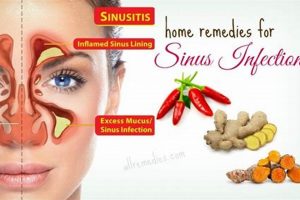
Nasal congestion, a common ailment characterized by inflammation and blockage of the nasal passages, often prompts individuals to seek relief. Traditional practices have long employed natural botanical substances to alleviate these symptoms. The use of plant-derived preparations represents an alternative approach to addressing discomfort associated with upper respiratory issues.
Botanical interventions may offer a complementary strategy for managing nasal congestion. Historically, various cultures have utilized specific herbs for their purported anti-inflammatory, decongestant, and antimicrobial properties. The appeal of these remedies often stems from a perception of gentler action and reduced potential for adverse effects compared to synthetic pharmaceuticals.
The subsequent sections will delve into specific botanical options that have been traditionally employed to ease the discomfort of a blocked nasal passage. This exploration will encompass details regarding their purported mechanisms of action, traditional usage, and considerations for safe and effective application.
Guidance on Botanical Approaches for Nasal Congestion
The following recommendations provide information on the responsible consideration of plant-derived substances to manage nasal congestion. Individual responses may vary; therefore, consulting a healthcare professional is advised prior to implementing any new therapeutic regimen.
Tip 1: Steam Inhalation with Eucalyptus: Employ steam inhalation, enhanced with a few drops of eucalyptus oil, to potentially loosen mucus and ease nasal passages. Ensure the steam is not excessively hot to avoid skin irritation.
Tip 2: Peppermint Oil Application: Dilute peppermint oil with a carrier oil, such as almond or coconut oil. Apply sparingly to the chest or temples; avoid direct application to the nostrils or sensitive skin areas.
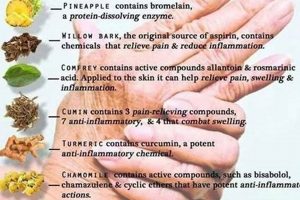
Tip 3: Ginger Tea Consumption: Consume ginger tea, prepared from fresh ginger root, to potentially benefit from its anti-inflammatory properties. Moderation is advised, as excessive ginger intake may cause digestive discomfort.
Tip 4: Nasal Rinse with Saline Solution: Utilize a nasal rinse with a sterile saline solution to irrigate the nasal passages, thereby aiding in the removal of irritants and excess mucus. Ensure the solution is prepared with distilled or previously boiled water to prevent infection.
Tip 5: Consider Herbal Teas Containing Chamomile: Drink herbal teas with chamomile, known for their soothing properties. Ensure the tea is prepared according to package instructions and consumed in moderation.
Tip 6: Turmeric Supplementation: Consider supplementing with turmeric, specifically curcumin, for its reported anti-inflammatory effects. Prior consultation with a medical professional is necessary to ascertain appropriate dosage and potential interactions with existing medications.
Tip 7: Hydration Maintenance: Maintain adequate hydration by consuming sufficient water throughout the day. Proper hydration aids in thinning mucus secretions, thereby potentially easing nasal congestion.
The responsible incorporation of these plant-derived substances may contribute to the alleviation of nasal congestion symptoms. However, consistent monitoring of symptom progression and awareness of potential allergic reactions are critical.
The subsequent sections will offer a detailed exploration of specific botanical options that may be considered in addressing the discomfort of a blocked nasal passage.
1. Identification

Accurate identification constitutes the foundational element in the safe and effective application of any botanical substance for managing nasal congestion. Erroneous identification can lead to the use of ineffective or even harmful plants, negating potential therapeutic benefits and potentially causing adverse reactions. The therapeutic properties attributed to a specific plant are contingent upon its precise botanical classification and chemical composition. For instance, mistaking a toxic plant for a similar-looking but benign one could have serious health consequences.
Consider the example of differentiating between various species of eucalyptus. While certain eucalyptus species are commonly used for their decongestant properties, others may contain higher concentrations of specific compounds that could cause skin irritation or other adverse effects. Similarly, within the mint family, spearmint and peppermint possess distinct chemical profiles, influencing their respective therapeutic applications. Therefore, visual inspection, expert consultation with a qualified herbalist, and, when necessary, laboratory analysis are crucial steps in ensuring accurate identification.
In summary, the link between identification and the successful implementation of any botanical approach for nasal congestion cannot be overstated. Accurate identification safeguards against potential harm, maximizes therapeutic efficacy, and enables the responsible utilization of plant-derived substances. Prioritizing this initial step is essential for individuals seeking to explore botanical alternatives for managing this common ailment.
2. Preparation

The method of preparation directly influences the bioavailability and therapeutic efficacy of any botanical substance employed to address nasal congestion. Raw plant material, in its unprocessed state, may contain active compounds that are either not readily accessible or require specific treatments to unlock their potential benefits. Preparation techniques such as infusion, decoction, and distillation serve to extract and concentrate these compounds, rendering them more bioavailable for absorption and utilization by the body. The selection of the appropriate preparation method is, therefore, crucial in maximizing the desired therapeutic outcome.
For example, consider the use of ginger for its anti-inflammatory properties in alleviating nasal congestion. Simply chewing on raw ginger root will release some of its beneficial compounds, but a more effective approach involves preparing a ginger tea through decoction. This process of simmering the ginger root in water for a period of time allows for a greater extraction of its active constituents, such as gingerol, resulting in a more potent and readily absorbable remedy. Similarly, when employing eucalyptus oil for steam inhalation, the process of diluting the oil in hot water facilitates the volatilization of its active components, allowing for easier inhalation and subsequent decongestant effects. Improper preparation, such as using excessively concentrated oils, may lead to adverse reactions, highlighting the importance of adhering to established guidelines.
In conclusion, the preparation phase constitutes a critical determinant in the overall effectiveness and safety of any botanical intervention aimed at relieving nasal congestion. By carefully selecting and executing the appropriate preparation technique, individuals can optimize the extraction, bioavailability, and therapeutic potential of the chosen botanical substance, thereby enhancing its ability to alleviate the symptoms of nasal congestion. Conversely, inadequate or incorrect preparation methods may compromise the remedy’s efficacy or even pose potential health risks, underscoring the need for careful attention to detail throughout the preparation process.
3. Administration

The method of administration dictates the rate and extent to which the active constituents of a botanical remedy reach the nasal passages, directly influencing the therapeutic outcome. Selection of an appropriate administration route must consider the specific herb, the desired effect, and individual patient factors. Improper administration can diminish efficacy or exacerbate symptoms.
- Topical Application via Nasal Sprays or Washes
Delivery of herbal extracts directly to the nasal mucosa through sprays or washes allows for localized action. Saline solutions infused with herbs like eucalyptus or tea tree oil can help clear congestion. The concentration of the herbal extract must be carefully controlled to avoid irritation or damage to delicate nasal tissues. An example of this administration is to add the suggested amount of drops to saline solution for nasal irrigation, not more nor less.
- Inhalation via Steam or Vaporizers
Inhalation involves the vaporization of herbal oils, enabling direct absorption into the respiratory tract. Steam inhalation with eucalyptus or peppermint oil loosens mucus and facilitates drainage. Vaporizers offer a controlled means of delivery, reducing the risk of burns associated with steam. It is critical to maintain a safe distance to prevent scalding and to monitor for any adverse respiratory reactions when using steam or vaporizers.
- Oral Ingestion via Teas or Capsules
Oral administration involves consuming herbal preparations in the form of teas, capsules, or tinctures. Systemic absorption of the active compounds occurs, potentially offering broader anti-inflammatory or decongestant effects. However, oral administration may be slower to act compared to topical or inhalation methods. Examples: Ginger tea is a popular choice for its anti-inflammatory properties. Dosages must be carefully regulated to minimize potential side effects.
Optimal administration of plant-derived substances for relieving nasal congestion hinges on understanding the interplay between the delivery method, the herb’s properties, and individual physiological factors. Thoughtful consideration of these facets enables the responsible application of botanical therapies, promoting effective symptom management while minimizing the risk of adverse events.
4. Contraindications

Contraindications represent specific circumstances wherein the use of a particular treatment, including botanical remedies for nasal congestion, is deemed inadvisable or potentially harmful. The existence of contraindications underscores the importance of individualized assessment prior to initiating any therapeutic regimen. Ignoring these precautions can lead to adverse reactions, exacerbate existing conditions, or interfere with the efficacy of prescribed medications. Factors such as allergies, pre-existing medical conditions, concurrent medications, and pregnancy status must be carefully evaluated.
For example, individuals with known allergies to plants in the Asteraceae family, such as ragweed, chamomile, or echinacea, may experience allergic reactions to herbal preparations containing these ingredients. Similarly, certain herbal remedies, like St. John’s Wort, can interact with prescription medications, potentially diminishing their effectiveness or increasing the risk of side effects. Pregnant women must exercise caution when considering botanical therapies due to the potential for adverse effects on fetal development. Individuals with underlying medical conditions, such as asthma or heart disease, may also be more susceptible to adverse reactions from certain herbal remedies.
Understanding and adhering to contraindications is crucial for ensuring the safe and effective use of botanical substances for the relief of nasal congestion. Thorough evaluation of individual medical history, awareness of potential interactions, and consultation with a qualified healthcare professional are essential steps in mitigating the risks associated with these remedies. Ultimately, a cautious and informed approach promotes responsible utilization and enhances the likelihood of achieving therapeutic benefits while safeguarding patient well-being.
5. Dosage

Accurate dosage is a critical determinant of the safety and efficacy of any botanical intervention employed to address nasal congestion. The therapeutic window, the range between a minimally effective dose and a potentially toxic dose, varies significantly among different herbs and individuals. Precise dosage is essential to maximize benefits while minimizing the risk of adverse effects.
- Standardization of Herbal Preparations
The potency of herbal preparations can vary considerably depending on factors such as plant variety, growing conditions, and extraction methods. Standardized herbal extracts contain a known and consistent concentration of active compounds, enabling more precise dosing. For example, a standardized eucalyptus extract for steam inhalation will specify the percentage of cineole, the active compound responsible for decongestant effects. A non-standardized extract might contain varying amounts of cineole, leading to inconsistent results or potential irritation.
- Individual Variability in Response
Individual factors such as age, body weight, metabolism, and overall health can influence the response to botanical remedies. Children and elderly individuals may require lower doses compared to healthy adults. Individuals with liver or kidney conditions may also require dosage adjustments due to altered metabolism and excretion of herbal compounds. A one-size-fits-all approach to dosage is not appropriate; individualized assessment is essential.
- Formulation-Specific Dosage Guidelines
The dosage guidelines for a given herb will vary depending on the formulation whether it is a tea, tincture, capsule, or essential oil. For instance, the recommended dosage for a ginger tea may be significantly different from the dosage for a ginger capsule containing a concentrated extract. Carefully following the manufacturer’s or a qualified healthcare professional’s instructions is critical for safe and effective use.
- Monitoring for Adverse Effects
Close monitoring for adverse effects is an integral part of dosage management. Even at recommended doses, some individuals may experience side effects such as skin irritation, digestive upset, or allergic reactions. If any adverse effects occur, the dosage should be reduced or the remedy discontinued. Consulting with a healthcare professional is advisable for guidance on managing side effects.
In summary, responsible application of botanical substances for nasal congestion relief demands careful attention to dosage. Standardized preparations, consideration of individual variability, adherence to formulation-specific guidelines, and vigilant monitoring for adverse effects are all critical elements in optimizing therapeutic outcomes and minimizing risks. Consultation with a qualified healthcare professional is essential to ensure safe and effective use.
6. Source
The origin of botanical ingredients profoundly influences the efficacy and safety of any herbal remedy intended to alleviate nasal congestion. The geographical location, cultivation practices, and processing methods employed at the source directly impact the chemical composition and potency of the final product. Consequently, variations in sourcing can lead to inconsistencies in therapeutic outcomes and potentially introduce contaminants that pose health risks. The selection of a reputable and transparent source is therefore a critical determinant of the overall quality and reliability of a nasal congestion remedy.
For example, the concentration of active compounds in eucalyptus oil, a commonly used ingredient in steam inhalations, can vary significantly depending on the species of eucalyptus tree, the region where it is grown, and the distillation techniques employed. Oils derived from sustainably harvested trees and processed using validated methods will typically exhibit a higher concentration of the desired compounds, such as cineole, and a lower risk of containing adulterants or toxins. Conversely, oils sourced from unregulated suppliers may be of lower quality and contain impurities that can irritate the respiratory system. Similarly, the presence of heavy metals or pesticides in herbal teas intended for nasal congestion relief can pose a significant health hazard, particularly for vulnerable populations such as children and pregnant women. Choosing certified organic sources can mitigate this risk.
In conclusion, the source of botanical ingredients represents a fundamental aspect of ensuring the safety and efficacy of herbal remedies for nasal congestion. Prioritizing suppliers that adhere to rigorous quality control standards, employ sustainable harvesting practices, and provide transparent information about their sourcing methods is essential for consumers seeking reliable and effective relief. Neglecting the importance of sourcing can compromise the therapeutic benefits of even well-chosen herbs and potentially expose individuals to unnecessary health risks.
Frequently Asked Questions
This section addresses common inquiries regarding the application of plant-derived substances for the relief of nasal congestion. The information provided aims to offer clarity and promote informed decision-making.
Question 1: Are plant-derived substances a substitute for conventional medical treatment of nasal congestion?
Botanical interventions should not be considered a replacement for medical care. Consulting a physician is advisable to diagnose underlying conditions and determine the most appropriate treatment plan.
Question 2: Is it safe to use botanical remedies for nasal congestion during pregnancy or while breastfeeding?
The use of botanical remedies during pregnancy or breastfeeding necessitates consultation with a qualified healthcare professional. Certain herbs may pose risks to fetal development or infant health.
Question 3: How can the quality of botanical products be assured?
Selecting products from reputable manufacturers that adhere to Good Manufacturing Practices (GMP) and provide third-party testing results is recommended to ensure quality and purity.
Question 4: Can botanical remedies interact with prescription medications?
Potential interactions between botanical remedies and prescription medications exist. Consulting a pharmacist or physician is essential to assess the risk of interactions.
Question 5: How long does it typically take for botanical remedies to alleviate nasal congestion?
The time required for botanical remedies to provide relief varies depending on the individual, the severity of the congestion, and the specific herb used. Symptom monitoring is crucial to evaluate effectiveness.
Question 6: Are there any instances where botanical remedies should be avoided for nasal congestion?
Individuals with known allergies to specific plants should avoid botanical remedies containing those allergens. Furthermore, certain medical conditions may contraindicate the use of particular herbs. Consulting a healthcare provider is essential.
The information presented in this FAQ section provides general guidance. Individual circumstances may warrant different considerations. Consulting with a healthcare professional is recommended for personalized advice.
The subsequent sections will delve into advanced botanical management techniques and future research possibilities.
Concluding Considerations on Botanical Interventions for Nasal Congestion
This exploration has elucidated various facets of “stuffy nose herbal remedy,” ranging from fundamental aspects of identification and preparation to crucial considerations of contraindications and sourcing. The information presented underscores the potential of plant-derived substances to alleviate nasal congestion, while emphasizing the importance of responsible application. Adherence to established guidelines, individualized assessment, and consultation with qualified healthcare professionals are essential for optimizing therapeutic outcomes and minimizing risks.
Further research is warranted to elucidate the mechanisms of action, establish optimal dosages, and evaluate the long-term efficacy of botanical interventions for nasal congestion. Continued investigation in this domain holds promise for expanding the therapeutic options available and enhancing the well-being of individuals seeking relief from this common ailment. Prudent application of botanical substances, informed by scientific evidence and clinical expertise, represents a valuable approach to managing nasal congestion and improving overall health.