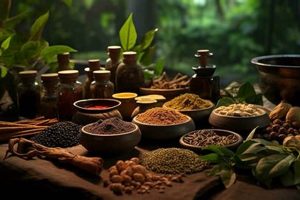
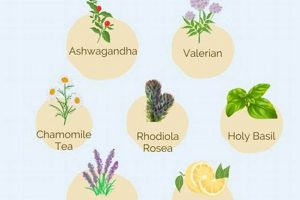
The utilization of botanical remedies to alleviate the symptoms of mood disorders arising after childbirth involves a range of plant-derived substances believed to possess therapeutic properties. These natural interventions are considered by some as complementary or alternative approaches to conventional medical treatments for managing emotional and psychological distress experienced during the postpartum period. Examples may include the consumption of specific herbal teas or supplements under the guidance of a qualified healthcare practitioner.
The potential advantages of employing plant-based therapies in the context of postnatal mood regulation include accessibility, perceived lower incidence of side effects compared to pharmaceutical options, and alignment with certain cultural or personal preferences for natural healing modalities. Historically, various cultures have incorporated herbal remedies into postpartum care practices, reflecting a long-standing tradition of using plants to support women’s well-being after delivery. The significance of these methods lies in their potential to offer an alternative or adjunctive path to recovery for individuals seeking holistic care.
The ensuing sections will delve into specific herbs commonly cited for their potential benefits in addressing postpartum mood disturbances, alongside a discussion of relevant safety considerations and the importance of consulting with healthcare professionals prior to initiating any herbal treatment regimen.
Guidance on Herbal Approaches for Postpartum Mood Regulation
The following recommendations provide insights into the utilization of botanical interventions to support emotional well-being after childbirth. These tips emphasize safety and the importance of professional guidance.
Tip 1: Prioritize Consultation with a Qualified Healthcare Provider: Before commencing any herbal remedy, engage in a thorough consultation with a physician, psychiatrist, or licensed herbalist. This ensures the chosen herb is appropriate for the individual’s specific condition and does not interact negatively with existing medications or health issues. Documented allergies and medical history must be shared.
Tip 2: Conduct Thorough Research on Specific Herbs: Investigate the available scientific literature regarding the efficacy and safety of each herb under consideration. Reputable sources include peer-reviewed journals and databases specializing in herbal medicine. Understanding potential side effects and contraindications is crucial.
Tip 3: Source Herbs from Reputable Suppliers: Ensure the herbs are obtained from suppliers adhering to rigorous quality control standards. Look for certifications indicating proper identification, processing, and purity. Avoid products with ambiguous ingredient lists or unverified claims.
Tip 4: Adhere to Recommended Dosages: Strictly follow the dosage instructions provided by a qualified healthcare provider or the product label. Exceeding the recommended dose does not necessarily enhance efficacy and may increase the risk of adverse reactions. Start with lower doses to assess individual tolerance.
Tip 5: Monitor for Adverse Reactions: Closely observe for any signs of adverse reactions, such as skin rashes, gastrointestinal distress, or changes in mood or behavior. Discontinue use immediately if any concerning symptoms arise and seek medical attention.
Tip 6: Be Aware of Potential Interactions: Herbal remedies can interact with pharmaceutical medications and other supplements. Inform all healthcare providers about the use of herbal therapies to mitigate potential complications.
Tip 7: Recognize Limitations: Understand that herbal interventions may not be sufficient for all individuals experiencing significant mood disturbances after childbirth. Conventional medical treatments, such as psychotherapy or medication, may be necessary in conjunction with or as an alternative to herbal remedies.
These guidelines emphasize the importance of informed decision-making and professional oversight when considering botanical interventions for supporting emotional wellness postpartum. The aim is to promote safe and responsible integration of these approaches into a comprehensive care plan.
The subsequent sections will explore the considerations for integrating “postpartum depression herbal treatment” into a holistic wellness strategy.
1. Safety Profiles

The safety profile of any herbal treatment for postpartum depression is of paramount importance, dictating whether its potential benefits outweigh the risks, especially for the mother and, potentially, the breastfed infant.
- Potential Allergenic Reactions
Many herbal substances can trigger allergic reactions in susceptible individuals. These reactions can range from mild skin irritations to severe, life-threatening anaphylaxis. For example, chamomile, commonly used for its calming properties, can cause allergic reactions in individuals sensitive to ragweed. Therefore, a thorough allergy history must be obtained before initiating any herbal treatment.
- Impact on Breastfeeding Infants
Substances ingested by the mother can be transferred to the infant through breast milk. Some herbal compounds may be harmful to the infant’s developing nervous system or other organ systems. For example, certain herbs, like senna, can cause diarrhea in breastfed infants. Knowledge of the herb’s excretion into breast milk and its potential effects on the infant is critical.
- Interactions with Pharmaceuticals
Herbal treatments can interact with prescription medications, potentially altering their efficacy or increasing the risk of adverse effects. St. John’s Wort, for example, a commonly used herb for depression, can significantly reduce the effectiveness of many medications, including oral contraceptives and antidepressants. Clinicians must be informed about all medications and supplements being taken.
- Contamination and Adulteration Risks
Herbal products are not always subject to the same rigorous quality control standards as pharmaceuticals. Contamination with heavy metals, pesticides, or other adulterants is a significant concern. For instance, some herbal products have been found to contain lead or other toxic substances. Sourcing herbs from reputable suppliers with third-party testing is essential.
The safety profile of a herbal treatment dictates its suitability for use in postpartum depression. Awareness of potential allergic reactions, impact on breastfeeding infants, interactions with pharmaceuticals, and contamination risks is crucial for safe and informed decision-making. Clinicians must thoroughly assess the risks and benefits of each herbal treatment on an individual basis to protect the health and well-being of both mother and child.
2. Efficacy evidence

The correlation between documented effectiveness and the use of herbal treatments for postpartum depression forms a critical element in determining their suitability. The presence or absence of robust evidence directly impacts the responsible and informed application of these therapies. Without verifiable data supporting their efficacy, the use of botanical interventions in this context becomes questionable, potentially delaying access to more effective, evidence-based treatments. For instance, while some anecdotal reports may suggest benefits from certain herbal remedies, clinical trials are necessary to confirm these observations, rule out placebo effects, and establish causality.
The importance of efficacy evidence extends beyond simply validating claims of improvement. It also informs decisions about dosage, duration of treatment, and potential risks associated with prolonged use. Consider the case of St. John’s Wort, an herb frequently mentioned for its antidepressant properties. Despite some evidence suggesting its effectiveness for mild to moderate depression, its use in postpartum depression requires careful consideration due to its potential interactions with other medications and the limited data specifically addressing its impact on breastfeeding infants. Therefore, a thorough review of available evidence, including randomized controlled trials and meta-analyses, is essential before recommending any herbal treatment.
In conclusion, the availability and quality of efficacy evidence are fundamental to the responsible use of herbal treatments for postpartum depression. This evidence not only validates potential benefits but also guides safe and appropriate application. The absence of such evidence should prompt caution and a preference for treatments with established efficacy, while ongoing research is necessary to further evaluate the potential role of herbal interventions within a comprehensive approach to managing postpartum mood disorders.
3. Qualified guidance

The administration of herbal treatments for postpartum depression necessitates the supervision of qualified healthcare professionals. These professionals, including physicians, psychiatrists, and licensed herbalists, possess the expertise to evaluate the appropriateness and safety of such interventions, considering the individual’s medical history, current medications, and specific symptoms. The potential for adverse interactions between herbal remedies and conventional pharmaceuticals mandates professional oversight to mitigate risks. Furthermore, qualified guidance ensures that herbal treatments are integrated within a comprehensive care plan, which may also encompass psychotherapy and lifestyle modifications.
The absence of qualified guidance can lead to inappropriate or unsafe use of herbal remedies. For instance, an individual self-treating with St. John’s Wort without consulting a physician may inadvertently diminish the efficacy of prescribed antidepressants or oral contraceptives. A licensed herbalist can provide tailored recommendations based on the individual’s unique presentation, considering factors such as breastfeeding status, allergies, and potential sensitivities. Moreover, professional monitoring allows for timely adjustments to the treatment plan in response to changes in symptoms or the emergence of adverse effects. The consultation process also serves as an opportunity for education regarding realistic expectations, potential benefits, and limitations of herbal therapies.
In summary, qualified guidance forms an indispensable component of the safe and effective application of herbal treatments for postpartum depression. Its absence may compromise the individual’s well-being, potentially delaying access to evidence-based care or leading to adverse consequences. Therefore, individuals considering herbal interventions for postpartum mood disorders are strongly encouraged to seek the counsel of qualified healthcare professionals to ensure responsible and informed decision-making.
4. Source quality
The integrity of botanical sources directly impacts the safety and efficacy of any herbal treatment intended for postpartum depression. Variations in cultivation practices, harvesting methods, processing techniques, and storage conditions can significantly alter the chemical composition of herbal products, thereby influencing their therapeutic potential and posing potential health risks.
- Authenticity and Species Identification
Accurate botanical identification is paramount to ensure the correct plant species is used. Adulteration with other plant materials or use of related but therapeutically dissimilar species can render the herbal product ineffective or even harmful. For instance, substitution of one Hypericum species for Hypericum perforatum (St. John’s Wort) could significantly reduce the antidepressant activity of the product. DNA barcoding and macroscopic/microscopic analysis are methods used to verify authenticity.
- Cultivation Practices and Environmental Contaminants
The conditions under which herbs are grown directly affect their phytochemical profile. Herbs cultivated in contaminated soils may accumulate heavy metals (e.g., lead, mercury, arsenic) or pesticides, posing a risk to the consumer, especially vulnerable postpartum women and breastfeeding infants. Organic farming practices and rigorous testing for environmental contaminants are crucial for ensuring product safety. For example, third-party certifications such as USDA Organic can provide assurance regarding cultivation practices.
- Harvesting and Post-Harvest Handling
The timing of harvest and post-harvest handling methods influence the concentration of active constituents in the plant material. Improper drying, storage, and processing can degrade these constituents, diminishing the therapeutic efficacy of the final product. For example, drying herbs in direct sunlight can destroy volatile oils. Proper drying techniques, storage in airtight containers, and protection from light and heat are essential to preserve quality.
- Manufacturing and Standardization
Manufacturing processes, including extraction methods and formulation techniques, significantly affect the bioavailability and consistency of herbal products. Standardization to specific marker compounds ensures batch-to-batch consistency in the concentration of active constituents. The absence of standardization can lead to variability in product potency. For example, St. John’s Wort extracts should be standardized to a specific percentage of hypericin and hyperforin.
Given the potential variability in herbal products, sourcing from reputable suppliers with transparent quality control procedures is essential for those considering herbal treatments for postpartum depression. Third-party testing, Certificates of Analysis (COAs), and adherence to Good Manufacturing Practices (GMP) are indicators of a commitment to quality and can help mitigate risks associated with herbal product use. Prioritizing source quality can significantly influence the safety and effectiveness of herbal interventions in this sensitive population.
5. Dosage adherence

Strict adherence to prescribed dosages constitutes a critical element in the safe and effective utilization of herbal treatments for postpartum depression. Variations from recommended dosage regimens, whether through intentional deviation or unintentional oversight, can directly impact the therapeutic outcome and increase the risk of adverse effects. The efficacy of an herbal remedy is predicated on the concentration of active constituents reaching therapeutic levels within the body, a condition achievable only through consistent adherence to established dosage guidelines. For instance, if a woman is prescribed a specific dosage of chamomile tea to alleviate anxiety associated with postpartum depression and consumes less than the recommended amount, the intended calming effects may be diminished or absent. Conversely, exceeding the recommended dosage, in the belief of amplifying therapeutic benefits, may lead to adverse reactions such as drowsiness, dizziness, or gastrointestinal distress.
The importance of dosage adherence extends beyond the individual’s physiological response to the herbal treatment; it also impacts the ability to accurately assess the efficacy of the intervention. If the prescribed dosage is not consistently followed, it becomes challenging to determine whether the observed lack of improvement is due to the inherent ineffectiveness of the herb, improper dosage, or other confounding factors. Consider a scenario where a woman using St. John’s Wort for postpartum depression intermittently misses doses; any observed changes in mood could be attributed to various causes, including inconsistent dosages, rather than solely to the herb’s therapeutic effects. Proper adherence provides a clearer understanding of the treatment’s potential benefits and limitations.
In conclusion, the success of herbal treatments for postpartum depression hinges significantly on strict dosage adherence. Neglecting this crucial aspect can not only diminish therapeutic benefits but also increase the risk of adverse effects and impede accurate assessment of the treatment’s effectiveness. Therefore, individuals considering herbal interventions for postpartum depression must diligently follow prescribed dosage regimens and maintain open communication with their healthcare providers to address any concerns or challenges related to dosage adherence, ensuring both safety and optimal therapeutic outcomes.
6. Interaction awareness

Interaction awareness represents a critical safety consideration when employing herbal treatments for postpartum depression. The potential for interactions between herbal remedies and conventional pharmaceuticals, as well as other herbal supplements, necessitates careful evaluation to mitigate adverse effects and ensure therapeutic efficacy.
- Pharmacokinetic Interactions
Pharmacokinetic interactions involve alterations in the absorption, distribution, metabolism, or excretion of one drug or herb by another. For instance, St. John’s Wort, a common herbal remedy for depression, induces cytochrome P450 enzymes in the liver, accelerating the metabolism and reducing the plasma concentrations of numerous drugs, including oral contraceptives, antidepressants, and certain antiretrovirals. This can lead to therapeutic failure of the affected medications. Conversely, other herbs may inhibit metabolic enzymes, increasing drug concentrations and potentially causing toxicity. Clinicians must be aware of these potential interactions to adjust dosages or select alternative treatments.
- Pharmacodynamic Interactions
Pharmacodynamic interactions occur when two substances have additive or synergistic effects on the same physiological system. For example, combining an herbal remedy with sedative properties, such as valerian root, with a prescription benzodiazepine can potentiate the sedative effects, leading to excessive drowsiness, impaired cognitive function, and increased risk of falls. Similarly, combining herbs with anticoagulant properties, such as ginger or ginkgo, with warfarin can increase the risk of bleeding. Careful assessment of the pharmacological properties of all substances is necessary to avoid these additive or synergistic effects.
- Herb-Drug Interactions Affecting Breastfeeding
The transfer of both herbal constituents and pharmaceutical drugs into breast milk introduces an additional layer of complexity. Certain herb-drug combinations may result in unexpected or adverse effects in the nursing infant. For example, a mother taking an herbal galactagogue to increase milk supply while also on a medication with anticholinergic properties (which can decrease milk production) may experience a counteracting effect, resulting in inadequate milk supply. Understanding the transfer rates of both the herb and the drug into breast milk is crucial for assessing potential risks to the infant.
- Variability in Herbal Product Composition
The lack of standardization in herbal product manufacturing can further complicate interaction awareness. The concentration of active constituents can vary significantly between different brands or batches of the same herb, making it difficult to predict the magnitude of potential interactions. Clinicians should advise patients to purchase herbal products from reputable manufacturers with third-party testing to ensure consistency in product composition.
These interactions underscore the imperative for thorough medication reconciliation and open communication between patients and healthcare providers when considering herbal treatments for postpartum depression. A comprehensive understanding of potential interactions can minimize risks and optimize therapeutic outcomes in this vulnerable population. The ongoing monitoring for any signs of adverse effects is also required after starting any herbal treatment.
7. Holistic integration

Holistic integration, in the context of postpartum depression herbal treatment, refers to the incorporation of botanical remedies within a comprehensive, multi-faceted approach to care. It acknowledges that postpartum depression is a complex condition influenced by biological, psychological, social, and environmental factors. Consequently, relying solely on herbal interventions, without addressing these interconnected aspects, is often insufficient for achieving sustained recovery. The effectiveness of herbal treatments is optimized when employed as a component of a broader strategy that encompasses nutritional support, psychological counseling, social support networks, and lifestyle adjustments. For example, an individual experiencing postpartum depression might benefit from the calming effects of chamomile tea but also require cognitive behavioral therapy to address negative thought patterns and social support to mitigate feelings of isolation.
The importance of holistic integration lies in its ability to address the root causes and contributing factors of postpartum depression, rather than merely suppressing symptoms. Herbal remedies may provide symptomatic relief, such as reducing anxiety or improving sleep, but they do not necessarily resolve underlying issues such as hormonal imbalances, nutritional deficiencies, or relationship difficulties. A holistic approach aims to restore overall well-being by addressing these fundamental imbalances. For instance, incorporating omega-3 fatty acids into the diet can support brain health and mood regulation, while regular exercise and mindfulness practices can help manage stress and improve emotional resilience. Furthermore, a holistic approach emphasizes the importance of creating a supportive and nurturing environment for the new mother, reducing stressors, and fostering a sense of connection and belonging.
In summary, holistic integration is not merely an adjunct to postpartum depression herbal treatment but rather an essential paradigm that maximizes its potential benefits. It recognizes that mental health is inextricably linked to overall well-being and that sustainable recovery requires a comprehensive approach that addresses the interconnected biological, psychological, social, and environmental factors contributing to postpartum depression. By combining herbal remedies with other evidence-based interventions and lifestyle modifications, a holistic strategy offers a pathway to improved mental health outcomes and enhanced quality of life for mothers experiencing postpartum mood disorders.
Frequently Asked Questions
This section addresses common inquiries regarding the use of botanical interventions for postpartum mood disorders, providing information to facilitate informed decision-making.
Question 1: What constitutes “postpartum depression herbal treatment,” and how does it differ from conventional medical approaches?
It involves the utilization of plant-derived substances to alleviate symptoms of mood disorders arising after childbirth. This differs from conventional medical approaches, which typically involve pharmaceutical interventions or psychotherapy.
Question 2: Is herbal treatment a safe alternative to conventional medication for postpartum depression?
The safety of herbal treatments varies depending on the specific herb, individual medical history, and potential interactions with other medications. Consultation with a qualified healthcare provider is essential to assess individual risks and benefits. It may not be appropriate as a sole treatment for severe cases.
Question 3: What evidence supports the effectiveness of herbal treatment for postpartum depression?
The evidence supporting the effectiveness of herbal treatment for postpartum depression is limited. Some herbs have shown promise in preliminary studies, but rigorous, large-scale clinical trials are often lacking. Further research is needed to determine the true efficacy of these interventions.
Question 4: What are the potential risks associated with using herbal treatments while breastfeeding?
Many herbal compounds can be transferred to the infant through breast milk, potentially posing risks to the infant’s developing systems. Certain herbs may be contraindicated during breastfeeding. Consultation with a healthcare provider is crucial to evaluate the safety of specific herbs for the breastfed infant.
Question 5: Where can individuals find reliable information about the safety and efficacy of specific herbal remedies?
Reliable information can be obtained from reputable sources such as peer-reviewed scientific journals, evidence-based databases specializing in herbal medicine, and consultations with qualified healthcare professionals, including physicians and licensed herbalists.
Question 6: What steps should be taken before initiating any herbal treatment for postpartum depression?
Prior to initiating any herbal treatment, consultation with a qualified healthcare provider is paramount. This consultation should involve a comprehensive assessment of medical history, current medications, allergies, and potential risks and benefits. It ensures informed decision-making and appropriate integration into a comprehensive care plan.
The preceding answers underscore the importance of cautious and informed decision-making regarding botanical interventions for postpartum mood disorders. Consultation with qualified healthcare professionals is essential to ensure safety and appropriateness.
The subsequent section will explore the legal and regulatory landscape surrounding “postpartum depression herbal treatment.”
Conclusion
This exploration of postpartum depression herbal treatment has revealed a landscape marked by both potential and precaution. The utilization of botanical remedies for managing mood disorders following childbirth presents avenues for alternative or adjunctive care. However, the absence of extensive clinical validation, coupled with inherent risks of interaction and contamination, necessitate a circumspect approach. The importance of qualified healthcare guidance, rigorous source verification, and scrupulous dosage adherence cannot be overstated.
As research continues to investigate the efficacy and safety of herbal interventions, individuals considering this path must prioritize evidence-based decision-making. The holistic integration of these remedies within a comprehensive care plan, encompassing psychological support and lifestyle modifications, remains paramount. Ultimately, the responsible and informed application of postpartum depression herbal treatment demands a commitment to patient safety and a reliance on professional expertise.