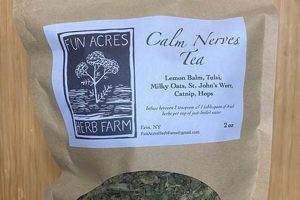
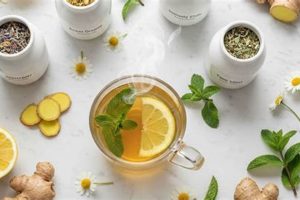
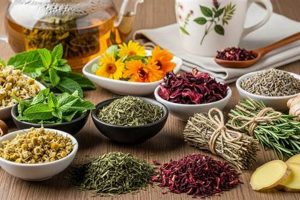
A preparation consisting of dried leaves, flowers, roots, or other plant parts, not confined within a tea bag, designed for infusion in hot water. As an example, chamomile flowers, peppermint leaves, or a blend of various botanicals can be measured and steeped directly in a teapot or infuser.
The practice of consuming herbal infusions has a long history, with diverse cultures employing various plants for their potential therapeutic and flavorful properties. This method of preparation allows for greater control over the strength and blend of the beverage, potentially yielding a richer and more nuanced taste profile. Furthermore, it often involves less processing compared to pre-packaged alternatives, appealing to consumers seeking more natural products.
The subsequent sections will delve into the selection criteria, preparation techniques, and storage considerations relevant to these types of infusions, along with an examination of commonly used ingredients and their purported effects.
Preparation & Preservation Guidance
Optimizing the enjoyment and preserving the quality of herbal infusions necessitates careful consideration of preparation and storage methods. Adherence to the following guidelines will aid in achieving a superior beverage and extending the shelf life of the constituent herbs.
Tip 1: Source High-Quality Botanicals: The flavor and potential benefits are directly correlated to the quality of the herbs. Seek suppliers known for their sourcing practices and ensure the materials are fresh, properly dried, and free from contaminants.
Tip 2: Employ Appropriate Water Temperature: The ideal water temperature varies depending on the type of herb. Delicate flowers, such as chamomile, benefit from lower temperatures (around 170F), while roots and barks may require hotter water (up to 212F) to effectively extract their constituents.
Tip 3: Utilize Proper Infusion Time: Over-steeping can result in a bitter or astringent taste. Generally, an infusion time of 5-7 minutes is sufficient for most herbs. Experimentation is encouraged to find the optimal duration for individual preferences.
Tip 4: Filter Thoroughly: After infusion, it is essential to strain the liquid to remove the spent plant matter. This prevents over-extraction and enhances the drinking experience. Fine-mesh strainers or tea filters are suitable for this purpose.
Tip 5: Store Herbs in Airtight Containers: Exposure to air, light, and moisture degrades the quality of dried herbs. Transfer botanicals to airtight, opaque containers and store them in a cool, dark, and dry location.
Tip 6: Avoid Cross-Contamination: Use dedicated utensils and containers for handling herbs to prevent the transfer of flavors or aromas between different varieties.
Tip 7: Monitor Shelf Life: While dried herbs generally have a long shelf life, their potency and flavor diminish over time. It is advisable to use them within 12-18 months for optimal results. Label containers with the purchase date for tracking purposes.
By following these guidelines, individuals can ensure a consistently flavorful and aromatic beverage while extending the usability of their herbal ingredients. Proper storage and preparation are key to experiencing the full potential of herbal infusions.
The subsequent section will address specific herbal varieties, highlighting their unique characteristics and purported health benefits.
1. Ingredient Quality

The selection of high-quality ingredients forms the bedrock of a superior herbal infusion experience. The causal relationship between the botanical components and the resultant beverage is direct and significant. Substandard herbs, characterized by improper drying, storage, or cultivation practices, yield infusions with diminished flavor, aroma, and potentially compromised therapeutic properties. Consider, for example, the difference between a tea made from organically grown, carefully dried peppermint leaves, boasting a vibrant flavor and high volatile oil content, compared to one using mass-produced, improperly stored peppermint which results in a musty, weak infusion, lacking the characteristic invigorating scent. The practical implication is a marked divergence in the overall sensory and potential health benefits derived from each.
The sourcing of ingredients is paramount. Factors such as the growing region, harvesting methods, and post-harvest processing significantly impact the final product. Herbs cultivated in polluted environments may contain undesirable contaminants. Likewise, improper drying techniques can lead to mold growth or the loss of essential oils, diminishing the herb’s inherent qualities. Certification standards, such as organic or fair-trade, provide a degree of assurance regarding the production practices employed. One might compare wild-harvested elderflower, gathered sustainably in a pristine environment, with commercially grown elderflower treated with pesticides; the former offers a purer and potentially more potent infusion.
In summary, ingredient quality is not merely a desirable attribute but an essential prerequisite for crafting a satisfying and potentially beneficial herbal infusion. Compromising on the quality of the botanicals undermines the entire endeavor. The challenges lie in discerning reputable suppliers and verifying the authenticity of claimed certifications. Ultimately, a commitment to sourcing high-quality ingredients translates into a superior beverage that fully captures the intended flavor and therapeutic potential of the chosen herbs.
2. Water Temperature

Water temperature exerts a significant influence on the extraction of compounds from dried botanicals used in preparing herbal infusions. The kinetic energy of water molecules at varying temperatures directly affects their ability to dissolve and carry away the desired components, such as volatile oils, flavonoids, and other plant constituents. Insufficiently heated water may result in under-extraction, yielding a weak and flavorless infusion, failing to fully capture the essence of the herb. Conversely, excessively high temperatures can degrade delicate compounds, leading to a bitter or burnt taste and potentially diminishing the intended benefits. For example, brewing chamomile with boiling water can destroy its volatile oils and increase bitterness, whereas using water around 170-180F (77-82C) preserves its floral aroma and soothing properties. Understanding this temperature dependency is therefore crucial for optimizing the flavor and effectiveness of the infusion.
Specific herbal varieties exhibit unique thermal requirements for optimal extraction. Delicate flowers and leaves, such as green tea or lavender, generally require lower temperatures to prevent the breakdown of their volatile aromatic compounds. Tougher plant parts, such as roots, barks, and seeds, often necessitate higher temperatures to effectively release their constituents. In practical terms, preparing ginger root infusion benefits from near-boiling water to draw out its pungent compounds, while brewing green tea at similar temperatures would likely result in a bitter and astringent beverage. Precise temperature control, achieved through the use of a variable-temperature kettle or thermometer, enables the crafting of infusions tailored to specific herb profiles.
In summary, water temperature is a critical, yet often overlooked, factor in herbal infusion preparation. It directly influences the extraction of desirable compounds and the avoidance of undesirable flavors. The challenge lies in understanding the specific thermal requirements of individual herbs and implementing methods to accurately control water temperature during the brewing process. A refined appreciation for this aspect elevates the experience, enabling the consistent production of nuanced and flavorful herbal infusions, while maximizing their potential therapeutic value.
3. Infusion Time

The duration of steeping, or infusion time, is a critical determinant of the final characteristics of an herbal infusion. With loose herbal tea, the extended contact between the botanical material and hot water directly influences the concentration of extracted compounds. Insufficient steeping yields a weak infusion, lacking in both flavor and potentially therapeutic properties. Excessive steeping, conversely, can result in a bitter or astringent beverage due to the over-extraction of tannins and other less desirable compounds. The optimal time varies depending on the specific herb, its particle size, and the desired strength of the infusion. For example, a coarsely cut blend of roots and barks may require a longer infusion time (e.g., 10-15 minutes) to adequately release their constituents, whereas a fine-cut herbal blend containing delicate flower petals might only require 3-5 minutes to prevent over-extraction and maintain a palatable flavor profile.
The visible and gustatory changes occurring during steeping provide practical indicators of the process’s progress. As the hot water interacts with the herb, the infusion color deepens, and aromatic compounds are released. Regular taste-testing during the steeping process enables adjustments to achieve the desired flavor intensity. The use of a timer is highly recommended to maintain consistency and avoid unintentional over-steeping. Furthermore, the type of steeping vessel can indirectly affect infusion time. A teapot made of porous material might result in a faster heat loss, potentially requiring a slightly longer steeping period compared to a well-insulated thermos.
In summary, infusion time is an essential variable in preparing loose herbal tea. Its precise control is crucial for achieving a balanced and flavorful infusion. Understanding the impact of steeping duration and employing attentive monitoring and timing contribute significantly to a refined and enjoyable drinking experience. Failure to account for the cause-and-effect relationship between time and extraction undermines the potential benefits and palatability of the final product. The challenges in determining the ideal duration for each herb highlight the importance of experimentation and personal preference in perfecting the art of herbal infusion.
4. Filtration Method

The filtration method employed in the preparation of herbal infusions directly influences the clarity, texture, and overall drinking experience. With infusions derived from dried, uncontained herbs, a means of separating the liquid extract from the spent plant matter is essential. The efficacy of this separation process directly determines the presence of particulate matter in the final beverage. Insufficient filtration results in a cloudy infusion containing fine particles, potentially leading to a gritty texture and, in some cases, an altered flavor profile due to continued extraction of compounds. Conversely, overly aggressive filtration may remove desirable larger particles containing aromatic oils, diminishing the richness of the infusion. The selection of an appropriate filtration method, therefore, represents a critical step in optimizing the sensory qualities.
Various filtration techniques are available, each possessing distinct advantages and disadvantages. Fine-mesh strainers, constructed from stainless steel or nylon, offer a balance between effective particle removal and minimal disruption of desirable compounds. Cloth filters, such as muslin bags, provide a similar level of filtration while allowing for easier cleaning. Paper filters, commonly used in coffee preparation, offer the most comprehensive particle removal, resulting in a exceptionally clear infusion; however, they may also absorb some volatile oils, potentially reducing the beverage’s aromatic complexity. The choice of filtration method depends on the type of herb used, the desired level of clarity, and personal preference. For example, infusions containing finely ground herbs, such as rooibos, often benefit from paper filtration to remove the small particles, while coarser herbal blends may suffice with a simple strainer. Furthermore, the use of reusable filtration devices aligns with sustainability principles by minimizing waste generated from disposable filters.
In summary, the filtration method is an integral component in the preparation of herbal infusions, affecting not only the appearance but also the texture and taste of the final beverage. Selecting the appropriate technique depends on several factors, including the type of herb, the desired clarity, and individual preference. A deliberate approach to filtration enhances the overall drinking experience and contributes to the appreciation of the nuanced flavors and aromas inherent in well-prepared herbal infusions. The challenges primarily involve striking a balance between effective particle removal and the preservation of desirable compounds, ultimately optimizing the sensory qualities of the beverage.
5. Storage Conditions
The longevity and quality of botanical ingredients used in preparing infusions are fundamentally linked to prevailing storage conditions. The vulnerability of dried plant matter to environmental factors such as moisture, light, temperature fluctuations, and air exposure necessitates careful consideration of storage protocols. Improper storage leads to the degradation of volatile oils, the loss of flavor compounds, and the potential development of mold or other contaminants, directly impacting the taste, aroma, and safety of the final infusion. For example, chamomile flowers stored in a transparent container on a sunny windowsill will rapidly lose their characteristic fragrance and color due to light-induced oxidation, rendering them less effective and visually unappealing. Similarly, herbs stored in a damp environment are susceptible to mold growth, making them unsuitable for consumption.
Optimal storage involves the use of airtight containers constructed from opaque materials, such as dark glass or food-grade metal. These containers should be stored in a cool, dry, and dark location, away from direct sunlight, heat sources, and fluctuating temperatures. Consistent temperature and humidity levels are crucial for preserving the integrity of the dried herbs. A pantry or cupboard away from the stove or oven is a suitable location. The practical application of these principles is evident in the contrast between professionally packaged herbs, carefully sealed and stored under controlled conditions, and those purchased in bulk and stored haphazardly; the former typically retain their flavor and aroma for a considerably longer period. The implementation of these practices extends the shelf life of the botanical material and ensures the consistent quality of subsequent infusions.
In summary, the storage environment represents a critical factor in preserving the quality of dried herbal tea. Light, air, moisture, and temperature extremes contribute to the degradation of these materials. Adherence to appropriate storage protocols, involving airtight, opaque containers and cool, dry, dark conditions, minimizes these degradative processes and maintains the flavor, aroma, and potential therapeutic value of the herbs. The challenge lies in consistently implementing these practices and educating consumers about their importance in maintaining the integrity of these valuable botanical resources.
6. Blend Ratios

The proportion of individual components within herbal mixtures significantly influences the resulting flavor profile, therapeutic properties, and overall sensory experience. Careful manipulation of blend ratios allows for customization of these attributes, transforming a simple infusion into a complex and nuanced beverage. This precision is a defining characteristic of crafting infusions from dried, uncontained herbs.
- Flavor Balancing
Blend ratios are pivotal in harmonizing diverse flavors. For instance, a blend intended to be calming might feature a dominant proportion of chamomile, complemented by smaller amounts of lavender and lemon balm for enhanced aromatic complexity and subtle citrus notes. The precise proportions are critical; an excess of lavender can overwhelm the chamomile, shifting the profile from soothing to sharply floral. Achieving the desired flavor balance necessitates meticulous attention to the relative quantities of each herb.
- Therapeutic Synergy
Certain herbs exhibit synergistic effects when combined, enhancing their respective therapeutic properties. A blend designed to support respiratory health might incorporate eucalyptus, peppermint, and licorice root. Eucalyptus and peppermint provide decongestant properties, while licorice root acts as an expectorant and soothes the throat. The effectiveness of this combination relies on the appropriate ratio of each herb, ensuring optimal therapeutic impact without adverse effects from over-consumption of any single ingredient.
- Mitigating Potential Adverse Effects
Strategic blending can offset potential adverse effects associated with individual herbs. For example, while senna is a potent laxative, it can also cause cramping. Combining it with carminative herbs such as fennel or ginger can help to mitigate these digestive discomforts. The blend ratio must be carefully calibrated to ensure the senna’s effectiveness is maintained while minimizing the risk of cramping.
- Customization and Personalization
The use of dried, uncontained herbs affords the consumer unparalleled control over ingredient ratios, enabling personalized infusions tailored to individual preferences and needs. One consumer might prefer a higher proportion of peppermint in a blend for enhanced invigoration, while another might opt for a more subtle flavor profile. This level of customization is not achievable with pre-packaged infusions, highlighting a key advantage of preparing herbal beverages using this method.
Ultimately, mastering blend ratios is essential for harnessing the full potential of loose herbal tea. Precise control over ingredient proportions allows for the creation of infusions that are not only flavorful and aromatic but also tailored to specific therapeutic goals and individual preferences. This capability represents a defining characteristic of this preparation method, differentiating it from less flexible alternatives.
7. Potential Benefits
The consumption of infusions prepared from dried botanical ingredients is often associated with purported health benefits. These potential advantages are rooted in the inherent biochemical properties of the plants used, including the presence of antioxidants, anti-inflammatory compounds, and other bioactive substances. It is crucial to note that while anecdotal evidence and traditional medicine systems frequently cite these benefits, rigorous scientific validation is often limited, and individual responses may vary. The following points outline key aspects of these potential benefits within the context of preparing infusions from dried, uncontained herbs.
- Antioxidant Properties
Many herbs contain significant quantities of antioxidants, such as flavonoids and polyphenols, which help neutralize free radicals in the body. These free radicals can contribute to cellular damage and the development of chronic diseases. For example, green tea and rooibos are known for their high antioxidant content. The use of loose leaf preparations allows for greater control over the strength of the infusion, potentially maximizing antioxidant intake. Proper storage and preparation methods are crucial for preserving these delicate compounds.
- Digestive Support
Certain herbs are traditionally used to promote healthy digestion. Peppermint and ginger, for instance, possess carminative properties that can alleviate bloating and gas. Chamomile is believed to have anti-inflammatory effects on the digestive tract. The preparation of these infusions from whole, unprocessed herbs allows for the retention of volatile oils and other compounds that contribute to their digestive benefits. The control over blend ratios further enables tailoring the infusion to individual digestive needs.
- Stress Reduction and Relaxation
Herbs such as chamomile, lavender, and lemon balm are often consumed for their calming and anxiolytic effects. These plants contain compounds that interact with the nervous system, promoting relaxation and reducing stress. The ritual of preparing and consuming a warm infusion can further enhance these effects. Choosing loose leaf preparations allows for greater control over the quality and freshness of the herbs, potentially maximizing the release of these calming compounds.
- Immune System Support
Some herbs, such as elderflower and echinacea, are traditionally used to support the immune system. These plants contain compounds that may help stimulate immune cell activity and fight off infections. Preparing infusions with these herbs allows for the direct extraction of their bioactive constituents. The use of high-quality, sustainably sourced ingredients is particularly important when seeking immune-boosting benefits.
In conclusion, the perceived benefits associated with consuming herbal infusions are diverse and multifaceted, encompassing antioxidant protection, digestive support, stress reduction, and immune system enhancement. These benefits are contingent on the selection of high-quality herbs, appropriate preparation techniques, and individual physiological responses. While scientific validation is often limited, the long history of traditional use and anecdotal evidence supports the continued exploration of the potential health-promoting properties of herbal infusions. The practice of brewing from uncontained, dried herbs allows for greater control over these variables, potentially optimizing the extraction of beneficial compounds and tailoring the infusion to meet individual needs.
Frequently Asked Questions
This section addresses common inquiries concerning the selection, preparation, and consumption of herbal infusions using dried, uncontained plant materials. The information presented aims to clarify misconceptions and provide evidence-based guidance.
Question 1: What distinguishes “loose herbal tea” from bagged varieties?
The primary distinction lies in the form of the ingredients. “Loose herbal tea” consists of dried, uncontained plant parts, allowing for greater visual inspection of quality and control over blend ratios. Bagged varieties contain pre-portioned, often finely processed materials, which may compromise flavor and aroma.
Question 2: How does water temperature impact the quality of an herbal infusion?
Water temperature directly affects the extraction of compounds from the herbs. Insufficient heat results in under-extraction, while excessive heat can degrade delicate aromatic compounds. Optimal temperature varies by herb; delicate flowers require lower temperatures compared to roots or barks.
Question 3: What is the recommended steeping time for herbal infusions?
Steeping time influences the concentration of extracted compounds. Over-steeping can lead to bitterness, while insufficient steeping yields a weak infusion. A general guideline is 5-7 minutes, but specific herbs may require adjustments based on taste and desired strength.
Question 4: How should herbal infusions be filtered?
Filtration removes spent plant matter, enhancing clarity and texture. Fine-mesh strainers, cloth filters, or paper filters can be used. The choice depends on the herb type and desired level of clarity. Overly aggressive filtration may remove beneficial oils.
Question 5: What are the optimal storage conditions for dried herbs?
Dried herbs should be stored in airtight, opaque containers in a cool, dry, and dark location. Exposure to air, light, and moisture degrades the quality of the botanicals, diminishing their flavor and aroma.
Question 6: Can herbal infusions interact with medications?
Certain herbs can potentially interact with prescription or over-the-counter medications. Individuals taking medications should consult with a qualified healthcare professional before consuming herbal infusions regularly, particularly those containing herbs with known pharmacological effects.
In summary, preparing herbal infusions from dried, uncontained botanicals offers numerous advantages, including enhanced control over quality, flavor, and potential therapeutic effects. Adherence to established guidelines regarding water temperature, steeping time, filtration, and storage is essential for maximizing the benefits and minimizing potential risks.
The following section will present a comparison of various herbal ingredients commonly used in infusions.
Conclusion
This exploration has illuminated the multifaceted nature of crafting beverages using loose herbal tea. Key aspects, including ingredient quality, water temperature control, infusion time management, appropriate filtration methods, and optimal storage conditions, have been addressed. Furthermore, the strategic manipulation of blend ratios and the potential benefits associated with specific herbal ingredients have been examined.
The informed application of these principles empowers individuals to cultivate a deeper appreciation for the art and science of herbal infusions. Further inquiry and experimentation are encouraged to refine personal preferences and maximize the potential of these botanical resources. Continued research is warranted to validate traditional uses and identify novel applications for these natural products.