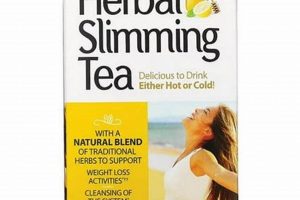
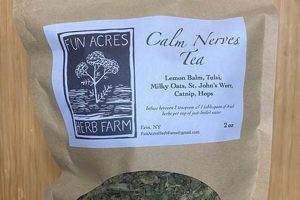
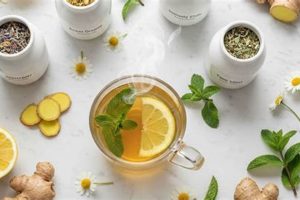
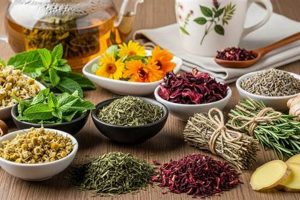
The inquiry addresses the potential for infusions made from herbs, rather than traditional tea leaves (Camellia sinensis), to assist in reducing body weight. These beverages, often consumed for their flavor and perceived health benefits, are derived from various plants, flowers, and spices.
The appeal of these preparations lies in their generally low calorie content and the presence of compounds that may influence metabolic processes. Historically, certain herbs have been utilized in traditional medicine to address digestive issues and promote a sense of well-being, factors indirectly related to weight management. The perceived benefits stem from potential effects on appetite, metabolism, and fluid retention.
The subsequent sections will delve into specific herbal varieties commonly associated with weight management, examine the scientific evidence supporting their purported effects, and address potential risks and considerations associated with their consumption. Furthermore, integration into a comprehensive weight management strategy will be discussed.
Guidance on Herbal Infusions and Weight Management
The following recommendations provide a framework for incorporating herbal infusions into a broader weight management approach. These are general suggestions and should not replace professional medical or dietary advice.
Tip 1: Prioritize Unsweetened Varieties: Opt for herbal infusions without added sugars or artificial sweeteners. These additives can contribute unnecessary calories, negating potential benefits related to weight reduction.
Tip 2: Select Diuretic Herbs With Caution: Certain herbs possess diuretic properties. While they may contribute to temporary weight loss through fluid reduction, this effect is not sustainable and can lead to dehydration or electrolyte imbalances. Exercise moderation and consult a healthcare professional.
Tip 3: Combine with a Balanced Diet: Herbal infusions are not a substitute for a healthy, balanced diet. Focus on consuming whole, unprocessed foods, including fruits, vegetables, lean proteins, and whole grains.
Tip 4: Integrate Regular Physical Activity: Combine the consumption of herbal infusions with a consistent exercise regimen. Physical activity is crucial for burning calories and improving overall metabolic health.
Tip 5: Consult a Healthcare Professional: Before incorporating herbal infusions into a weight management plan, consult a physician or registered dietitian. Certain herbs may interact with medications or exacerbate existing health conditions.
Tip 6: Be Mindful of Portion Sizes: While generally low in calories, excessive consumption of any beverage can contribute to overall caloric intake. Consume herbal infusions in moderation as part of a balanced daily fluid intake.
Tip 7: Research and Select Reputable Brands: Ensure that the herbal infusions chosen are from reputable manufacturers with transparent sourcing and quality control practices. This minimizes the risk of contamination or adulteration.
By adhering to these guidelines, individuals can explore the potential benefits of herbal infusions while prioritizing their overall health and well-being. Consistent application of healthy dietary and lifestyle practices remains paramount for sustainable weight management.
The subsequent sections will address potential risks, long-term considerations, and conclude with a summary of the current understanding of the role of herbal infusions in weight management.
1. Appetite Suppression

Appetite suppression, in the context of herbal infusions and weight management, refers to the potential of certain herbs to reduce hunger and feelings of fullness, thereby lowering caloric intake. This effect, if substantiated, could contribute to weight loss or maintenance.
- Fiber Content
Some herbal infusions contain soluble fiber, which can expand in the stomach and promote a feeling of satiety. This effect may reduce the desire to eat and limit overall food consumption. For example, infusions containing psyllium husk are known for their high fiber content. However, the fiber content in most brewed herbal teas is generally low.
- Hormonal Influence
Specific compounds in certain herbs are theorized to influence hormones related to appetite regulation, such as ghrelin and leptin. These hormones play a crucial role in signaling hunger and satiety. However, scientific evidence supporting the direct hormonal impact of common herbal infusions is limited and often inconclusive.
- Psychological Impact
The act of preparing and consuming a warm beverage can have a psychological effect, promoting relaxation and mindfulness. This, in turn, may reduce stress-related eating or emotional overeating. For instance, the ritual of drinking chamomile tea before bed is often associated with relaxation. This indirect effect on appetite is subjective and varies among individuals.
- Flavor and Aroma
Certain herbal infusions possess strong flavors or aromas that may reduce appetite or cravings for sweet or savory foods. For instance, peppermint tea is often used to curb sugar cravings. This sensory effect is temporary and does not address underlying causes of hunger or overeating.
While appetite suppression may be a potential benefit of consuming certain herbal infusions, it is not a guaranteed outcome for all individuals. The effectiveness depends on the specific herbs used, individual physiological responses, and the overall context of dietary and lifestyle habits. Rigorous scientific studies are required to establish definitive links between specific herbal infusions and measurable appetite suppression.
2. Metabolic Boost

The concept of a metabolic boost, in the context of herbal infusions and weight management, centers on the potential of certain herbs to increase the body’s energy expenditure and fat oxidation. This theoretical effect is often cited as a mechanism through which herbal infusions might contribute to weight reduction. However, the extent and sustainability of this boost require careful examination.
- Thermogenesis Enhancement
Thermogenesis, the process of heat production in the body, can be stimulated by certain compounds. Some herbal infusions are purported to contain substances that activate thermogenic pathways, leading to increased calorie burning. For instance, green tea extract, frequently found in weight loss supplements, contains catechins, which have demonstrated thermogenic effects in some studies. However, the concentrations of these compounds in typical herbal infusions may be insufficient to produce significant, clinically relevant thermogenesis.
- Fat Oxidation Promotion
Fat oxidation, the breakdown of fat molecules for energy, is a critical process in weight management. Certain herbs are believed to promote fat oxidation by influencing enzymes and hormones involved in lipid metabolism. For example, some studies suggest that ginger may enhance fat oxidation. Nevertheless, the evidence is often preliminary and inconsistent, with conflicting results across different research groups and study designs.
- Improved Insulin Sensitivity
Insulin sensitivity, the ability of cells to respond effectively to insulin, is closely linked to metabolic health and weight management. Some herbal infusions may improve insulin sensitivity, potentially leading to better glucose control and reduced fat storage. For instance, cinnamon has been studied for its effects on insulin sensitivity. However, the clinical significance of these effects in the context of weight loss remains debatable.
- Mitochondrial Function Support
Mitochondria, the powerhouses of cells, play a crucial role in energy production. Some herbal infusions may support mitochondrial function, thereby enhancing overall metabolic capacity. For example, certain herbs containing antioxidant compounds are thought to protect mitochondria from oxidative damage. However, the direct impact of specific herbal infusions on mitochondrial function and its subsequent effect on weight loss are not fully elucidated.
While the potential for herbal infusions to provide a metabolic boost exists, the effects are often modest and may not translate into significant weight loss without concurrent dietary and lifestyle modifications. The scientific evidence supporting these claims is often weak or inconsistent, requiring further rigorous investigation. Individuals seeking to leverage herbal infusions for metabolic enhancement should temper expectations and prioritize a holistic approach to weight management.
3. Fluid Regulation

Fluid regulation, in the context of herbal infusions and body weight management, encompasses the influence of certain herbal components on fluid balance within the body. This aspect is often associated with purported weight loss benefits, though its effects and sustainability warrant critical evaluation.
- Diuretic Action
Certain herbs possess diuretic properties, stimulating increased urine production and potentially leading to a reduction in fluid retention. This effect results in a temporary decrease in body weight, primarily due to water loss rather than fat loss. Examples of herbs with diuretic properties include dandelion, juniper, and parsley. The implications for long-term weight management are limited, as the body typically restores fluid balance, and excessive diuretic use can lead to dehydration and electrolyte imbalances.
- Electrolyte Balance
Diuretic action can disrupt the delicate balance of electrolytes in the body, including sodium, potassium, and magnesium. Loss of these electrolytes can lead to adverse effects such as muscle cramps, fatigue, and irregular heart rhythms. It is important to note that herbal infusions with significant diuretic effects should be consumed with caution and with consideration for maintaining adequate electrolyte intake. For example, potassium-rich foods or electrolyte-replenishing beverages may be necessary to counteract the effects of strong diuretics.
- Dehydration Risks
Excessive consumption of herbal infusions with diuretic properties can increase the risk of dehydration, particularly in individuals who do not consume sufficient amounts of plain water or who engage in strenuous physical activity. Dehydration can manifest as fatigue, dizziness, headaches, and constipation. It is crucial to monitor fluid intake and urine output when consuming herbal diuretics and to adjust intake accordingly to maintain proper hydration levels.
- Impact on Kidney Function
Prolonged or excessive use of diuretic herbs can potentially strain kidney function. The kidneys are responsible for filtering waste products from the blood and regulating fluid and electrolyte balance. Overstimulation of kidney function can lead to damage or impairment over time, particularly in individuals with pre-existing kidney conditions. Consultation with a healthcare professional is recommended before incorporating herbal diuretics into a weight management plan, especially for those with kidney issues.
The diuretic effect of certain herbal infusions contributes to temporary weight reduction through fluid loss. However, this effect should not be misconstrued as true fat loss. Furthermore, the potential risks associated with electrolyte imbalance, dehydration, and kidney strain necessitate cautious use and professional guidance. Integration of herbal diuretics into a weight management strategy requires a balanced approach, prioritizing overall health and sustainable lifestyle changes rather than solely relying on short-term fluid loss.
4. Calorie Displacement

Calorie displacement, a crucial factor in weight management, refers to the substitution of higher-calorie beverages and snacks with lower-calorie alternatives. This mechanism is relevant to the question of herbal infusions and weight loss, as these beverages typically offer a negligible calorie contribution when consumed unsweetened.
- Substitution for Sugary Drinks
One of the primary ways herbal infusions contribute to calorie displacement is by replacing sugar-sweetened beverages, such as sodas, juices, and sweetened teas. These beverages are often high in empty calories, contributing to weight gain and related health problems. Substituting these drinks with herbal infusions can significantly reduce overall caloric intake without sacrificing fluid consumption. For instance, replacing a 200-calorie soda with a zero-calorie herbal infusion yields a daily calorie reduction of 200 calories, which can contribute to a weight loss of approximately half a pound per week, assuming a 3500-calorie deficit is needed to lose a pound.
- Replacement of High-Calorie Snacks
In some instances, herbal infusions can also indirectly contribute to calorie displacement by curbing appetite or providing a satisfying alternative to high-calorie snacks. The act of preparing and consuming a warm beverage can mimic the comforting aspects of snacking, potentially reducing the urge to reach for unhealthy, calorie-dense foods. This effect is particularly pronounced when the infusion has a strong flavor or aroma, which can provide a sensory distraction from cravings. For example, drinking a cup of peppermint tea may help to suppress the desire for a sugary treat.
- Impact on Mealtime Choices
Consuming herbal infusions before or during meals may also influence food choices and portion sizes. The hydrating effect of the beverage can contribute to a feeling of fullness, potentially leading to reduced food consumption. In addition, the flavor profile of the infusion may complement or contrast with the meal, influencing overall satisfaction and potentially reducing the desire for additional courses or larger portions. For instance, drinking ginger tea before a meal may aid digestion and promote satiety, leading to reduced caloric intake.
- Considerations for Sweeteners and Additives
The calorie displacement benefit is significantly diminished when sweeteners or other high-calorie additives are included in the herbal infusion. Adding sugar, honey, or cream can negate the calorie savings achieved by substituting the infusion for other beverages. It is crucial to consume herbal infusions unsweetened or to use low-calorie sweeteners in moderation to maximize the calorie displacement effect. Furthermore, some commercially prepared herbal tea blends may contain added sugars or other ingredients, so it is important to carefully read product labels.
In summary, the calorie displacement effect of herbal infusions is a viable mechanism for promoting weight loss, particularly when these infusions replace higher-calorie alternatives and are consumed without added sugars or high-calorie additives. This effect is enhanced when combined with other weight management strategies, such as a balanced diet and regular physical activity. However, it is important to recognize that calorie displacement is only one aspect of a comprehensive approach to weight management, and individual results may vary.
5. Antioxidant Support
Antioxidant support, in relation to inquiries about herbal infusions and weight management, concerns the presence and activity of compounds within these beverages that mitigate oxidative stress. While not a direct weight loss mechanism, antioxidant activity indirectly supports overall health, potentially influencing weight management efforts. Oxidative stress, caused by an imbalance between free radical production and antioxidant defenses, is implicated in chronic diseases and metabolic dysfunction, factors that can hinder effective weight management.
Herbal infusions derived from various plants, flowers, and spices often contain a diverse array of antioxidant compounds, including polyphenols, flavonoids, and vitamins. These compounds function by neutralizing free radicals, thereby protecting cells from damage. Improved cellular function can contribute to enhanced metabolic efficiency and reduced inflammation, both of which are beneficial for weight management. For example, rooibos tea, known for its high antioxidant content, may help to reduce oxidative stress associated with obesity, indirectly supporting weight loss efforts. Similarly, hibiscus tea provides anthocyanins, potent antioxidants which could improve insulin sensitivity. The influence of oxidative stress on insulin sensitivity is significant, with reduced sensitivity increasing fat storage.
Therefore, while antioxidant support from herbal infusions does not directly cause weight loss, it contributes to a healthier internal environment that can optimize metabolic function and facilitate the effectiveness of other weight management strategies, such as dietary control and physical activity. It is important to note that the antioxidant content of herbal infusions can vary depending on the specific herbs used, the preparation method, and the storage conditions. Furthermore, antioxidant support should be considered as part of a comprehensive health-focused approach rather than a standalone weight loss solution. Prioritizing a diet rich in diverse antioxidant sources, coupled with regular exercise and stress management techniques, provides a more holistic and sustainable pathway to weight management.
Frequently Asked Questions
The following addresses common inquiries and misconceptions regarding the role of herbal infusions in weight loss efforts. The information presented aims to provide clarity and context based on available scientific evidence.
Question 1: Are all herbal infusions equally effective for weight loss?
No. The effectiveness of herbal infusions varies depending on the specific herbs used and their purported mechanisms of action. Some herbs may possess properties that contribute to appetite suppression, metabolic enhancement, or fluid regulation, while others may have minimal impact on weight. The composition and concentration of active compounds also differ across herbal varieties.
Question 2: Can herbal infusions replace a balanced diet and exercise for weight loss?
No. Herbal infusions should not be considered a substitute for a healthy, balanced diet and regular physical activity. These beverages may complement a comprehensive weight management strategy, but they cannot compensate for poor dietary habits or a sedentary lifestyle. Sustainable weight loss requires a holistic approach addressing calorie intake, energy expenditure, and overall health.
Question 3: Are there potential side effects associated with consuming herbal infusions for weight loss?
Yes. Certain herbs can cause adverse effects, particularly when consumed in large quantities or by individuals with pre-existing health conditions. Diuretic herbs may lead to dehydration and electrolyte imbalances. Some herbs may interact with medications. It is crucial to consult a healthcare professional before incorporating herbal infusions into a weight management plan, especially if one has underlying medical issues or takes prescription drugs.
Question 4: How much herbal infusion should one consume daily for weight loss benefits?
There is no universally recommended dosage for herbal infusions aimed at weight loss. The appropriate amount depends on the specific herbs used, individual tolerance, and overall health status. Starting with small amounts and gradually increasing intake while monitoring for adverse effects is advisable. Consulting with a healthcare professional or registered dietitian for personalized guidance is recommended.
Question 5: Are commercially available herbal tea blends reliable for weight loss purposes?
The reliability of commercially available herbal tea blends varies significantly. Some products may contain inaccurate information about their ingredients or purported benefits. Others may be adulterated with undisclosed substances. Selecting products from reputable manufacturers with transparent sourcing and quality control practices is essential. Reading product labels carefully and researching the ingredients are also recommended.
Question 6: Is weight loss from herbal infusions permanent and sustainable?
Weight loss achieved solely through the consumption of herbal infusions is unlikely to be permanent or sustainable. Diuretic herbs may induce temporary water loss, but this does not equate to fat loss. Sustainable weight loss requires long-term lifestyle changes, including dietary modifications, regular physical activity, and consistent adherence to healthy habits. Herbal infusions can be a supportive component of such a comprehensive approach, but they should not be viewed as a quick fix.
The preceding questions and answers emphasize the importance of evidence-based decision-making and realistic expectations when considering herbal infusions for weight management. A balanced approach, guided by professional advice, is crucial for achieving sustainable results and safeguarding overall health.
The following section will present a conclusion summarizing the current understanding of the role of herbal infusions in weight management and offering final considerations for individuals seeking to incorporate these beverages into their lifestyle.
Conclusion
The inquiry into the effectiveness of plant-derived infusions in promoting weight reduction reveals a nuanced landscape. While certain varieties exhibit properties potentially conducive to weight management, such as appetite suppression, metabolic stimulation, or fluid regulation, the impact is often modest and requires contextualization. The existing scientific evidence supporting these claims is frequently limited and inconsistent, necessitating further rigorous investigation. Furthermore, the substitution of high-calorie beverages with low-calorie herbal infusions contributes to calorie displacement, which can support weight loss efforts when integrated into a broader dietary strategy. Antioxidant support from these beverages may promote overall health, indirectly benefiting weight management.
Ultimately, relying solely on these infusions for weight loss is not recommended. A holistic approach encompassing a balanced diet, regular physical activity, and professional medical or dietary guidance remains paramount for sustainable and healthy weight management. Herbal infusions can be considered a complementary component within such a comprehensive strategy, but their efficacy should not be overstated, and potential risks, particularly those associated with diuretic herbs, must be carefully considered. Prioritizing evidence-based practices and informed decision-making is crucial for individuals seeking to leverage the potential benefits of plant-derived infusions.