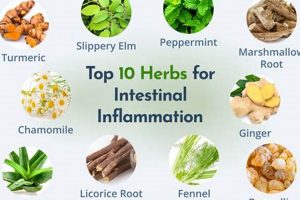
An aggregation of botanicals marketed with the implication of therapeutic benefit, but associated with adverse hepatic events, is a matter of growing concern. This encompasses various plants, extracts, and formulations sold as promoting health or wellness, where evidence suggests a causal link to hepatocellular injury, cholestasis, or other forms of liver dysfunction. These products are often available over-the-counter or online, appealing to consumers seeking natural remedies.
Identifying such items is vital for both public health and individual well-being. Increased awareness enables healthcare professionals to provide informed guidance, facilitates accurate diagnosis of liver ailments, and empowers individuals to make safe choices regarding their healthcare. Historically, the perceived safety of natural remedies has contributed to their widespread use; however, this perception overlooks the potential for significant toxicological effects and interactions with conventional medications.
The subsequent sections will delve into specific examples of botanicals associated with liver injury, mechanisms of hepatotoxicity, diagnostic considerations, and preventative strategies. This will include exploring the role of quality control and regulation in minimizing the risk posed by these supplements.
Guidance Regarding Potentially Hepatotoxic Botanicals
The following points offer guidance for healthcare professionals and individuals seeking to understand and mitigate the risks associated with herbal supplements implicated in liver damage.
Tip 1: Conduct Thorough Patient History: Meticulously document all supplements, vitamins, and over-the-counter medications used by patients, including dosages and duration of use. This information is crucial for identifying potential causes of unexplained liver abnormalities.
Tip 2: Recognize Patterns of Liver Injury: Be aware that supplement-induced liver injury can mimic various forms of liver disease, including hepatitis and cholestasis. Elevated liver enzymes, jaundice, and fatigue should prompt investigation into possible supplement use.
Tip 3: Consider Causality Assessment: Utilize validated causality assessment scales (e.g., Roussel Uclaf Causality Assessment Method [RUCAM]) to evaluate the likelihood that a particular supplement caused liver injury. These scales consider temporal relationships, exclusion of other causes, and dechallenge/rechallenge information.
Tip 4: Exercise Caution with Multi-Ingredient Products: Be particularly wary of supplements containing multiple ingredients, as identifying the specific hepatotoxin can be challenging. Synergistic effects between constituents can also increase the risk of liver damage.
Tip 5: Advocate for Liver Function Monitoring: Advise individuals considering herbal supplements to undergo baseline liver function testing and subsequent monitoring to detect early signs of hepatotoxicity. This is especially important for individuals with pre-existing liver conditions.
Tip 6: Report Adverse Events: Report suspected cases of supplement-induced liver injury to appropriate regulatory agencies. This contributes to a more complete understanding of the safety profile of these products.
Tip 7: Advise on Safer Alternatives: When possible, recommend evidence-based conventional therapies in place of herbal supplements for managing health conditions. Emphasize the importance of consulting with a qualified healthcare professional before initiating any new treatment.
By adhering to these recommendations, healthcare providers can better identify, manage, and prevent liver injury associated with the consumption of botanicals marketed as health supplements. Informed decision-making is essential to safeguarding patient health.
The subsequent sections will provide more in-depth information about specific botanical ingredients with known associations to liver damage.
1. Hepatotoxicity

Hepatotoxicity, defined as chemical-driven liver damage, is the central adverse effect that necessitates the compilation and examination of a catalog of botanical supplements linked to this condition. The presence of hepatotoxicity directly informs inclusion on said enumeration; if scientific literature or clinical experience establishes a plausible connection between ingestion of a particular plant product and subsequent liver injury, that product warrants consideration for addition. The severity of hepatotoxicity can vary considerably, ranging from asymptomatic elevations in liver enzymes detected during routine blood tests to acute liver failure requiring transplantation. For example, products containing pyrrolizidine alkaloids (PA), found in plants like comfrey, are known to cause sinusoidal obstruction syndrome, a severe form of hepatotoxicity leading to progressive liver damage. Similarly, concentrated green tea extract, while generally considered safe in moderate amounts, has been associated with cases of acute hepatitis in susceptible individuals. This variability underscores the importance of understanding both the specific compounds responsible for hepatotoxicity and the individual factors that may predispose certain individuals to adverse reactions.
The identification of specific hepatotoxins within botanicals is crucial for understanding the underlying mechanisms of liver injury. Some herbal constituents, such as aflatoxins produced by molds contaminating improperly stored products, are direct hepatotoxins, meaning they directly damage liver cells. Others may undergo metabolic activation within the liver, being transformed into reactive intermediates that cause cellular damage or trigger an immune response. For instance, certain constituents in germander, a plant historically used for weight loss, are metabolized to reactive metabolites that covalently bind to liver proteins, leading to immune-mediated liver injury. Furthermore, the purity and standardization of herbal products can significantly impact hepatotoxicity. Products that are contaminated with heavy metals or adulterated with pharmaceutical drugs pose an increased risk of liver damage. Consequently, the compilation of lists of such botanical products enables healthcare professionals to better assess potential causes of liver abnormalities and guide diagnostic investigations. Thorough history taking, including details about the specific supplements consumed, dosage, and duration of use, is essential for determining whether hepatotoxicity is related to the use of herbal supplements.
In summary, hepatotoxicity is the primary clinical outcome that necessitates the development and use of a list of botanical supplements linked to liver damage. This compilation provides a valuable resource for healthcare professionals and consumers seeking to understand the potential risks associated with these products. Challenges remain, including the variability in product quality, the potential for interactions with other medications, and the limited regulatory oversight of the supplement industry. Addressing these challenges requires a multi-faceted approach involving rigorous scientific investigation, enhanced regulatory enforcement, and comprehensive patient education.
2. Supplement identification

Accurate identification of ingested supplements is paramount in determining the etiology of suspected supplement-induced liver injury and, consequently, in maintaining an accurate listing of botanicals associated with such damage. Without precise identification, the ability to establish causal relationships and inform public health initiatives is significantly compromised.
- Importance of Detailed Label Information
The accuracy and completeness of supplement labels are fundamental to proper identification. Labels should clearly list all ingredients, including botanical names (Latin binomials), the part of the plant used, extract ratios, and any excipients or additives. Omission of ingredients or inaccurate labeling practices can lead to misidentification, hindering the ability to link a specific product to liver injury. For example, if a product labeled as “liver support” contains an undisclosed amount of pyrrolizidine alkaloids due to cross-contamination or misidentification of plant species, the resulting liver damage might be erroneously attributed to other ingredients.
- Role of Analytical Testing
Analytical testing methods, such as chromatography and mass spectrometry, play a crucial role in verifying the composition of supplements and detecting contaminants or adulterants. These techniques can identify the presence of undeclared ingredients, verify the authenticity of botanical extracts, and quantify the levels of potentially hepatotoxic compounds. For example, analytical testing might reveal that a supplement marketed as containing pure milk thistle extract is, in fact, adulterated with turmeric, a known cause of drug-induced liver injury when present in sufficient quantities. Such testing is invaluable in refining the listing of supplements causing liver damage and attributing causality appropriately.
- Challenges in Multi-Ingredient Products
Supplements containing multiple ingredients present a significant challenge to identification. The synergistic or antagonistic effects of various compounds can complicate the assessment of hepatotoxicity. Furthermore, identifying the specific component responsible for liver injury in a multi-ingredient formulation may require a process of elimination, based on available scientific literature and clinical case reports. For example, a weight-loss supplement containing green tea extract, Garcinia cambogia, and chromium picolinate may be implicated in liver injury; isolating the causative agent requires careful consideration of the known hepatotoxic potential of each ingredient and the exclusion of other potential etiologies.
- The Impact of Batch Variation and Manufacturing Processes
Variations in manufacturing processes and raw material sourcing can lead to batch-to-batch differences in supplement composition and potency. This variability introduces uncertainty in the identification process, as a supplement that is safe in one batch may be hepatotoxic in another. For example, variations in soil conditions or harvesting practices may affect the concentration of hepatotoxic compounds in a botanical extract, leading to inconsistent effects on the liver. Detailed tracking of batch numbers and manufacturing processes is essential for accurate supplement identification and for ensuring the reliability of the “list of herbal supplements that cause liver damage.”
In conclusion, rigorous supplement identification, encompassing detailed label information, analytical testing, and consideration of manufacturing variability, is crucial for accurately compiling and maintaining a reliable roster of botanical products associated with liver injury. The accuracy of this list directly influences clinical decision-making, public health recommendations, and regulatory actions aimed at mitigating the risks associated with herbal supplement use.
3. Risk factors

The correlation between individual risk factors and the potential for hepatotoxicity from herbal supplements underscores the necessity of maintaining a comprehensive record of such products. While exposure to a hepatotoxic botanical is a primary requirement for liver damage, specific predisposing characteristics significantly modulate an individual’s susceptibility. These characteristics encompass pre-existing liver conditions, concurrent use of other medications, genetic predispositions, age, and nutritional status. The absence of acknowledgement and documentation of these elements in a list purporting to outline hepatotoxic supplements would render the resource incomplete and potentially misleading. For example, an individual with non-alcoholic fatty liver disease (NAFLD) may be more vulnerable to the hepatotoxic effects of a supplement like green tea extract compared to someone with a healthy liver. Similarly, the co-administration of certain medications, such as statins or antifungals, known to impact liver function, can exacerbate the risk of liver injury from specific botanicals.
Genetic polymorphisms affecting the metabolism of xenobiotics, including herbal constituents, represent another critical risk factor. Variations in genes encoding enzymes like cytochrome P450s (CYPs) can influence the rate and pathway of detoxification, leading to the formation of reactive metabolites that induce liver damage. For instance, individuals with certain CYP2D6 variants may be more susceptible to the hepatotoxic effects of kava. Age also plays a role, with both the very young and the elderly exhibiting increased vulnerability to drug-induced liver injury due to differences in liver function and drug metabolism. Malnutrition and deficiencies in specific nutrients can further compromise liver health and increase the risk of hepatotoxicity from herbal supplements. Therefore, the compilation of a list must include considerations of these individual predispositions when assigning the level of risk for each herb. A supplement that poses minimal risk to a healthy individual may carry a significant threat to someone with pre-existing conditions or specific genetic profiles.
In summary, the presence of individual risk factors is a critical determinant of the likelihood and severity of liver damage from herbal supplements. A comprehensive roster of hepatotoxic botanicals must incorporate information about these predisposing characteristics to provide an accurate and clinically relevant resource for healthcare professionals and consumers. By acknowledging the interplay between exposure and susceptibility, such a list can effectively guide decision-making and minimize the incidence of supplement-induced liver injury.
4. Causality assessment
Causality assessment represents a systematic approach to evaluating the likelihood that a specific herbal supplement directly contributed to an observed case of liver damage. Its rigorous application is fundamental to the creation and maintenance of a reliable inventory of botanical products linked to hepatic injury. Without robust causality assessment, the inclusion of supplements on such a compilation would lack scientific validity and clinical utility.
- Temporal Relationship
Establishing a plausible temporal relationship between supplement ingestion and the onset of liver injury is a primary factor in causality assessment. This involves evaluating whether the liver damage occurred within a reasonable timeframe following the initiation of supplement use. For instance, if liver enzymes significantly elevate within days or weeks of starting a new herbal product and subsequently decrease upon discontinuation, a stronger causal link is indicated. Conversely, if liver damage predates supplement use or occurs long after cessation, causality becomes less probable. Detailed patient histories documenting the timing of supplement use and the progression of liver injury are essential for this assessment.
- Exclusion of Alternative Etiologies
A thorough evaluation of alternative explanations for liver damage is crucial in causality assessment. This necessitates ruling out other potential causes, such as viral hepatitis, autoimmune liver diseases, alcohol abuse, and drug-induced liver injury from conventional medications. Diagnostic testing, including serological assays, imaging studies, and liver biopsies, may be required to exclude these possibilities. The presence of confounding factors weakens the evidence supporting a causal link between the herbal supplement and liver damage. Therefore, a rigorous process of elimination is vital to ensure the accuracy of the catalog.
- Dechallenge and Rechallenge
Dechallenge, the improvement or resolution of liver injury upon discontinuation of the suspected supplement, provides further evidence of causality. Conversely, rechallenge, the recurrence of liver injury upon reintroduction of the supplement, significantly strengthens the causal link. However, rechallenge is generally not performed due to ethical concerns. The observation of a positive dechallenge, characterized by declining liver enzymes after stopping the supplement, supports the conclusion that the supplement likely contributed to the liver damage. The presence or absence of dechallenge information is a key component in established causality assessment scales.
- Application of Causality Assessment Scales
Validated causality assessment scales, such as the Roussel Uclaf Causality Assessment Method (RUCAM), provide a structured framework for evaluating the likelihood of drug-induced liver injury (DILI), which can be adapted for herbal supplements. These scales assign points based on various factors, including temporal relationship, exclusion of other causes, dechallenge, and the known hepatotoxic potential of the implicated agent. The total score generated by the scale is then used to categorize the causality as definite, probable, possible, unlikely, or excluded. Utilizing such scales enhances objectivity and consistency in causality assessment, contributing to the reliability of the information within the “list of herbal supplements that cause liver damage.”
The integration of rigorous causality assessment methodologies is essential for the ongoing refinement and validation of a listing of herbal supplements associated with liver damage. Through the systematic evaluation of temporal relationships, exclusion of alternative etiologies, assessment of dechallenge findings, and application of standardized causality scales, a more accurate and clinically relevant compilation of hepatotoxic botanicals can be maintained, informing both healthcare professionals and consumers of potential risks.
5. Regulatory oversight

The level and nature of regulatory oversight exert a direct influence on the accuracy, completeness, and clinical utility of any “list of herbal supplements that cause liver damage.” Inconsistent or lax regulatory standards compromise the quality control, labeling accuracy, and post-market surveillance of herbal products, directly impacting the validity of the list.
- Quality Control Standards
Stringent quality control standards, mandated and enforced by regulatory bodies, are essential for ensuring the consistent composition and purity of herbal supplements. These standards encompass aspects such as Good Manufacturing Practices (GMPs), identification of raw materials, testing for contaminants (heavy metals, pesticides, microbial agents), and standardization of active constituents. Weak or absent quality control standards increase the risk of adulteration, misidentification of plant species, and variable concentrations of bioactive compounds, all of which can contribute to liver injury. Without robust regulatory enforcement, the compilation of a “list of herbal supplements that cause liver damage” may be incomplete, failing to capture the full range of products posing a risk due to substandard manufacturing practices.
- Labeling Requirements
Comprehensive and accurate labeling requirements, overseen by regulatory agencies, are critical for informing consumers and healthcare professionals about the ingredients, dosage, potential adverse effects, and contraindications of herbal supplements. Regulations mandating the inclusion of Latin binomials, the specific part of the plant used, and potential interactions with medications are vital for accurate supplement identification and for linking specific products to cases of liver injury. Lax labeling requirements, or failure to enforce existing regulations, can lead to misidentification of hepatotoxic ingredients and hinder the ability to establish causality. Therefore, effective regulatory oversight of labeling is essential for maintaining the accuracy and clinical relevance of a “list of herbal supplements that cause liver damage.”
- Post-Market Surveillance
Effective post-market surveillance systems, implemented by regulatory authorities, are crucial for detecting and investigating adverse events associated with herbal supplements, including liver damage. These systems involve the collection and analysis of adverse event reports from healthcare professionals and consumers, as well as active monitoring of product safety signals. Robust post-market surveillance enables the identification of previously unrecognized hepatotoxic effects and allows for timely regulatory action, such as product recalls or warnings. Inadequate post-market surveillance can delay the recognition of supplement-induced liver injury and compromise the completeness of the “list of herbal supplements that cause liver damage.”
- Enforcement Mechanisms
Effective enforcement mechanisms, including inspections, audits, and penalties for non-compliance, are essential for ensuring adherence to regulatory standards. Regulatory agencies must possess the authority and resources to take swift action against manufacturers who violate quality control, labeling, or advertising regulations. Strong enforcement deters fraudulent practices and promotes a culture of compliance within the herbal supplement industry. Weak enforcement, on the other hand, allows for the proliferation of substandard products and undermines the credibility of the “list of herbal supplements that cause liver damage.”
In summary, rigorous regulatory oversight encompassing quality control standards, labeling requirements, post-market surveillance, and effective enforcement mechanisms is essential for ensuring the accuracy, completeness, and reliability of any compilation purporting to list herbal supplements associated with liver damage. Strengthening regulatory oversight is crucial for protecting public health and for promoting informed decision-making regarding the use of herbal products.
6. Patient education
Effective patient education serves as a crucial preventative measure against liver injury stemming from the use of herbal supplements. A compilation of herbal supplements associated with liver damage is intrinsically linked to the proactive dissemination of information to the public. Without adequate patient education, the mere existence of such a roster holds limited value. Individuals, often seeking natural alternatives to conventional medicine, may unknowingly consume hepatotoxic botanicals, believing them to be safe. This risk is heightened by the widespread availability of supplements, often marketed with unsubstantiated claims and lacking clear warnings regarding potential adverse effects. For instance, a patient with pre-existing liver disease, unaware of the potential hepatotoxicity of pyrrolizidine alkaloids found in some herbal teas, might consume these products, leading to acute liver failure. Patient education, therefore, aims to bridge this knowledge gap, empowering individuals to make informed decisions regarding their health and to avoid potentially harmful herbal supplements.
The practical application of patient education extends beyond simply providing a list of unsafe supplements. It involves educating individuals about the importance of disclosing all supplement use to healthcare providers, understanding the potential for interactions between herbal supplements and conventional medications, and recognizing the signs and symptoms of liver damage. Real-world scenarios highlight the significance of this comprehensive approach. A patient prescribed statins for hyperlipidemia, concurrently using a supplement containing red yeast rice (which contains lovastatin, the same active ingredient as some statins), may unknowingly increase the risk of statin-induced liver injury. Effective patient education would equip them with the knowledge to identify this potential interaction and to seek guidance from their physician. Furthermore, educational initiatives should emphasize the limitations of current regulatory oversight of herbal supplements and the inherent variability in product quality and potency. This encourages a critical assessment of supplement claims and promotes the selection of products from reputable manufacturers.
In conclusion, patient education is an indispensable component of any effort to mitigate liver damage associated with herbal supplements. It empowers individuals to make informed choices, promotes open communication with healthcare providers, and fosters a greater awareness of the potential risks and limitations of herbal medicine. While the compilation of a list of hepatotoxic supplements is a valuable resource, its true impact hinges on the effective dissemination of this information and the promotion of responsible supplement use through targeted patient education initiatives. The challenge lies in reaching diverse populations with accurate and accessible information, countering misinformation, and fostering a culture of informed self-care.
Frequently Asked Questions
The following questions address common concerns and misconceptions regarding herbal supplements and their potential to induce liver damage. It is intended to provide clarity and promote informed decision-making.
Question 1: Is the designation “natural” synonymous with “safe” concerning herbal supplements?
The term “natural” does not guarantee safety. Many naturally occurring substances, including certain plants and fungi, possess inherent toxicity. Herbal supplements, derived from natural sources, are not inherently safe simply by virtue of their origin. The potential for adverse effects, including liver damage, exists regardless of the “natural” designation.
Question 2: How can one ascertain whether a particular herbal supplement poses a risk to the liver?
Determining the risk associated with a specific herbal supplement requires a multi-faceted approach. This includes reviewing available scientific literature, consulting with a healthcare professional knowledgeable in herbal medicine, and scrutinizing the supplement label for potential hepatotoxic ingredients or warnings. The presence of pre-existing liver conditions or concurrent use of other medications may increase the risk.
Question 3: Are there specific populations that are more susceptible to liver damage from herbal supplements?
Certain populations are inherently more vulnerable to supplement-induced liver injury. These include individuals with pre-existing liver diseases (e.g., hepatitis, cirrhosis), the elderly, individuals taking multiple medications metabolized by the liver, and those with genetic predispositions affecting drug metabolism.
Question 4: What are the typical symptoms of liver damage caused by herbal supplements?
Symptoms of supplement-induced liver injury can vary, ranging from mild and nonspecific to severe and life-threatening. Common symptoms include fatigue, jaundice (yellowing of the skin and eyes), abdominal pain, nausea, vomiting, dark urine, and pale stools. The onset of any of these symptoms following the initiation of herbal supplement use warrants immediate medical evaluation.
Question 5: How can one report a suspected case of liver damage caused by an herbal supplement?
Suspected cases of supplement-induced liver injury should be reported to healthcare professionals, who can then report the adverse event to the appropriate regulatory agencies. Accurate and detailed reporting is crucial for identifying and addressing potential safety concerns associated with herbal supplements.
Question 6: What steps can one take to minimize the risk of liver damage from herbal supplements?
Minimizing the risk involves several key strategies. These include consulting with a healthcare provider before initiating any new supplement, disclosing all supplement use, purchasing supplements from reputable manufacturers, adhering to recommended dosages, and promptly discontinuing use and seeking medical attention if any adverse symptoms develop.
The information provided aims to raise awareness and promote responsible decision-making concerning the use of herbal supplements. It is not intended to substitute professional medical advice.
The subsequent sections will discuss resources for finding further information about supplements that cause liver damage.
Conclusion
The preceding sections have outlined the significance of maintaining and disseminating an accurate compilation of herbal supplements associated with liver damage. The potential for hepatotoxicity arising from these products necessitates rigorous identification, causality assessment, and comprehensive patient education. A clear understanding of risk factors, coupled with stringent regulatory oversight, is paramount in mitigating adverse outcomes.
The ongoing challenge lies in translating awareness into action. Healthcare professionals must remain vigilant in eliciting supplement use histories from patients, and regulatory agencies must enforce quality standards. Consumers, in turn, must adopt a critical and informed approach to herbal supplement use, recognizing that the designation “natural” does not equate to “safe.” Only through collective effort can the incidence of supplement-induced liver injury be minimized and public health safeguarded.