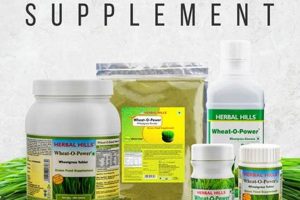
Botanical remedies, available in various forms like capsules, tablets, and tinctures, are often utilized to alleviate discomfort. These products contain plant-derived compounds believed to possess analgesic and anti-inflammatory properties. For example, formulations containing willow bark extract are sometimes used as a natural alternative for common aches.
The appeal of these natural options stems from a perceived lower risk of side effects compared to conventional pharmaceuticals. Historically, many cultures have relied on plant-based therapies for managing various ailments, including pain. This long-standing tradition contributes to continued interest and research into the potential benefits offered by botanical extracts.
The subsequent sections will delve into specific plant-based remedies frequently considered for pain management. The discussion will include an overview of their proposed mechanisms of action, available scientific evidence supporting their efficacy, and potential safety considerations to acknowledge.
Guidance on Plant-Derived Pain Relief Options
The subsequent guidelines offer considerations when exploring the use of plant-derived remedies for managing discomfort. It is essential to approach these alternatives with informed awareness and professional consultation.
Tip 1: Consultation with Healthcare Provider: Prior to initiating any herbal regimen for pain, seek advice from a qualified healthcare professional. This ensures consideration of potential interactions with existing medications and evaluation of individual health conditions.
Tip 2: Proper Identification and Sourcing: Verify the botanical identity and source of the supplement. Purchase from reputable suppliers who adhere to quality control standards to minimize the risk of contamination or adulteration.
Tip 3: Dosage Adherence: Strictly adhere to the recommended dosage provided by the manufacturer or a healthcare provider. Exceeding the recommended dose does not necessarily enhance efficacy and may increase the likelihood of adverse effects.
Tip 4: Monitoring for Adverse Reactions: Closely monitor for any adverse reactions, such as skin rashes, gastrointestinal upset, or allergic responses. Discontinue use and seek medical attention if any concerning symptoms develop.
Tip 5: Awareness of Potential Interactions: Understand the potential for interactions between plant-derived remedies and conventional medications. Certain botanicals can affect the metabolism or efficacy of pharmaceuticals, requiring dosage adjustments.
Tip 6: Realistic Expectations: Recognize that botanical remedies may not provide immediate or complete pain relief for all individuals. Their efficacy can vary based on factors such as the type of discomfort, the individual’s physiology, and the specific botanical formulation.
The prudent and informed use of natural remedies necessitates thorough research, professional guidance, and careful monitoring. While some individuals may experience benefits, these options should not be considered a substitute for conventional medical care when necessary.
The following sections will explore the broader context of research and future directions in the field of plant-based pain management.
1. Efficacy Variability

Efficacy variability in botanical products intended for pain relief constitutes a critical factor affecting therapeutic outcomes. The inconsistency in response stems from a multitude of interacting variables, beginning with the inherent complexity of plant-derived compounds. Unlike synthesized pharmaceuticals with standardized active ingredients, plant materials contain a diverse array of phytochemicals whose concentrations can fluctuate based on growing conditions, harvesting methods, and processing techniques. This variability introduces uncertainty regarding the specific compounds present in a given dose and their respective potencies. For instance, two formulations of willow bark, both purportedly standardized to a certain percentage of salicin (a precursor to salicylic acid), may still differ substantially in their overall analgesic effect due to variations in the presence of other bioactive constituents that contribute to or modulate the primary compound’s activity. The complexity of standardization represents one of the primary challenges in the herbal supplements industry.
Furthermore, the human body’s metabolism and individual physiological characteristics contribute significantly to efficacy variability. Genetic factors, age, sex, diet, and the presence of co-existing health conditions can all influence the absorption, distribution, metabolism, and excretion of plant-derived compounds. Consequently, the same botanical product may produce vastly different pain-relieving effects in different individuals. For example, a patient with impaired liver function might metabolize certain botanical compounds more slowly, leading to an increased risk of side effects or an altered therapeutic response. Similarly, differences in gut microbiota composition can affect the bioavailability of certain phytochemicals, further compounding the unpredictability of the therapeutic outcome. The lack of understanding surrounding the interactions and mechanisms between various body types and herbal supplement efficacy continues to be an obstacle when attempting to apply the appropriate treatment to specific pain.
In conclusion, efficacy variability poses a substantial challenge to the reliable use of plant-derived options for pain relief. Addressing this variability requires a multi-faceted approach, encompassing improved standardization of botanical products, enhanced understanding of individual patient factors, and rigorous clinical trials to evaluate the effectiveness of specific formulations across diverse populations. Until such measures are implemented, healthcare providers and individuals seeking pain relief must exercise caution and adopt a personalized approach, carefully monitoring responses and adjusting treatment strategies as needed, taking into account the inherent uncertainties associated with this category of therapeutic interventions.
2. Safety Profiles
The safety profile of botanical remedies used for pain represents a critical aspect requiring careful consideration. Unlike conventional pharmaceutical analgesics, which undergo rigorous pre-market evaluation for safety and efficacy, botanical supplements often lack the same level of scrutiny. This disparity presents a potential concern, as the absence of comprehensive safety data can obscure the risks associated with their use. For example, Kava, traditionally used for anxiety and pain relief, has been linked to hepatotoxicity in some individuals, highlighting the potential for serious adverse effects. A complete understanding of a supplement’s composition and the impact of that composition for the specific individual is paramount.
Several factors contribute to the complexity of assessing the safety of plant-derived products. Firstly, the inherent variability in botanical composition, as previously discussed, can lead to inconsistencies in the levels of active constituents and potential contaminants. Secondly, many individuals assume that because a product is “natural,” it is inherently safe, overlooking the fact that even natural substances can possess potent pharmacological effects. For instance, St. John’s Wort, used for mood disorders, interacts significantly with numerous medications, including anticoagulants and oral contraceptives, potentially diminishing their efficacy or increasing the risk of adverse events. This highlights the need for patients to be fully informed of the potential risks associated with botanical supplements.
In summary, the safety profile of botanical options for pain management necessitates a cautious and informed approach. The absence of comprehensive safety data, coupled with the potential for variability in composition and interactions with conventional medications, underscores the importance of professional consultation and careful monitoring for adverse effects. While botanical treatments may offer benefits for some individuals, their use should be approached with a clear understanding of the potential risks and limitations, ensuring that patient safety remains the paramount consideration. This understanding is crucial for promoting responsible and informed decision-making in the context of pain management strategies. The ability to determine a patient’s physiological response to a specific formula is essential in making an informed decision.
3. Individual Responses

The use of botanical remedies for pain elicits a spectrum of individual responses, a critical factor dictating therapeutic outcomes. Physiological variability, genetic predispositions, and concurrent health conditions directly influence how an individual metabolizes and reacts to the bioactive compounds within supplements. What proves effective for one person may offer limited or no relief to another, and, in some cases, may even trigger adverse reactions. For instance, curcumin, a compound found in turmeric often touted for its anti-inflammatory properties, exhibits varying degrees of bioavailability among individuals. Factors such as differences in gut microbiota composition and metabolic enzyme activity account for this heterogeneity, leading to inconsistent clinical results. Similarly, certain plant extracts might interact differently with specific genetic markers, impacting their effectiveness or increasing the likelihood of side effects. Consider the case of an individual with a CYP2C9 polymorphism affecting their ability to metabolize certain compounds, leading to either toxicity from slow metabolism or inefficacy from rapid breakdown.
The importance of understanding individual responses extends to safety considerations. Allergic reactions to plant-derived substances are not uncommon, ranging from mild skin irritation to severe anaphylaxis. Pre-existing conditions, such as liver or kidney disease, can also alter the metabolism and excretion of plant compounds, increasing the risk of adverse effects. Moreover, potential interactions with pharmaceutical medications further complicate matters. For example, an individual taking warfarin (an anticoagulant) and concurrently using a botanical supplement with blood-thinning properties could experience an increased risk of bleeding. Therefore, a thorough assessment of an individual’s medical history, current medications, and genetic predispositions is essential prior to initiating any botanical regimen. This assessment allows for the identification of potential contraindications and helps to personalize treatment strategies based on individual needs and risk factors.
In conclusion, individual responses represent a cornerstone in determining the safety and efficacy of botanical supplements for pain management. The inherent variability in human physiology, coupled with the complex nature of plant-derived compounds, necessitates a personalized approach. Challenges remain in predicting individual responses, given the limitations in our understanding of complex interactions. However, a thorough assessment of medical history, genetic predispositions, and potential drug interactions, along with careful monitoring for adverse effects, is crucial for optimizing therapeutic outcomes and minimizing risks. The development of more sophisticated diagnostic tools and personalized approaches will likely improve the ability to predict individual responses and enhance the effectiveness and safety of plant-derived therapies in the future. As the practice advances, understanding the mechanisms of action become the focus, but understanding an individual’s physiological response will continue to be an essential component.
4. Dosage Control

Dosage control represents a fundamental element in the safe and effective utilization of botanical remedies for pain management. The concentration of active compounds in plant-derived products can vary substantially, necessitating precise control over the amount consumed to mitigate potential adverse effects and optimize therapeutic benefits. Inadequate dosage control can lead to suboptimal pain relief or, conversely, to toxicity.
- Variability in Potency
The inherent variability in the concentration of active constituents within botanical materials necessitates stringent dosage control. Factors such as growing conditions, harvesting methods, and processing techniques can significantly influence the potency of a given supplement. For example, St. John’s Wort, used for mood disorders, can vary substantially in its hypericin content, the compound believed to be responsible for its antidepressant effects. Without appropriate dosage control, individuals may inadvertently consume insufficient amounts to achieve therapeutic benefit or, conversely, excessive amounts that increase the risk of side effects. This inconsistency underscores the importance of standardized extracts and accurate labeling to ensure reliable dosage control.
- Individual Physiological Factors
Individual physiological factors, including body weight, metabolism, and concurrent health conditions, influence how an individual responds to botanical remedies. Dosage adjustments may be necessary to account for these variations. For example, an elderly individual with impaired liver function may require a lower dose of a botanical supplement compared to a younger, healthier individual to achieve the same therapeutic effect while minimizing the risk of adverse reactions. Failing to consider these individual factors can lead to either under-dosing, resulting in inadequate pain relief, or over-dosing, potentially causing toxicity or adverse interactions with other medications.
- Potential for Interactions
Many botanical supplements can interact with conventional pharmaceutical medications, altering their efficacy or increasing the risk of side effects. Dosage control becomes critical in mitigating these interactions. For instance, ginger, used for its anti-inflammatory properties, can potentiate the effects of anticoagulant drugs, increasing the risk of bleeding. Individuals taking anticoagulant medications who wish to use ginger supplements for pain management must carefully control the dosage and monitor their blood clotting parameters to prevent adverse events. Likewise, careful monitoring of potential synergistic effects is essential for dosage control.
- Standardization and Quality Assurance
Standardization and quality assurance practices are essential for ensuring accurate dosage control in botanical supplements. Standardized extracts contain a consistent amount of specific active compounds, facilitating more precise dosage recommendations. Quality assurance measures, such as third-party testing, help to verify the identity and purity of botanical ingredients, reducing the risk of contamination or adulteration that could compromise dosage accuracy. Consumers should seek products from reputable manufacturers that adhere to good manufacturing practices (GMP) and provide detailed information about the composition and standardization of their products.
In conclusion, dosage control represents a critical safety and efficacy parameter in the utilization of plant-derived options for pain. A clear understanding of the variability in the concentrations, individual physiological variations, and potential interactions with conventional medications is necessary for proper and safe use. Dosage control is important for providing pain relief, but there is not one formulation or dose that works for everyone.
5. Source Quality

Source quality constitutes a foundational determinant of both the efficacy and safety of plant-derived remedies intended for pain management. The origin, cultivation, processing, and handling of botanical materials directly impact the composition, purity, and potency of the final product. Substandard source quality can compromise therapeutic benefits and introduce significant health risks. Neglecting this aspect undermines the potential benefits of natural pain relief strategies.
- Geographic Origin and Environmental Factors
The geographic origin of a plant influences its phytochemical profile. Soil composition, climate, and altitude affect the plant’s ability to synthesize active compounds. For instance, plants grown in polluted environments may accumulate heavy metals or toxins, negating potential therapeutic benefits and posing a risk of contamination. Reputable suppliers ensure plants are sourced from regions known for optimal growing conditions and minimal environmental contaminants.
- Cultivation Practices
Cultivation practices, including the use of pesticides, herbicides, and fertilizers, directly impact the safety of botanical materials. Organic farming methods minimize the risk of chemical residues in the final product. Conversely, the uncontrolled use of synthetic chemicals can contaminate plant materials, leading to adverse health effects. Rigorous quality control measures include testing for pesticide residues and heavy metals to ensure compliance with safety standards.
- Harvesting and Processing Methods
Harvesting and processing techniques significantly affect the preservation of active compounds in botanical materials. Improper drying or storage conditions can lead to degradation of active ingredients, reducing the potency of the final product. Similarly, extraction methods used to isolate specific compounds can influence their purity and stability. Suppliers employing best practices in harvesting and processing ensure the integrity of active compounds and prevent contamination.
- Authentication and Identification
Accurate authentication and identification of plant species are crucial for ensuring the safety and efficacy of herbal supplements. Botanical misidentification or adulteration can lead to the use of incorrect or harmful plant species. Reputable suppliers utilize botanical experts and advanced analytical techniques to verify the identity of plant materials and prevent the inclusion of adulterants. DNA barcoding and macroscopic/microscopic analysis can aid in species verification.
The factors outlined above underscore the critical importance of source quality when considering botanical supplements for pain management. Transparency regarding sourcing, cultivation, harvesting, and processing practices is essential for informed decision-making. Consumers must prioritize products from suppliers adhering to rigorous quality control standards to ensure both the efficacy and safety of plant-derived remedies. Ignoring source quality undermines therapeutic value and poses significant health risks. Third-party certification further validates source quality, but is not an inherent guarantee.
6. Interactions
The potential for interactions represents a significant consideration when utilizing botanical remedies for pain management. These interactions can occur between herbal supplements themselves, between herbal supplements and conventional pharmaceutical medications, or between herbal supplements and pre-existing health conditions. A thorough understanding of these interactions is crucial to mitigating potential adverse effects and optimizing therapeutic outcomes.
- Herb-Drug Interactions
Herb-drug interactions arise when a botanical supplement alters the absorption, distribution, metabolism, or excretion of a pharmaceutical medication. For instance, St. John’s Wort, commonly used for mood disorders, can induce cytochrome P450 enzymes, accelerating the metabolism of many drugs, including oral contraceptives, warfarin, and certain antidepressants, thereby reducing their effectiveness. Conversely, grapefruit juice inhibits CYP3A4 enzymes, potentially increasing the serum concentrations of various medications, leading to toxicity. Awareness of these interactions is essential for healthcare providers to adjust medication dosages or recommend alternative botanical remedies to minimize risks.
- Herb-Herb Interactions
Herb-herb interactions occur when the combined use of multiple botanical supplements results in synergistic or antagonistic effects. Synergistic interactions can enhance the therapeutic benefits of the individual herbs but may also increase the risk of side effects. Antagonistic interactions, on the other hand, can diminish the effectiveness of one or more herbs. For example, combining several botanical supplements with blood-thinning properties, such as ginger, ginkgo, and garlic, can significantly increase the risk of bleeding. Careful consideration of the combined effects of multiple herbs is necessary to avoid adverse outcomes.
- Herb-Disease Interactions
Herb-disease interactions occur when a botanical supplement exacerbates or complicates an existing health condition. Certain botanical remedies may be contraindicated in individuals with specific diseases. For example, individuals with autoimmune disorders should exercise caution when using immune-stimulating herbs, such as echinacea, as they may worsen symptoms. Similarly, individuals with liver or kidney disease may be more susceptible to the toxic effects of certain herbs due to impaired metabolism or excretion. A thorough medical history and assessment of pre-existing health conditions are essential before initiating any botanical regimen.
- Food-Herb Interactions
Food-herb interactions arise when dietary components alter the absorption, metabolism, or effects of botanical supplements. Certain foods can enhance or inhibit the absorption of specific plant compounds. For example, consuming a high-fat meal can increase the absorption of fat-soluble vitamins and lipophilic herbal constituents, potentially increasing their bioavailability and therapeutic effects. Conversely, certain foods can bind to herbal constituents, reducing their absorption. For example, tannins in tea can bind to iron and certain herbal compounds, decreasing their absorption. Consideration of dietary factors and their potential interactions with botanical supplements is important for optimizing therapeutic outcomes.
The potential for interactions underscores the importance of professional guidance and informed decision-making when considering plant-derived options for pain management. Healthcare providers can assess individual medical histories, evaluate potential drug interactions, and provide personalized recommendations to minimize risks and maximize therapeutic benefits. A comprehensive understanding of these interactions promotes the safe and effective use of herbal supplements as part of an integrative pain management approach.
7. Professional Guidance
The intersection of professional guidance and botanical remedies for pain underscores a critical need for informed and responsible decision-making. The utilization of herbal supplements is not without potential risks, necessitating the involvement of qualified healthcare professionals. These practitioners possess the expertise to evaluate individual medical histories, assess potential interactions with existing medications, and provide tailored recommendations that align with specific health needs. The absence of professional oversight increases the likelihood of adverse events or ineffective treatment strategies. For example, an individual self-treating chronic back discomfort with an unregulated herbal formulation might inadvertently exacerbate an underlying medical condition or experience harmful interactions with prescription medications. The involvement of a physician, pharmacist, or qualified herbalist mitigates such risks through comprehensive evaluation and personalized guidance.
Professional guidance extends beyond initial consultation to encompass ongoing monitoring and adjustments to treatment plans. The effects of botanical supplements can vary significantly among individuals, necessitating careful observation and modification of dosages or formulations. Healthcare providers can track progress, identify potential side effects, and make appropriate adjustments based on objective data and patient feedback. Furthermore, professional guidance provides a framework for integrating herbal remedies into a broader pain management strategy. This integrative approach combines botanical interventions with conventional medical treatments, lifestyle modifications, and complementary therapies, offering a holistic and individualized approach to pain relief. For instance, a physical therapist might incorporate herbal poultices into a rehabilitation program to enhance pain reduction and improve range of motion.
In summary, professional guidance is an indispensable component of responsible botanical remedy usage for pain. It ensures the safety, efficacy, and appropriateness of herbal interventions through comprehensive assessment, personalized recommendations, and ongoing monitoring. Challenges remain in standardizing professional training in herbal medicine and promoting collaboration between conventional and complementary healthcare providers. However, the integration of professional guidance into botanical treatment strategies is essential for optimizing patient outcomes and fostering a culture of informed and responsible self-care. Ultimately, patient safety should be the focal point.
Frequently Asked Questions
The following addresses prevalent inquiries concerning the use of botanical remedies for alleviating discomfort, offering factual insights to promote informed decision-making.
Question 1: Are plant-derived options for pain effective?
Efficacy varies substantially depending on the specific botanical composition, individual physiology, and the type of discomfort being addressed. Clinical evidence supporting the effectiveness of specific botanical remedies remains limited, and rigorous scientific validation is ongoing. While some individuals may experience symptomatic relief, others may not respond favorably. It is crucial to approach botanical supplements with realistic expectations.
Question 2: Are natural remedies safe?
The term “natural” does not inherently guarantee safety. Plant-derived compounds can possess potent pharmacological effects, and some may interact adversely with conventional medications or exacerbate existing health conditions. Prior consultation with a healthcare professional is essential to assess potential risks and contraindications.
Question 3: Can herbal supplements completely replace traditional pain medications?
Botanical supplements are not typically a direct substitute for conventional pharmaceuticals. They may serve as adjunct therapies within a comprehensive pain management plan, but should not be relied upon as the sole treatment modality, especially for severe or chronic discomfort.
Question 4: What factors influence the effectiveness?
Effectiveness is influenced by several factors, including the quality and standardization of the botanical product, individual metabolism and genetic predispositions, the severity and duration of discomfort, and potential interactions with other medications or substances.
Question 5: How to guarantee quality of herbal supplements?
Assuring the quality of botanical supplements necessitates purchasing products from reputable manufacturers adhering to good manufacturing practices (GMP). Look for standardized extracts and third-party certifications to verify the identity, purity, and potency of the ingredients.
Question 6: Are there any side effects to expect?
Adverse effects can occur with botanical supplements, ranging from mild gastrointestinal upset to more severe allergic reactions or drug interactions. Monitor for any unusual symptoms and discontinue use if concerning signs develop. Promptly seek medical attention if serious reactions arise.
In summary, approaching botanical options for pain necessitates a balanced perspective, acknowledging both potential benefits and inherent limitations. Professional guidance is paramount to ensuring safe and informed decision-making.
The following section will explore future directions in the field of botanical pain management research.
Conclusion
This exploration has elucidated the complex landscape surrounding herbal supplements for pain. The discussion encompassed efficacy variability, safety profiles, individual responses, dosage control, source quality, and potential interactions. These facets highlight the necessity for a cautious and informed approach to their utilization.
Responsible integration of these natural options into pain management strategies requires collaboration with qualified healthcare professionals. Further research into standardization, efficacy, and long-term safety remains crucial for establishing evidence-based guidelines and optimizing patient outcomes. The future of herbal supplements for pain relies on rigorous scientific inquiry and a commitment to patient well-being.